
REVIEW · 2-HOUR EXPERIENCES
2 Hour Making Rembrandt’s Traditional Oil Paints in Amsterdam
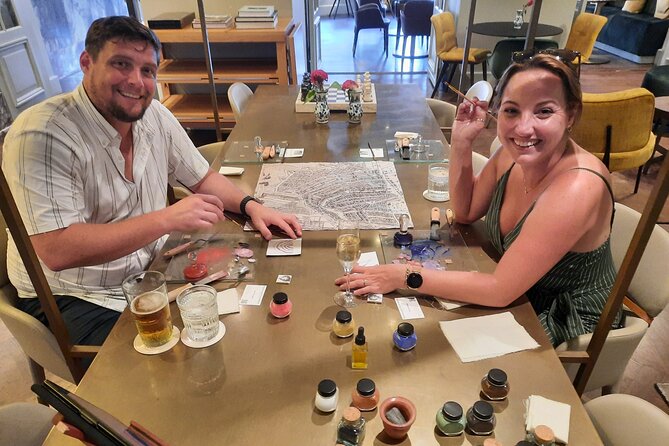
Paint first, understand art better. This two-hour Amsterdam workshop lets you make oil paint from 14 natural pigments, then use it to create a small painting while learning about Rembrandt van Rijn and his methods. It offers a hands-on way to connect with Dutch art instead of simply looking at it behind glass.
I like the private format, since your guide can give your group personal attention rather than rushing through a large class. I also like the mix of pigment work, art history, and actual painting. The main drawback is the price: at $114.88 per person, this is a special-interest activity rather than a cheap filler between museums.
The workshop takes place at Nieuwe Doelenstraat 24, close to public transportation, and runs for about two hours. Instructor Eric has earned especially warm praise for his clear teaching and his ability to make the session feel personal. If you enjoy art, making things with your hands, or unusual city experiences, this is a strong candidate for your Amsterdam schedule.
In This Review
- Key points about the Amsterdam paint-making workshop
- What happens during the two-hour class
- Why making the paint changes the way you see Rembrandt
- Eric’s role and the value of a private class
- Fourteen pigments and a wider color palette
- Painting your own small masterpiece
- Location and timing at Nieuwe Doelenstraat 24
- Price, value, and who gets the most from it
- Who should book this experience
- How to fit the workshop into an Amsterdam day
- Final verdict: book it for the process, not just the souvenir
- FAQ
- How long does the Rembrandt paint-making workshop last?
- Where does the workshop begin?
- Where does the activity end?
- What time does the experience operate?
- Is the workshop private?
- What language is offered?
- What will I make during the experience?
- Are service animals allowed?
- Can I cancel for a full refund?
Key points about the Amsterdam paint-making workshop
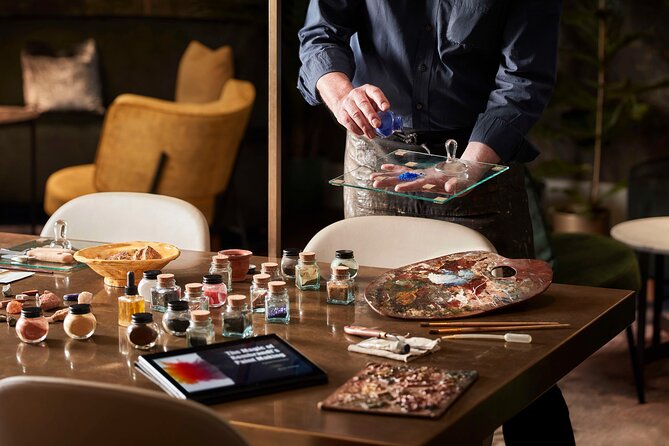
- You make oil paint from 14 natural pigments, mixing color with linseed oil in a traditional style.
- The class is private, so only your own group participates.
- You create a small painting with the handmade paints you produce.
- Eric connects the practical work to Rembrandt, explaining the master’s colors and working methods.
- The two-hour length fits a tight schedule, especially before or after museum visits.
- The meeting point is Nieuwe Doelenstraat 24, with the activity ending at the same location.
What happens during the two-hour class
This is not a lecture with a quick craft project tacked on at the end. The central activity is making your own oil paints, then using them to produce a small work of art. That order matters. You first handle the basic materials, and only then see how those materials behave on a painted surface.
The process uses 14 natural pigments and linseed oil. You learn how dry pigment becomes usable paint, and how different pigments can create a wide range of colors. The point is not simply to take home a colorful souvenir. It is to understand why older paintings look and behave the way they do.
You can expect the instructor to guide you through the mixing process and explain how Rembrandt worked with color. One review specifically describes the use of pigments and linseed oil in the way Rembrandt would have in his time. That gives the session a useful link between workshop technique and museum viewing.
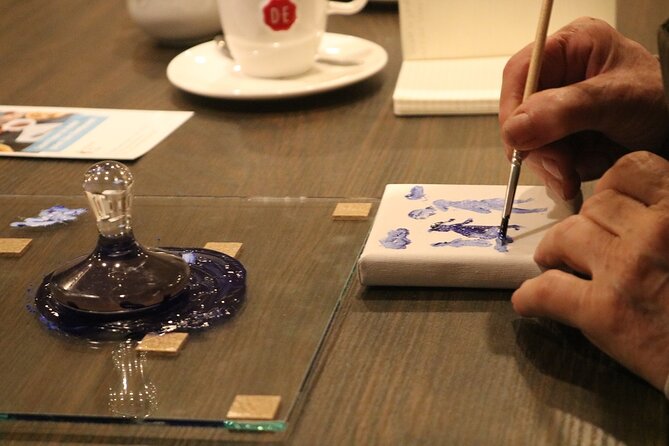
After the paint-making portion, you use your handmade colors to paint a small piece. The available information does not specify a set subject or exact design, so you should not expect a particular finished image. The value is in working with the paint you made yourself and seeing the results on paper or another painting surface.
For many people, this will be the most satisfying part. Mixing color can sound technical until you see the pigment change under your own hands. Once you paint with it, Rembrandt’s use of dark tones, warm color, and carefully controlled highlights becomes easier to appreciate.
A few more trips of this kind worth comparing:
- Amsterdam: 2-Hour Canal Cruise incl. Drinks & Dutch Snacks
★ 5.0 · 594 reviews - Amsterdam 2-hour Private Canal Cruise with Live Guide and Drinks
★ 5.0 · 296 reviews - Amsterdam 2-Hour Evening Cruise With Live Guide and Bar
★ 5.0 · 134 reviews
Why making the paint changes the way you see Rembrandt
A museum visit often gives you the finished product. You see the brushwork, the colors, and the dramatic lighting, but not the small decisions that helped create them. This workshop gives you a short look at the material side of painting.
You learn that color is not just a name on a paint tube. A pigment has its own character, and mixing it with linseed oil changes how it spreads and looks. The session helps you think about paintings as objects made from physical ingredients, not just images hanging on a wall.
That background can make an Amsterdam museum visit more rewarding. After working with pigments yourself, you may pay closer attention to the way Rembrandt builds shadows or places warmer color beside darker areas. You are not trying to become a master painter in two hours, but you are gaining a more practical eye.
The workshop also offers a useful correction to the idea that art appreciation must be quiet and formal. You can learn about a major Dutch painter while making a little mess, testing colors, and producing something of your own. That makes the experience a good choice if traditional museum touring starts to feel repetitive.
Eric’s role and the value of a private class
The instructor, Eric, is a major part of the experience. He is praised for knowing the subject well and for combining historical explanation with step-by-step guidance. That combination is important because pigment mixing can seem confusing if you are left to guess how much oil or powder to use.
A private class also changes the pace. Your group does not have to compete with a large crowd for attention, and the guide can respond to your questions as they arise. If you already know something about painting, you can focus on technique. If you are new to oil paint, you can take more time with the basic process.
This format is particularly useful for families, couples, friends, or a small group with a shared interest in art. The activity is listed as suitable for most participants, and service animals are allowed. Still, it is worth remembering that this is a hands-on class, not a passive demonstration. You should be ready to take part.
The private arrangement also helps explain part of the price. You are paying for a small-group experience with instruction, materials, and access to a specialist activity. It costs more than walking through a museum, but it provides something a museum ticket cannot: you make the material yourself and receive direct guidance.
Fourteen pigments and a wider color palette
The use of 14 natural pigments gives the workshop its strongest practical hook. You are not limited to a short demonstration with one or two colors. Instead, you explore a group of materials that can be combined into many shades.
The phrase endless color palette should be understood as a description of creative possibility, not a promise that you will produce every color imaginable. The important lesson is that a modest set of pigments can create many results when mixed carefully.
This is where the class can appeal to both beginners and people with art experience. Beginners get a clear introduction to how paint is formed. More experienced painters may enjoy thinking about the material choices behind traditional oil painting.
The natural pigments also give the activity an older, more physical feel. You are working with the ingredients of paint rather than opening a modern tube and moving directly to the canvas. That extra step slows you down in a good way. It makes each color feel chosen rather than automatic.
The supplied information does not identify each pigment, so you should not arrive expecting a named list of specific minerals or historical recipes. What you can count on is the chance to work with 14 natural pigments and linseed oil under instruction.
A completely different kind of day out in Amsterdam:
- Amsterdam: Van Gogh Museum Ticket
★ 4.7 · 52,054 reviews - Amsterdam Classic Saloon Boat Cruise with Drinks and Cheese
★ 5.0 · 31,825 reviews - Amsterdam Luxury Canal Cruise + Unlimited Drinks & Bites option
★ 5.0 · 30,518 reviews - Amsterdam: Heineken Experience Ticket
★ 4.6 · 30,055 reviews
Painting your own small masterpiece
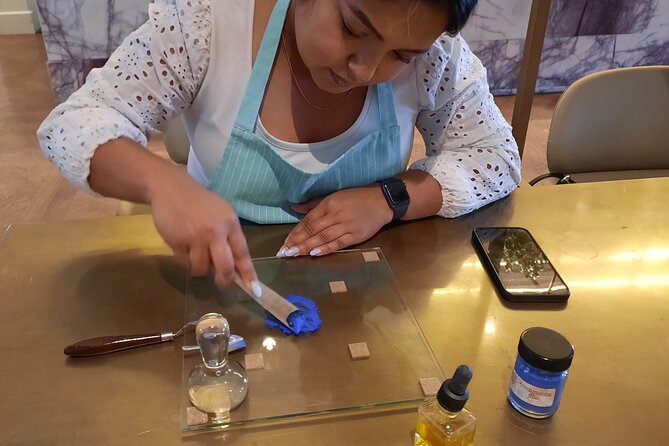
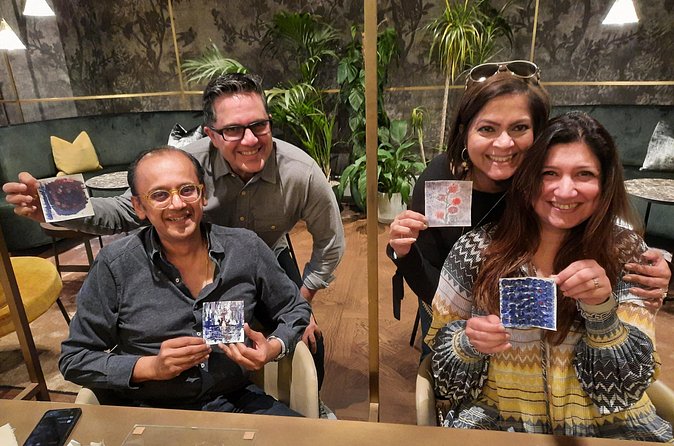
The finished painting is described as a mini masterpiece, but you should treat that as an encouraging label rather than a guarantee of a museum-quality result. The real reward is the process and the connection between your materials and your final piece.
A small painting suits a two-hour class. You have enough time to work with the paint without turning the activity into a full-day studio course. It also gives you a manageable souvenir that connects directly to your time in Amsterdam.
Because the subject and format are not specified, the final piece may vary by group or instructor direction. If you need a very structured art lesson with a fixed image and a predictable result, check the details before booking. If you enjoy making something personal, the open element may be a benefit.
I would think of the painting as a reminder of the workshop rather than the main reason to attend. You are not buying a finished artwork made by Eric. You are paying for the chance to understand the materials, follow the method, and make your own small work.
That distinction helps set fair expectations. You do not need advanced painting skill to take part, and the private format gives you room to ask for help. At the same time, the activity cannot turn every beginner into Rembrandt in 120 minutes. The fun is in trying.
Location and timing at Nieuwe Doelenstraat 24
The meeting point is Nieuwe Doelenstraat 24, 1012 CZ Amsterdam, Netherlands. The activity begins and ends at this same location, which keeps the logistics simple. You do not have to arrange transport from a workshop studio to a second drop-off point.
The class operates daily from 3:00 PM to 7:00 PM during the listed operating period, from October 14, 2023, through November 27, 2026. Since the experience lasts about two hours, you should select a start time within that afternoon and evening window.
The afternoon schedule works well with an Amsterdam museum day. You can visit a museum earlier, have a break, and then attend the workshop. Or you can use the class as a creative start to an evening in the city.
The start time deserves attention. A two-hour activity beginning late in the afternoon can affect dinner plans, evening canal walks, or other timed bookings. Leave yourself breathing room rather than stacking another reservation immediately afterward.
Nieuwe Doelenstraat is near public transportation, according to the activity details. That makes the meeting point practical, though you should still allow time to find the exact address. A mobile ticket is provided, so you can keep the booking on your phone.
Price, value, and who gets the most from it
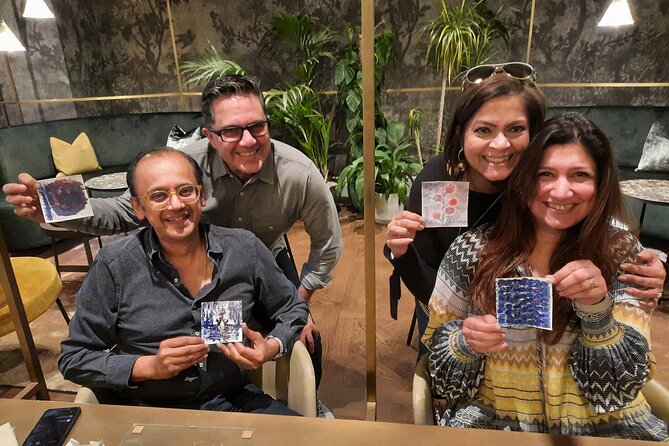
At $114.88 per person, this is not a bargain-priced Amsterdam attraction. A museum ticket will usually give you more hours of viewing for less money. The workshop earns its price only if you value direct instruction, materials, and an activity you cannot get by simply walking through a gallery.
The private format improves the value for a small group. Your fee is not paying for a large public demonstration where the instructor must divide attention among many participants. You receive personal guidance, and only your group joins the activity.
I would compare it with the cost of a standard creative class in a major city. The price includes access to a specialist process, natural pigments, linseed oil, instruction, and your own small painting. That makes it more reasonable for someone who actively wants a hands-on art experience.
It is less convincing for someone who has limited time and only a casual interest in Rembrandt. Two hours is short, but the cost is still significant. If your Amsterdam plan already includes major museums, canal time, and other paid attractions, this workshop may compete with them.
The strongest value comes when you connect it to your wider art plans. Schedule the workshop near a Rembrandt-focused museum visit, and the two experiences can support each other. First see the paintings, or see them afterward, then think about the pigments and oil that helped make them.
Who should book this experience
This class suits you best if you meet one or more of these descriptions:
- You like making things rather than only looking at them.
- You have an interest in Rembrandt or Dutch painting.
- You want a private experience for your own group.
- You are visiting Amsterdam on a short schedule and can spare two hours.
- You enjoy unusual souvenirs with a story behind them.
- You are curious about traditional materials and basic painting methods.
It can also work well for a couple or small group seeking something quieter and more focused than a standard sightseeing stop. Eric’s historical explanations add substance, so the class is not just a casual art-and-craft session.
You may want to skip it if you dislike hands-on activities, want a large amount of finished artwork, or are mainly looking for the lowest-cost way to learn about Rembrandt. The workshop is built around participation, not a long formal presentation.
The activity is listed as suitable for most participants, but the details do not describe every physical requirement. If you have a specific concern, contact the provider before booking. Service animals are allowed.
How to fit the workshop into an Amsterdam day
Because the class lasts about two hours and begins in the afternoon or early evening, it is easy to place after morning sightseeing. Keep your earlier plans flexible enough to arrive at Nieuwe Doelenstraat 24 on time.
You could use the morning for a museum, take lunch and a rest, then attend the class. This gives you time to absorb the material without rushing straight from one scheduled stop to another.
Another option is to attend the workshop before dinner. The activity ends back at the meeting point, so you can continue into the evening without arranging a separate return transfer. The exact dinner options or walking times are not specified, so allow your own travel buffer.
Do not book the class as a last-minute gap between two attractions if you are already tired of indoor activities. Making paint requires attention, and you will get more from the session if you arrive ready to participate.
The experience is booked, on average, about 45 days ahead. That does not guarantee that every date sells out, but it is a useful planning signal. If you are visiting during a busy period or have a fixed afternoon available, reserve early.
Free cancellation is available if you cancel at least 24 hours before the start time. Cancellations made less than 24 hours ahead are not refunded, and late changes are not accepted. The cut-off follows Amsterdam local time.
Final verdict: book it for the process, not just the souvenir
I recommend this workshop if you want to understand Rembrandt through the materials of painting. The combination of 14 natural pigments, linseed oil, personal guidance from Eric, and a small painting gives you more than a standard art talk.
The price is the main question. At $114.88, you should care about the subject and enjoy participating. If you do, the private format and hands-on work make the cost easier to justify.
Book it early if the afternoon timing fits your plans, especially since many bookings are made well in advance. Skip it if your priority is a low-cost museum visit or a polished artwork produced for you. For the right art-minded visitor, this is a thoughtful two-hour way to see Amsterdam through the making of paint itself.
FAQ
How long does the Rembrandt paint-making workshop last?
The experience lasts approximately two hours.
Where does the workshop begin?
It begins at Nieuwe Doelenstraat 24, 1012 CZ Amsterdam, Netherlands.
Where does the activity end?
The workshop ends back at the meeting point.
What time does the experience operate?
It operates Monday through Sunday from 3:00 PM to 7:00 PM during the listed operating period.
Is the workshop private?
Yes. Only your group participates in this private activity.
What language is offered?
The workshop is offered in English.
What will I make during the experience?
You will make handmade oil paints using 14 natural pigments and have the chance to create a small painting with them.
Are service animals allowed?
Yes. Service animals are allowed.
Can I cancel for a full refund?
Yes, if you cancel at least 24 hours before the experience start time. Cancellations made less than 24 hours in advance are not refunded.
Just added around Amsterdam
- Amsterdam City Center Guided Walking Tour – 12 guests 2,5h★ 5.0 · 3 reviews
- Amsterdam Light Festival Boat Cruise★ 5.0 · 3 reviews
- Daytrip Tour from Amsterdam to Zaanse Schans and Giethoorn★ 5.0 · 3 reviews
- Amsterdam: Roller Dreams & Amsterdam Nightlife Experience★ 3.7 · 3 reviews
- Amsterdam: Van Gogh Museum Entrance and Guided Tour★ 3.5 · 3 reviews
- Amsterdam: Red light tour in German/English for groups of 4 people or more★ 5.0 · 3 reviews
- Amsterdam Red Light District and Old Town Walking Tour★ 5.0 · 3 reviews
- privatetour Delft, The Hague&Rotterdam Kinderdijk from Amsterdam★ 5.0 · 3 reviews
2-Hour Experiences, compared.
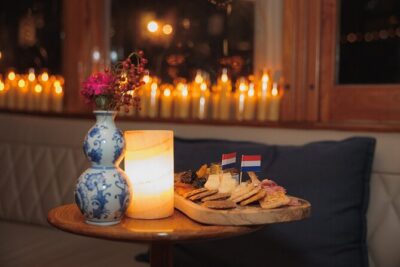
2-Hour Canal Cruise incl. Drinks & Dutch Snacks
Read our review →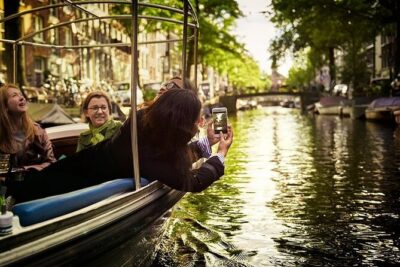
Amsterdam 2-hour Private Canal Cruise with Live Guide and Drinks
Read our review →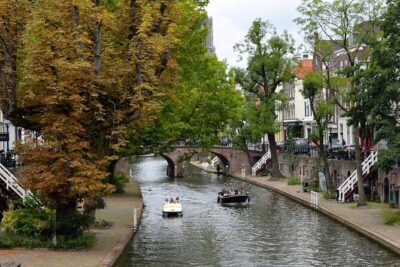
Utrecht 2-Hour Walking Tour | Discover The City With A Local
Read our review →
Amsterdam 2-Hour Evening Cruise With Live Guide and Bar
Read our review →
Rotterdam 2-Hour Walking Tour | Discover The City With A Local
Read our review →
The Hague 2-Hour Walking Tour | Discover The City With A Local
Read our review →
Boatrental 2 Hours 8 Person with Steeringwheel and cushions
Read our review →Browse the lists this tour appears in