
REVIEW · THE HAGUE TOURS
The Hague: Prison Gate Museum
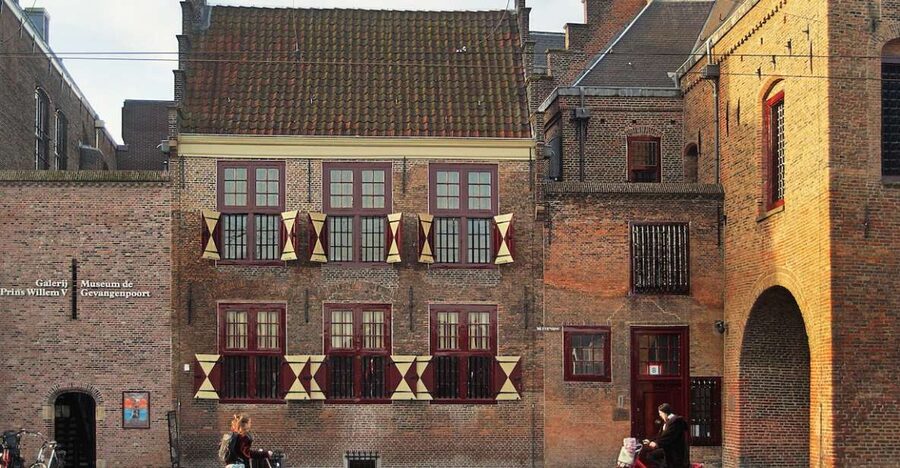
History is locked behind these walls. The Hague’s Prison Gate Museum, officially Rijksmuseum de Gevangenpoort, brings Dutch crime and punishment to life inside a medieval building beside the Hofvijver. I like its setting and its clear focus: this is not a general museum about The Hague, but a close look at imprisonment, trials, and punishment.
I also like the strong connection to national history. The building once served as a gateway to the Binnenhof, then became a prison and courthouse for the Hof van Holland. The main drawback is that no guided tour is included, so you will need to explore without a guide.
In This Review
- Key points to know before you go
- Entering a medieval gateway beside the Hofvijver
- How the visit unfolds inside the prison
- The cells show imprisonment at close range
- The courthouse explains what happened before punishment
- The De Witt brothers connect the museum to Dutch history
- Torture instruments make the visit more confronting
- What $18 buys you in The Hague
- Who will enjoy this museum most
- Practical details that affect your visit
- Should you book the Prison Gate Museum?
- FAQ
- Where is the Prison Gate Museum located?
- What is the museum called?
- How much does admission cost?
- How long is the ticket valid?
- Is a guided tour included?
- Can I see the old prison cells?
- Does the museum explain the court process?
- Are torture instruments displayed?
- Are food and drinks included?
- What is included with the ticket?
Key points to know before you go
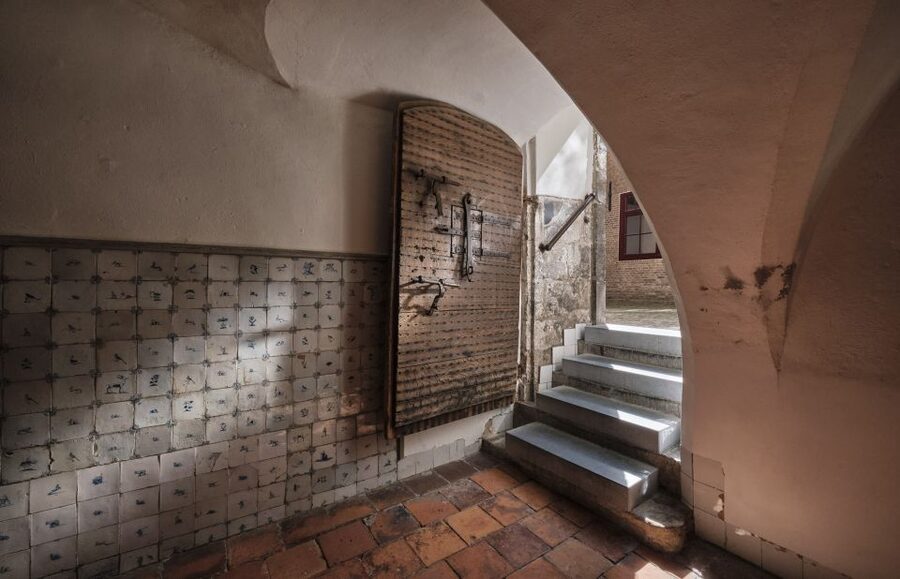
- A medieval gateway became a prison: The building began in the 13th century as an imposing entrance to the Binnenhof.
- Johan and Cornelis de Witt were held here: Their imprisonment connects the museum to one of the darkest episodes in Dutch history.
- The old cells are part of the experience: You can see where suspected criminals and debtors were confined.
- Justice is the main subject: Exhibits explain how people were imprisoned, tried, sentenced, and punished.
- Torture tools are on display: The museum includes the national collection of instruments used for torture and punishment.
- The ticket is valid for one day: At $18 per person, it works best as a focused historical stop during a day in central The Hague.
Entering a medieval gateway beside the Hofvijver
The Prison Gate Museum sits in a striking place, directly by the Hofvijver in The Hague. Its story begins in the 13th century, when the building formed the main gateway to the Binnenhof, the political heart associated with Dutch government.
That original role matters because you are not entering a building designed only for imprisonment. You are passing through a structure that once controlled access to an important center of power. Later, the same building took on a harsher purpose as a prison and courthouse used by the Hof van Holland.
I find that change in function gives the museum its appeal. The building is not simply a container for old objects. Its walls are part of the subject. The setting helps you picture how authority, law, and confinement once operated in the center of The Hague.
The museum’s title, de Gevangenpoort, means Prison Gate. It is a direct name for a place with a very direct past. You can expect the visit to focus on the practical realities of old justice rather than on decorative rooms or broad art displays.
More Museums in The Hague
- The Hague: Escher in The Palace Museum Ticket
★ 4.6 · 896 reviews - Royal Delft: Delftblue Factory and Museum Admission Ticket
★ 4.5 · 145 reviews - The Hague: Panorama Mesdag Museum Entry Ticket
★ 4.8 · 143 reviews
How the visit unfolds inside the prison
This is a self-guided museum visit, not a tour led by a guide. The supplied information describes a tour with a guide when explaining what the museum offers, but the important booking detail is clear: a guide is not included with this activity. Plan to read and follow the displays at your own pace.
The route is built around questions that make the past easier to understand. Where were prisoners kept? Did wealthy and poor prisoners receive different treatment? Where did people hear their verdict? What punishments were used?
Those questions give the visit a useful structure. Instead of looking at an old cell and moving on, you are encouraged to think about the full process. A person could be suspected, imprisoned, brought before a court, sentenced, and punished. The museum connects those steps within the same building.
You will learn about the people who waited here before trial, along with debtors who were imprisoned because they failed to pay what they owed. That detail is especially useful because it shows that the prison was not limited to one type of offender. Someone awaiting a verdict and someone held for unpaid debts could both become part of the institution’s daily life.
The one-day validity gives you flexibility. You do not have to treat this as a full-day activity. Instead, you can fit it around other sights in The Hague, using the ticket on the day that suits your plans.
The cells show imprisonment at close range
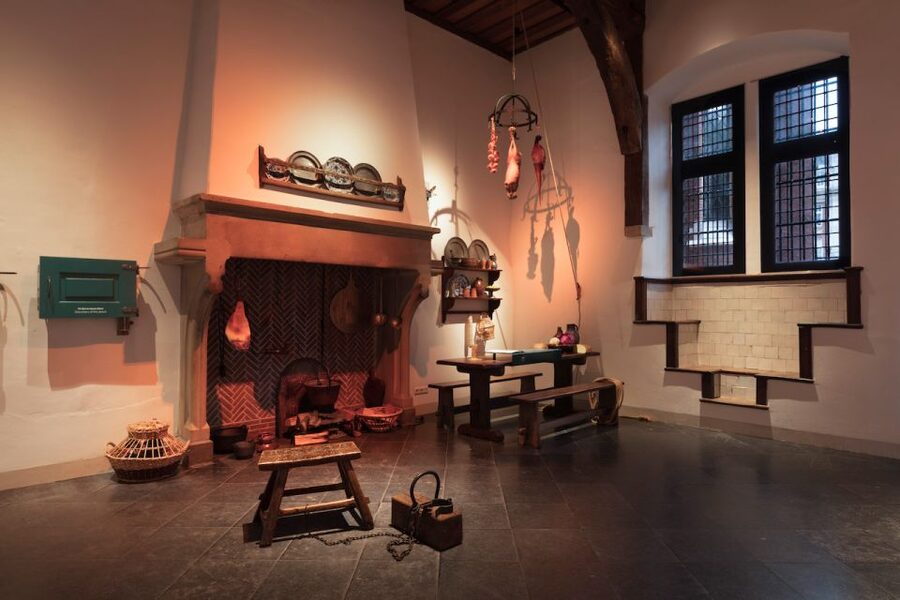
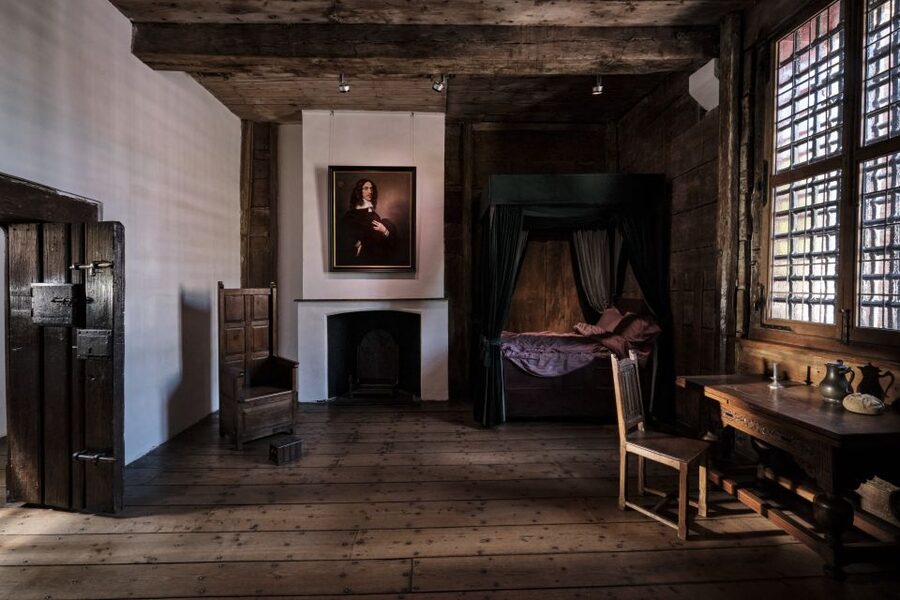
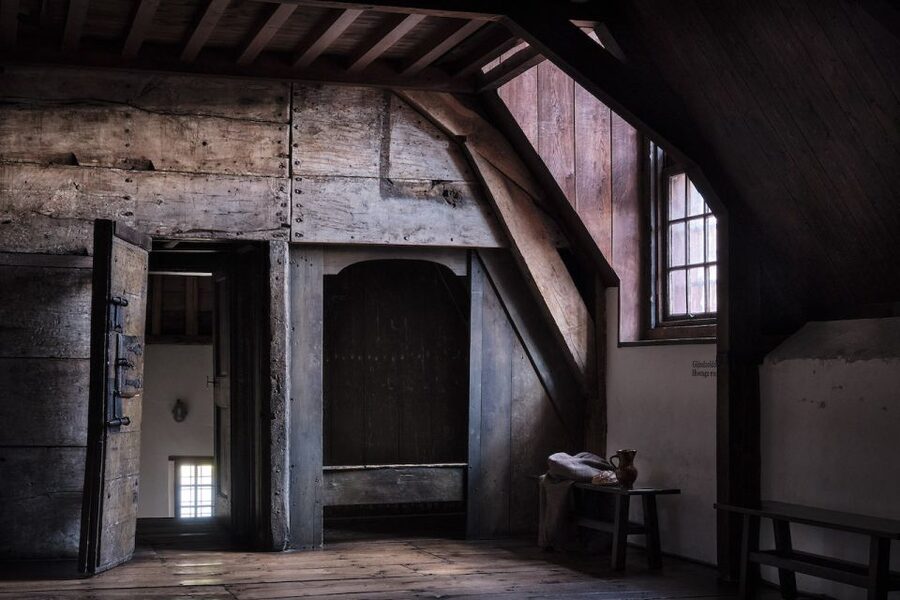
The old prison cells are one of the strongest reasons to visit. The museum lets you see the spaces in which prisoners were held, rather than discussing confinement only through documents or labels.
I like this part because the subject becomes physical. You can think about the difference between reading that a person was imprisoned and seeing the rooms connected to that experience. The cells help ground the museum’s wider story in the daily fact of confinement.
The museum also asks you to consider social class. There was a difference between poor and rich prisoners, and that question is central to understanding how justice operated in earlier centuries. The experience does not present imprisonment as a single, identical condition for everyone.
The information provided does not specify the exact furnishings or condition of every cell, so you should not arrive expecting a fully recreated prison scene. The value comes from the historic spaces and the questions they raise about status, law, and punishment.
If you have children with you, the cells may make the subject easier to grasp, but the material concerns crime, imprisonment, and torture. Parents should decide how well that tone fits their family.
The courthouse explains what happened before punishment
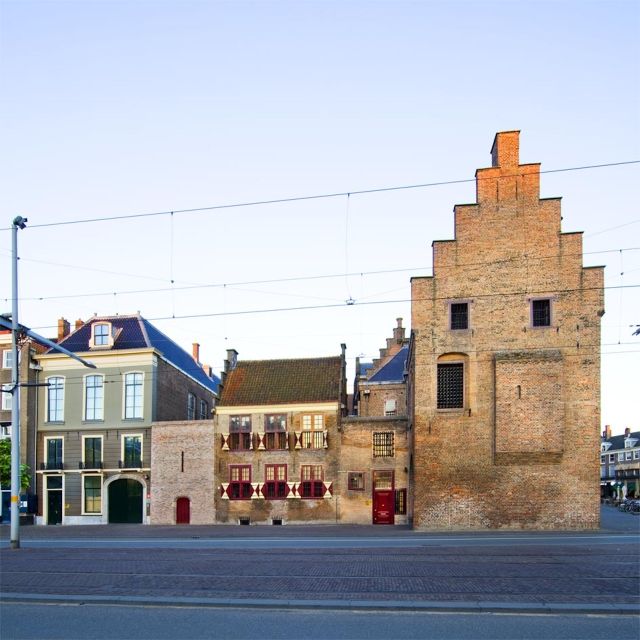
The Prison Gate was also a courthouse for the Hof van Holland. That role adds an important layer to the visit. The building was not only a place where people were locked up. It was also linked to the legal process that determined what happened to them.
You will learn where prisoners heard their verdict and how suspected criminals were handled before judgment. This helps separate historical justice from the simple image of a dungeon. There was an institutional process, with confinement and court proceedings connected in one place.
For me, this is where the museum becomes more than an old prison attraction. It asks you to think about how power was exercised. A court could decide a person’s fate, while the prison held that person nearby. The same building represented authority, fear, and punishment.
The absence of a guide means you will not have someone available to answer questions as you go. On the other hand, a self-guided format lets you pause at the parts that interest you most. If you want a quick visit, you can keep moving. If the legal side catches your attention, you can spend more time with those displays.
More museums:
- Vermeer Centrum Delft Museum Admission Ticket
★ 4.0 · 45 reviews - Amsterdam: Van Gogh Museum Ticket
★ 4.7 · 52,054 reviews - Moco Museum Amsterdam Entrance Tickets with Banksy & More
★ 4.4 · 10,088 reviews - Amsterdam: The Upside Down Museum Entrance Ticket
★ 4.4 · 9,506 reviews
The De Witt brothers connect the museum to Dutch history
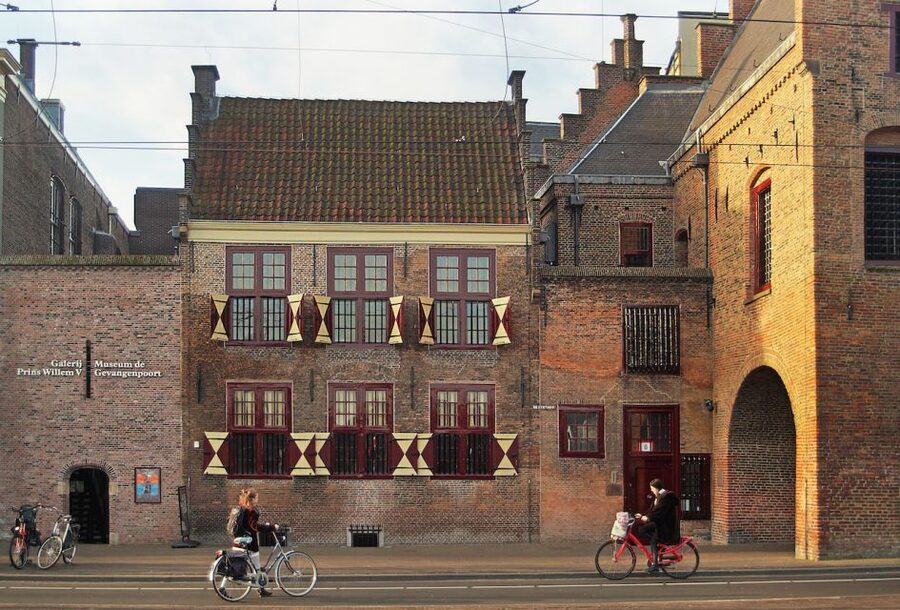
One of the most important stories linked to the Prison Gate is the murder of Johan and Cornelis de Witt. These two Dutch figures were imprisoned in the building, and their story is presented as one of the major historical moments connected with the site.
That connection gives the museum weight beyond crime and punishment. The De Witt brothers were not anonymous prisoners. Their imprisonment became part of the political history of the Netherlands, and their deaths remain tied to the building’s identity.
You should give this section time, even if you arrive mainly to see the cells or instruments. It shows how the Prison Gate could become a stage for events involving national leaders and political conflict. The museum’s strongest moments come when personal stories and larger Dutch history meet in the same rooms.
The available information does not provide a full account of the De Witt episode, so I would treat the museum as an introduction to that story rather than a complete study of it. If the brothers’ political role interests you, this visit can point you toward further reading or other historic sites in The Hague.
Torture instruments make the visit more confronting
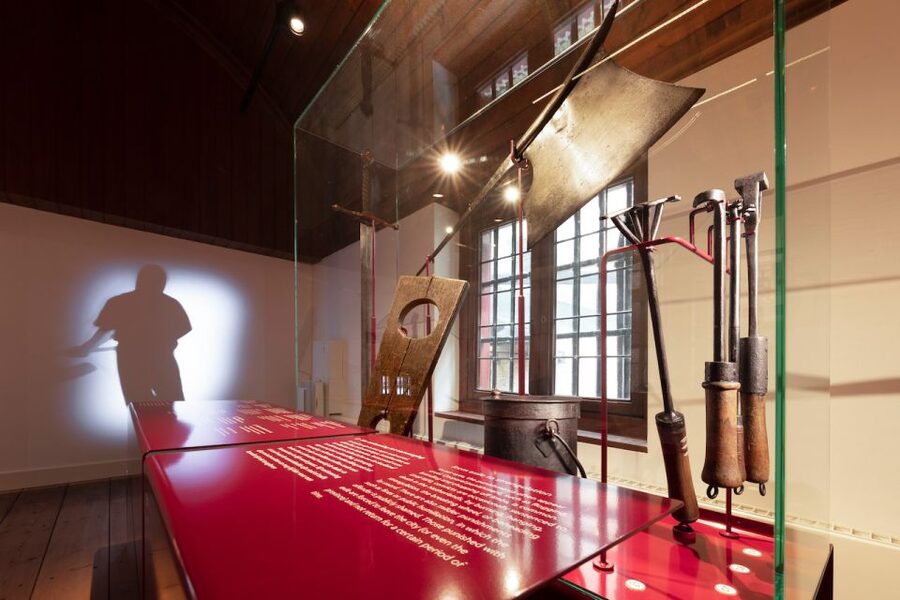
The museum displays the national collection of torture and punishment instruments. This is likely to be the most unsettling part of the experience, but it is also central to the museum’s purpose.
The collection shows that punishment in earlier periods could be physical, public, and severe. Seeing the instruments gives you a clearer sense of what a sentence could mean beyond time in a cell. It also helps explain why the museum treats crime and punishment as a connected subject.
I appreciate that these objects are presented within the setting of a prison and courthouse. They are not isolated curiosities. Their meaning comes from the legal system around them: investigation, trial, verdict, and punishment.
Still, this section will not suit everyone. If you dislike displays involving violence or torture, you may prefer to spend less time here. The museum’s tone is historical and educational, but the subject itself remains difficult.
What $18 buys you in The Hague
At $18 per person, the ticket is a reasonable price for a specialized historic museum in central The Hague. You are paying for access to an important medieval building, old prison cells, court-related history, and a national collection of torture and punishment instruments.
The value is strongest if you enjoy focused museums with real historic settings. This is not a large attraction with a long list of unrelated rooms. It offers one subject and explores it through the building, its former functions, and the people connected with it.
The price is less attractive if you want a guided interpretation included. A guide is not part of this activity, and food and drinks are not included. You do receive entry, Wi-Fi, and use of a wardrobe.
Because the ticket is valid for one day, it can fit neatly into a wider day in The Hague. You can plan it as one substantial stop rather than expecting it to fill every hour. The exact starting times depend on availability, so check the schedule before making firm plans.
Free cancellation up to 24 hours in advance and the option to reserve now and pay later add useful flexibility. Those terms matter if your plans for The Hague may change.
Who will enjoy this museum most
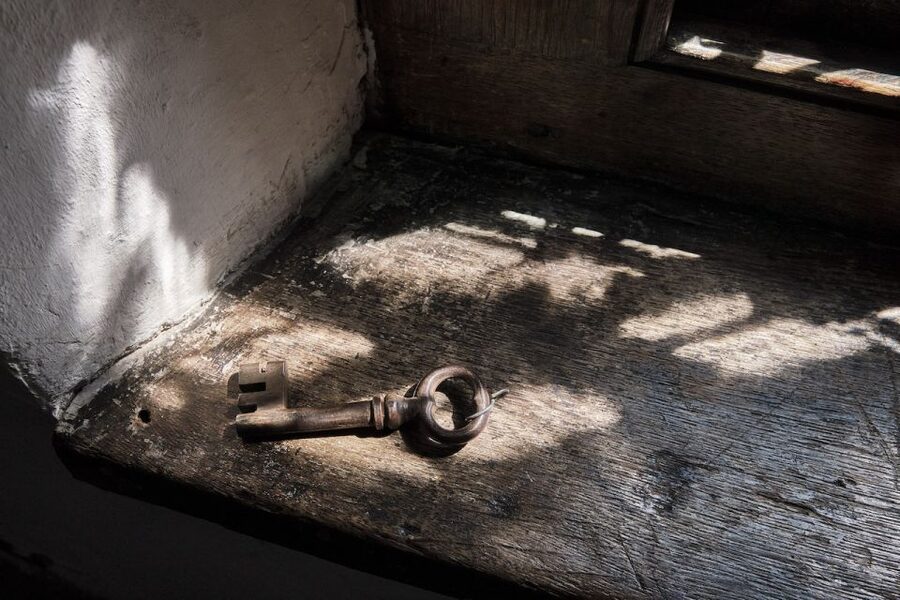
I would recommend the Prison Gate Museum to you if you enjoy political history, old buildings, legal history, or museums that deal with difficult subjects in a direct way. It is also a good choice if you want an attraction that connects clearly with The Hague’s role as a center of power.
It suits a short city visit because the subject is tightly defined. You do not need to commit to a large museum complex or a full-day guided activity. The one-day ticket lets you place it wherever it fits in your schedule.
Families should think about the age and interests of their children. The cells may be visually engaging, but torture and punishment are serious subjects. Older children with an interest in history may find the setting memorable, while younger children may find parts of it disturbing.
I would be more cautious about recommending it if you strongly prefer art, cheerful attractions, or guided storytelling. The museum’s theme is dark, and the lack of an included guide means you will need to make your own way through the material.
Practical details that affect your visit
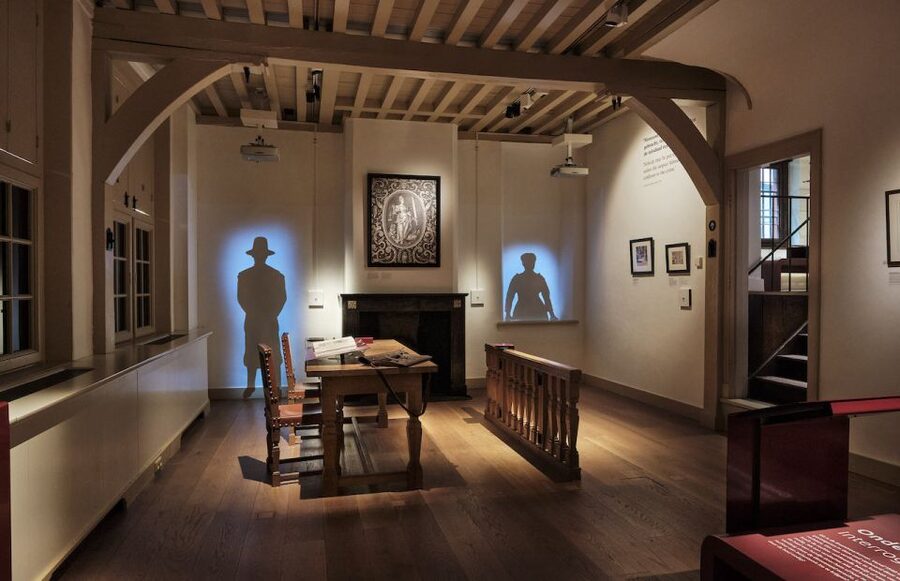
The museum is in South Holland, in The Hague, beside the Hofvijver. Its location makes it useful for a day centered on the city’s historic and political core.
Entry, Wi-Fi, and a wardrobe are included. Food and drinks are not, so plan to eat before or after the visit rather than expecting refreshments inside the ticket.
The experience is listed as valid for one day, not as a fixed-length guided tour. Check availability for the starting times available on your chosen date. Since no guide is included, allow yourself enough time to read and consider the displays instead of rushing through the cells.
The museum has a rating of 4.5 from 58 reviews, and the strongest praise focuses on how impressive and visually clear the presentation is. One German-language comment described the museum as appealing and well presented, with the prison’s history told through a story. That is a useful clue about the experience: the museum works best when you follow the sequence of events rather than treating each object as a separate display.
Should you book the Prison Gate Museum?
Book it if you want a compact, serious look at Dutch justice inside a genuine medieval monument. The combination of old cells, courthouse history, torture instruments, and the De Witt brothers’ story gives the $18 ticket a solid value for history-minded visitors.
Skip it if you want a light attraction or need a guide to explain every room. The visit can be confronting, and the self-guided format requires some independence.
For most people with an interest in The Hague’s past, I would make room for it. Go for the building, stay for the stories, and remember that the most important exhibits are not only the instruments. They are the choices made by courts, rulers, and people caught inside the system.
FAQ
Where is the Prison Gate Museum located?
The museum is in The Hague, in South Holland, Netherlands. It is beautifully situated beside the Hofvijver.
What is the museum called?
Its official name is Rijksmuseum de Gevangenpoort, also known as the Prison Gate Museum.
How much does admission cost?
The listed price is $18 per person.
How long is the ticket valid?
The ticket is valid for one day. Starting times depend on availability.
Is a guided tour included?
No. The activity information states that this visit is without a guide, and a guided tour is not included.
Can I see the old prison cells?
Yes. The museum includes centuries-old prison cells where people were held.
Does the museum explain the court process?
Yes. You can learn how people were imprisoned, tried, given their verdicts, and punished in the past.
Are torture instruments displayed?
Yes. The museum contains the national collection of torture and punishment instruments.
Are food and drinks included?
No. Food and drinks are not included with admission.
What is included with the ticket?
Entry to the museum, Wi-Fi, and use of a wardrobe are included.
Just added around The Hague
- Private Day Trip from Amsterdam to Rotterdam and the Hague★ 5.0 · 19 reviews
- Private Day Tour: Rotterdam and The Hague. English or Spanish★ 4.5 · 20 reviews
- Royal The Hague Private Guided Walking Tour★ 4.5 · 21 reviews
- Private Day Tour: Rotterdam, Delft & The Hague From Amsterdam★ 5.0 · 22 reviews
- e-Scavenger hunt Delft: Explore the city at your own pace★ 4.5 · 26 reviews
- The Hague Private Walking Tour with a Local★ 4.0 · 29 reviews
- The Hague: Street Art Tour by Bike★ 4.8 · 30 reviews
- Amsterdam: Zaanse Schans, The Hague & Rotterdam Tour★ 4.8 · 33 reviews
The Hague Tours, compared.





Hop-on Hop-off Old-Fashioned Heritage Tram Tour
Read our review →

Rotterdam, Delft, the Hague, Madurodam from Amsterdam
Read our review →Browse the lists this tour appears in