REVIEW · TICKETS
Vught: National Monument Concentration Camp Entry Ticket
A difficult place, handled with care. Kamp Vught combines personal wartime stories with original camp remains, making the visit both informative and deeply human. I like the reconstructed barracks and the chance to see the original crematorium, watch towers, and camp model in one thoughtful visit. I also appreciate the audio guide in four languages, which lets you set your own pace.
The main drawback is the subject matter, which can be emotionally heavy, especially for younger children. The former execution site also requires a walk of about 4 kilometers, so you should wear good shoes and allow plenty of time beyond the indoor museum.
In This Review
- Key points about Kamp Vught
- Why Kamp Vught matters in the history of the Netherlands
- Begin inside with Seven Seasons and 32,000 Stories
- The camp model gives you a sense of scale
- Barrack 1B and the reconstructed barracks
- The crematorium and the children’s transport memorial
- If Walls Could Speak shows the site’s later chapters
- Walk the former railway line to the execution site
- What the $14 ticket gives you
- Opening hours, access, and practical comfort
- Who should visit Kamp Vught?
- Should you book this ticket?
- FAQ
- Where is Kamp Vught located?
- What was Kamp Vught called during the Second World War?
- How much does admission cost?
- How long is the ticket valid?
- Is a guided tour included?
- How long is the walk to the execution site?
- Is Kamp Vught suitable for children?
- Is the memorial wheelchair accessible?
- Can I cancel my booking?
Key points about Kamp Vught
- The only SS concentration camp outside Nazi Germany: Kamp Vught, also called Konzentrationslager Herzogenbusch, offers important context on Nazi occupation in the Netherlands.
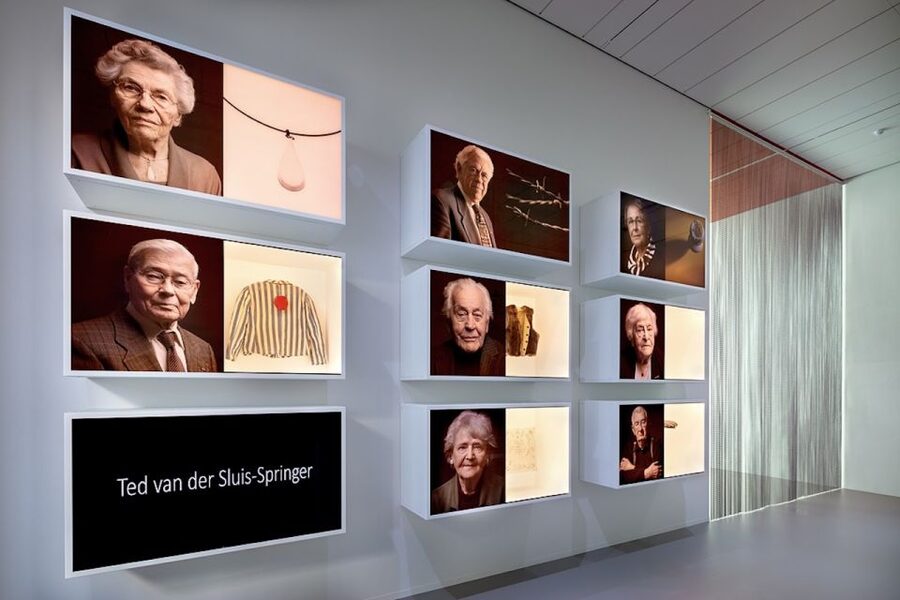
- A museum built around personal stories: The permanent exhibition, Camp Vught: Seven Seasons and 32,000 Stories, presents prisoners from 35 nationalities through objects and individual accounts.
- Original and reconstructed camp remains: You can see the last remaining original barrack, reconstructed barracks, watch towers, the crematorium, and a camp model.
- A 4-kilometer walk to the execution site: The monument marks the actual place where 329 men were executed, in woodland away from the main museum.
- Useful multilingual support: An audio guide is available in English, Dutch, German, and French.
- Good value for a full day: At $14 per person, the ticket covers a substantial memorial museum and outdoor grounds, with free cancellation up to 24 hours before the visit.
Why Kamp Vught matters in the history of the Netherlands

Kamp Vught was the only SS concentration camp outside Nazi Germany. That fact alone makes it an important stop for anyone trying to understand the Second World War in the Netherlands, but the museum does more than present dates and Nazi terminology.
The site explains how occupation affected people in personal, painful, and very different ways. Prisoners came from 35 nationalities. Some were held because of their Jewish identity, while others were imprisoned under the Nazi system for political, racial, or other reasons. The exhibitions focus on individual lives, objects, and memories, which helps you understand that the camp was not simply a place on a map.
I find this approach more useful than a museum that gives you only military events and political leaders. You learn about the machinery of persecution, but you also encounter the people who had to live through it. That human scale is the heart of the visit.
The experience is not designed as light sightseeing. You should expect serious material, quiet reflection, and displays that may be upsetting. Children under 10 are not considered suitable for the visit, and I would use that rule as a sensible guide for families.
More attraction tickets:
- Amsterdam: Van Gogh Museum Ticket
★ 4.7 · 52,054 reviews - Amsterdam: Heineken Experience Ticket
★ 4.6 · 30,055 reviews - Amsterdam: Rijksmuseum Entry Ticket
★ 4.7 · 25,535 reviews
Begin inside with Seven Seasons and 32,000 Stories
Your visit begins at the memorial centre, where the permanent exhibition Camp Vught: Seven Seasons and 32,000 Stories gives you the foundation for everything outside.
The title points to the many stages and experiences connected with the camp. Instead of treating the prisoners as one anonymous group, the exhibition uses personal stories and objects to show how the camp affected people from different backgrounds. You can learn about the occupation of the Netherlands while also seeing how the Nazi regime controlled, imprisoned, and persecuted individuals.
The audio guide is included in the ticket and is available in English, Dutch, German, and French. This is helpful because the subject calls for time and concentration. You can pause, listen again, and move through the displays at a pace that feels right for you rather than trying to keep up with a group.
There is no guided tour included, so the audio guide matters. If you prefer a guide who can answer questions as you go, this ticket may feel limited. If you like quiet, independent museum visits, the format gives you more control.
Set aside enough time to read rather than racing toward the outdoor section. The museum provides the meaning behind the buildings and objects. Without that context, a watch tower or barrack can look like a bare structure. After the exhibition, you will understand why each surviving feature matters.
The camp model gives you a sense of scale
Outside, a model of the former camp helps you picture how large the site once was. This is one of the most useful stops because much of the original camp has disappeared or changed over time.
A model can show relationships that are hard to grasp from isolated buildings. You can see how the barracks, watch towers, crematorium, and other parts fitted together. It gives you a clearer sense of the controlled environment prisoners faced.
I recommend looking at the model before walking farther into the grounds. It helps you get your bearings fast and makes the remaining structures easier to understand. The outdoor visit then becomes more than a series of separate memorial objects.
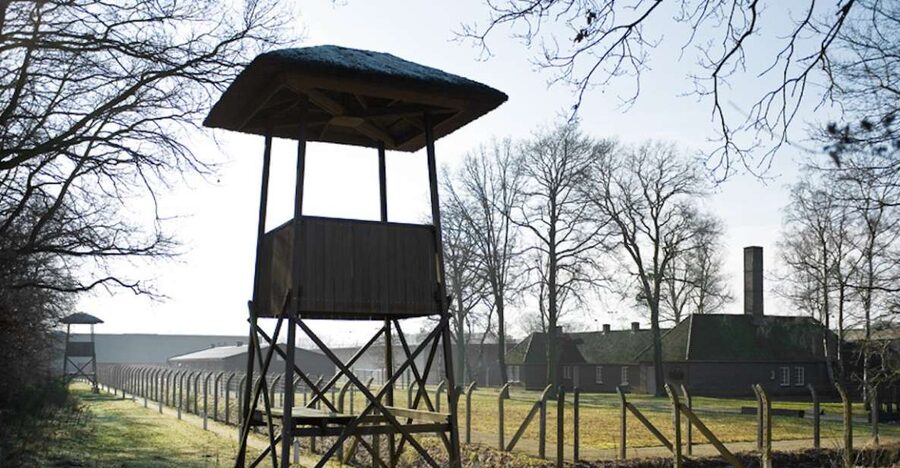
The site includes several watch towers. Their presence makes the purpose of the camp painfully plain. They are not decorative ruins. They represent surveillance and confinement, and they help you grasp how little freedom prisoners had.
Barrack 1B and the reconstructed barracks
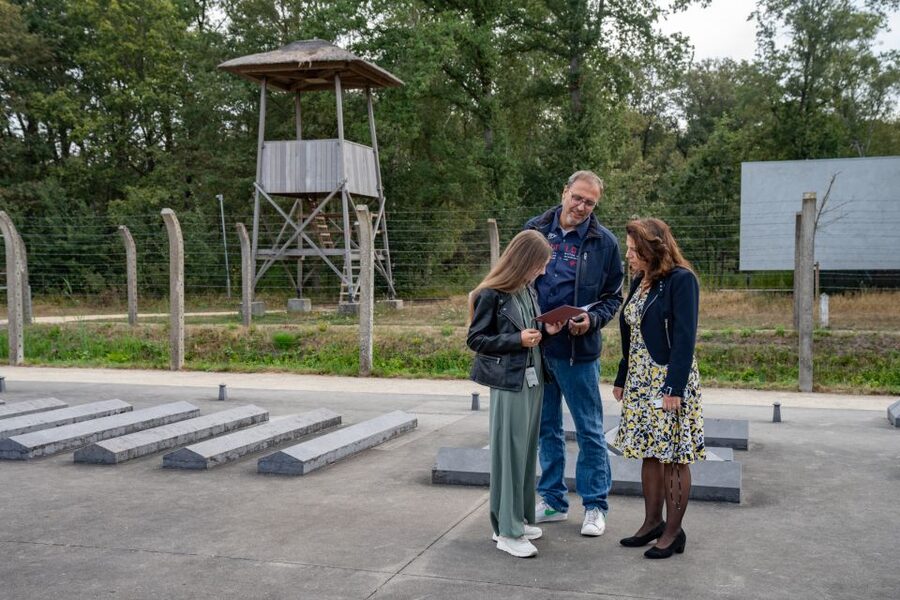
One of the most important buildings is Barrack 1B, the last remaining original barrack from Camp Vught. It gives you a direct connection to the camp’s physical past, even though the building cannot represent every part of daily life inside the wider complex.
You can also see a reconstructed barrack. The combination is useful: the original structure gives you an authentic surviving link, while the reconstruction helps explain how the camp was arranged and used.
Barrack 1B has different opening hours from the main museum. It is open Wednesday from noon to 5 p.m. and Saturday and Sunday from 1 to 5 p.m. During the school holiday period from December 23 through January 5, it is open Monday through Friday from noon to 5 p.m. and Saturday and Sunday from 1 to 5 p.m.
Plan around those hours if Barrack 1B is a priority. It would be frustrating to arrive during the main museum’s opening period and find this particular building closed.
The outdoor route involves walking on site, and comfortable shoes are essential. Free lockers are available for belongings. Compact museum chairs can also be borrowed in the hall, allowing you to rest while moving through the grounds.
A completely different kind of day out in the Netherlands:
- Amsterdam Classic Saloon Boat Cruise with Drinks and Cheese
★ 5.0 · 31,825 reviews - Amsterdam Luxury Canal Cruise + Unlimited Drinks & Bites option
★ 5.0 · 30,518 reviews - Amsterdam: Classic Boat Cruise with Optional Cheese & Wine
★ 4.6 · 22,925 reviews - Amsterdam: Evening Cruise with Optional Wine and Snacks
★ 4.4 · 19,696 reviews
The crematorium and the children’s transport memorial
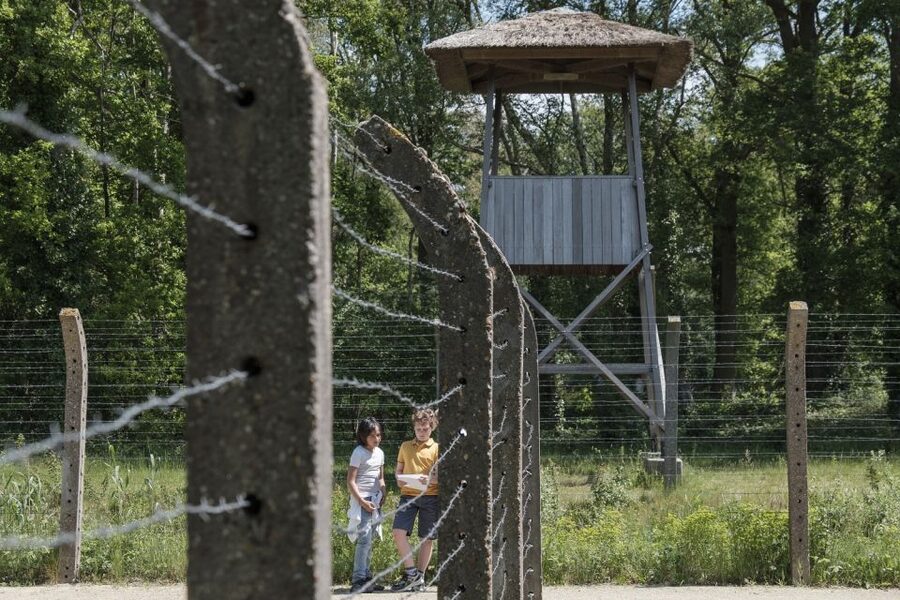
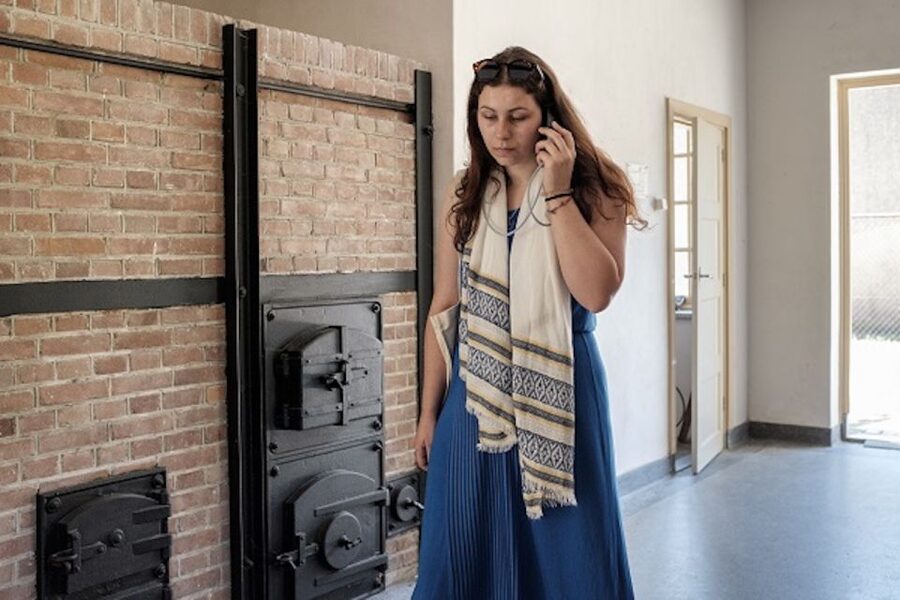
The original crematorium is among the most sobering features at Kamp Vught. It is a reminder of the camp’s system of death and destruction, and it gives the outdoor section a weight that a reconstructed display alone could not provide.
Nearby, a memorial marks the children’s transports of June 1943. This is one of the places where the camp’s history becomes especially hard to process. The reference to children brings the Nazi system down to a personal level and makes clear how families were torn apart.
You should not expect entertainment or a quick photo stop here. Give yourself time to pause. The site is best approached with respect, and the visit works better when you allow quiet moments between the displays.
An inspirational story at the end of the visit offers a different emotional note. It does not erase the suffering presented throughout the museum, but it gives you a reason to leave with reflection as well as sorrow. That final element is one of the experience’s most praised features, and it helps prevent the visit from ending only in despair.
If Walls Could Speak shows the site’s later chapters
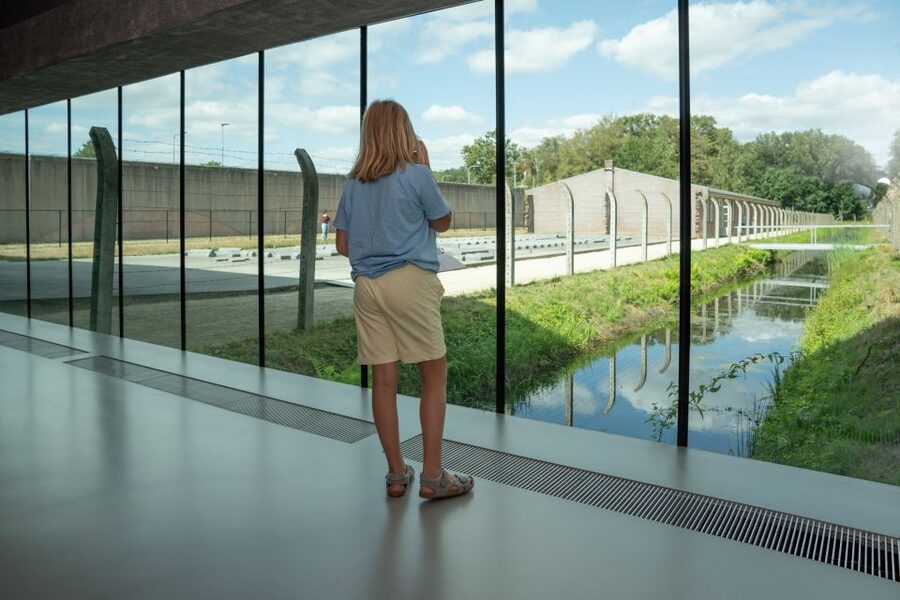
The exhibition If Walls Could Speak adds an important layer by showing what happened to the site after the concentration camp period.
It covers four periods:
- The concentration camp from 1943 to 1944
- The use of the site as a residence for German civilian evacuees
- The use of the site for Dutch people suspected of collaboration
- The period when Moluccan KNIL soldiers and their families lived there
This broader timeline matters because the place did not stop having a story in 1944. The buildings and grounds continued to be used, and each period changed the meaning of the site.
I like this part because it prevents a narrow reading of Kamp Vught. You are not shown only the Nazi camp and then sent away. You also learn how the location was reused and remembered in later years. That makes the visit more complicated, but also more honest.
The exhibition may be especially worthwhile if you already know the basic wartime story and want to understand the site’s later history. For a first-time visitor with limited time, I would still begin with the permanent exhibition before moving here.
Walk the former railway line to the execution site
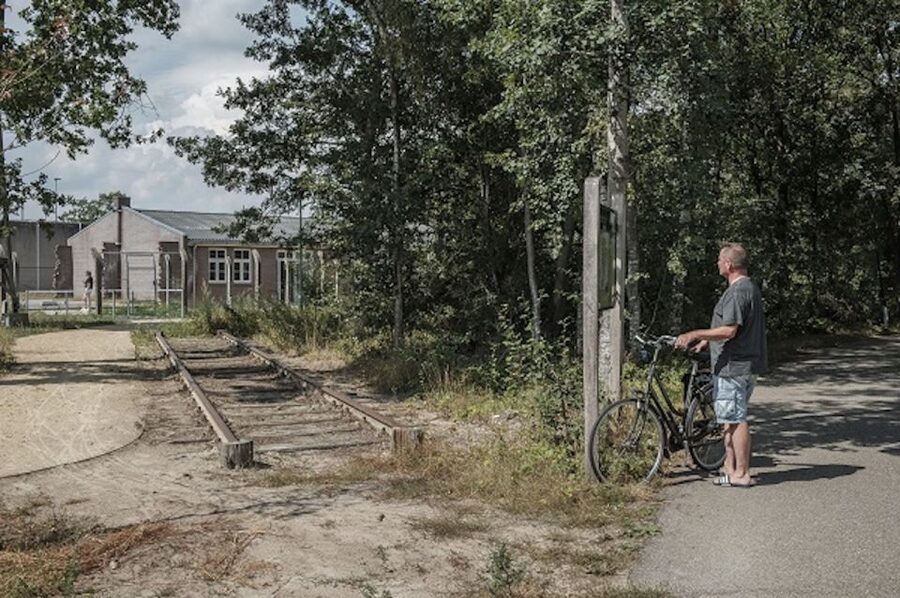
The former execution site is within walking distance of the museum, in the woods. The walk is approximately 4 kilometers, so treat it as a separate part of your visit rather than a tiny add-on.
The monument marks the actual location where 329 men were executed. Its setting away from the main museum can make the stop feel more isolated and reflective. At the same time, the distance means you need to consider your energy, the weather, and your footwear before setting out.
Along the access road to the museum, you can see two restored freight wagons. They follow the line of the camp’s former railway and recall the role of deportation during the Second World War. Freight wagons became a worldwide symbol of persecution and forced transport, so these are more than pieces of railway equipment.
I would visit the execution site only after seeing the indoor displays and main outdoor area. The museum gives you the information you need to understand the monument. If you are short on time or cannot manage the 4-kilometer route, the museum and central grounds still provide a substantial visit.
What the $14 ticket gives you
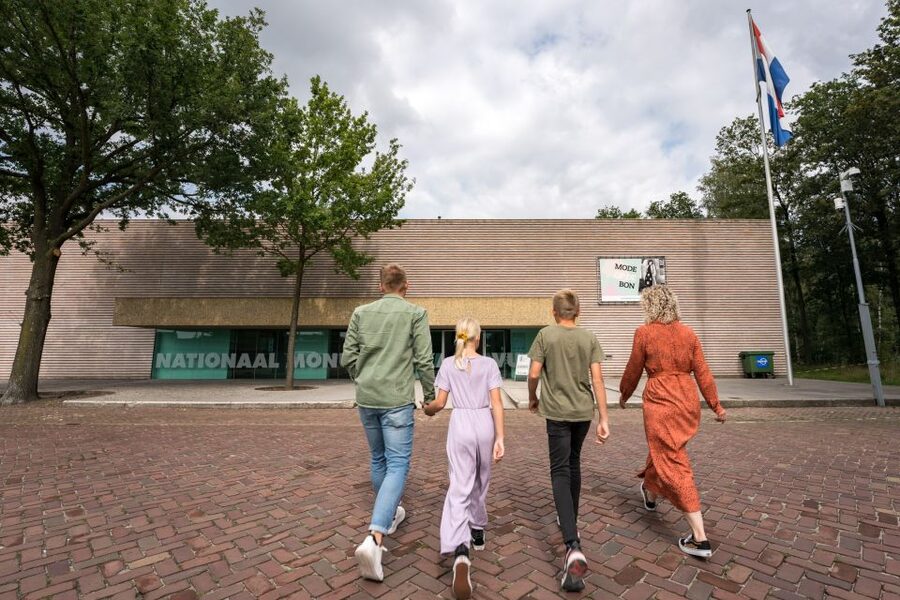
At $14 per person, this is a strong-value admission ticket for a full day. You receive entry to the memorial centre, the permanent exhibition, outdoor displays, the camp model, watch towers, crematorium, children’s transport memorial, and access to the exhibitions connected with the site.
The ticket also includes the multilingual audio guide. Since no guided tour is included, that guide is an important part of the value. It gives you structure without adding a second fee.
The price looks especially reasonable if you plan to spend several hours here. It is less compelling if you only want a quick look at a few buildings, because the strongest parts of the experience require time and attention.
You can reserve now and pay later, which helps if your schedule is still changing. Cancellation is free up to 24 hours in advance for a full refund. On National Memorial Day, May 4, the museum offers free entrance, so that date may be worth considering if it fits your plans. The museum also lists free entrance on December 8, 2024, though you should check the current date before relying on that offer.
Opening hours, access, and practical comfort
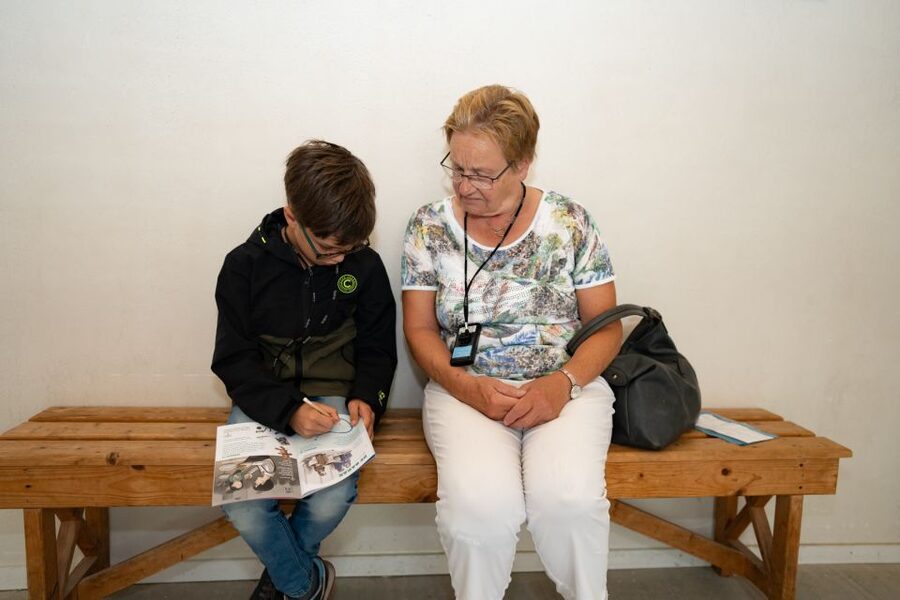
The published opening hours are Monday through Friday from 10 a.m. to 5 p.m., and Saturday and Sunday from noon to 5 p.m. The museum is closed on December 25 and December 31.
The shorter weekend hours matter. If you visit on a Saturday or Sunday, arrive near opening time if you want to see the indoor exhibitions, outdoor grounds, Barrack 1B, and the execution site without rushing.
The site is wheelchair accessible. One wheelchair is available to borrow at the memorial and another at Barrack 1B. People accompanying wheelchair users can receive free entry, as can people accompanying visitors with visual impairments.
Free lockers are available, and umbrellas can be borrowed. Compact portable chairs are provided for anyone who needs rest during the walk. These are small details, but they can change the visit from tiring to manageable.
Wear comfortable clothes and weather-appropriate layers. The outdoor route is part of the experience, not an optional view from the museum doorway. Even if you plan to skip the execution site, you will spend time outside among the towers, barracks, memorials, and railway wagons.
Who should visit Kamp Vught?
I recommend Kamp Vught to adults and older teenagers interested in the Second World War, the Nazi occupation of the Netherlands, and memorial museums that focus on individual lives.
It suits you especially well if you:
- Want more than a military overview of the war
- Prefer independent visits with an audio guide
- Have several hours for indoor and outdoor displays
- Are comfortable with serious and upsetting subject matter
- Want to see original camp remains as well as reconstructed buildings
- Can manage a 4-kilometer walk to the execution site
It may not suit young children, casual sightseeing schedules, or anyone hoping for a light historical attraction. Children under 10 are specifically not considered suitable, and the material calls for maturity from older children as well.
The 4.6 rating from 137 reviews supports the sense that this is a well-regarded and respectful experience. One verified review described it as inspirational at the end, respectful overall, and worth visiting. That matches the strongest feature here: the museum treats the subject with seriousness while still giving you a human point of connection.
Should you book this ticket?
Book it if you want a carefully presented memorial visit with original remains, personal stories, and enough outdoor material to fill much of a day. The $14 price is fair, the audio guide is included, and the free cancellation policy gives you some flexibility.
I would not book it as a quick stop between unrelated attractions. Kamp Vught needs time, quiet, and a willingness to face difficult history. If you can give it that attention, it offers a respectful way to understand both the concentration camp and the wider experience of occupation in the Netherlands.
FAQ
Where is Kamp Vught located?
Kamp Vught is located in North Brabant in the Netherlands.
What was Kamp Vught called during the Second World War?
The camp was called Konzentrationslager Herzogenbusch. It is also commonly known as Kamp Vught.
How much does admission cost?
The entry ticket costs $14 per person.
How long is the ticket valid?
The ticket is valid for one day.
Is a guided tour included?
No. A guided tour is not included, but an audio guide is included in English, Dutch, German, and French.
How long is the walk to the execution site?
The walking route to the former execution site is approximately 4 kilometers.
Is Kamp Vught suitable for children?
The experience is not considered suitable for children under 10 years old.
Is the memorial wheelchair accessible?
Yes. Camp Vught National Memorial is wheelchair accessible. One wheelchair can be borrowed at the memorial and another at Barrack 1B. Portable museum chairs are also available.
Can I cancel my booking?
Yes. You can cancel up to 24 hours in advance for a full refund. You can also reserve now and pay later.
Just added around the Netherlands
- Discover Alkmaar with a self-guided Outside Escape city game tour★ 4.5 · 17 reviews
- Amsterdam 1-Hour Rickshaw Tour★ 4.9 · 17 reviews
- 3 hour boarding ticket Summer sailing from Wemeldinge (Zeeland)★ 5.0 · 17 reviews
- Texel: Electric Fatbike Rental with Map★ 4.8 · 17 reviews
- Amsterdam: Canal Cruise and Jewish Cultural Quarter Tickets★ 4.2 · 17 reviews
- Keukenhof Gardens and Tulip Experience Tour from Amsterdam★ 4.8 · 17 reviews
- Amsterdam: Windmills E-Bike Tour to Zaanse Schans★ 5.0 · 18 reviews
- Volendam: 2.5-Hour Cheesemaking Workshop & Clog Making Tour★ 4.5 · 17 reviews
Tickets, compared.



Keukenhof Ticket and Roundtrip Shuttle Transfer
Read our review →
Moco Museum Amsterdam Entrance Tickets with Banksy & More
Read our review →