REVIEW · AMSTERDAM TOURS
Amsterdam: Architektur Er-fahren
Amsterdam makes architecture a moving story. This 2.5-hour German-language bike tour links historic canal houses, old warehouses, houseboats, and bold new projects along the IJ. I like the way it explains how water and soft ground shape the city, and I also like the small group, limited to 10 people.
The route offers more than pretty facades. You’ll hear about housing, land shortages, social needs, and the push to build luxury homes beside affordable ones. The main consideration is practical: you must bring a safe, working bicycle, and the tour runs rain or shine.
In This Review
- Key points at a glance
- Starting at Beursplein and the Damrak
- Along the IJ, where Amsterdam opens up
- Historic canals and warehouses
- Houseboats and life on the water
- The Western Islands and the industrial side
- Modern projects and new answers to old problems
- What the guide adds to the ride
- Cycling conditions and what to bring
- How the price compares with the experience
- Who will enjoy this German-language tour
- A useful first activity in Amsterdam
- Should you book Amsterdam: Architektur Er-fahren?
- FAQ
- How long does the Amsterdam architecture bike tour last?
- What language is the tour conducted in?
- Where does the tour start?
- How do I identify the guide?
- Is bicycle hire included in the price?
- What areas does the route cover?
- Does the tour operate in bad weather?
- Can someone who cannot ride a bike join?
Key points at a glance
- Starts at Beursplein on the Damrak: Meet near the center, then cycle toward Amsterdam Central and the IJ.
- Architecture with a real purpose: Learn how water, weak ground, population growth, and housing pressure affect Amsterdam’s buildings.
- Old and new share the same route: Historic canals and warehouses meet industrial structures and modern design.
- The Western Islands add variety: See a less postcard-perfect side of Amsterdam, with former industrial areas and waterside buildings.
- German-language small group: The group is limited to 10 participants, giving the guide room for questions and conversation.
- Budget for the bicycle: The $46 tour price includes the guide but not bike hire, which usually costs about €5 to €25.
Starting at Beursplein and the Damrak
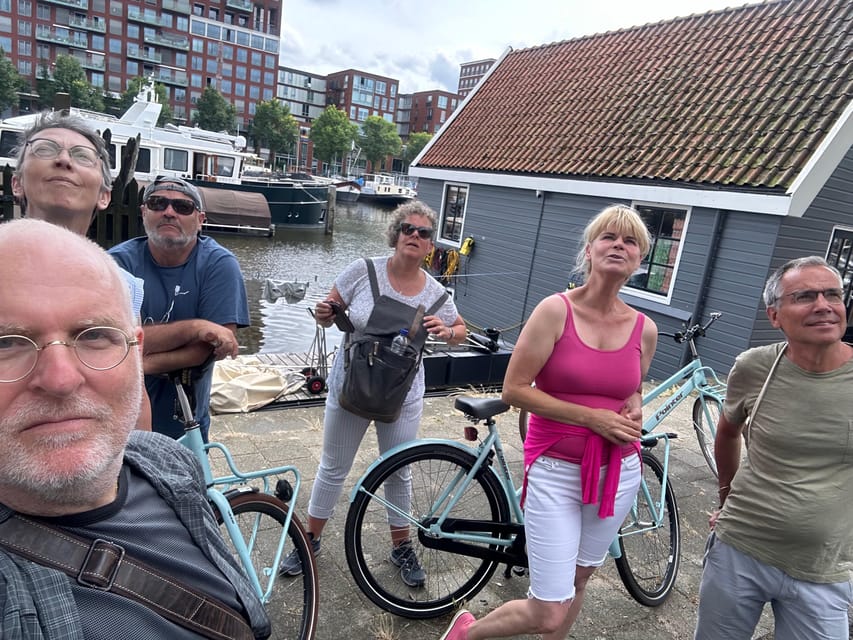
The tour begins at Beursplein, beside the Damrak, one of Amsterdam’s busiest central streets. Look for the guide wearing a black and white striped band around the neck. That small marker matters in a crowded center where cyclists, pedestrians, trams, and tour groups all compete for space.
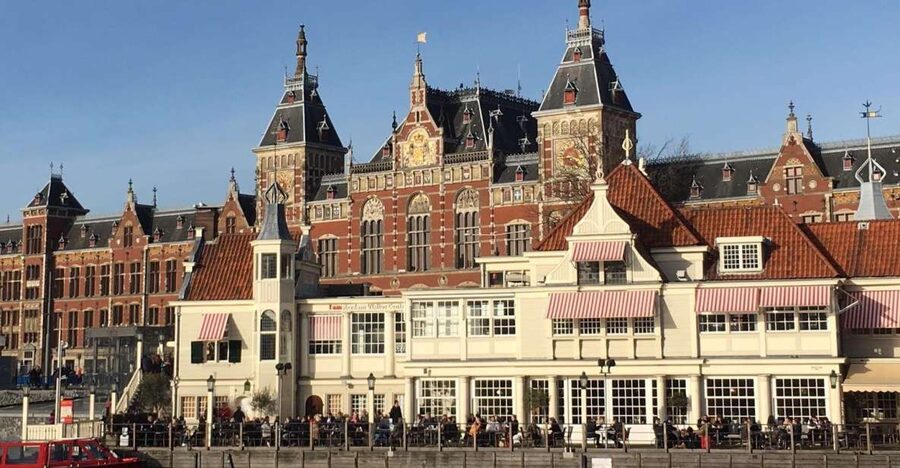
From here, you’ll set off toward Amsterdam Central Station and the IJ. The first part helps you see Amsterdam as a working city rather than a collection of postcard views. Water is not simply scenery here. It has shaped transport, trade, housing, and the city’s basic form.
You’ll need to be comfortable cycling in central Amsterdam. The tour is not suitable for anyone who cannot ride a bike, and you are responsible for bringing your own roadworthy bicycle. If you are hiring one, allow enough time to collect it before the meeting time and check the brakes, tires, lights, and saddle.
A few more trips of this kind worth comparing:
- Amsterdam: Van Gogh Museum Ticket
★ 4.7 · 52,054 reviews - Amsterdam Classic Saloon Boat Cruise with Drinks and Cheese
★ 5.0 · 31,825 reviews - Amsterdam Luxury Canal Cruise + Unlimited Drinks & Bites option
★ 5.0 · 30,518 reviews
Along the IJ, where Amsterdam opens up
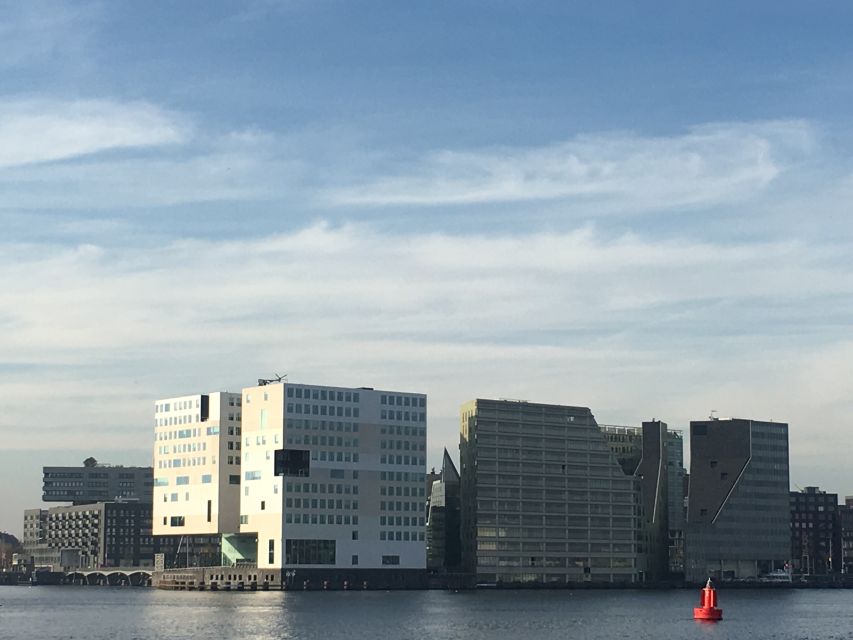
The route follows the water toward the IJ, where the views become wider and the architecture less tightly packed. Amsterdam’s central canals can feel intimate and almost theatrical. Along the IJ, the city has more room to show its industrial past and its newer building projects.
This is one of the strongest parts of the experience for anyone curious about city planning. You’ll see how Amsterdam has had to keep building despite difficult ground conditions and limited space. The city’s relationship with water is practical, sometimes awkward, and always important.
The tour also considers the pressure created by a growing population. New buildings are not just design statements. They must answer questions about who gets to live in the city, how much housing costs, and how social housing can exist alongside more expensive homes.
That makes the route useful even if you know little about architecture. Instead of asking you to admire a building simply because it looks unusual, the guide connects its shape and location to everyday problems. Why is it built here? What does it solve? Who is it meant for? Those are better questions than simply asking if a building is attractive.
Historic canals and warehouses
The historic canal areas bring Amsterdam’s familiar architecture into the discussion. Narrow canal houses and old warehouses reveal how trade and limited plots influenced the city’s traditional buildings.
You’ll see the contrast between picturesque streets and the practical structures that supported Amsterdam’s commercial life. The old buildings are attractive, but they were also workplaces, storage areas, and homes shaped by a busy port city.
The guide adds a historical overview, so the architecture does not feel detached from the city’s past. This is useful because Amsterdam’s older buildings can look simple at first glance. Their proportions, narrow fronts, position beside the water, and changing functions all tell part of the story.
I would not choose this tour only to collect famous buildings. It is better suited to you if you want to understand patterns. You’ll learn to look at other buildings during the rest of your stay and carry those ideas with you. That was one of the most useful results of the experience: the design discussion can help you interpret buildings you encounter later, even outside the official route.
Houseboats and life on the water
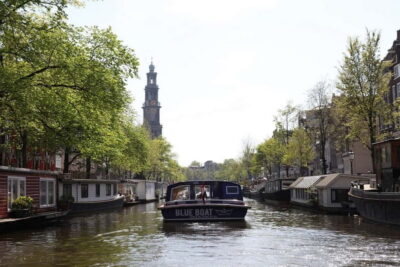
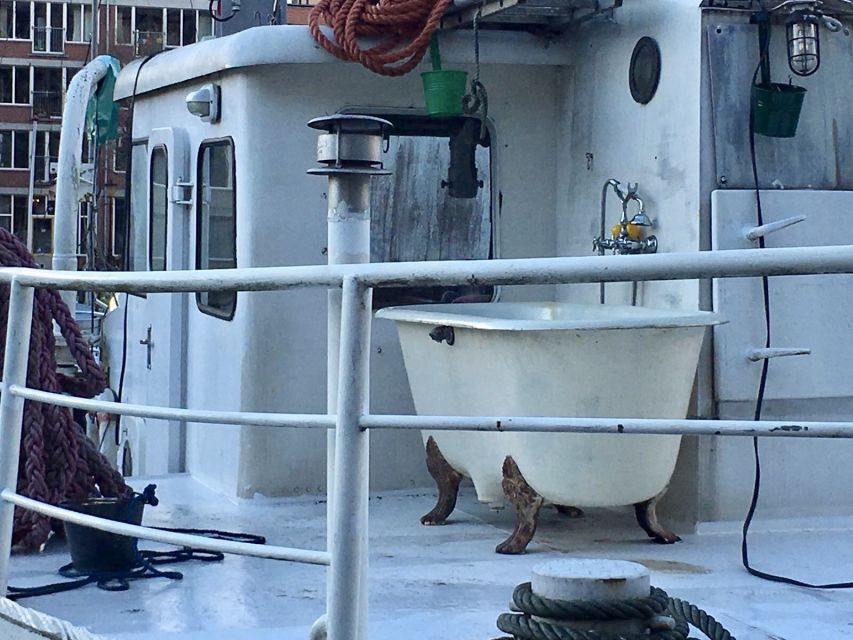
Houseboats add a more personal note to the architectural theme. They show how Amsterdam residents have adapted domestic life to the water instead of treating canals as decoration.
You’ll see these homes in the context of the city’s wider housing problem. Every available space matters, and the water has become part of the residential fabric. Houseboats are not simply a quirky photo opportunity. They raise practical questions about limited land, changing neighborhoods, and what counts as a home in a city built around canals.
The tour does not present Amsterdam as perfectly planned. That is part of its appeal. Historic buildings, working areas, houseboats, and modern developments have to share a city with difficult soil and rising demand. The result can be visually uneven, but it is often more honest and interesting than a perfectly polished district.
A completely different kind of day out in Amsterdam:
- Amsterdam: Heineken Experience Ticket
★ 4.6 · 30,055 reviews - Amsterdam: Rijksmuseum Entry Ticket
★ 4.7 · 25,535 reviews - Amsterdam: Classic Boat Cruise with Optional Cheese & Wine
★ 4.6 · 22,925 reviews - Amsterdam: Evening Cruise with Optional Wine and Snacks
★ 4.4 · 19,696 reviews
The Western Islands and the industrial side
The Amsterdam Western Islands provide a change of mood. This part of the route brings out the contrast between industrial architecture and the more picturesque canal districts.
You may find the older industrial structures less immediately charming than the canal houses, but that is exactly why they deserve attention. They show how the city worked, moved goods, and used its waterside position. Their scale and materials offer a different kind of beauty, one based more on function than ornament.
The route also gives you a chance to see how former industrial areas can be reused or placed beside newer buildings. The key point is not that old architecture is always better or that modern architecture is always smarter. Amsterdam’s challenge is finding useful new purposes while keeping links to its working past.
For me, this is where the tour’s title makes sense. You are not merely riding past architecture. You are learning through movement, seeing how one type of building gives way to another. The bicycle lets you cover enough ground to compare districts within a single outing.
Modern projects and new answers to old problems
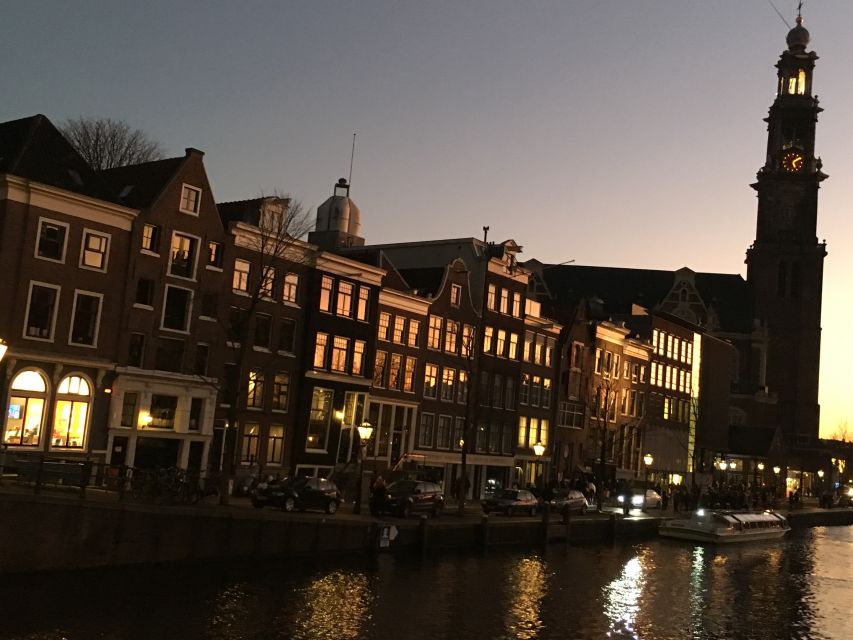
The modern architecture portion focuses on innovation in function and design. Expect discussion of newer projects and award-winning development rather than a parade of famous names. Specific building names are not provided, so you should think of this as a guided architectural route rather than a fixed list of landmark stops.
The most valuable theme is adaptation. Modern projects have to respond to limited land, water, soft soil, population growth, and different housing needs. Some solutions may be visually striking, while others may be more important for the way they organize space or serve residents.
You’ll also consider the difficult balance between social housing and luxury housing. That subject gives the tour a useful edge. Architecture is not only about style. It affects rents, access, density, daily life, and the future shape of Amsterdam.
The guide explains these ideas in German and adds amusing stories about life and history in the city. The tone appears to be lively rather than academic. A particularly enthusiastic guide can make a technical subject much easier to follow, and the experience has been praised for combining useful information with plenty of laughter.
What the guide adds to the ride
A good architecture tour needs more than buildings. It needs someone who can explain why the buildings matter. Here, the guide connects design with Dutch attitudes toward water, housing, urban growth, and the practical side of living in Amsterdam.
You’ll get a historical outline as well as modern architecture. That combination is important. Without the past, new buildings can seem random. Without the present, old canal houses become little more than attractive scenery.
The guide also provides amusing details and general tips for the rest of your stay. Those suggestions are a welcome bonus because they make the outing useful beyond its subject. You may finish with a better sense of how to read Amsterdam’s streets and with ideas for what to notice during later walks or rides.
The group size helps. With no more than 10 participants, the guide can speak to the group rather than address a large crowd. You should have a better chance to ask questions, although the amount of personal attention will depend on the guide and the group itself.
Cycling conditions and what to bring
You need your own bicycle for this activity. Bike hire is not included in the $46 price, and local rental costs usually range from about €5 to €25. That makes the real cost vary quite a bit depending on the type of bicycle you choose and how long you keep it.
Bring comfortable clothes, comfortable shoes, water, and clothing suited to the weather. Amsterdam’s weather can change quickly, and the tour operates rain or shine. A waterproof outer layer is sensible, but the most important point is to avoid arriving in clothing that restricts movement or footwear that is awkward on a bicycle.
Check that your bicycle is functional and roadworthy before setting off. This is not a walking tour with optional cycling. You will be riding through the city, so you need to feel confident controlling the bike and following the guide.
Intoxication, alcohol, and drugs are not allowed. That is both a safety rule and a basic requirement for cycling in an active city environment.
How the price compares with the experience
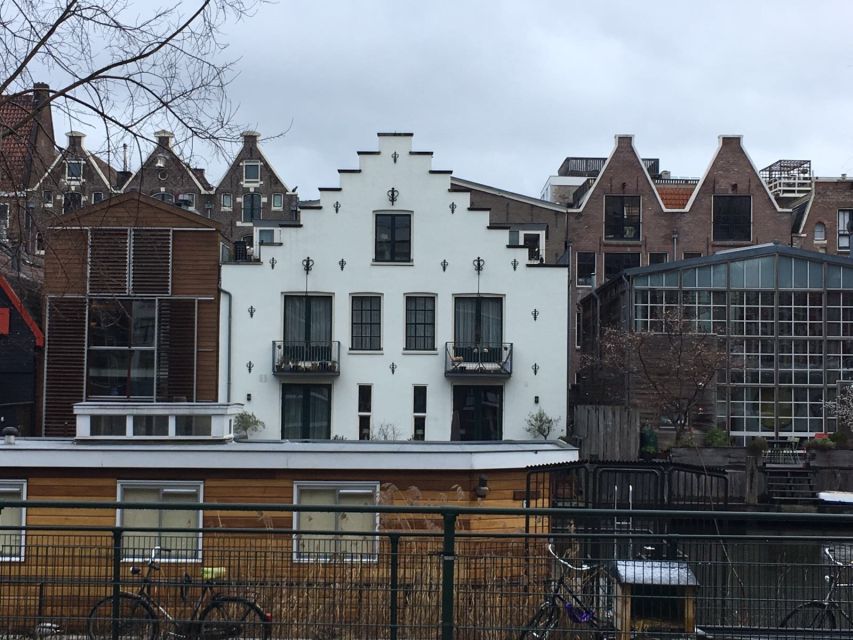
At $46 per person, the tour is reasonably priced if you already have access to a bicycle. You are paying for a small German-speaking group, a guide, a structured route, and explanations that connect Amsterdam’s buildings to larger urban issues.
The value is strongest for you if architecture is a genuine interest or if you like tours that explain how a city works. A casual cyclist who only wants a pleasant ride may find the price less compelling, especially after adding bike hire.
The bicycle rental cost is the main budget detail to watch. At the low end, a €5 rental keeps the total manageable. At the high end, a €25 rental changes the calculation. Check your bike options before booking so the final amount does not surprise you.
Food and drinks are not included. Plan to eat before or after the tour, or bring water for the ride. The meeting point is central, so you should have plenty of options nearby, but the tour itself is focused on cycling and commentary rather than stops for refreshments.
Who will enjoy this German-language tour
This experience is a good match for you if:
- You speak German and want a tour conducted in that language.
- You want to understand Amsterdam’s architecture instead of only photographing it.
- You are comfortable riding a bicycle in an urban setting.
- You enjoy comparing industrial, historic, picturesque, and modern districts.
- You want a small group rather than a large organized outing.
- You are interested in housing, water management, city growth, and design.
It is less suitable if you cannot ride, dislike cycling in city traffic, or want a relaxed walking tour with frequent food and drink stops. It also may not suit you if you expect a tour centered only on famous landmarks.
The 2.5-hour duration is long enough to cover several parts of the city without taking over your entire day. You’ll still need energy for cycling, though. Comfortable clothing and a reliable bike make a real difference.
A useful first activity in Amsterdam
This tour works particularly well near the beginning of a stay. The historical outline and practical tips can help you understand what you see afterward. Once you have heard how the canals, land conditions, housing needs, and industrial areas fit together, other parts of Amsterdam may make more sense.
It is also a good choice if you have already seen the central canal belt and want a different angle. The route moves toward the IJ and the Western Islands, where the city feels less like a collection of famous views and more like a place still being adapted and rebuilt.
The ride does not promise perfect weather or polished scenery at every moment. That is worth remembering. Some sections may feel more functional than beautiful, but those areas are central to the story the tour is trying to tell.
Should you book Amsterdam: Architektur Er-fahren?
Book it if you want a German-language architecture tour with real urban context, and if you are happy to supply your own bicycle. The strongest parts are the contrast between historic and modern buildings, the focus on water and housing, the Western Islands route, and the small group size.
Skip it if cycling is difficult for you, if rain would ruin your day, or if you want a simple sightseeing ride with little commentary. For everyone else, $46 is a fair price for a focused 2.5-hour introduction to the way Amsterdam’s architecture responds to land, water, work, and home life.
The free cancellation option up to 24 hours before the start and reserve-now, pay-later booking also make it easier to fit the tour into a changeable schedule. Just confirm your bike first, dress for the forecast, and arrive at Beursplein looking for the black and white striped band.
FAQ
How long does the Amsterdam architecture bike tour last?
The tour lasts 2.5 hours.
What language is the tour conducted in?
The live guided tour is conducted in German.
Where does the tour start?
The meeting point is at Beursplein on the Damrak.
How do I identify the guide?
Look for a guide wearing a black and white striped band around their neck.
Is bicycle hire included in the price?
No. You must provide your own bicycle or rent one separately. Bike hire usually costs about €5 to €25.
What areas does the route cover?
The route heads toward Amsterdam Central and the IJ, follows the water, includes views of houseboats, and explores the Amsterdam Western Islands before returning to the starting point.
Does the tour operate in bad weather?
Yes. The tour takes place rain or shine, so you should wear weather-appropriate clothing.
Can someone who cannot ride a bike join?
No. The experience is not suitable for people who cannot ride a bicycle. You must bring a functional and roadworthy bike.
Just added around Amsterdam
- Amsterdam 1-Hour Rickshaw Tour★ 4.9 · 17 reviews
- Amsterdam: Canal Cruise and Jewish Cultural Quarter Tickets★ 4.2 · 17 reviews
- Keukenhof Gardens and Tulip Experience Tour from Amsterdam★ 4.8 · 17 reviews
- Marken, Volendam and Edam: Private Full-Day Tour★ 4.6 · 18 reviews
- Discover Amsterdam’s city center in this Outside Escape game tour★ 4.5 · 18 reviews
- Amsterdam: Personal Travel & Vacation Photographer★ 4.8 · 18 reviews
- Amsterdam: Luxury Saloon Boat Cruise with 3-Course Dinner★ 3.9 · 18 reviews
- Rijksmuseum & Amsterdam City Center Semi-Private Tour 12ppl Max★ 5.0 · 18 reviews
Amsterdam Tours, compared.

Amsterdam Classic Saloon Boat Cruise with Drinks and Cheese
Read our review →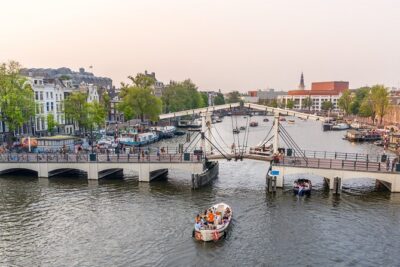
Amsterdam Luxury Canal Cruise + Unlimited Drinks & Bites option
Read our review →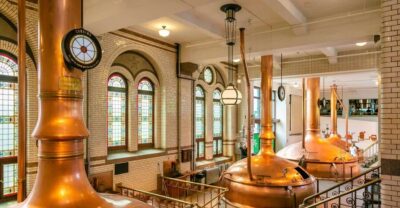
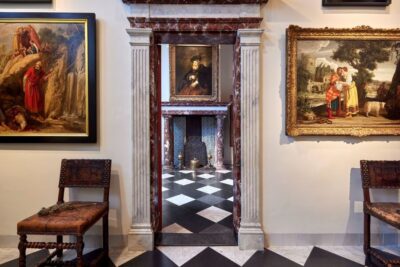
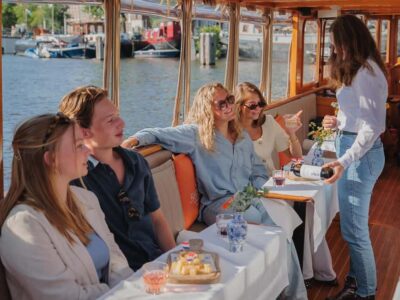
Classic Boat Cruise with Optional Cheese & Wine
Read our review →
Evening Cruise with Optional Wine and Snacks
Read our review →