
REVIEW · CHEESE
Amsterdam: Make your cheese next to De Hallen
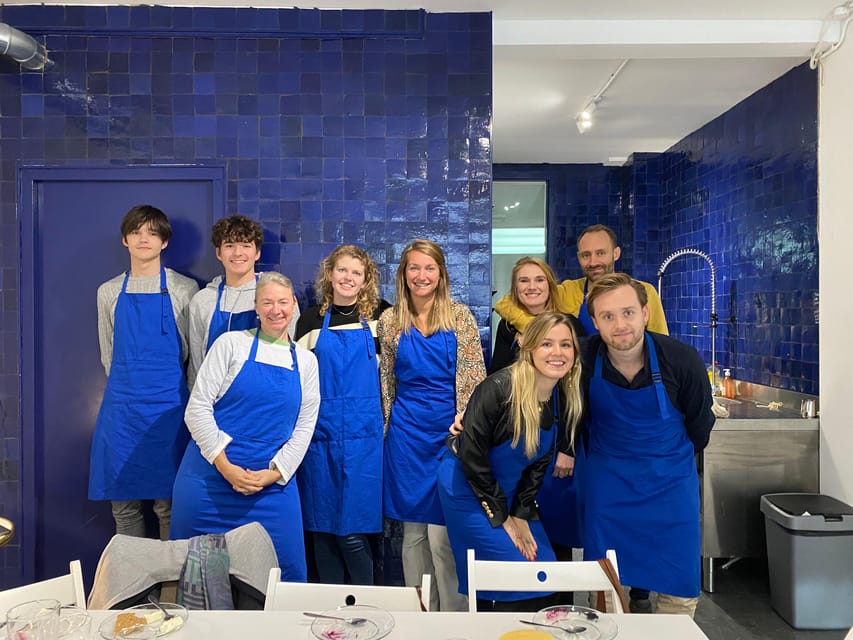
Cheese begins with humble milk. This three-hour workshop at De Kaasserie, near Amsterdam’s De Hallen, turns two supermarket cartons into two fresh cheeses while showing you the basic science behind the craft. I like the small group of 10 and the chance to take home your cheeses, cheese cloth, rennet, calcium, and recipes.
I also like that the workshop goes beyond a quick demonstration: you make one acid-coagulated cheese and one rennet-coagulated cheese, then try herbs and spices. The main consideration is the $135 price, which is a serious spend for three hours and two fresh cheeses. It makes the most sense if you value hands-on learning and plan to keep making cheese at home.
In This Review
- Key points at a glance
- Starting at De Kaasserie near De Hallen
- Learning the two ways milk becomes cheese
- Making two cheeses from supermarket milk
- The tasting of fresh and pressed cheeses
- What Paula brings to the session
- The value of the $135 price
- Who will enjoy this workshop most
- Planning your three hours near De Hallen
- What you take home
- Should you book this cheese-making experience?
- FAQ
- Where does the cheese-making workshop meet?
- How long does the experience last?
- What languages are available?
- How many people are in the group?
- What kinds of cheese will I make?
- What do I take home?
- Is the workshop suitable for children or people with lactose intolerance?
Key points at a glance
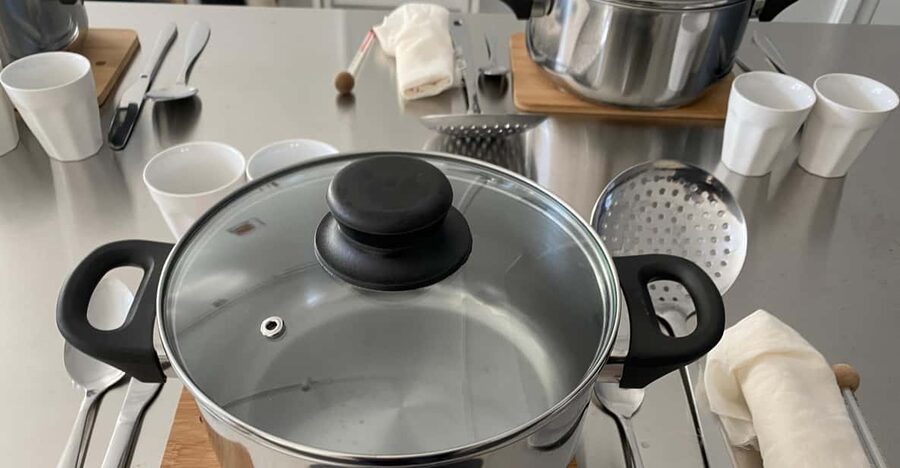
- Two cartons, two methods: You use one liter of supermarket milk for an acid-coagulated cheese and another liter for a rennet-coagulated cheese.
- A useful first step toward aged cheese: Rennet is the method used for aged cheese, so this workshop gives you a basic starting point for more involved recipes.
- A personal, small-group format: No more than 10 people take part, with an introduction and brief introductions from the group.
- Paula gets warm praise: Her clear, friendly teaching helped make the session both easy to follow and fun.
- You leave with practical supplies: Your two cheeses, a cheese cloth, rennet, calcium, and emailed recipes go home with you.
- A tasting finishes the session: You sample homemade fresh and pressed cheeses, giving you ideas for what you may want to make next.
Starting at De Kaasserie near De Hallen
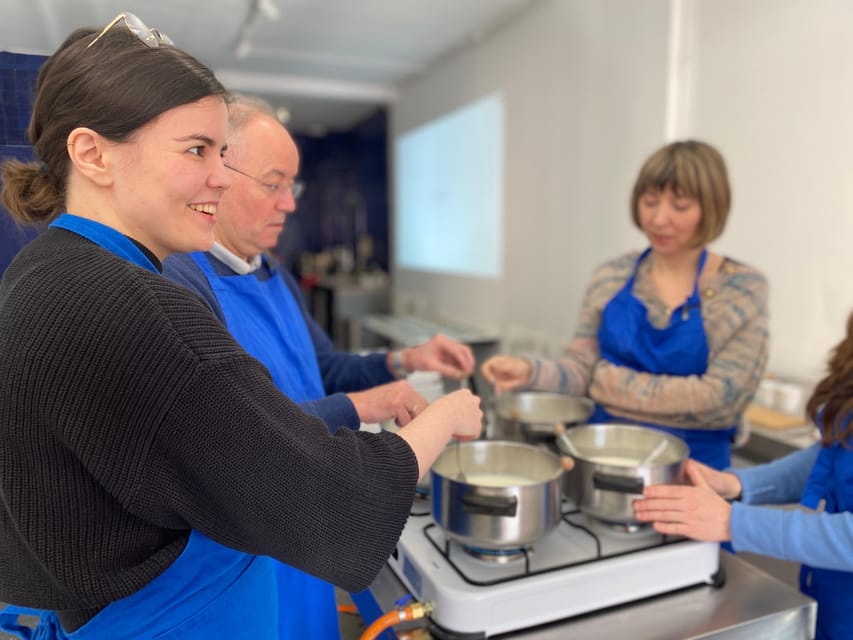
The workshop begins at De Kaasserie, with the exact meeting point depending on the option you book. Since the experience is connected with De Hallen, it fits neatly into an afternoon around one of Amsterdam’s best-known food and culture areas.
Allow time to find the meeting point before the scheduled start. The available information does not specify a full street address or transport instructions, so check your booking details carefully. That small bit of planning matters more here than it might for a large sightseeing tour. A cooking workshop cannot easily pause while someone searches for the door.
The session opens with tea and a presentation about De Kaasserie and the workshop itself. Everyone introduces themselves, which helps the group feel relaxed before the practical work begins. One participant specifically appreciated this opening format, along with the right-sized group and the clear presentation.
I like this start because it gives the cheese-making process some context. You are not simply handed a bowl and told to stir. You first learn what the workshop is trying to show: milk can be transformed in different ways, and the choice of coagulation method affects the finished cheese.
More cheese tastings:
- Amsterdam Classic Saloon Boat Cruise with Drinks and Cheese
★ 5.0 · 31,825 reviews - Amsterdam: Classic Boat Cruise with Optional Cheese & Wine
★ 4.6 · 22,925 reviews - Amsterdam: Guided Zaanse Schans, Windmills & Cheese Tour
★ 4.4 · 4,826 reviews
Learning the two ways milk becomes cheese
The central lesson covers the two basic types of milk coagulation: acid coagulation and rennet coagulation. The terms may sound technical, but the practical format makes them easier to understand.
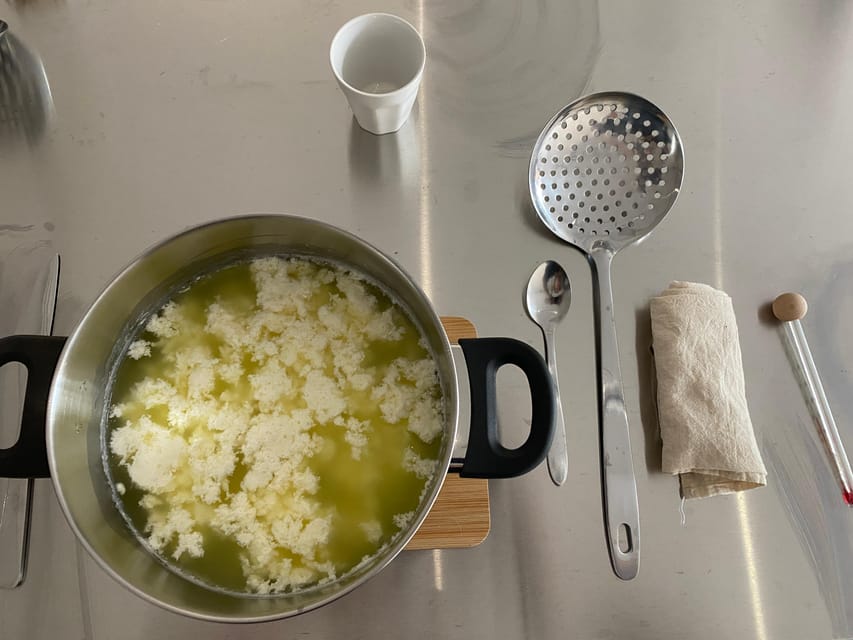
For the acid-coagulated cheese, you work with one liter of supermarket milk. Acid causes the milk proteins to gather and form curds. The result is a fresh cheese, made to be eaten relatively soon rather than stored for a long aging period.
You then use another liter of milk for a rennet-coagulated cheese. Rennet helps the milk form a firmer curd, and this is the procedure used for aged cheese. In this workshop, you make a fresh version, but the method offers a useful path toward more advanced cheese-making at home.
That distinction is one of the strongest reasons to book this experience. You are not only producing something tasty for the end of the afternoon. You are learning why different cheeses require different methods. Once you understand the rennet process with a fresh cheese, you have a starting point for recipes that take longer and require more care.
The workshop does not promise that you will leave ready to produce a mature Gouda in your kitchen. That would be too much to expect in three hours. What you get is a first working lesson, plus equipment and recipes that can help you continue.
Making two cheeses from supermarket milk
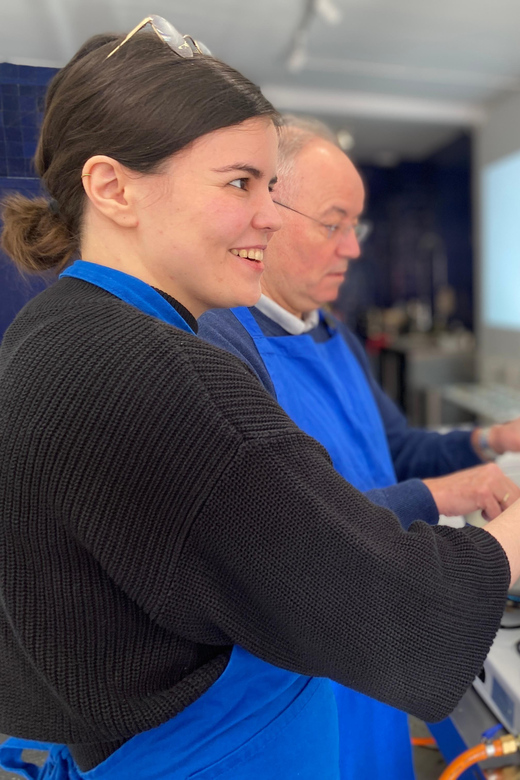
The hands-on portion uses two one-liter cartons of supermarket milk. This is a friendly approach for beginners because the ingredients are familiar and the scale is manageable. You are not handling a large vat of milk or trying to control a commercial production line.
You make both cheeses during the session, one by each coagulation method. The exact working time for each stage is not specified, so expect the instructor to guide the pace. The two cheeses are fresh varieties, which keeps the workshop practical within its three-hour schedule.
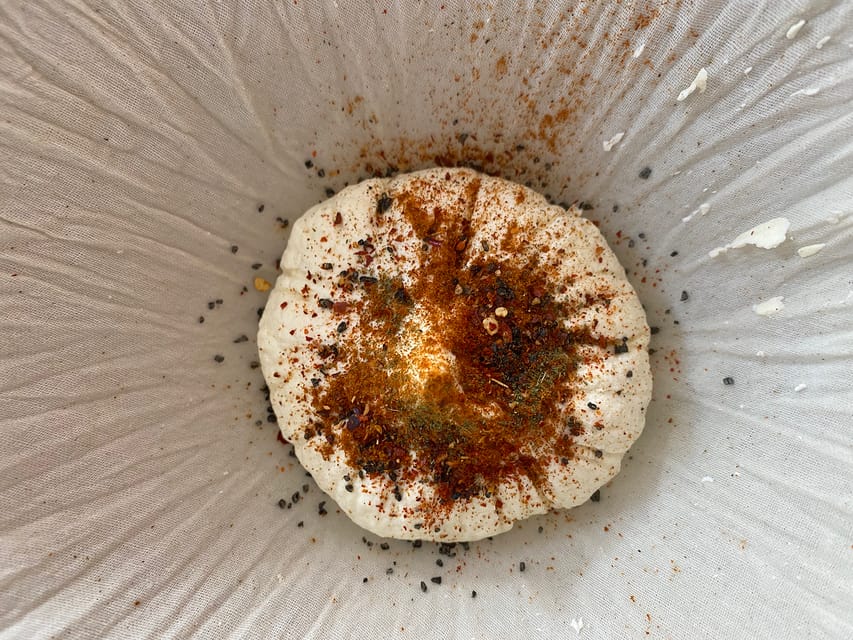
You also get to experiment with herbs and spices. This is a small detail, but it gives the work a personal touch. Plain curd teaches the process. Seasoning lets you think about the kind of cheese you actually want to eat.
I would pay close attention during this part and take mental notes about the texture at each stage. The most useful souvenir may not be the cheese itself, since fresh cheese is temporary. It is the feel of the curd, the recipe, and the understanding of what each ingredient does.
A cheese cloth is included for taking home your work. Rennet and calcium are included as well. Those supplies make the workshop more useful after your Amsterdam visit, since you do not have to begin again by finding every basic item.
The tasting of fresh and pressed cheeses
Once your two cheeses are ready, the session ends with a tasting of homemade cheeses. The tasting includes fresh and pressed varieties, allowing you to compare different textures and styles.
This part puts your own work into a wider frame. You can taste how a simple fresh cheese differs from a pressed cheese and begin to think about what aging, pressure, and handling might change. It also gives the class a pleasant finish after the more practical stages.
The tasting is homemade, not presented as a grand cheese-market spread. That is part of the appeal. The focus stays on understanding the craft rather than turning the workshop into a formal meal.
Tea with the introduction is included. Coffee and alcoholic drinks are not included, so do not expect a wine-and-cheese pairing or a full café service. If you want a larger meal or a drink, plan for that separately around De Hallen.
A few more trips of this kind worth comparing:
- Amsterdam: Van Gogh Museum Ticket
★ 4.7 · 52,054 reviews - Amsterdam Luxury Canal Cruise + Unlimited Drinks & Bites option
★ 5.0 · 30,518 reviews - Amsterdam: Heineken Experience Ticket
★ 4.6 · 30,055 reviews - Amsterdam: Rijksmuseum Entry Ticket
★ 4.7 · 25,535 reviews
What Paula brings to the session
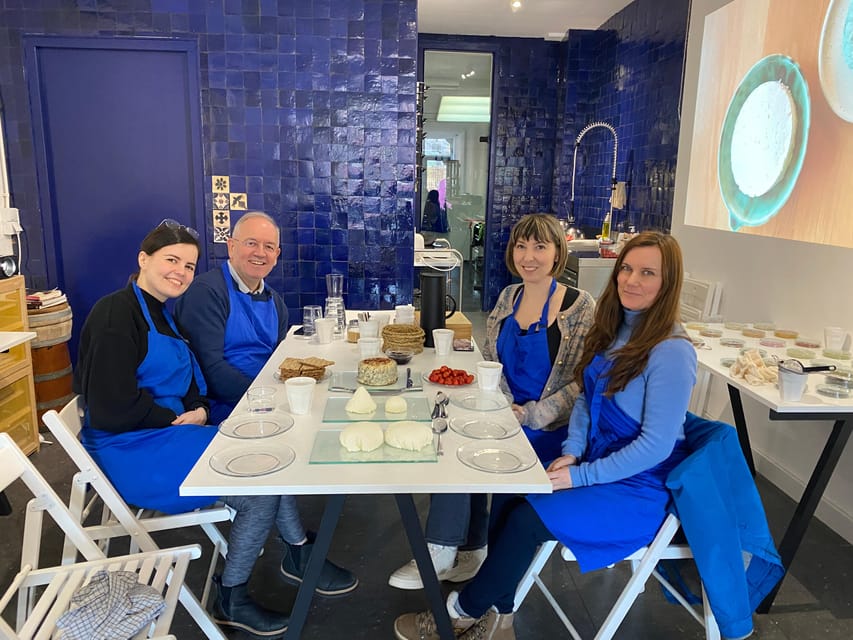
The instructor is Paula, and the available feedback gives her teaching the strongest praise. She is described as helpful, friendly, personable, and interesting. One participant particularly liked her short slide presentation, the introductions, and the way the group worked together.
That tells you something useful about the style of this class. It is not just a self-guided activity where you follow printed instructions. The instructor sets the tone, explains the process, and helps the group move through two different cheeses.
The language options are English, Spanish, French, and Dutch. If you need instruction in one of those languages, check the option available when you book. The small group limit of 10 should make it easier to ask questions than it would be in a large culinary class.
I would choose this workshop for the teaching as much as for the cheese. The equipment and ingredients have a modest value on their own. The real value comes from having someone explain the process while you try it, especially when you are handling rennet for the first time.
The value of the $135 price
At $135 per person, this is not a cheap snack stop. You should compare it with the full package rather than thinking of it as a tasting alone.
Your price covers three hours of instruction, tea, two cheese-making projects, a tasting of homemade cheeses, two cheeses to take home, a cheese cloth, rennet, calcium, and recipes sent by email. The workshop also gives you a basic method you can repeat and adapt.
That package can be worthwhile if you are curious about food crafts or expect to make cheese again. The included rennet, calcium, and recipes support future attempts, so the experience has a longer life than a standard tasting.
If you only want to sample Dutch cheese, this is probably poor value. Amsterdam has easier and less expensive ways to eat cheese. You should book this class if you want to understand how cheese is made and enjoy doing the work yourself.
The price also makes the small group important. With no more than 10 participants, the class has a more personal feel than a mass-market food activity. The feedback about the group being the right size supports that point.
Who will enjoy this workshop most
This experience suits adults and older teenagers who like learning by doing. It is for people who enjoy food, practical crafts, kitchen experiments, or the idea of making something from basic ingredients.
You do not need to be an experienced cook. The workshop is built around the basic principles of cheesemaking, and the instructor guides the process. Still, you should arrive ready to follow directions and pay attention to the stages rather than treating it as a casual tasting.
It also suits repeat visitors to Amsterdam who want an activity beyond the usual canal cruise and museum circuit. De Hallen gives you a convenient neighborhood setting, while the workshop offers a skill you can carry home.
The class is not suitable for children under 16, people over 95, or anyone with lactose intolerance. Those limits are important, especially for families planning a mixed-age day. The supplied information does not list other accessibility details, so contact the provider if you have a specific need.
The language range is another advantage for international groups. English, Spanish, French, and Dutch are available, though the exact option should be confirmed at booking.
Planning your three hours near De Hallen
The duration is three hours, with starting times based on availability. That is long enough for a proper introduction, two cheese-making methods, seasoning experiments, and the final tasting.
I would avoid placing a major timed attraction immediately afterward. The class has several stages, and the schedule may depend on how quickly the group works. Give yourself breathing room before dinner or another booking.
The meeting point can vary depending on the option selected. Read the confirmation instead of assuming every session begins at the same door. This is the most important practical detail to check before setting out.
Cancellation is flexible up to 24 hours before the activity for a full refund. You can also reserve and pay later, which helps if your Amsterdam plans are still shifting. Those policies reduce some of the risk of booking an experience in advance, but they do not remove the need to arrive at the correct meeting point.
What you take home
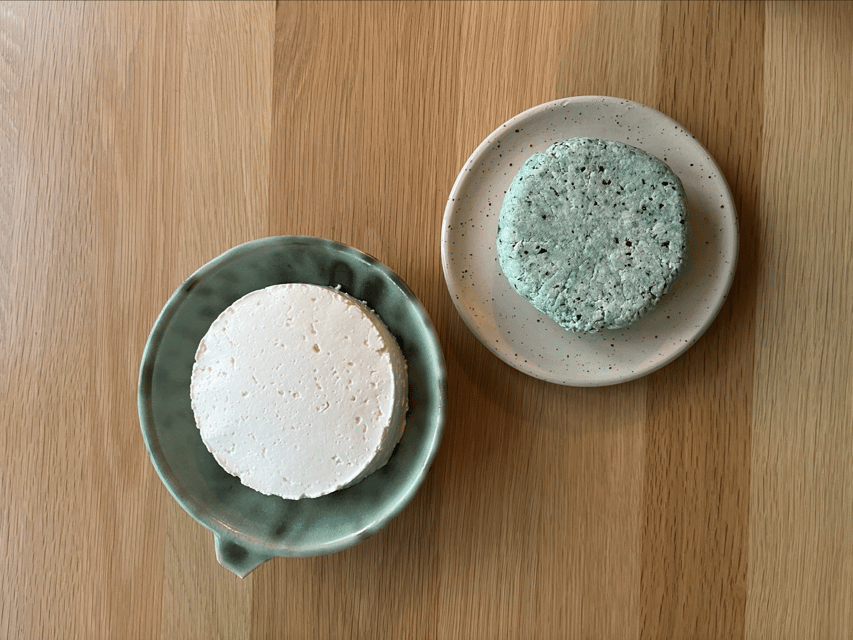
You leave with two fresh cheeses made during the workshop. Since they are fresh, treat them as short-term food souvenirs and follow any handling advice given during the class.
You also take home a cheese cloth, rennet, and calcium. These are practical additions, not decorative extras. They give you a way to repeat the process and begin experimenting with more advanced recipes.
The recipes arrive by email. Save them before leaving Amsterdam, especially if you plan to make cheese soon after returning home. The workshop is designed as an open door into further practice, and the emailed recipes are what help turn a pleasant afternoon into a continuing hobby.
I like this structure because it avoids the common problem of a craft class ending with a single object and no way to repeat it. Here, the physical supplies and instructions encourage you to keep going.
Should you book this cheese-making experience?
Book it if you want a hands-on food workshop, prefer a small class, and like the idea of learning a skill that continues after your trip. Paula’s warm teaching style, the two different coagulation methods, and the take-home supplies give the session real substance.
Skip it if you only want to taste Dutch cheese, need a low-cost activity, or cannot eat dairy. At $135, the value depends on your interest in making cheese again.
For the right person, this is a memorable Amsterdam afternoon with a useful result: you learn the basics, taste homemade cheese, and leave with the means to try it in your own kitchen.
FAQ
Where does the cheese-making workshop meet?
The meeting point is De Kaasserie near De Hallen, though it may vary depending on the option you book. Check your booking details for the exact location.
How long does the experience last?
The workshop lasts three hours. Starting times depend on availability.
What languages are available?
Instruction is available in English, Spanish, French, and Dutch.
How many people are in the group?
The group is limited to 10 participants.
What kinds of cheese will I make?
You make two fresh cheeses. One uses acid coagulation, and the other uses rennet coagulation.
What do I take home?
You take home both cheeses, a cheese cloth, rennet, calcium, and recipes sent by email.
Is the workshop suitable for children or people with lactose intolerance?
The experience is not suitable for children under 16 or people with lactose intolerance. It is also not suitable for people over 95.
Just added around Amsterdam
- Amsterdam City Center Guided Walking Tour – 12 guests 2,5h★ 5.0 · 3 reviews
- Amsterdam Light Festival Boat Cruise★ 5.0 · 3 reviews
- Daytrip Tour from Amsterdam to Zaanse Schans and Giethoorn★ 5.0 · 3 reviews
- Amsterdam: Roller Dreams & Amsterdam Nightlife Experience★ 3.7 · 3 reviews
- Amsterdam: Van Gogh Museum Entrance and Guided Tour★ 3.5 · 3 reviews
- Amsterdam: Red light tour in German/English for groups of 4 people or more★ 5.0 · 3 reviews
- 2 Hour Making Rembrandt’s Traditional Oil Paints in Amsterdam★ 5.0 · 3 reviews
- Amsterdam Red Light District and Old Town Walking Tour★ 5.0 · 3 reviews
Cheese, compared.
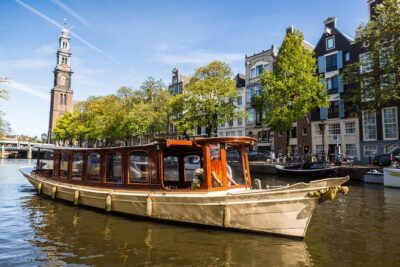
Amsterdam Classic Saloon Boat Cruise with Drinks and Cheese
Read our review →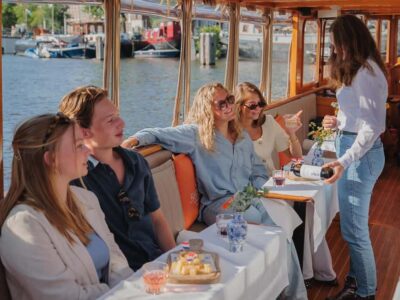
Classic Boat Cruise with Optional Cheese & Wine
Read our review →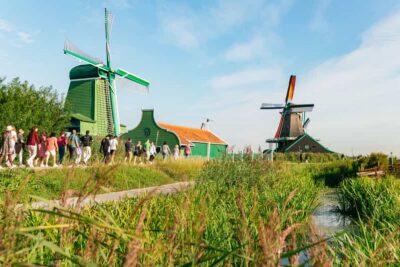
Guided Zaanse Schans, Windmills & Cheese Tour
Read our review →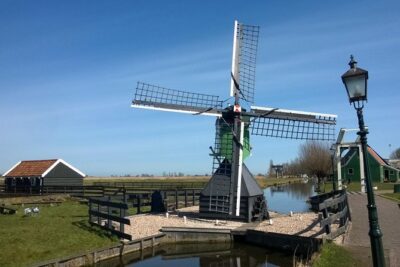
Zaanse Schans Windmills, Clogs and Dutch Cheese Small-Group Tour from Amsterdam
Read our review →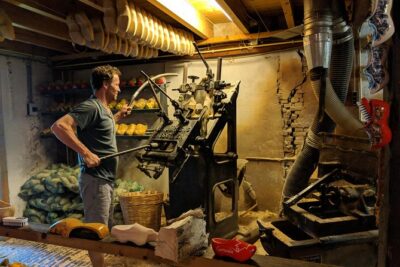
Countryside Bike Tour from Amsterdam: Cheese, Clogs & a Windmill
Read our review →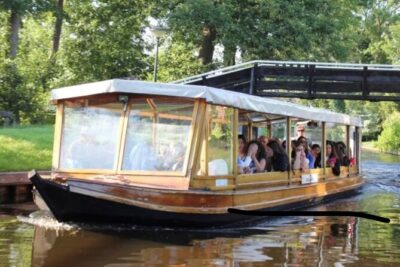
Giethoorn Tour Scenic Cruise, Cheese & Free Time
Read our review →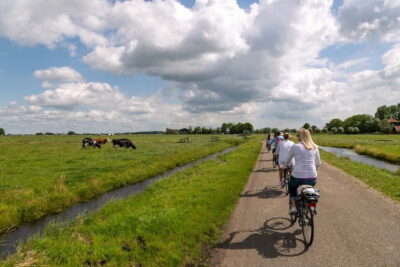
Windmill, Cheese, and Countryside E-Bike Tour
Read our review →
Premium Henri Willig Cheese Tasting Experience
Read our review →Browse the lists this tour appears in