
REVIEW · RIJKSMUSEUM TICKETS
Amsterdam: Rijksmuseum Guided Tour and Ticket
Art rewards a closer look. This two-hour Rijksmuseum tour gives you a clear route through Dutch Golden Age painting, with The Night Watch, Rembrandt portraits, Vermeer, Jan Steen, and much more. I like the expert storytelling and the chance to keep exploring with your ticket after the tour. I also like that guides such as Martina, Claire, and Kawika have earned praise for making fine points easy to grasp.
The main drawback is time. Two hours is enough for a strong introduction, not enough for all 8,000 works. You must also arrive on time, since Rijksmuseum time slots are strict and late arrivals cannot join once the ticket has expired.
In This Review
- Key points at a glance
- Meeting at Museumplein before the Rijksmuseum
- Why the Dutch Golden Age matters
- Rembrandt’s portraits and the drama of The Night Watch
- Vermeer, illusionism, and the pleasure of looking closely
- Ferdinand Bol and the artists around Rembrandt
- Jan Steen, Delftware, and the domestic museum
- The Pierre Cuypers Library and the museum’s setting
- What two hours can and cannot do
- Is $78 a fair price?
- Who should book this Rijksmuseum tour?
- Should you book it?
- FAQ
- Where does the Rijksmuseum tour start?
- How long does the guided tour last?
- Can I stay in the Rijksmuseum after the tour?
- What works and subjects are included?
- Which languages are available?
- What should I bring?
- Can I bring a suitcase or umbrella?
- What happens if I arrive late?
Key points at a glance
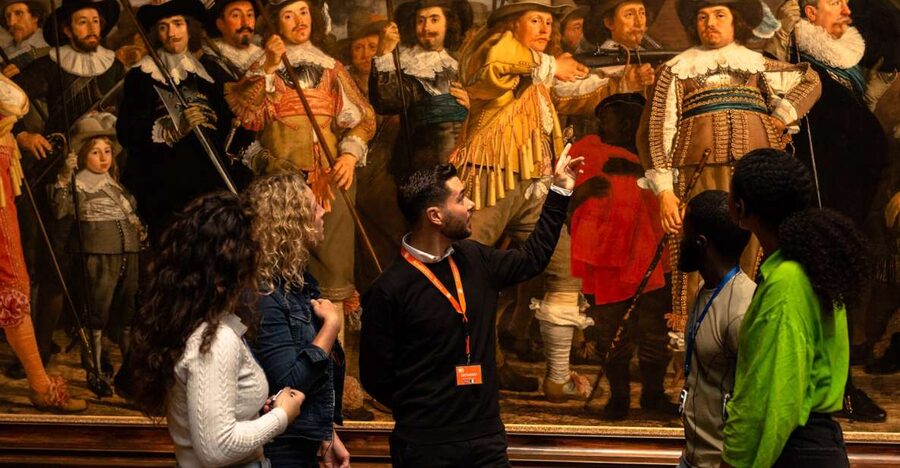
- The Night Watch takes center stage: See Rembrandt’s huge civic guard painting and learn why its scale and dramatic lighting mattered.
- A focused route saves time: Your guide leads you to major paintings and objects instead of leaving you to wander a vast museum without a plan.
- The ticket lasts all day: After the guided visit, you can continue through the permanent collection, visit the cafe, or browse the shop.
- Dutch Golden Age art gets context: The tour connects paintings to the rise of the Dutch Republic and its growing middle-class art market.
- Guide quality is a major strength: Martina, Claire W, Kawika, Kiran, Marlena, Ronald, and others have been praised for clear explanations, humor, and enthusiasm.
- Pack light: Large bags, suitcases, oversize luggage, and umbrellas are not allowed inside. Bring only a handbag or small thin backpack.
Meeting at Museumplein before the Rijksmuseum
The tour begins at Cobra Cafe in Museumplein, next to the Rijksmuseum, although the exact meeting point can vary by booking option. Your guide has the museum ticket ready, so you do not need to queue separately for admission.
Give yourself plenty of time to find the cafe and meeting spot. The museum uses strict timed entry, and the ticket expires once the tour start time has passed. This is not the place for a last-minute dash across Amsterdam.
Your guide will lead you inside and set the pace for the next two hours. The tone can vary by guide, but the strongest reports describe a friendly, lively approach rather than a dry lecture. Martina is praised for her clear explanations and close attention to small details. Claire W brought energy and kept the group engaged, including teenagers. Kawika mixed art and history with an entertaining style, and one group especially appreciated the use of a headset in the busy museum.
The guide may be carrying equipment or moving ahead to position the group near a painting. Keep an eye on the guide as you walk. One useful suggestion from the experience is that a bright bag or other easy marker would make the guide simpler to follow in crowded rooms.
More Attraction Tickets in Amsterdam
- Amsterdam: Van Gogh Museum Ticket
★ 4.7 · 52,054 reviews - Amsterdam: Heineken Experience Ticket
★ 4.6 · 30,055 reviews - Amsterdam: Rijksmuseum Entry Ticket
★ 4.7 · 25,535 reviews
Why the Dutch Golden Age matters
The tour is not simply a parade of famous paintings. It explains how art changed as the Dutch Republic grew wealthy and its middle class expanded.
In earlier European courts, monarchs, nobles, and churches commissioned much of the art. In the seventeenth-century Dutch Republic, merchants and prosperous households became important buyers. That created demand for portraits, still lifes, domestic scenes, seascapes, landscapes, and carefully made objects for the home.
This background helps you read the collection with more purpose. A still life is not just a bowl of fruit. Its polished surfaces, tempting food, and fragile flowers can show off an artist’s technical skill while hinting at wealth, trade, pleasure, or the shortness of life.
You also begin to see why ordinary rooms and family gatherings became worthy subjects. Jan Steen’s family interiors can look comic and chaotic, but they also reveal ideas about household behavior, social order, and daily life. A guide can point out details that are easy to miss when you are standing several steps away and trying to take in the whole painting.
The best part of this approach is that it gives you a way to continue independently. Once you understand what to look for, the rest of the museum becomes less overwhelming.
Rembrandt’s portraits and the drama of The Night Watch
The tour places strong attention on Rembrandt, and rightly so. You will see several of his portraits and consider how he used expression, light, clothing, and pose to tell you more about the person in front of him.
Rembrandt’s portraits are useful for showing how much can change from one sitter to another. Some emphasize status and formal presentation. Others feel more intimate or psychologically alert. Your guide may also draw your eye to the brushwork and to the way light directs your attention across a face, sleeve, or piece of fabric.
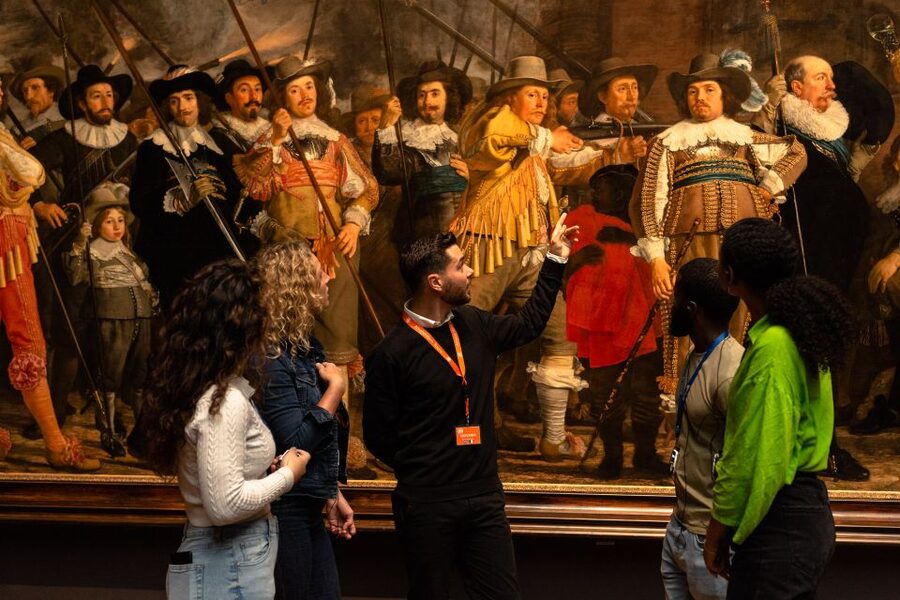
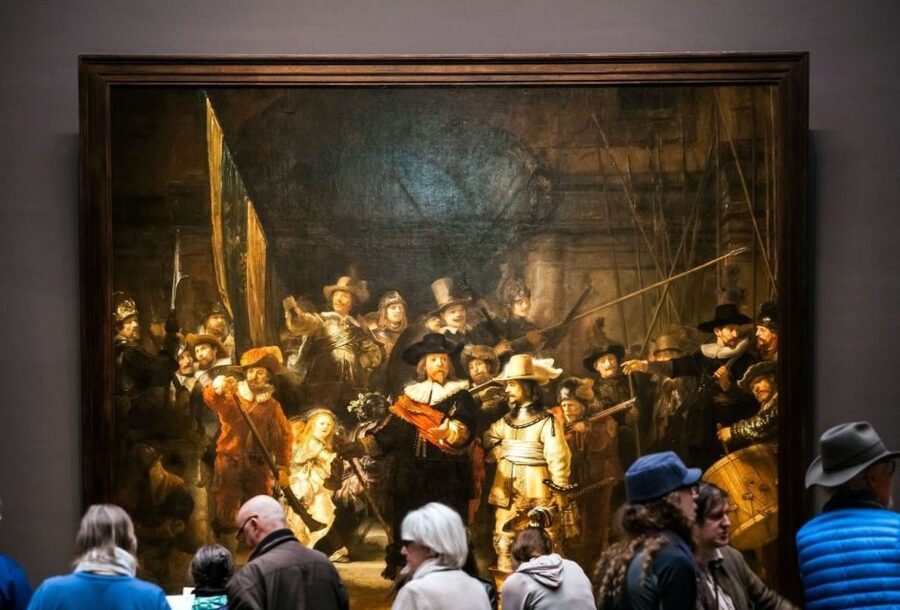
Then comes The Night Watch, the museum’s great crowd-puller. The painting is famous, but standing before it is different from seeing a reproduction. Its large scale, busy composition, and sharp light give the scene a physical force that a screen cannot match.
The title can also mislead you. The scene is not merely a quiet night patrol. Rembrandt presents a civic guard company in motion, with figures stepping forward, turning, gesturing, and preparing for action. The painting feels almost like a staged event, yet the faces and costumes give it a strong sense of individual presence.
Your guide can help you sort out the composition. Look at where the light falls, which figures command attention, and how the central captain and lieutenant organize the scene. Small details, including the young figure in yellow, add to the painting’s strange energy and visual complexity.
Because The Night Watch draws many people, your position may not be perfect at first. A good guide will help the group find a useful viewing spot and then explain the work without forcing everyone to stand in one place for too long.
Vermeer, illusionism, and the pleasure of looking closely
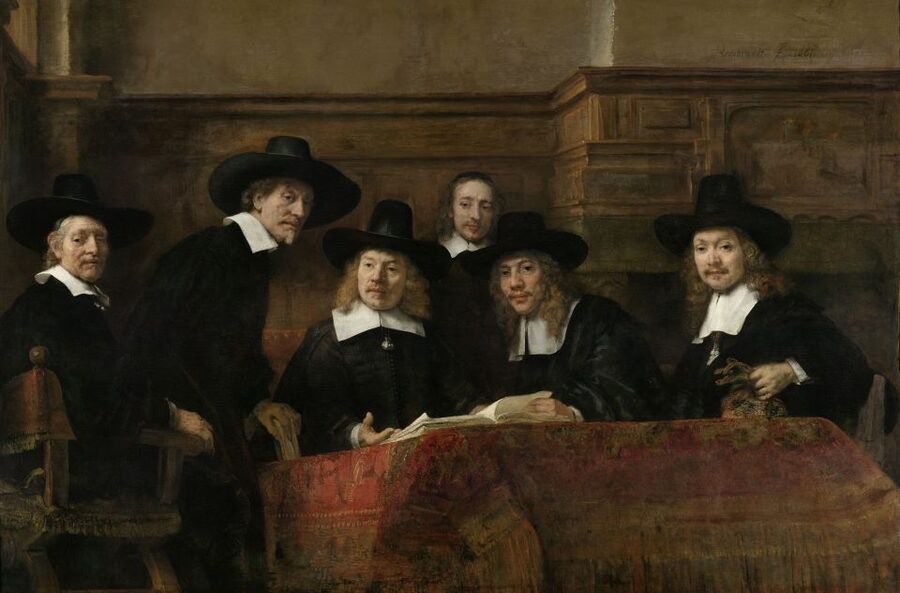
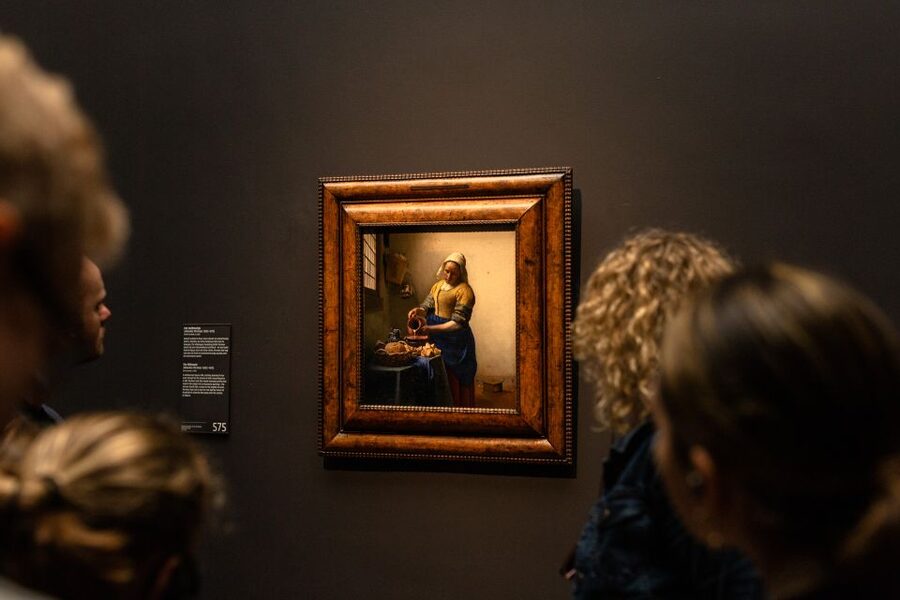
Vermeer’s paintings offer a quieter counterpoint to Rembrandt. Instead of a large public event, you may find a calm interior, a figure absorbed in a simple task, or light entering a room with remarkable control.
The tour’s emphasis on illusionism is especially useful here. Dutch artists could make painted surfaces feel almost touchable: bread looks crusty, metal reflects light, glass appears transparent, and fabric seems to have weight.
I like this part of the tour because it slows you down. A guide can ask you to notice how the artist creates space, where the light originates, and how a few carefully placed objects shape the mood. Without that prompt, it is easy to admire the surface and move on before seeing how carefully the image is built.
Vermeer’s work also fits the wider social story. Quiet household scenes reflect the taste of a society where private interiors and domestic life had become important subjects for art buyers. The room may look simple, but the painting’s calm order says plenty about the values of the period.
The exact works on display can change if a piece is on loan or undergoing conservation. You should treat the tour’s major themes as dependable, but not assume that every named artwork will be available on your date.
More Rijksmuseum tickets and tours:
- Amsterdam: City Canal Cruise and Rijksmuseum
★ 4.5 · 2,129 reviews - Rijksmuseum Amsterdam Small-Group Tour with Private Upgrade
★ 4.5 · 1,547 reviews - Amsterdam: Rijksmuseum Entry Ticket and Canal Cruise Combo
★ 4.3 · 1,276 reviews - Rijksmuseum Amsterdam Exclusive Guided Tour w/ Reserved Entry
★ 5.0 · 440 reviews
Ferdinand Bol and the artists around Rembrandt
Ferdinand Bol’s self-portrait is one of the stops that helps place Rembrandt in a wider circle. It is easy to visit a museum and treat one famous artist as an isolated genius. This painting encourages a broader view of the workshops, pupils, colleagues, and competing styles that shaped Amsterdam’s art world.
A guide can compare Bol’s choices with Rembrandt’s approach and explain how artists presented themselves through clothing, expression, and pose. Self-portraits were not casual snapshots. They could announce ambition, skill, social position, or artistic identity.
The value here is not only the individual painting. You get a better sense of how art was made, taught, sold, and judged in the Dutch Republic. That makes the collection feel less like a list of celebrated names and more like a working art scene.
Several guides have been praised for making these connections easy to follow. Kiran brought humor into the discussion, while Wybe Rood and Daniel added personal Dutch perspectives and historical stories. Guide assignments vary, so you cannot book a particular personality unless the option specifically says so.
Jan Steen, Delftware, and the domestic museum
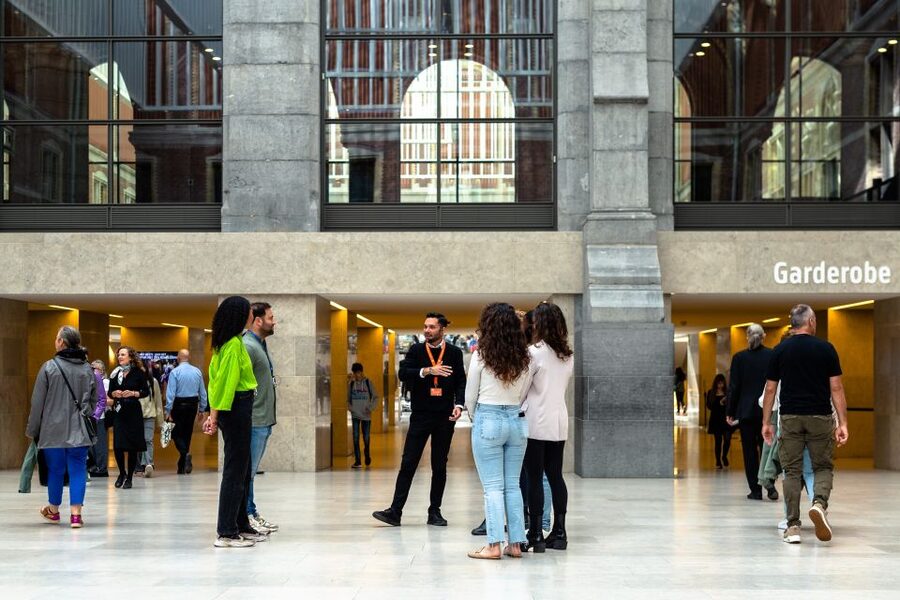
The route also reaches beyond major paintings. Jan Steen’s family interiors show a different side of Dutch art, with household scenes that can be funny, messy, and packed with clues.
Do not look only at the central figures. Check the background and floor for small signs of disorder, flirtation, appetite, or bad behavior. A guide’s comments can turn a familiar-looking domestic scene into a visual puzzle.
The tour also includes seventeenth-century Delftware. These objects show how design and craftsmanship served both practical use and display. The blue-and-white style is instantly recognizable, but the museum setting lets you consider its place in Dutch homes and trade.
The seventeenth-century dollhouses offer another change of scale. They are not ordinary children’s toys. Their detailed rooms and furnishings show how wealthy people imagined and displayed domestic life. They also reward patience, since the interest lies in the tiny objects and arrangement rather than a single dramatic image.
These stops are important because they keep the visit from becoming Rembrandt-only. If you want nothing but the most famous paintings, parts of the route may feel less urgent. If you want a picture of Dutch life, they add welcome variety.
The Pierre Cuypers Library and the museum’s setting
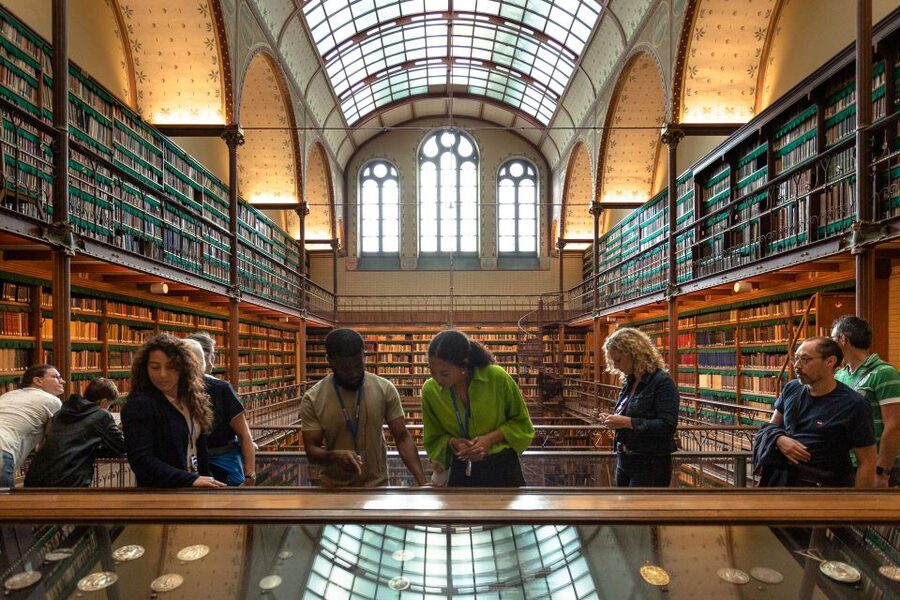
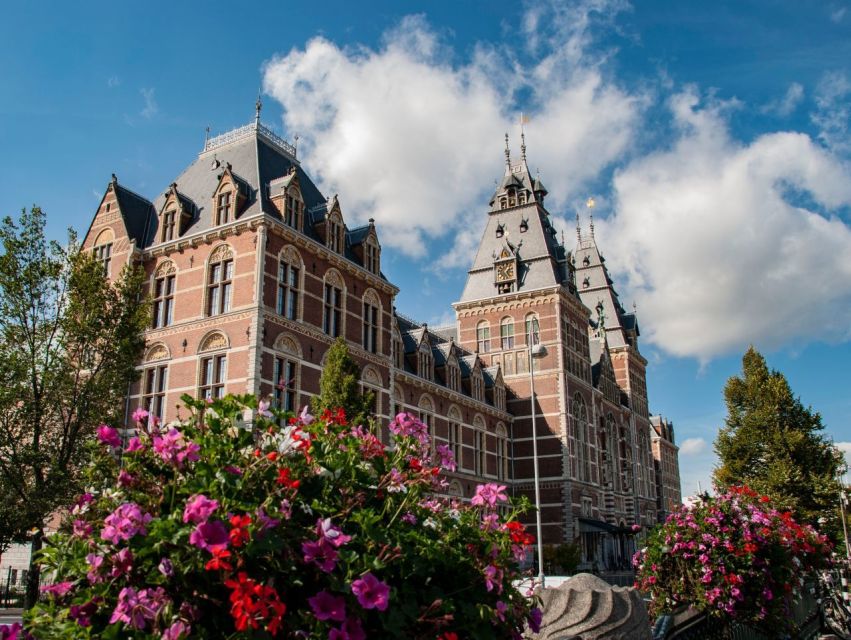
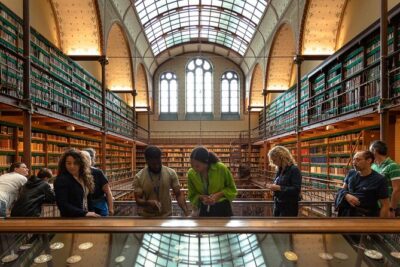
The Pierre Cuypers Library gives you a glimpse of the Rijksmuseum as a place for study as well as display. Its architecture and rows of books create a different mood from the grand painting galleries.
You may not spend long there, but it helps explain how museums preserve, research, and organize art. The building itself also matters. The Rijksmuseum is not a neutral box, and the setting shapes how you move through the collection.
The tour generally focuses on the painting side of the museum, especially the major works on the second floor. That focus is helpful if your priority is Dutch masters. It also means you should not expect a full survey of every collection area during the guided portion.
What two hours can and cannot do
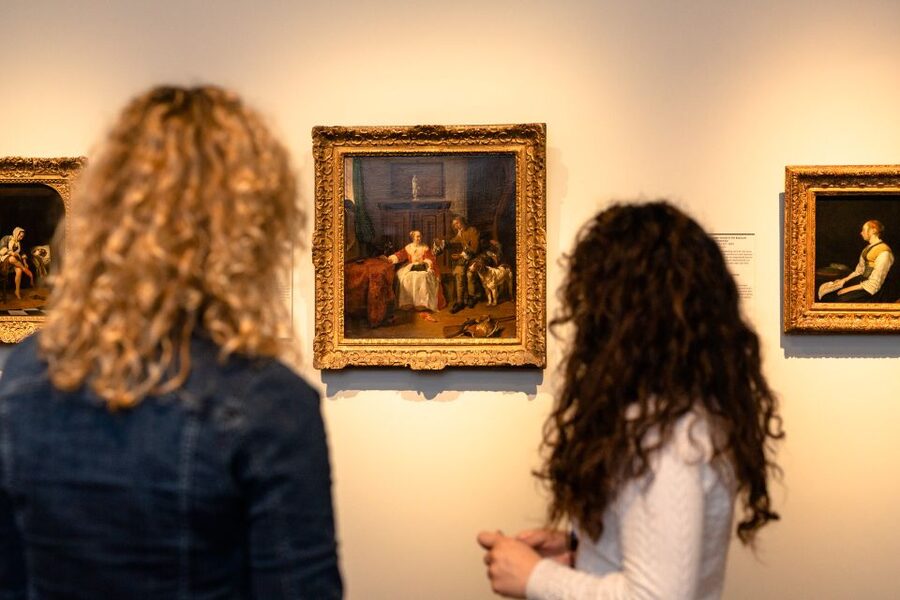
Two hours is a sensible length for a first visit. You get a firm route, enough time for explanation, and a chance to see the central works without spending an entire day following a guide.
It is not enough to cover the whole museum. The Rijksmuseum displays about 8,000 works, and even a full day would require choices. The guide selects highlights, explains them, and keeps the group moving. You then use the all-day ticket to fill in the gaps at your own pace.
That arrangement is one of the tour’s best features. You can stay after the guided visit and explore other rooms, return to a painting you want to study, stop at the cafe, or visit the museum shop. Do not schedule another tight activity immediately afterward if you want to make good use of the ticket.
A few practical habits will improve the experience:
- Arrive early enough to find the meeting point without stress.
- Bring a passport or ID card.
- Carry only a small bag. Large bags, suitcases, oversize luggage, and umbrellas are prohibited.
- Listen for instructions about rooms where speaking is restricted.
- Stay close to the guide, especially if the group uses a headset and moves between busy galleries.
The language options are Dutch, German, Italian, English, and French. Since the guide assignment varies, check the selected option carefully when booking.
Is $78 a fair price?
At $78 per person, this is not the cheapest way to enter the Rijksmuseum. You are paying for the entrance ticket, a live guide, and a planned two-hour route.
The value depends on how you use it. If you already know the museum well, prefer wandering alone, or plan only a short look at a few paintings, the extra cost may not suit you. If this is your first visit and you want the major works explained in plain language, the fee is easier to justify.
I see the strongest value in the time saved. A huge museum can leave you tired and unsure if you have seen the right things. A good guide gives you a framework, points out overlooked details, and connects the art to the society that produced it.
The experience has a 4.7 rating from 649 reviews, and the repeated praise centers on the guides. Martina is singled out for passion and precise discussion of composition. Claire W is praised for enthusiasm and for keeping a small group engaged. Other guides, including Marlena, Sylvia, Holly, Ronald, and Gosse van der Leij, are described as clear, friendly, and effective at bringing the works to life.
That praise comes with a fair warning: the quality of a guided museum visit depends heavily on the person leading it. The available names change, and you should not assume you will receive a particular guide. Still, the consistent approval of different guides suggests a strong overall standard.
Free cancellation is available up to 24 hours before the start, and you can reserve now and pay later. Those terms reduce the risk if your Amsterdam schedule is still shifting.
Who should book this Rijksmuseum tour?
I would choose this tour for a first visit, especially if you want help understanding Dutch Golden Age painting rather than simply photographing famous works.
It suits you if you:
- Want clear background on Rembrandt, Vermeer, and the Dutch Republic
- Prefer a focused route through a very large museum
- Enjoy hearing about small details and hidden meanings in paintings
- Are traveling with family or teenagers who may need a lively guide
- Want to keep exploring after the guided portion
- Have limited time but still want more than a quick look
I would skip it if you prefer total independence, dislike fixed start times, or want to spend hours in decorative arts, special exhibitions, or less famous galleries. The route focuses mainly on paintings and major highlights, not every corner of the collection.
Should you book it?
Book it if you want the Rijksmuseum to make sense quickly. The guide adds context that labels alone cannot provide, and the all-day ticket lets you continue after the two-hour route.
Arrive early, pack very lightly, and treat the guided portion as your introduction rather than your entire museum visit. For a first-time visit centered on Rembrandt, Vermeer, Dutch life, and the art market of the Dutch Republic, this is a practical and worthwhile way to begin.
FAQ
Where does the Rijksmuseum tour start?
The tour starts at Cobra Cafe in Museumplein, next to the Rijksmuseum. The exact meeting point may vary depending on the option booked.
How long does the guided tour last?
The guided portion lasts two hours. Check availability for the starting times offered on your date.
Can I stay in the Rijksmuseum after the tour?
Yes. Your ticket is valid all day, so you can continue exploring the permanent collection after the guided tour.
What works and subjects are included?
The route includes The Night Watch, Rembrandt portraits, Ferdinand Bol’s self-portrait, Jan Steen’s family interiors, seventeenth-century Delftware, seventeenth-century dollhouses, and the Pierre Cuypers Library. Artworks can be unavailable if they are on loan or under conservation.
Which languages are available?
Live guides are available in Dutch, German, Italian, English, and French.
What should I bring?
Bring a passport or ID card. Only handbags or small thin backpacks are allowed inside the museum.
Can I bring a suitcase or umbrella?
No. Large bags, suitcases, oversize luggage, and umbrellas are not allowed inside the museum.
What happens if I arrive late?
The Rijksmuseum uses strict time slots. After the tour start time, you cannot join because the entrance ticket expires.
Just added around Amsterdam
- Amsterdam 1-Hour Rickshaw Tour★ 4.9 · 17 reviews
- Amsterdam: Canal Cruise and Jewish Cultural Quarter Tickets★ 4.2 · 17 reviews
- Keukenhof Gardens and Tulip Experience Tour from Amsterdam★ 4.8 · 17 reviews
- Marken, Volendam and Edam: Private Full-Day Tour★ 4.6 · 18 reviews
- Discover Amsterdam’s city center in this Outside Escape game tour★ 4.5 · 18 reviews
- Amsterdam: Personal Travel & Vacation Photographer★ 4.8 · 18 reviews
- Amsterdam: Luxury Saloon Boat Cruise with 3-Course Dinner★ 3.9 · 18 reviews
- Rijksmuseum & Amsterdam City Center Semi-Private Tour 12ppl Max★ 5.0 · 18 reviews
Rijksmuseum Tickets, compared.
Rijksmuseum Amsterdam Small-Group Tour with Private Upgrade
Read our review →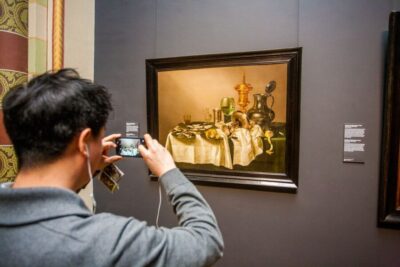
Rijksmuseum Entry Ticket and Canal Cruise Combo
Read our review →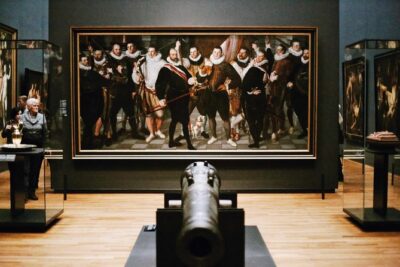
Rijksmuseum Amsterdam Exclusive Guided Tour w/ Reserved Entry
Read our review →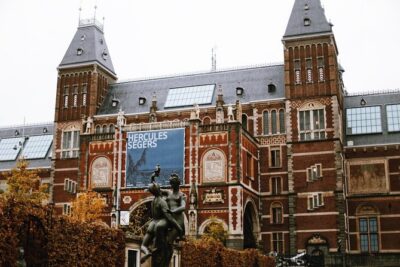
Van Gogh & Rijksmuseum w/ Reserved Entry Semi-Private 8ppl Max
Read our review →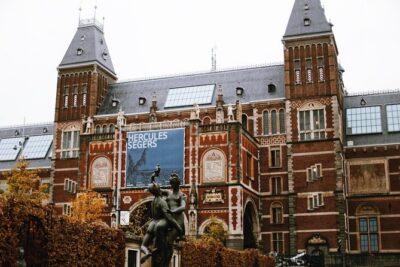
Van Gogh & Rijksmuseum w/ Reserved Entry Exclusive Guided Tour
Read our review →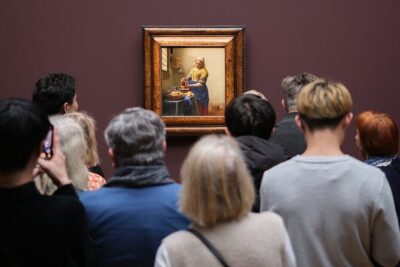
Browse the lists this tour appears in