REVIEW · AMSTERDAM TOURS
Amsterdam’s Hidden Facts: 750 Years of Secrets ⭐
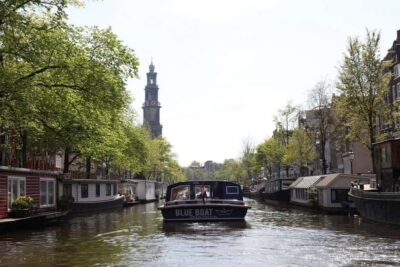
Amsterdam has more stories than canals. This two-hour walk connects dams, dikes, trade, floods, freedom, and wartime history in one lively lesson about the city. I like the small group of no more than 12 people and the unusual facts about leaning houses, the city’s three Xs, and its muddy foundations. The main drawback is simple: you cover 750 years in two hours, so this is a brisk overview rather than a slow, detailed study of every site.
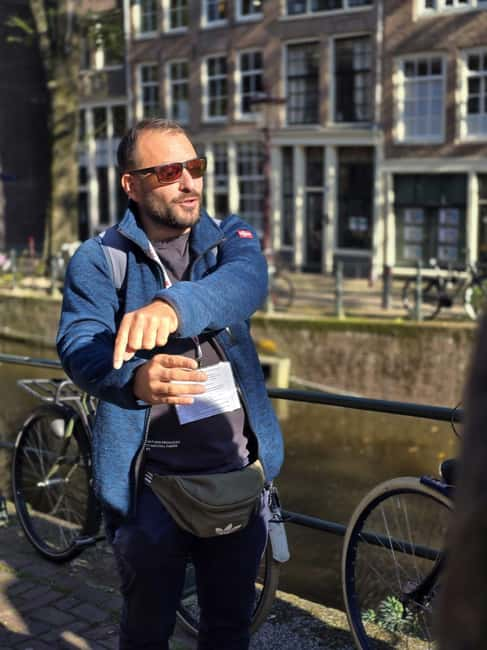
Guide Antonis gives the experience its human touch. He mixes facts with humor, warmth, and obvious affection for Amsterdam. I also like the handwritten postcard with a Dutch stamp, a small gift that fits the tour’s old-fashioned spirit. Wear good shoes, since this is a walking tour, and check the starting time and meeting landmark carefully.
In This Review
- Key things to know before you book
- Starting with Amsterdam’s first dam and dikes
- Reading the clues in leaning houses and city symbols
- From old religions to liberal revolutions
- The Golden Age and the forces behind Amsterdam’s growth
- Floods, resilience, and the price of living on mud
- World War II and the city’s defining moments
- Why the small group changes the experience
- What the $28 price gets you
- Who will enjoy this walk most
- Practical tips for getting the most from the tour
- Should you book Amsterdam’s Hidden Facts?
- FAQ
- How long does the Amsterdam’s Hidden Facts tour last?
- What language is the tour offered in?
- Who guides the experience?
- Where does the tour begin and end?
- What is included in the price?
- Can I cancel the booking?
Key things to know before you book
- 750 years in two hours: The walk moves from Amsterdam’s first dam and dikes to the Golden Age, World War II, and modern ideas about freedom.
- Antonis leads the tour: He speaks English and Greek, and his style combines serious research with friendly conversation.
- Small groups matter here: With a maximum of 12 people, you should have a better chance to hear the stories and ask questions.
- The postcard is part of the experience: You receive a handwritten postcard inspired by historic Amsterdam, complete with a Dutch stamp.
- Expect facts hiding in plain sight: The tour explains why houses lean, what the three Xs mean, and why Amsterdam was built on mud.
- It begins and ends in central Amsterdam: The meeting point is listed as in front of the Bull, and the activity returns there. Confirm the exact landmark before setting out.
Starting with Amsterdam’s first dam and dikes
The tour begins with the basic question behind the city: how could people build a major settlement on wet, unstable ground?
Amsterdam’s story starts with water management. The first dam and the network of dikes are not just background details. They explain why the city exists at all, and why trust, cooperation, and careful planning became part of daily life. The walk presents these ideas through stories rather than a classroom lecture, which should help the facts stick.
You will hear about the systems that protected the city from floods and the work needed to hold back water. The important point is that Amsterdam was not simply placed on solid ground and allowed to grow. People shaped the conditions that made streets, homes, trade, and public life possible.
I like this opening because it gives the rest of the tour a clear purpose. When you later hear about commerce, politics, or social change, you already understand that Amsterdam was built through shared effort. The city’s famous independence did not come from ignoring its neighbors. It depended on people working together.
The subject may be less visually dramatic than a grand palace or church interior. You are learning how the city works rather than entering a single celebrated monument. If you prefer major sights with long visits inside them, this first section may feel more conceptual. If you enjoy knowing why a place looks the way it does, it is a strong start.
A few more trips of this kind worth comparing:
- Amsterdam: Van Gogh Museum Ticket
★ 4.7 · 52,054 reviews - Amsterdam Classic Saloon Boat Cruise with Drinks and Cheese
★ 5.0 · 31,825 reviews - Amsterdam Luxury Canal Cruise + Unlimited Drinks & Bites option
★ 5.0 · 30,518 reviews
Reading the clues in leaning houses and city symbols
Amsterdam’s buildings offer plenty of small puzzles. The tour explains why houses lean and why the three Xs appear so often around the city.
The leaning houses are one of Amsterdam’s most recognizable details, but it is easy to take them as a photo opportunity and move on. Antonis uses the subject to show how the city’s ground, buildings, and long history are connected. The result is more useful than simply being told that some houses are crooked. You begin to look up and inspect the city with a question in mind.
The three Xs also receive proper attention. They are everywhere in Amsterdam, and many visitors notice the symbol without understanding it. This part of the walk turns a familiar mark into a piece of local history.
These small details are a major strength of the tour. They give you facts you can use for the rest of your stay. After the walk, a canal-side stroll becomes more interesting because you are no longer seeing only pretty facades. You are looking for signs of the city’s construction, beliefs, and civic identity.
There is also humor in the way these questions are presented. The tour is designed for people who often respond with Wait, what? That makes it a good choice if you like surprising information more than a list of dates.
From old religions to liberal revolutions
Amsterdam’s past was not shaped only by commerce and engineering. The walk also moves through changing religious ideas and liberal revolutions.
The supplied description does not promise a fixed list of named buildings or a detailed stop-by-stop route, so you should think of this part as a connected historical story. Antonis links the city’s older beliefs with the ideas that later made Amsterdam known for personal freedom and social experimentation.
That approach matters. A city’s reputation for tolerance does not appear from nowhere. It develops through arguments, changes in law and custom, and the choices people make over time. The tour’s theme is that Amsterdam was shaped by radical ideas as well as practical systems.
I appreciate the balance here. A short tour can easily reduce Amsterdam to canals, merchants, and attractive houses. This experience tries to show the city as a place where people challenged old rules and built new ways of living together. The discussion should appeal to you if you want social history, not just architectural facts.
The limitation is time. These subjects are broad, and two hours cannot give each religion, revolution, or political shift a full treatment. You will get a lively outline and memorable examples, not an academic course. That is a fair trade for a walk aimed at first-time visitors who want a strong sense of the city’s character.
The Golden Age and the forces behind Amsterdam’s growth
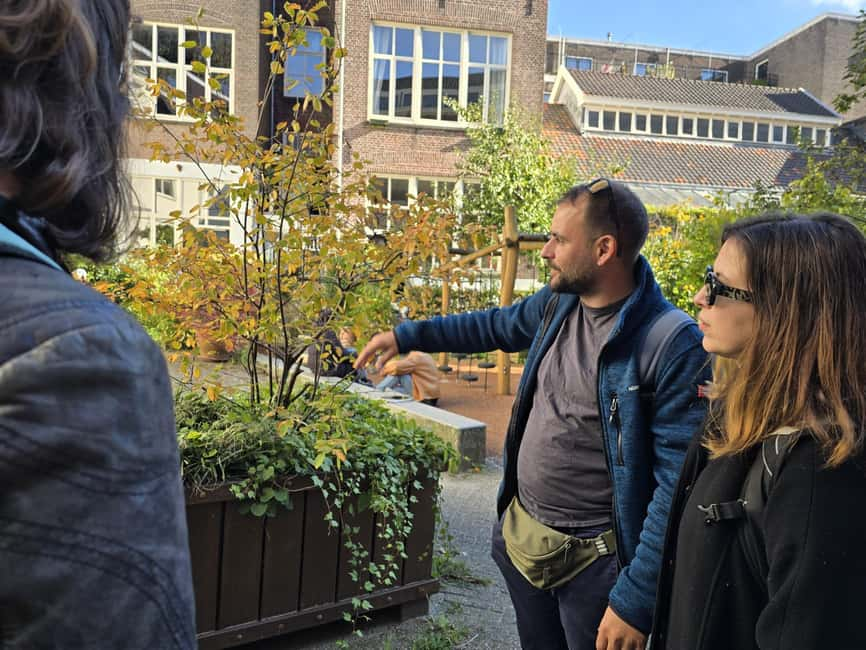
Amsterdam’s Golden Age is another major part of the walk. The phrase can sound grand and distant, but the tour presents it as a period shaped by trade, ambition, and the city’s ability to organize itself.
You will learn how Amsterdam expanded from its early foundations into a major center. The story connects the city’s watery setting with its commercial success, rather than treating the Golden Age as an isolated chapter of wealthy merchants and fine buildings.
This is useful context when you later explore Amsterdam on your own. The canals, houses, and public spaces make more sense when you understand that the city’s growth depended on transport, money, planning, and cooperation. The tour helps you see the practical forces behind the postcard image.
At the same time, you should not expect a museum-style examination of every economic or political detail. The guide’s strength is storytelling across a large span of time. If your main interest is art from the Golden Age, this may not replace a museum visit. If you want to understand how Amsterdam became an influential city, it gives you a worthwhile framework.
The tour’s tone also helps here. Antonis is described as part guide, part friend, and deeply curious about the city. That personal style can make a familiar topic feel less like a memorized school lesson. You are hearing a city’s story from someone who has made Amsterdam his adopted home.
A completely different kind of day out in Amsterdam:
- Amsterdam: Heineken Experience Ticket
★ 4.6 · 30,055 reviews - Amsterdam: Rijksmuseum Entry Ticket
★ 4.7 · 25,535 reviews - Amsterdam: Classic Boat Cruise with Optional Cheese & Wine
★ 4.6 · 22,925 reviews - Amsterdam: Evening Cruise with Optional Wine and Snacks
★ 4.4 · 19,696 reviews
Floods, resilience, and the price of living on mud
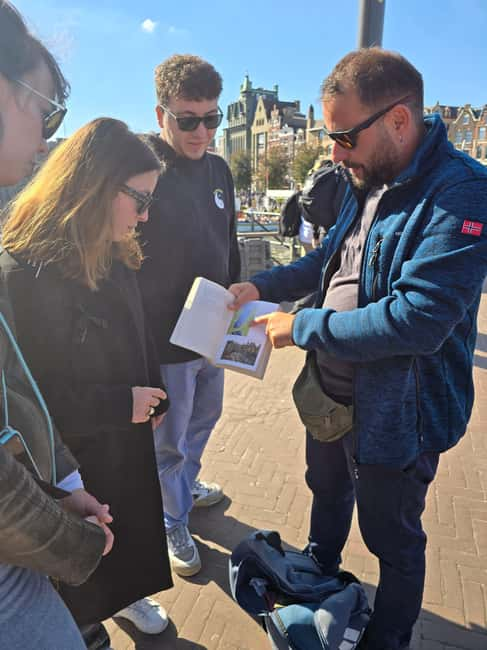
Water remains the central character in Amsterdam’s story. The walk returns to floods, dikes, and the systems that saved the city.
This section gives practical meaning to the city’s reputation for resilience. Flood protection is not a decorative part of Amsterdam’s past. It affected where people could live, how they cooperated, and how the city responded to danger.
I like the way this theme ties the beginning and middle of the tour together. The first dam and dikes explain Amsterdam’s birth. Later floods show that the problem never vanished. People had to keep maintaining, improving, and trusting the systems that protected them.
The fact that Amsterdam is built on mud is especially useful for visitors. It explains why the city has such distinctive buildings and why the ground beneath it matters so much. You may start noticing the relationship between water and construction in places you would otherwise pass without a thought.
This is also where the tour seems most thoughtful. It does not present resilience as a vague civic virtue. It connects it to real risks and long-term work. You get a clearer idea of why Amsterdam’s history is inseparable from engineering.
Because the tour is outdoors, weather can affect your comfort. Bring water and clothing suited to the forecast. Comfortable shoes are essential, and a camera is welcome. Video recording is not allowed, so plan to listen and take still photographs instead.
World War II and the city’s defining moments
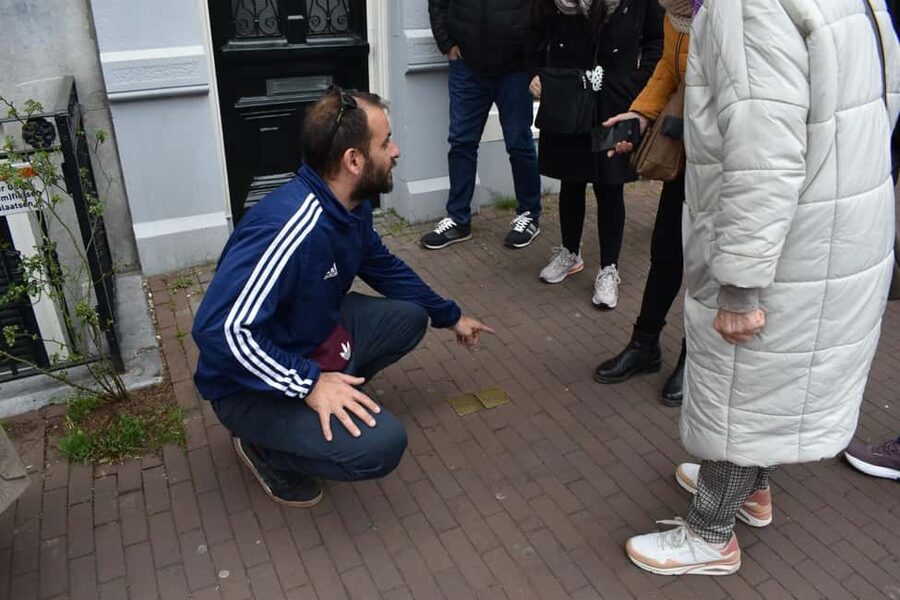
World War II forms one of the more serious chapters of the walk. The subject gives the tour emotional weight after its lighter facts about symbols, buildings, and leaning houses.
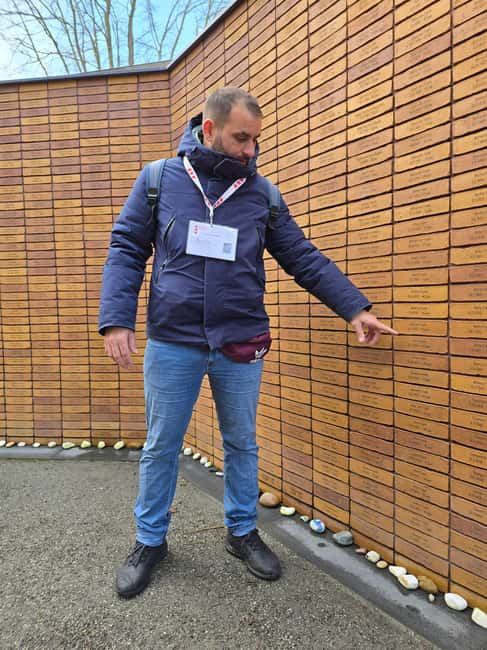
The available information does not identify every wartime site on the route, so I would not book this expecting a dedicated museum tour or a full memorial itinerary. Instead, expect World War II to be part of a wider story about the moments that changed Amsterdam and its people.
That wider approach can work well in a first orientation walk. You learn where the war fits into the city’s longer development, alongside floods, trade, religion, and political change. The subject is not treated as a random historical detour.
Antonis’s warmth and humor are useful qualities in a tour that covers difficult material. A good guide needs to keep the walk engaging without making serious events feel casual. Based on the description of his style, the experience aims for that balance.
If World War II is your main reason for visiting Amsterdam, you will probably want a more specialized activity as well. This walk gives context, but its purpose is to cover the city’s full 750-year story. The benefit is breadth. The cost is less time for any one period.
Why the small group changes the experience
A maximum of 12 people is one of the tour’s strongest practical features. A small group makes it easier to stay close to the guide, hear details on city streets, and ask a question without interrupting a large crowd.
It also suits the subject. Facts about symbols and overlooked corners work better when the guide can pause, point something out, and make sure everyone is following. You are not just moving behind a flag or trying to read a sign over a crowd.
The group size may be especially helpful for solo visitors. One person who joined alone still received the tour rather than having it canceled, and that is reassuring if you are planning your day around a booking. Antonis’s friendly manner should also make the walk comfortable for solo adventurers, couples, and friends.
There is no hotel pickup or drop-off. You meet at the stated starting point, in front of the Bull, and finish back there. Since that wording may not be enough for every visitor to identify the exact spot, check the meeting details before leaving your hotel.
The experience is offered in English and Greek. Check that the language you need is available for your chosen time.
What the $28 price gets you
At $28 per person, this is priced as an accessible small-group orientation rather than a luxury private tour. The value depends on how much you enjoy guided storytelling and how useful a broad introduction will be during your stay.
You receive two hours with a professional local guide, a group capped at 12, and a handwritten postcard with a Dutch stamp. The postcard is a modest item, but it gives the experience a personal finish. You can send it or keep it as a reminder of the city’s older communication style.
The real value is the organization of the information. You could read about Amsterdam’s dams, floods, Golden Age, religious shifts, and World War II on your own. A guide can connect those subjects into one story and point out details you might walk past.
I would consider the price fair if this is your first visit or if you want historical context before exploring independently. It is less compelling if you already know Amsterdam well and mainly want a specialist focus on one era. The 4.8 rating from eight submitted ratings is encouraging, though the sample is small, so treat it as a useful signal rather than a guarantee.
Who will enjoy this walk most
This tour fits curious people who collect facts and like asking why. It is especially good for you if a city becomes more interesting when you understand its odd details, political changes, and practical problems.
It suits solo visitors, couples, and friends. The small group and conversational guide style should make it easy to take part without feeling lost in a crowd.
You may also like it if you have only a short time in Amsterdam. Two hours gives you a broad introduction, and the return to the meeting point makes it easy to continue your day afterward. Use the walk as a foundation, then choose museums or historic sites based on the subjects that catch your attention.
It may be less suitable if you want a quiet walk with little talking, a deep focus on art, or a tour built around entering major attractions. It is also not ideal for anyone who dislikes walking outdoors in uncertain weather.
Practical tips for getting the most from the tour
Arrive ready to walk for two hours. Comfortable shoes matter more than stylish footwear, especially on older city streets.
Bring water, a camera, and weather-appropriate clothing. Still photography is allowed, but video recording is not.
Keep the group size in mind when booking. A small tour can fill sooner than a large city walk, and starting times vary, so check availability before planning the rest of your day.
If your schedule might change, cancellation is free up to 24 hours in advance for a full refund. You can also reserve now and pay later, which is useful when you are organizing a trip with several moving parts.
Finally, listen for the details you can reuse. The best souvenirs from this walk are not only the postcard and stamp. They are the questions you will keep asking as you explore: Why does that house lean? What does that symbol mean? How did this city keep the water out?
Should you book Amsterdam’s Hidden Facts?
Book it if you want an energetic, fact-filled introduction to Amsterdam led by a personable guide. Antonis’s warmth, the 12-person limit, and the wide sweep from the first dam to World War II give the walk a clear identity.
Skip it if you want a specialist tour, long interior visits, or a slow architectural study. Two hours cannot cover every chapter in detail. For most first-time visitors, though, $28 is a sensible price for a friendly orientation that helps you understand what you see afterward. Bring good shoes, arrive at the Bull meeting point with time to spare, and expect to leave with a postcard and a head full of strange facts.
FAQ
How long does the Amsterdam’s Hidden Facts tour last?
The walking tour lasts two hours.
What language is the tour offered in?
The live tour guide is available in English and Greek.
Who guides the experience?
Antonis is the named local guide. He combines historical information with warmth, humor, and conversation.
Where does the tour begin and end?
It begins in front of the Bull and ends back at the same meeting point.
What is included in the price?
The experience includes a professional guide, the two-hour storytelling walk, and a handwritten Amsterdam postcard with a Dutch stamp.
Can I cancel the booking?
Yes. You can cancel up to 24 hours in advance for a full refund. You can also reserve now and pay later.
Just added around Amsterdam
- Amsterdam City Center Guided Walking Tour – 12 guests 2,5h★ 5.0 · 3 reviews
- Amsterdam Light Festival Boat Cruise★ 5.0 · 3 reviews
- Daytrip Tour from Amsterdam to Zaanse Schans and Giethoorn★ 5.0 · 3 reviews
- Amsterdam: Roller Dreams & Amsterdam Nightlife Experience★ 3.7 · 3 reviews
- Amsterdam: Van Gogh Museum Entrance and Guided Tour★ 3.5 · 3 reviews
- Amsterdam: Red light tour in German/English for groups of 4 people or more★ 5.0 · 3 reviews
- Amsterdam Red Light District and Old Town Walking Tour★ 5.0 · 3 reviews
- 2 Hour Making Rembrandt’s Traditional Oil Paints in Amsterdam★ 5.0 · 3 reviews
Amsterdam Tours, compared.

Amsterdam Classic Saloon Boat Cruise with Drinks and Cheese
Read our review →
Amsterdam Luxury Canal Cruise + Unlimited Drinks & Bites option
Read our review →
Classic Boat Cruise with Optional Cheese & Wine
Read our review →
Evening Cruise with Optional Wine and Snacks
Read our review →