
REVIEW · ROTTERDAM TOURS
Delfshaven Self-Guided Tour: A Guide to Rotterdam’s Old Town
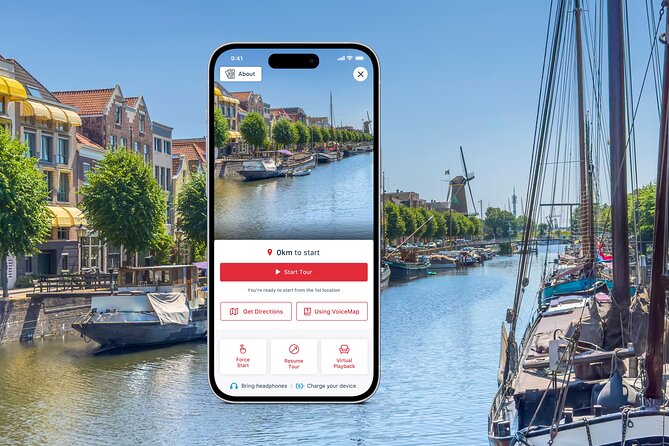
Rotterdam has an old harbor hiding in plain sight. This self-guided walk through Delfshaven takes you past calm canals, historic ships, a working windmill, and the church linked to the Pilgrim Fathers. I like the freedom to set your own pace and the way the narration connects small places, such as a former guild house, to everyday port life. I also like the clear, soothing voice, which one published rating praised for its easy pace. The main drawback is simple: this is a walking audio tour, not a live guide, so you need your own smartphone and headphones.
At about one hour to one hour 15 minutes, the route makes a good short outing in Rotterdam. You can listen as you walk, stop for photos, or pause the tour when a harbor view deserves more time. The route ends near Café de Oude Sluis, giving you an easy place to finish, although any time spent inside attractions is not included in the stated duration.
In This Review
- Key points before you set out
- Why Delfshaven feels different from central Rotterdam
- Starting beside Piet Heynsbrug
- The harbor views from Mouterbrug
- A harbor shaped by ships and trade
- The windmill and Delfshaven’s industrial past
- The Pilgrim Fathers church
- Beer brewed in the former town hall
- A porter’s guild house and working life
- Pinball machines in a 1825 grain warehouse
- Piet Heyn and the canal-side love locks
- The preserved streets and wartime scars
- What $9.99 really buys you
- Timing, access, and who will enjoy it
- Should you book the Delfshaven walk?
- FAQ
- How long does the Delfshaven self-guided tour take?
- What language is the tour offered in?
- Where does the tour start and end?
- Do I need a smartphone and headphones?
- Can I use the tour offline?
- What is the cancellation policy?
Key points before you set out
- Delfshaven survived Rotterdam’s wartime destruction, giving you a rare look at older streets and buildings.
- The Piet Heynsbrug and Mouterbrug crossings provide some of the best canal and harbor views on the route.
- The Pilgrim Fathers church connects this quiet harbor to a much larger story of religious migration.
- The windmill once powered distillery factories, showing how Delfshaven worked as an industrial port.
- The tour uses GPS audio, offline maps, and geodata, so you can walk without staying online.
- The $9.99 price buys lifetime access, including the option to replay the narration from another location.
Why Delfshaven feels different from central Rotterdam
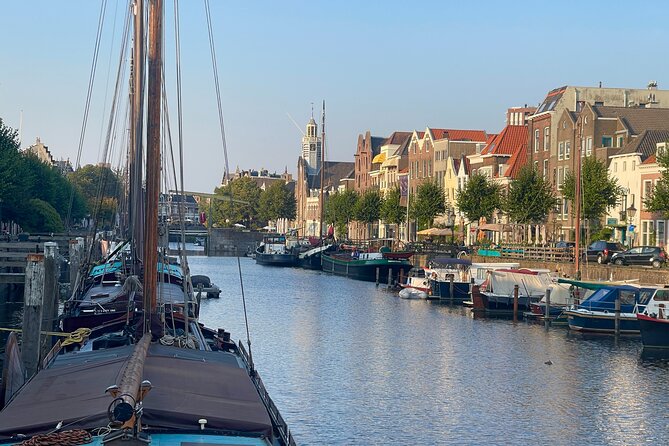
Rotterdam is known for bold modern buildings, wide streets, and the dramatic rebuilding that followed the Second World War. Delfshaven gives you another side of the city. Here, the streets narrow, the water comes close to the buildings, and traditional Dutch houses line the harbor.
That contrast is the main reason to take this walk. You are not simply ticking off famous sights. You are seeing a small part of Rotterdam that kept much of its older character while the surrounding city changed around it.
The route also makes the neighborhood easier to read. A bridge is not just a pretty crossing. A windmill is not merely a Dutch postcard symbol. A small guild house tells you about porters, grain, and physical work. The audio helps join these pieces together.
I would set aside about 75 minutes if you want to pause for photographs and enjoy the views. The advertised walking time is roughly one hour to one hour 15 minutes, but that does not include optional time at sights along the way.
More self-guided tours:
- Rotterdam: Steamship Rotterdam Audio Tour Entry Ticket
★ 4.5 · 325 reviews - Discover Breda with a self-guided Outside Escape city game tour!
★ 5.0 · 16 reviews - Breda Fun Puzzle Quest: True Lord Self-Guided Tour
★ 4.0 · 9 reviews
Starting beside Piet Heynsbrug
The walk begins near Delfshaven, at postal code 3026 VN in Rotterdam. The exact starting point directions are supplied with the booking, and the GPS format is useful because you do not need to find a tour office or meet a guide carrying a sign.
One of the first highlights is Piet Heynsbrug, a picturesque bridge named after Dutch admiral Piet Heyn. From the bridge, you can look along the historic canals toward traditional houses and harbor buildings.
This is a good opening stop because it gives you a quick sense of Delfshaven’s shape. Water, bridges, old facades, and boats all appear together. I would pause here before pressing on, since the view helps you understand the neighborhood better than a hurried walk would.
The audio format also works well at this point. You can keep your eyes on the canal and buildings instead of reading a page on your phone. Just remember that the phone and headphones are not included, so you must bring both.
The harbor views from Mouterbrug
Mouterbrug is another bridge with a different view of the district. It looks across the peaceful harbor and the architecture around it, offering a slower, quieter impression of Rotterdam.
The two bridge stops are useful together. Piet Heynsbrug gives you one angle on the canals, while Mouterbrug lets you see more of the harbor setting. If you enjoy taking photographs, these are natural places to pause. The tour does not force you to move on, which is one of its best features.
Because this is a GPS-guided walk, you can stop the narration when a boat, reflection, or building catches your eye. A live group tour often keeps moving. Here, you set the rhythm.
The tradeoff is that self-guided tours require a little attention from you. You need to watch the route, listen for the next direction, and keep your device ready. Offline maps and audio help, but the experience still depends on your phone working properly.
A harbor shaped by ships and trade
The walk continues along the historic harbor, where old ships and preserved buildings show Delfshaven’s connection to the sea. This is one of the route’s strongest sections because the setting itself does much of the teaching.
You can picture the harbor as a place of loading, storage, brewing, and movement. The buildings are not presented as isolated monuments. They form a working waterfront, and the audio explains how different trades fitted into that setting.
The preserved ships add atmosphere, but the route is more than a scenic stroll. You are encouraged to notice how close the buildings sit to the water and how the harbor shaped daily routines. Delfshaven feels compact here, which makes the past easier to imagine.
Do not expect a long museum visit or a detailed tour inside every building. The experience mainly takes you past the sights. Its value comes from the connections between them, not from extended indoor access.
More Rotterdam trips:
- Rotterdam: Harbor Sightseeing Cruise
★ 4.3 · 7,599 reviews - Rotterdam: 1-Hour Sightseeing Splash Tour
★ 4.5 · 3,299 reviews - Rotterdam: Rotterdam Zoo Blijdorp Entry Ticket
★ 4.6 · 2,754 reviews - Rotterdam: Euromast Lookout Tower Ticket
★ 4.4 · 2,549 reviews
The windmill and Delfshaven’s industrial past
A historic windmill appears along the route, offering one of the clearest links between Dutch heritage and local industry. The narration explains how wind power once helped run distillery factories in Delfshaven.
That detail gives the windmill a practical purpose. It was not only a decorative feature or a symbol for visitors. It helped turn natural power into useful work, supporting factories tied to the port.
This stop is especially helpful if you are tired of seeing windmills treated as simple photo props. You get a better sense of how one fitted into the local economy. It also shows why the neighborhood’s maritime story includes manufacturing and trade, not just ships.
Since the tour only passes by the windmill, check the audio carefully for any instructions about the best viewing point. The supplied details do not promise entry, so plan on seeing it from the route rather than touring its interior.
The Pilgrim Fathers church
The historic church on the walk is probably the most important stop for understanding Delfshaven’s place in world history. The Pilgrim Fathers departed from this harbor after leaving England to escape religious persecution and continue their journey to the New World.
The church gives that story a physical setting. You are not hearing about a distant event in a textbook. You are standing in the same old harbor district connected to their departure.
This stop also shows why Delfshaven rewards a slower pace. The neighborhood may look small, but its links reach far beyond Rotterdam. The audio provides the context you need without asking you to spend hours in a formal museum.
The route description says you visit the church, but it does not specify interior admission or opening times. Treat it as a scheduled landmark on the walking route, and confirm access separately if stepping inside matters to you.
Beer brewed in the former town hall
Another unusual stop is the brewery housed in the former Delfshaven Town Hall. Traditional Dutch beer is still brewed there, connecting the building’s civic past with the area’s long association with brewing.
I like this stop because it adds a local, everyday note to the route. Grand stories about admirals and religious migration are important, but a brewery helps you picture how people spent their time and made a living.
The former town hall setting also makes the stop memorable. Civic buildings often look formal and fixed in time. Here, the building has a more active role, with brewing continuing inside.
The tour takes you past the brewery rather than promising a tasting or brewery visit. If you want to stop for a drink, the self-guided format gives you the flexibility to do so, but that would add time and cost beyond the $9.99 tour.
A porter’s guild house and working life
The tiny historic guild house offers one of the route’s most human details. Porters once gathered there before carrying heavy sacks of grain through the harbor district.
This small building tells you about work that grander landmarks can overlook. Ports depend on physical labor, and grain had to be moved by hand before modern equipment changed the process. The guild house gives a glimpse of the people who kept trade moving.
I find stops like this valuable because they make the neighborhood feel lived in. You are not only following admirals, merchants, or religious groups. You are also learning about workers whose daily routines shaped Delfshaven.
It is a quick passing point, so do not expect a large display or a long visit. Its importance comes from the story attached to the building and the way it fills in the practical side of port life.
Pinball machines in a 1825 grain warehouse
The route passes a museum housed in a restored grain warehouse dating from 1825. Its collection of vintage pinball machines adds a playful change of mood after the church, windmill, and harbor stories.
The building itself connects back to grain storage and trade. The pinball collection then gives you a glimpse of a much later kind of leisure. Together, the warehouse and its contents show how old commercial spaces can find new uses.
This is a fun stop for anyone who likes unusual museums, but keep the limits of the format in mind. The tour passes by the museum and does not include a stated admission ticket or dedicated visit. If you want to play or examine the collection, you will need to allow extra time.
That is one reason the flexible route matters. You can pause the audio, explore the museum if it suits your schedule, and resume later.
Piet Heyn and the canal-side love locks
The monument to Piet Heyn honors one of the Netherlands’ best-known naval heroes. The narration covers his exploits, including the capture of the Spanish silver fleet.
Placed among the harbor sights, the monument adds a military and national layer to Delfshaven’s story. You can connect the admiral’s name to Piet Heynsbrug, then see how the neighborhood remembers him in more than one place.
Later, the walk brings you to a popular Locks of Love seat beside the canal. Couples attach locks nearby, and the seat has a fine view toward the Euromast observation tower.
This is a lighter stop, but it also gives you a good reminder that Delfshaven is not frozen in the past. Old buildings and maritime monuments share space with modern habits, city views, and romantic photo spots.
The Euromast view is worth noting if you want a recognizable Rotterdam feature in your pictures. The seat itself may be occupied, so think of it as a viewing point rather than a guaranteed private stop.
The preserved streets and wartime scars
The route then moves through a well-preserved section of Delfshaven, where narrow streets and old buildings offer a clear view of Rotterdam’s earlier appearance.
This part works best if you pay attention to details at street level. Facades, doorways, street width, and the relationship between buildings and water all help explain what makes Delfshaven different from the newer parts of the city.
The walk also points out areas where the scars of the Second World War remain visible. Much of Rotterdam suffered heavy bombing, while Delfshaven survived. That survival explains why this small district feels so different from the city around it.
I appreciate that the route does not present the old quarter as a perfect postcard. The wartime story adds weight and reminds you that preservation can be the result of chance, loss, and survival.
This is a good section for a reflective pause. You can listen to the history, then look around and compare these streets with Rotterdam’s modern center.
What $9.99 really buys you
At $9.99 per person, this is a low-cost way to add a focused history walk to a Rotterdam visit. You are paying for the audio narration, directions, GPS route, offline maps, geodata, and lifetime access rather than for a live guide or admission to attractions.
That makes the value strongest for independent visitors. If you want a private walk without joining a fixed group, the price is reasonable. You can use it before your booking date, after it, and even replay the audio from another location through the virtual playback option.
The value is less clear if you prefer personal conversation or detailed answers on the spot. A live guide can respond to questions and adjust the route. This tour cannot. Its narrator gives you a set experience, and your phone supplies the technology.
The published rating is 5 out of 5 from four ratings, with the clearest praise aimed at the narrator’s soothing voice, easy-to-understand delivery, and steady pace. That matters because audio tours can become tiring when the narration is rushed or hard to follow. Here, the available feedback points to a comfortable listening experience.
Timing, access, and who will enjoy it
The tour is offered in English and takes approximately one hour to one hour 15 minutes of walking. You can participate privately with only your own group, and the route is near public transportation.
Most people can take part, and service animals are allowed. The walk starts in Delfshaven and ends near Café de Oude Sluis at Havenstraat 7, 3024 SE Rotterdam. The listed opening period runs from September 19, 2024, through March 22, 2027, with the tour available every day at all hours because it is self-guided.
Bring:
- A charged smartphone
- Headphones
- Comfortable walking shoes
- Enough battery for GPS audio and maps
The tour suits you best if you like history in small portions, scenic waterfront walks, and the ability to pause whenever you want. It is also useful for a short Rotterdam visit when you want something more focused than a broad city tour.
Families may appreciate the bridge views, ships, windmill, and pinball museum. People who want deep interior visits, tastings, or a long guided conversation should choose a different format or treat this as a starting walk.
You can cancel for a full refund if you do so at least 24 hours before the local start time. Cancellations or changes made within 24 hours are not accepted for a refund.
Should you book the Delfshaven walk?
I would book this tour if you want a compact, inexpensive introduction to Rotterdam’s oldest-feeling harbor district. The best parts are the calm water views, the Pilgrim Fathers connection, the windmill’s practical story, and the small details about port workers and grain.
Choose it for independence, not personal guiding. You will get the most from it if you bring headphones, keep the audio pace comfortable, and leave room for optional pauses at the church, brewery, or pinball museum.
For $9.99, lifetime access and offline route support make this a useful addition to a Rotterdam day. It will not replace a full museum visit or a live historian, but it can show you why Delfshaven deserves time beyond the city’s famous modern center.
FAQ
How long does the Delfshaven self-guided tour take?
The walking portion takes approximately one hour to one hour 15 minutes. This estimate does not include optional time spent inside or at the listed attractions.
What language is the tour offered in?
The tour is offered in English.
Where does the tour start and end?
The tour starts in Delfshaven at 3026 VN Rotterdam. It ends near Café de Oude Sluis at Havenstraat 7, 3024 SE Rotterdam.
Do I need a smartphone and headphones?
Yes. A smartphone and headphones are not included, so you need to bring your own.
Can I use the tour offline?
Yes. Offline access is provided for the audio, maps, and geodata.
What is the cancellation policy?
You can cancel at least 24 hours before the experience start time for a full refund. Cancellations or changes made less than 24 hours before the start time are not accepted and are not refunded.
Just added around Rotterdam
- Private tour: Markthal, Cube houses and Rooftop Het Witte Huis★ 4.5 · 3 reviews
- Private tour from Rotterdam to Windmills of Kinderdijk & Gouda Cheese Experience★ 5.0 · 3 reviews
- Discover Rotterdam: Classic Highlights Bike Tour by a Local★ 5.0 · 3 reviews
- Private Transfer from Rotterdam Port to Amsterdam Airport (AMS)★ 5.0 · 3 reviews
- Discover Rotterdam’s most Photogenic Spots with a Local★ 5.0 · 3 reviews
- privatetour Delft, The Hague&Rotterdam Kinderdijk from Amsterdam★ 5.0 · 3 reviews
- Rotterdam: Capture the most Photogenic Spots with a Local★ 5.0 · 3 reviews
- Private Tour of Rotterdam and The Hague including Transfer★ 5.0 · 3 reviews
Rotterdam Tours, compared.





Kinderdijk UNESCO World Heritage Entry Ticket
Read our review →
Browse the lists this tour appears in