
REVIEW · WINDMILL TOURS
Rotterdam: Kinderdijk UNESCO World Heritage Entry Ticket
Dutch engineering still turns here. I like the way this Kinderdijk ticket combines open-air scenery with access inside two working museum mills, so you see both the famous view and the machinery that made it possible. I also like the included boat ride, which gives you a fine view of the windmills from the polder canals.
The main drawback is that this is a self-guided visit, not a guided tour with a leader explaining every stop. You will also walk a fair distance between the museums, with little shade, and the boats can fill up or stop sailing in poor weather.
Kinderdijk is an easy and worthwhile day trip from Rotterdam, but you need to plan your transport and timing. At $25 per person, the ticket is good value if you use the mills, pumping station, film, audio guide, and boat. If you only want photographs from the public paths, you can see much of the setting without paying for the full ticket.
In This Review
- Key points to know before you go
- Why Kinderdijk is more than a windmill photo stop
- Arriving from Rotterdam by Waterbus or bicycle
- Start with the film and exhibition
- Inside Blokweer Museum Mill
- See the machinery at Nederwaard Museum Mill
- Ride the boat through the polders
- Visit the pumping station engine room
- Walking, weather, and the best amount of time
- Is the $25 ticket good value?
- Who will enjoy Kinderdijk most?
- Should you book the Kinderdijk ticket?
- FAQ
- Is transport from Rotterdam included?
- How long is the ticket valid?
- What does the ticket include?
- Can I visit Kinderdijk without buying this ticket?
- Does the boat always operate?
- Which languages are available for the audio guide?
- Is Kinderdijk wheelchair accessible?
Key points to know before you go
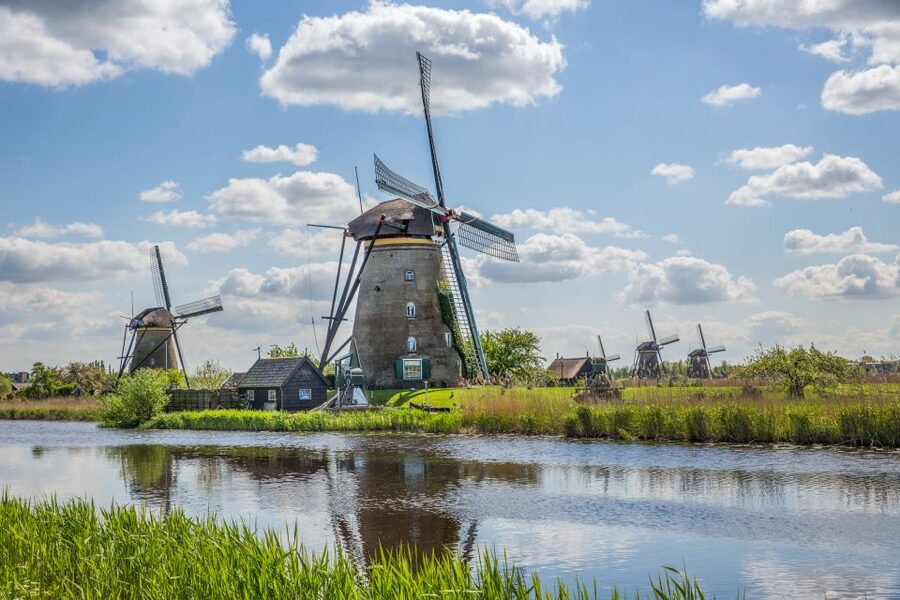
- Nineteen historic windmills create the main spectacle: The sight is far more impressive than a single postcard mill, with a long line of working structures beside the water.
- Two museum mills let you go inside: Blokweer and Nederwaard show how mill families lived and how the machinery moved water.
- The boat is included: Use it to save your legs and see the mills from the canals, but remember that seats are limited and the final departure is 30 minutes before closing.
- The pumping station adds the engineering story: Its engine room explains how wind power and later technology helped control the low-lying polders.
- The visit is flexible but not fully guided: An online audio guide, film, exhibition, and children’s scavenger hunt help you set your own pace.
- Transport is not part of the ticket: The Waterbus is a popular way from Rotterdam, while a bicycle can make the long site easier to cover.
Why Kinderdijk is more than a windmill photo stop
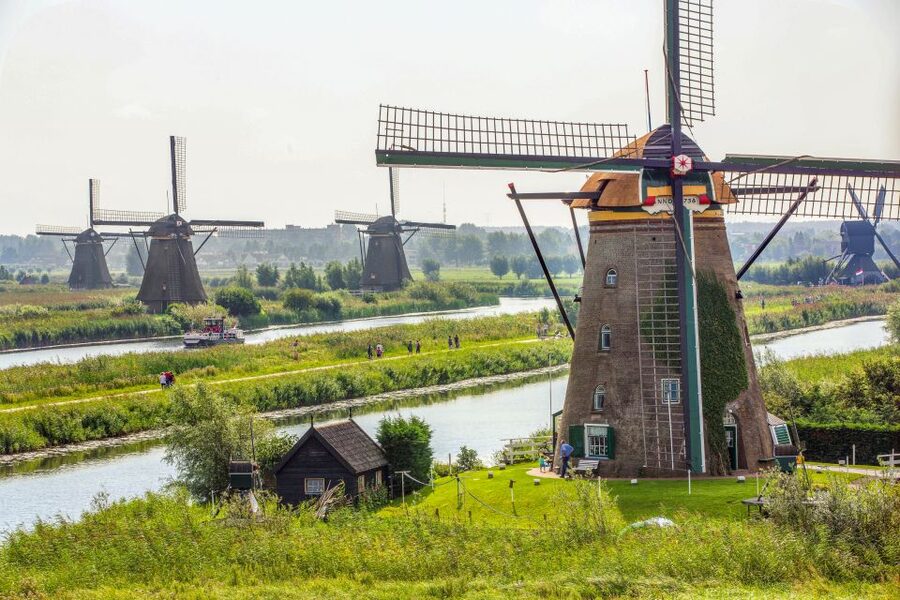
Kinderdijk is a UNESCO World Heritage Site because it shows a long-running Dutch answer to a basic problem: how to live on land that naturally wants to become water. The windmills were not built as decoration. They formed part of a drainage system that moved water out of the polders and helped protect homes, fields, and roads.
That context matters. Without it, you may see nineteen handsome windmills and move on. With it, the canals, dikes, pumping equipment, and mill sails begin to make sense as parts of one large water-control system.
The setting is calm and spacious. You walk beside waterways, old buildings, and working mills rather than through a tightly packed museum. The scene feels especially peaceful in quieter weather, though the same open setting offers little shelter from sun, wind, or rain.
The windmills are also not all identical. Their size, design, and working parts reflect different jobs and periods. The site gives you a chance to look closely at the practical side of Dutch life, not just the familiar silhouette used on souvenirs.
More Attraction Tickets in Rotterdam
- Rotterdam: Rotterdam Zoo Blijdorp Entry Ticket
★ 4.6 · 2,754 reviews - Rotterdam: Euromast Lookout Tower Ticket
★ 4.4 · 2,549 reviews - Efteling Theme Park Entrance Ticket
★ 4.0 · 988 reviews
Arriving from Rotterdam by Waterbus or bicycle
You must arrange your own transport to Kinderdijk. That is important because the ticket covers the heritage site and its activities, not the journey from Rotterdam.
The Waterbus is a popular choice. Several people have used Waterbus 21 from Rotterdam to Alblasserdam, then continued toward the Kinderdijk area. One route described by visitors took about 35 minutes on the direct waterbus, but you should check the current timetable before setting out because departures and connections affect the whole day.
A water taxi or waterbus connection may not be equally easy for every wheelchair user. One accessibility report noted that getting from the water transport to the venue was the difficult part, while the site itself was much easier to manage with a mobility scooter. If access is important for you, check the current transport arrangements before booking.
Driving is possible, but parking can be difficult, particularly at busy times. The site itself is better suited to walking and cycling than to arriving by car and expecting to park right beside every attraction.
A bicycle is a smart option if you want to stay longer. You can walk the paths, but the site covers a generous distance, and bicycles make it easier to move between the entrance, mills, and canals. You can also pack a picnic and turn the visit into a relaxed full day rather than a quick stop.
Start with the film and exhibition
The entrance area helps you understand what you are looking at. An informative film and exhibition introduce the water system, the windmills, and the people who operated them.
I recommend starting here instead of rushing straight to the best photograph. The film is short enough to fit into your schedule, and one report put the boat video at about nine minutes. A few minutes of background can change the way you see the rest of the site.
The online guide includes audio tours in English, Dutch, French, Spanish, Italian, Chinese, and German. The host and greeter languages are Dutch and English, so the audio guide is useful if you want more detail in another language.
You may need to ask at the information desk for the audio tour code. It is not always handed over automatically, so do not leave without checking how to start it.
Families get an interactive scavenger hunt for children. That gives younger visitors a reason to look beyond the general view and notice details in the mills, exhibits, and old buildings.
Inside Blokweer Museum Mill
Blokweer Museum Mill is one of the two mills included in your ticket. The important thing here is the human side of the water system.
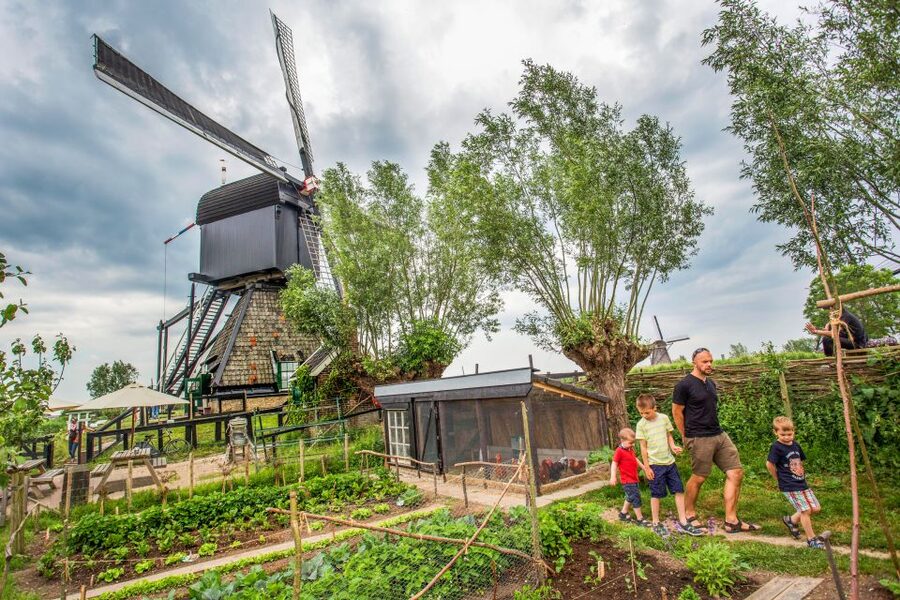
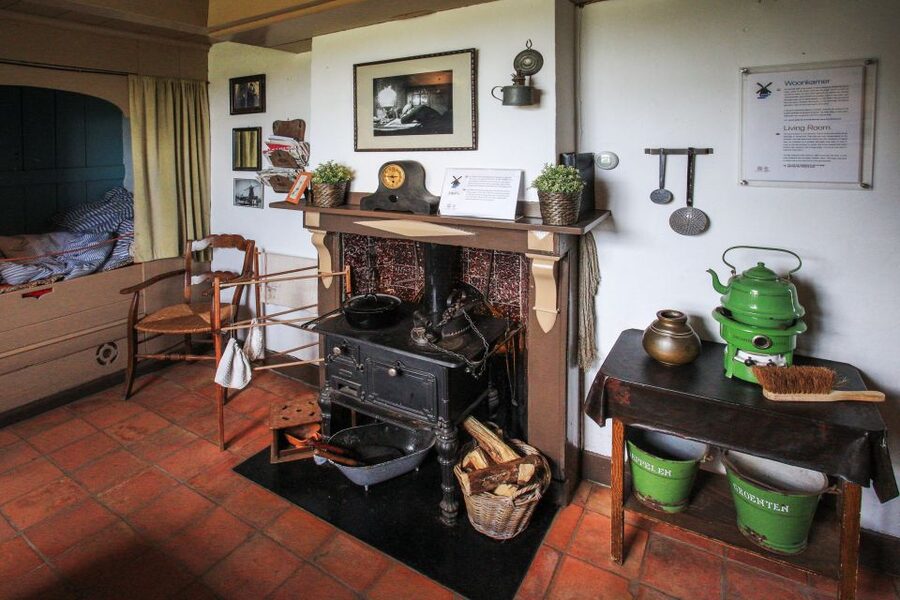
You see how a mill family lived and worked in a windmill, where domestic life took place beside the machinery. The space helps explain that these were homes as well as workplaces. It is a more intimate stop than the broad views outside.
The interiors are compact, so movement can feel tight when the site is busy. Take your time, but be patient when other people are looking at the same rooms or mechanisms.
The mill gives you a useful sense of the daily labor involved. Wind power sounds simple until you see the size of the equipment and understand that the miller had to work with changing wind and water levels.
More Windmill Tours in Rotterdam
- Rotterdam: Waterbus Ticket to Dordrecht and/or Kinderdijk
★ 4.6 · 542 reviews - All-Inclusive Private Windmill Tour to Kinderdijk from Rotterdam
★ 4.5 · 59 reviews - Kinderdijk Bike Tour
★ 5.0 · 35 reviews
See the machinery at Nederwaard Museum Mill
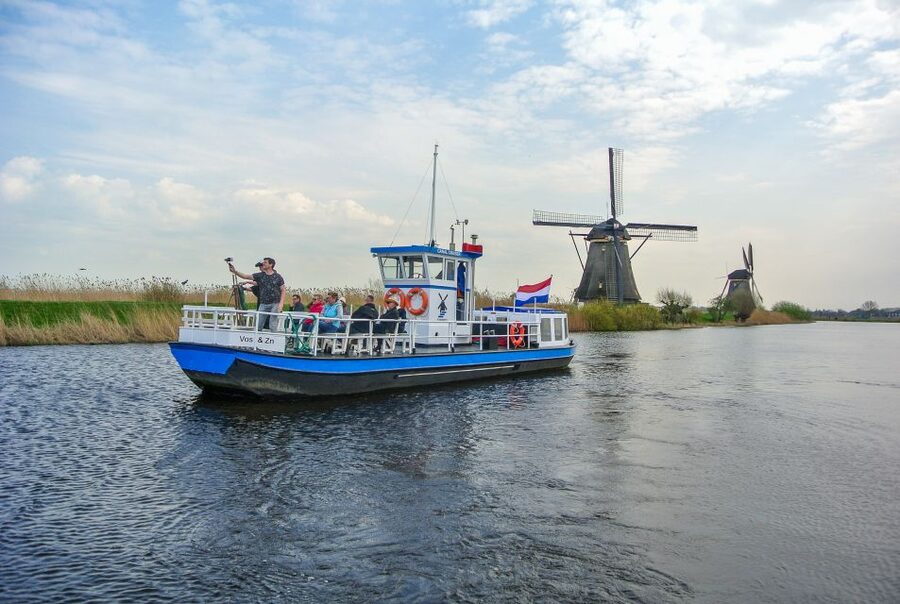
Nederwaard Museum Mill offers another close look at mill life and operation. The two museum mills complement one another, making the ticket more useful than a simple entrance to the paths.
Inside, look for the working parts rather than only the furniture. The machinery demonstrates how wind energy was converted into movement that helped shift water through the drainage system.
Several visitors have particularly enjoyed seeing a working mill in motion and watching the miller adjust the sails outside. That is one of the strongest reasons to pay for the ticket. A photograph shows the shape of a windmill, but the turning parts show its purpose.
The mills are not polished theme-park displays. Their value comes from seeing real working systems and the cramped conditions in which families lived. If you have limited mobility, the site is generally accessible and mobility-scooter friendly, but individual historic interiors can still be more challenging than the outdoor paths.
Ride the boat through the polders
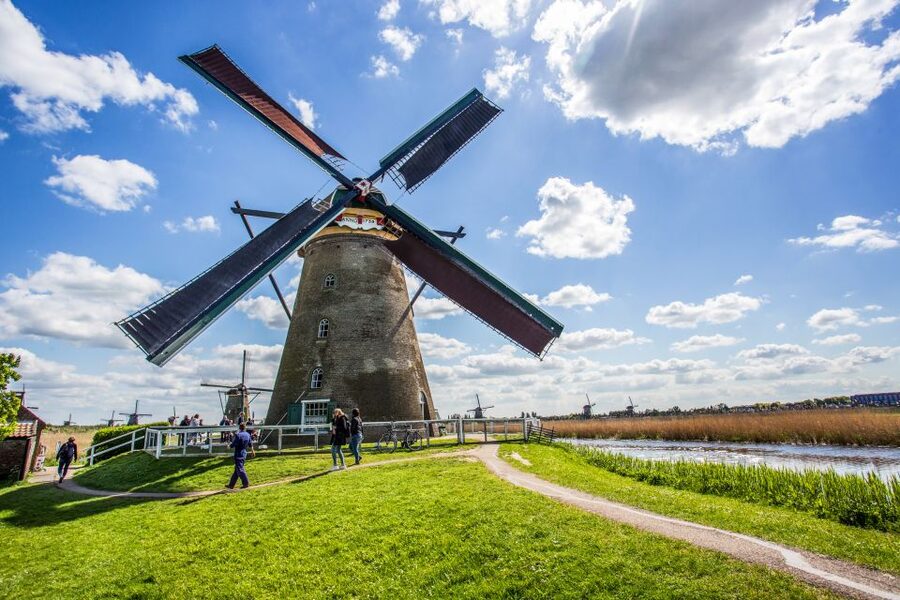
The included tour boat is one of the most enjoyable parts of the visit. From the water, you get a different view of the mills, canals, dikes, and low-lying fields.
The ride also saves energy. Walking the entire site can take several hours, and one long stretch has little shade. You can use the boat to reach stop-off points, then walk to the museums rather than covering every section on foot.
Boat capacity is limited, especially during busy periods. Arrive early if the ride is a priority, and allow time for a wait. The last boat leaves 30 minutes before closing, so do not leave the ride until the final moments of the day.
Bad weather can stop the boats from sailing. The windmills may still be worth seeing in poor weather, but you should not treat the boat as guaranteed. The site is exposed, so bring clothing suited to wind and rain as well as sunshine.
A useful approach is to take the boat in one direction, then walk back at your own pace. That gives you the water view and lets you stop at the mills without spending the whole day aboard. If the boat is crowded, walking and cycling remain good alternatives.
Visit the pumping station engine room
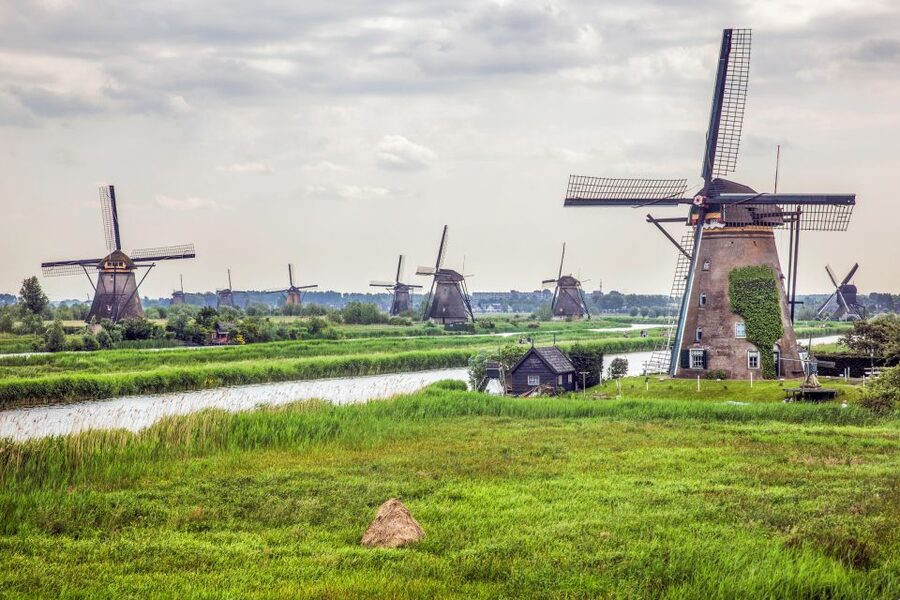
The pumping station adds a modern chapter to the story. The engine room shows how technology developed alongside the old windmills to control water more efficiently.
This stop helps prevent the visit from becoming a collection of pretty buildings. You see that Dutch water management continued to change as new machinery became available.
The pumping station is also a good indoor pause if the weather turns wet. It does not replace the windmill interiors, but it completes the explanation of how the whole drainage system worked.
Walking, weather, and the best amount of time
You can see the main attractions in two to three hours if you keep moving. I would allow at least half a day for a comfortable visit, and a full day if you want the boat, both museum mills, the pumping station, the film, photographs, and a picnic.
The paths are well kept, but the distances can surprise you. One route may look short on a map, yet the canals and dikes mean you sometimes walk farther than expected to reach a crossing or the next stop.
There is little shade along the longer stretches. In summer, carry water, wear a hat, and plan breaks. In cooler months, the open water and wind can make the site feel colder than Rotterdam.
Cyclists share parts of the area with people on foot. Keep to the side and watch for bicycles, especially on narrow paths. A bicycle makes the site easier to cover, but it also requires care around pedestrians.
The scenery is at its most striking when the windmills are working. Even when the sails are still, the rows of mills beside the water make a strong picture. Weather can change the mood completely, from bright Dutch postcard to gray, windswept engineering lesson.
Is the $25 ticket good value?
The public walkways allow you to see much of Kinderdijk without buying the full ticket. That makes the paid admission a choice rather than an absolute requirement.
At $25, I think the ticket earns its price when you plan to use the included features. You get:
- Entrance to Blokweer Museum Mill
- Entrance to Nederwaard Museum Mill
- A boat trip through the World Heritage Site
- Access to the pumping station engine room
- The film and exhibition
- An online audio guide
The two museum mills are the core value. They let you enter historic working buildings and see how people lived and worked. The boat adds a pleasant way to view the site and reduces the amount of walking.
If you only want an outdoor stroll and a few photographs, the ticket may feel less necessary. If you want to understand why Kinderdijk matters, the museums and pumping station make the extra cost worthwhile.
Booking ahead can also make entry quicker. The ticket includes free cancellation up to 24 hours before the visit and a reserve-now, pay-later option, which helps if your Rotterdam plans may change.
Who will enjoy Kinderdijk most?
I recommend this experience to first-time visitors to the Netherlands, families, photographers, cyclists, and anyone interested in engineering or water management. It is also a good choice if you want a quiet half-day away from central Rotterdam.
You will enjoy it most if you like setting your own pace. There is no fixed group route forcing you from one stop to the next. You can listen to the audio guide, pause for photographs, ride the boat, or simply walk beside the canals.
It is less suitable if you want a short, fully guided tour with constant commentary. It is also not ideal for anyone who dislikes exposed paths, long walks, changing weather, or waiting for a limited-capacity boat.
For families, the scavenger hunt gives children something active to do. For older visitors, the boat can reduce the walking load, though transport access and historic interiors deserve advance attention if mobility is limited.
Should you book the Kinderdijk ticket?
Book it if you want more than an outdoor view. The working mills, compact living quarters, pumping station, film, audio guide, and boat turn Kinderdijk into a clear lesson in how the Dutch made life possible below sea level.
Skip the paid ticket only if you plan a brief walk and photographs. For most people coming from Rotterdam, I would choose the ticket, travel by Waterbus if the timetable works, arrive early enough for the boat, and allow at least half a day.
Bring water, check the weather, consider renting a bicycle, and do not assume the final boat will wait. Kinderdijk is one of those places where the famous image is accurate, but the machinery and human stories make the visit worth your time.
FAQ
Is transport from Rotterdam included?
No. Transport to Kinderdijk is not included in the ticket. You need to arrange your own journey, with the Waterbus and bicycle travel used by some visitors.
How long is the ticket valid?
The ticket is valid for one day. Opening times vary by season, so check the available date and starting time when booking.
What does the ticket include?
It includes entry to Blokweer Museum Mill, Nederwaard Museum Mill, the pumping station engine room, the film and exhibition, the online audio guide, and the boat trip through the World Heritage Site.
Can I visit Kinderdijk without buying this ticket?
Yes. The outdoor paths and much of the scenery can be accessed without the paid ticket, but the ticket is needed for the included museums, pumping station, and boat experience.
Does the boat always operate?
No. Boats may not sail in bad weather. The last boat departs 30 minutes before closing, and seating is limited.
Which languages are available for the audio guide?
The online audio guide is available in English, Dutch, French, Spanish, Italian, Chinese, and German.
Is Kinderdijk wheelchair accessible?
The Kinderdijk site is wheelchair accessible, and mobility scooters can be used there. Access from water transport may be harder for some disabled visitors, so check that part of the journey before you go.
More Historical Tours
- Rotterdam: Harbor Cruise on a Historic Ship
★ 4.2 · 812 reviews - MUST DO: Rotterdam highlights & history with a local guide
★ 4.5 · 57 reviews - Rotterdam Must Do Tour: Highlights, History, WW2 and Architecture
★ 5.0 · 20 reviews - Amsterdam Food and Cultural Tour with Tastings
★ 5.0 · 2,442 reviews
More Windmill Tours
- Amsterdam: Guided Zaanse Schans, Windmills & Cheese Tour
★ 4.4 · 4,826 reviews - Windmill Tour from Amsterdam, Including Volendam & Marken
★ 4.0 · 4,572 reviews - Amsterdam: Tour to Keukenhof Gardens with Windmill Cruise
★ 4.5 · 2,819 reviews - Zaanse Schans Windmills, Clogs and Dutch Cheese Small-Group Tour from Amsterdam
★ 4.5 · 2,369 reviews
Just added around Rotterdam
- Rotterdam: Summer Cocktail Cruise★ 4.7 · 18 reviews
- Skip the Line: SS Rotterdam Steam Ship Entrance Ticket★ 4.5 · 18 reviews
- Rotterdam: Beer Brewery Noordt Tastings with Optional Tour★ 4.9 · 18 reviews
- Guided 3-Hour Food Tasting Experience in Rotterdam★ 5.0 · 19 reviews
- Private Day Trip from Amsterdam to Rotterdam and the Hague★ 5.0 · 19 reviews
- Rotterdam Must Do Tour: Highlights, History, WW2 and Architecture★ 5.0 · 20 reviews
- Private Day Tour: Rotterdam and The Hague. English or Spanish★ 4.5 · 20 reviews
- Private Day Tour to Keukenhof Gardens – from Amsterdam/Rotterdam★ 5.0 · 20 reviews
Windmill Tours, compared.
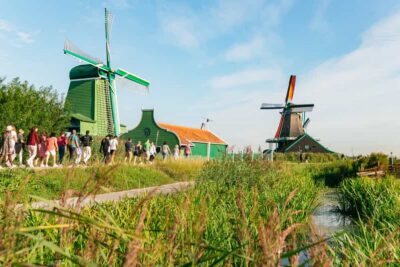
Guided Zaanse Schans, Windmills & Cheese Tour
Read our review →
Windmill Tour from Amsterdam, Including Volendam & Marken
Read our review →
Tour to Keukenhof Gardens with Windmill Cruise
Read our review →
Zaanse Schans Windmills, Clogs and Dutch Cheese Small-Group Tour from Amsterdam
Read our review →
Zaanse Schans windmills & Volendam Guided Tour
Read our review →
Day Tour Keukenhof and Zaanse Schans Windmills
Read our review →
Countryside Bike Tour from Amsterdam: Cheese, Clogs & a Windmill
Read our review →
Zaanse Schans Windmills 4-Hour Tour in Italian
Read our review →Browse the lists this tour appears in