
REVIEW · GOUDA TOURS
Gouda: Museum Gouda Entry Ticket
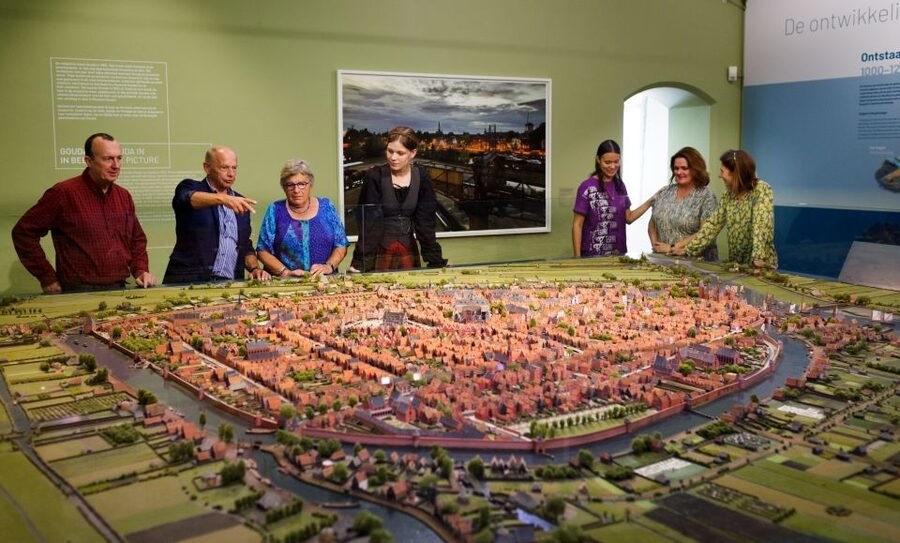
Gouda’s best story is inside its museum. Set in a 14th-century guest house, Museum Gouda brings together altar paintings, civic portraits, pottery, and other works that explain how this South Holland city changed over 600 years. I like the huge interactive model of Gouda in 1562, and I like the chance to see altar pieces that survived the 16th-century iconoclasm.
The $19 ticket is fair if you enjoy art, local history, and ceramics, especially since it remains valid for one day. The main drawback is the lack of a guide and audio guide, so some works can be hard to understand without extra explanation.
In This Review
- Key points
- Why Museum Gouda deserves time beyond the cheese shops
- Entering the 14th-century guest house
- The 1562 Gouda model puts the city in context
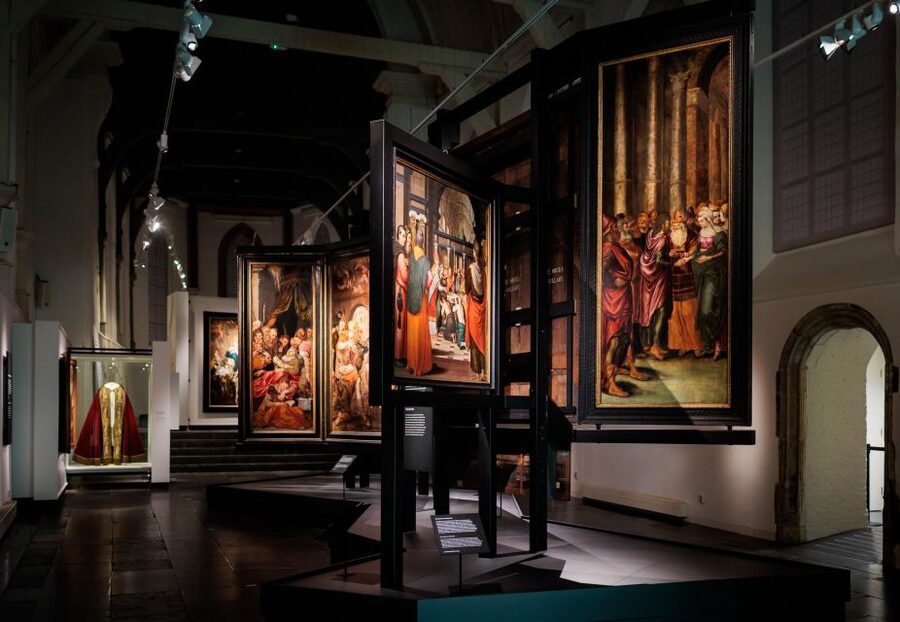
- The altar paintings that survived iconoclasm
- Ferdinand Bol, Isaac Israels, and the city’s art collection
- Civic guard pieces show Gouda in public view
- Gouda clay pipes and the rise of decorative pottery
- Temporary exhibitions can change the shape of your visit
- Is the $19 admission good value?
- Who should visit Museum Gouda?
- Should you book Museum Gouda?
- FAQ
- Where is Museum Gouda located?
- How much does the Museum Gouda ticket cost?
- How long is the ticket valid?
- What does the ticket include?
- Are food and drinks included?
- Is parking included?
- Is Museum Gouda wheelchair accessible?
- What languages are available?
- Can I cancel the booking?
- Can I pay later?
Key points
- A 1562 Gouda model: Use the large interactive maquette to see how the city looked before modern streets reshaped it.
- Rare surviving altar art: See religious paintings that escaped the iconoclasm that swept through the Netherlands.
- Famous Dutch painters: Works connected with Ferdinand Bol and Isaac Israels add national importance to a city museum visit.
- Gouda pottery: Learn how decorative Gouds plateel helped make the city famous far beyond its cheese.
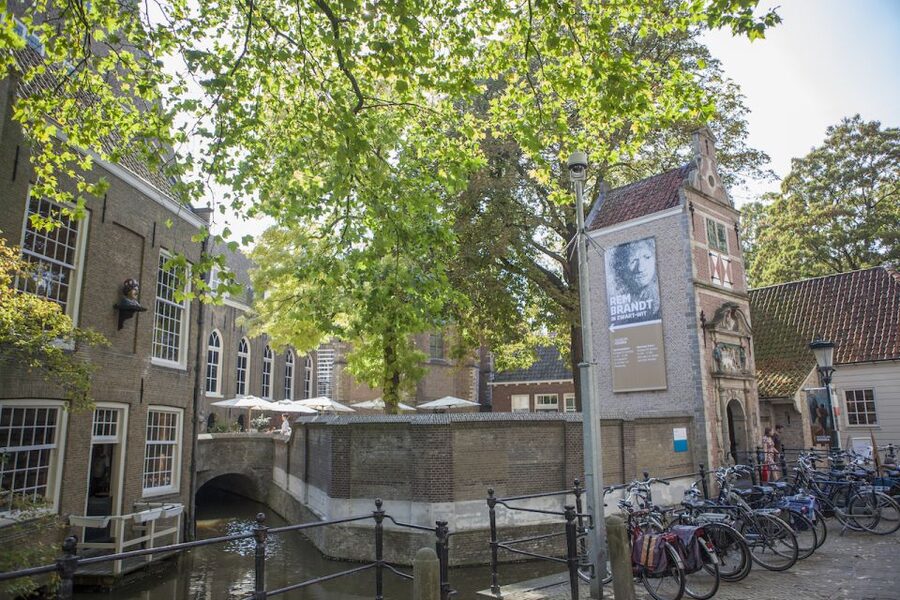
- Historic setting: The museum occupies a 14th-century guest house, giving the visit a strong sense of place.
- Flexible one-day entry: The $19 ticket includes admission, with cancellation allowed up to 24 hours before the visit.
Why Museum Gouda deserves time beyond the cheese shops
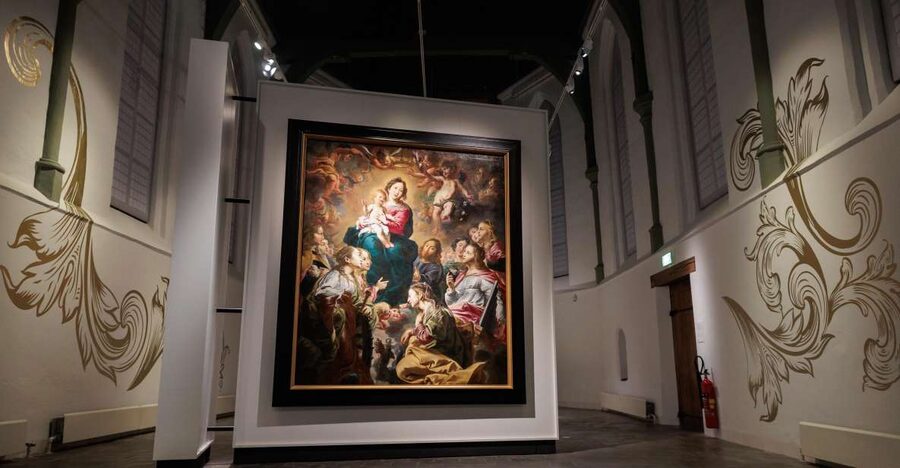
Gouda is often treated as a quick stop for cheese, syrup waffles, and the market square. Museum Gouda gives you a reason to stay longer. Its collection is not built around one famous painting or one narrow theme. Instead, it traces the city through religious art, public life, painting, clay pipes, and ceramics.
That local focus is the museum’s real strength. You are not simply looking at disconnected objects. You are seeing how Gouda presented itself, worshipped, governed, decorated its homes, and remembered its citizens.
The museum covers roughly 600 years, from the 16th century through the 20th century. That broad span makes the visit useful even if you are not an art specialist. You can move from medieval religious work to civic group portraits and then into colorful modern pottery without needing a separate museum for each subject.
I would allow much of a day if you like reading labels and studying details. The ticket is valid for one day, so you are not forced into a rushed visit. If your schedule is tight, you can still make the museum worthwhile by giving priority to the city model, altar paintings, civic guard pieces, and pottery.
More Gouda trips:
- Gouda: Gouda Cheese Experience Entry Ticket
★ 4.6 · 578 reviews - Gouda: Syrup Waffle Factory Ticket with a Waffle
★ 4.5 · 202 reviews - Gouda: Historical Canal Cruise
★ 4.3 · 158 reviews
Entering the 14th-century guest house
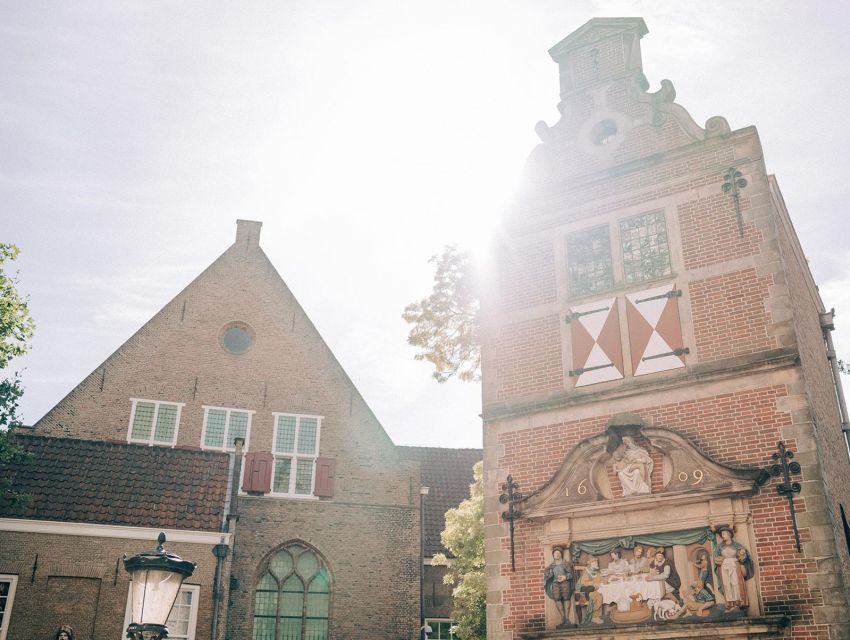
The building matters here. Museum Gouda is located in a guest house dating from the 14th century, so the museum experience begins before you reach the collection. The setting gives the objects a direct connection to Gouda rather than placing them in a modern white box with little sense of place.
I like museums that let the building share the work with the collection. Here, the old structure helps you picture Gouda as a historic city with religious institutions, civic groups, and local trades. The setting also makes the visit feel tied to the streets outside.
The permanent collection and temporary exhibitions occupy the same general visit, which gives you both a dependable core and a chance to see a changing subject. Since temporary displays change over time, check what is showing when you plan your visit. The available information does not specify exhibition dates or themes, so treat them as an extra rather than the main reason to buy the ticket.
The 1562 Gouda model puts the city in context
The large interactive maquette showing Gouda in 1562 is one of the most useful stops in the museum. A city model can turn abstract history into something you can see at a glance. Streets, buildings, and the shape of the town become easier to understand when presented as one physical view.
This is especially helpful if you are exploring Gouda on foot. After seeing the model, you can look at the modern city with a better sense of what has changed and what may still follow older lines. It gives scale to the collection as well. Religious paintings and civic portraits stop feeling like isolated items and become pieces of a city story.
The interactive part also makes this a good pause for families or for anyone who needs a break from framed art. You can spend a short time with it or study it carefully. I would make it an early stop, since it gives you a useful map in your head for the rest of the museum.
The altar paintings that survived iconoclasm
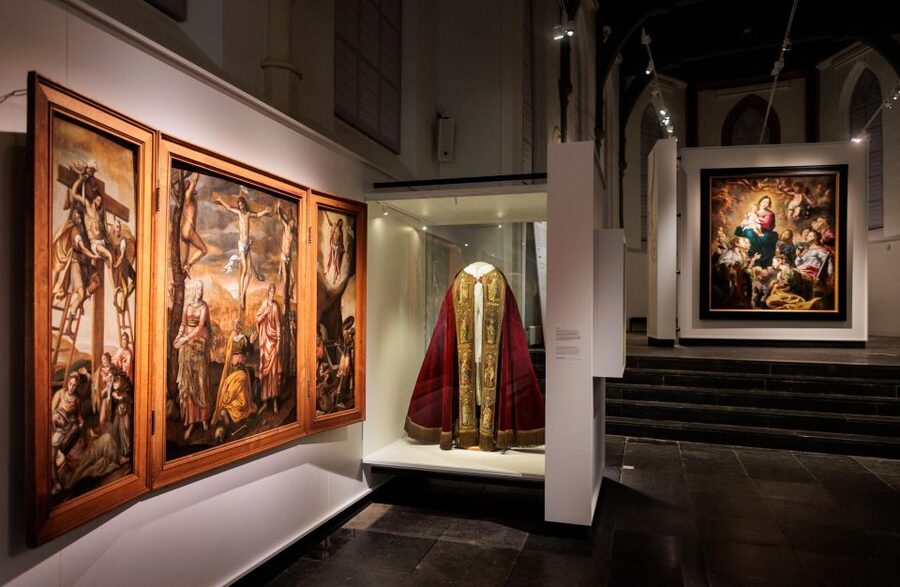
The museum’s religious art carries unusual weight because some altar paintings survived the iconoclasm that swept through the Netherlands in the 16th century. During that period, religious images were destroyed or damaged in many places. Surviving altar pieces are therefore more than attractive old paintings. They are survivors of a major break in Dutch religious and political life.
One highlight is a 16th-century triptych. A triptych gives you more to inspect than a single panel, since the composition unfolds across multiple sections. Look at how the panels relate to one another and how the figures, gestures, and details guide your eye.
You may need to spend extra time with the labels here. A French-language visitor specifically found the lack of an audio guide disappointing and felt that the many works needed more explanation. That is fair advice. If you want a guided interpretation of every painting, this museum may leave you doing more of the work yourself.
Still, the subject rewards patience. Even without an audio guide, you can appreciate the rarity of these works and the fact that they connect Gouda to a much wider Dutch story.
More museums:
- Amsterdam: Van Gogh Museum Ticket
★ 4.7 · 52,054 reviews - Moco Museum Amsterdam Entrance Tickets with Banksy & More
★ 4.4 · 10,088 reviews - Amsterdam: The Upside Down Museum Entrance Ticket
★ 4.4 · 9,506 reviews - Amsterdam: Red Light Secrets Museum Entry Ticket
★ 4.2 · 5,722 reviews
Ferdinand Bol, Isaac Israels, and the city’s art collection
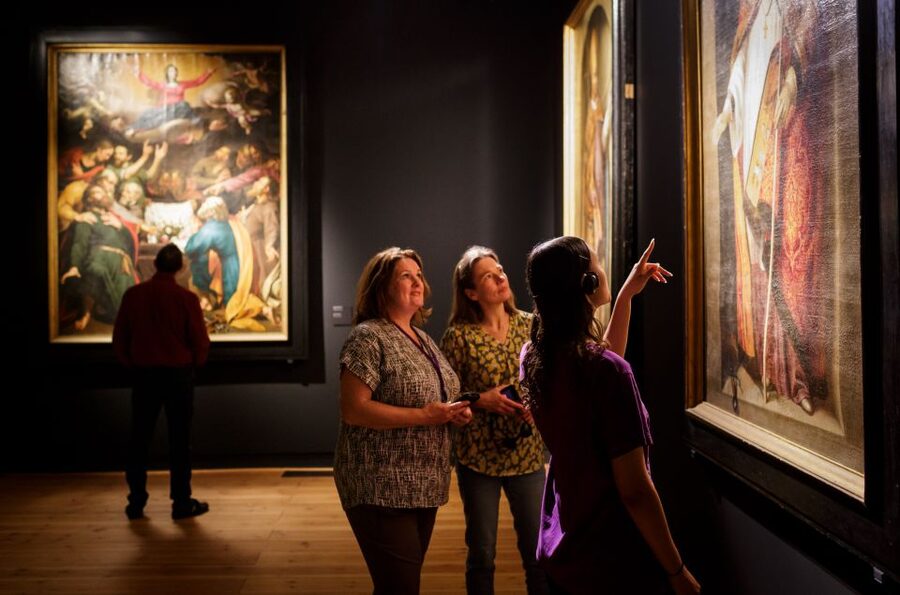
Museum Gouda is not limited to local craftsmen or anonymous historical objects. Its collection includes work by notable painters such as Ferdinand Bol and Isaac Israels. Their presence gives the museum a stronger place in the story of Dutch art.
Ferdinand Bol is associated with the 17th-century Dutch painting tradition, while Isaac Israels represents a later period. Seeing these names within a Gouda collection helps you track changes in style and subject over time. The museum becomes a bridge between local history and national art.
The collection also includes many 19th-century French and Dutch works. That mix broadens the visit beyond the city itself. You can compare local themes with wider artistic trends and see how Gouda’s cultural life connected with developments elsewhere.
A Japanese visitor singled out works linked with Vermeer and Rembrandt, along with the tower model, as especially impressive. The available details do not identify every work in that comment, so I would not plan the visit around seeing a particular original by either master. Instead, use it as a reminder that the museum’s appeal reaches beyond pottery and local documents.
Civic guard pieces show Gouda in public view
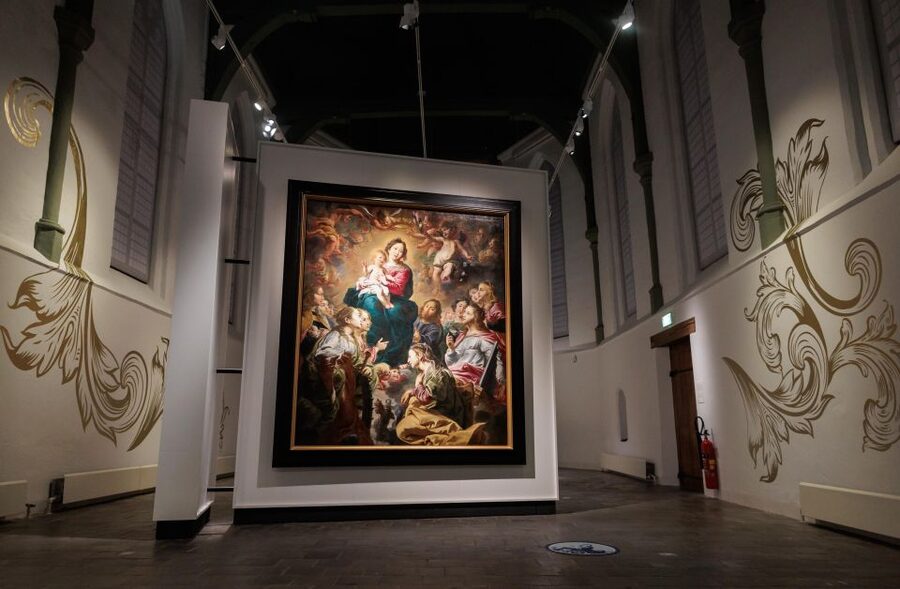
The 17th-century civic guard pieces and militia group portraits offer a different kind of history. These works show organized citizens presented together, often in the formal style that made Dutch civic portraiture so distinctive.
Group portraits can seem crowded at first. Give yourself time to look from face to face and notice how the people are arranged. The point is not only artistic. These paintings preserve a picture of public identity, status, and civic responsibility.
For me, this section helps balance the religious art. The altar paintings show one side of Gouda’s past, shaped by faith and upheaval. The civic guard works show another, shaped by public groups and city life. Together, they make the museum feel like a portrait of a community rather than a room full of unrelated masterpieces.
The drawback is again interpretation. If you do not know why civic guard paintings matter, the portraits may seem formal and repetitive. Read whatever information is available, and do not rush through this section simply because the subjects are standing in similar poses.
Gouda clay pipes and the rise of decorative pottery
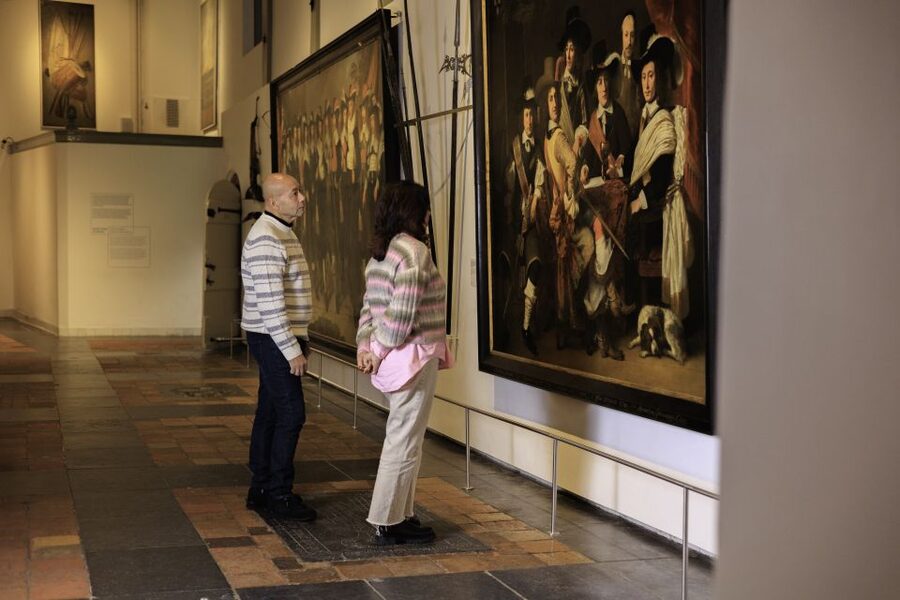
Gouda is famous for more than cheese. The museum explains the city’s pottery tradition, including Gouds plateel, the decorative pottery that became an important part of Gouda’s identity in the 20th century.
The pottery section is likely to be one of the most accessible parts of the visit. You do not need a specialist background to compare shapes, decoration, colors, and finish. The pieces also show how a local craft could become a recognizable city product.
The collection includes the Gouda clay pipe as well. That detail widens the story from decorative display pieces to everyday objects and local manufacturing. It shows how the museum connects art with work, trade, and ordinary life.
I would pay attention to how the pottery changes across the collection. The point is not only that Gouda made attractive ceramics. It is that pottery helped give the city a public identity, one that visitors could carry home.
Temporary exhibitions can change the shape of your visit
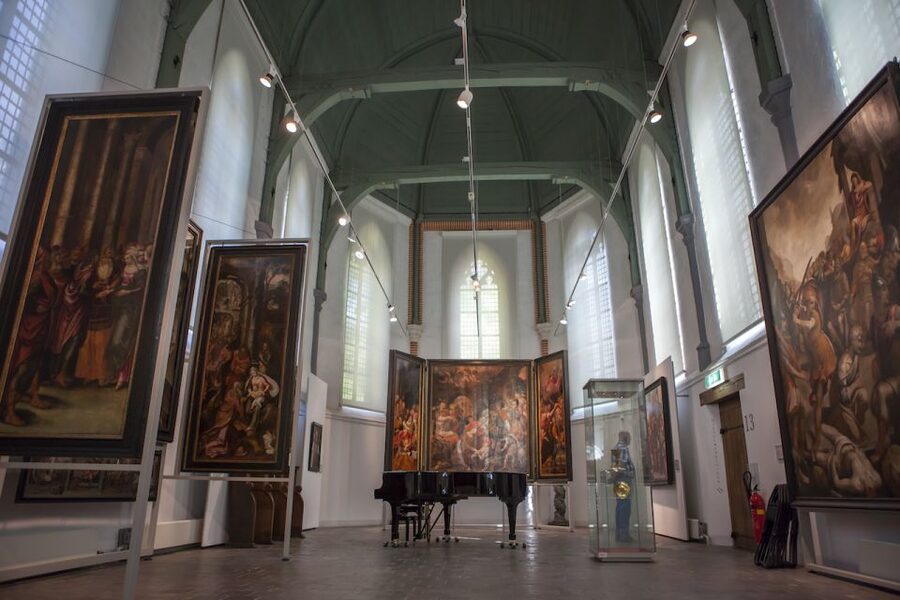
The museum has temporary exhibitions in addition to its permanent collection. These displays can add a new angle to Gouda’s art and history, but their content is not fixed in the information available here.
That means I would check the current exhibition before visiting if you are choosing between several museums in South Holland. A strong temporary show may make the $19 admission feel especially good value. If the temporary display does not appeal to you, the permanent collection still gives you plenty to see.
The one-day ticket helps here. You can visit the main galleries, take a break in Gouda, and return within the same day if the admission terms and museum schedule allow it. The stated duration is one day, but no specific opening hours are provided, so check the day’s schedule before relying on a return visit.
Is the $19 admission good value?
At $19 per person, Museum Gouda is not a throwaway stop, but it offers more than a small local display. You get access to a collection spanning six centuries, a historic building, rare religious art, civic portraits, works by recognized painters, the 1562 city model, and Gouda pottery.
I consider that a reasonable price for visitors who enjoy museums and have time to look carefully. The value is weaker if you only want a quick indoor activity between other Gouda sights. You may see the headline pieces quickly, but the museum works best when you allow yourself time with the details.
Food and drinks are not included, and parking is not included. Those are not unusual exclusions for a museum ticket, but they matter when you build your day’s budget. Plan the museum as one part of a Gouda visit rather than expecting the admission to cover a full-day package.
The booking terms add useful flexibility. You can cancel up to 24 hours in advance for a full refund, and you can reserve now while paying later. Those options help if your South Holland plans depend on weather or changing train arrangements, though the available information does not give transportation details.
Who should visit Museum Gouda?
I would recommend it to anyone who wants to understand Gouda beyond its postcard attractions. Art lovers will find the altar paintings, Ferdinand Bol, Isaac Israels, and 19th-century Dutch and French works worth the price.
It is also a good choice for people interested in local identity. The civic guard paintings, clay pipes, and Gouds plateel explain how the city worked and what it made. The 1562 model gives families and visual learners a clear way into the past.
You should think twice if you need constant spoken interpretation. English and Dutch are the stated languages for the host or greeter, but the available information does not include an audio guide. One visitor found the lack of both a guide and audio guide a real weakness, and I would take that seriously if detailed explanation is central to your museum visits.
The museum is wheelchair accessible, which makes it a practical option for visitors who need an accessible cultural stop. Parking is not included, so plan that separately.
Should you book Museum Gouda?
Book it if you have an interest in Dutch art, local history, historic buildings, or ceramics, and especially if you can give it more than a hurried hour. The surviving altar pieces and interactive 1562 model are the strongest reasons to go, while the civic portraits and Gouda pottery fill out the story.
Skip it if you want a guided experience with every artwork explained aloud. The $19 price is fair for the range of material, but you should be comfortable exploring independently. For most visitors spending a day in Gouda, this is a worthwhile cultural stop that adds substance to a city often reduced to cheese and pretty streets.
FAQ
Where is Museum Gouda located?
Museum Gouda is in Gouda, in South Holland, Netherlands. It is located in a 14th-century guest house.
How much does the Museum Gouda ticket cost?
The listed price is $19 per person.
How long is the ticket valid?
The ticket is valid for one day.
What does the ticket include?
The ticket includes entry to Museum Gouda.
Are food and drinks included?
No. Food and drinks are not included in the admission ticket.
Is parking included?
No. Parking is not included.
Is Museum Gouda wheelchair accessible?
Yes. Museum Gouda is wheelchair accessible.
What languages are available?
The host or greeter languages are English and Dutch. The stated activity languages are also English and Dutch.
Can I cancel the booking?
Yes. You can cancel up to 24 hours in advance for a full refund.
Can I pay later?
Yes. The reserve now and pay later option lets you book while paying nothing at the time of reservation.
Just added around Gouda
- Private tour from Rotterdam to Windmills of Kinderdijk & Gouda Cheese Experience★ 5.0 · 3 reviews
- Gouda Cheese and Delft Blue: Full-Day Private Tour★ 5.0 · 4 reviews
- Gouda Private Walking Tour: History, Architecture & Cheese★ 4.5 · 8 reviews
- Discover Gouda with a self-guided Outside Escape city game tour!★ 5.0 · 13 reviews
- Gouda, Witches & Cheese – Private Day Tour★ 5.0 · 15 reviews
- e-Scavenger hunt Gouda: Explore the city at your own pace★ 4.5 · 19 reviews
- 2-Hour Walking Tour in Gouda All inclusive★ 5.0 · 48 reviews
- Gouda: Entry Ticket to Church of St. John with Audioguide★ 4.5 · 48 reviews
Gouda Tours, compared.
Entry Ticket to Church of St. John with Audioguide
Read our review →

e-Scavenger hunt Gouda: Explore the city at your own pace
Read our review →
Browse the lists this tour appears in