
REVIEW · LEIDEN TOURS
Leiden: Hortus Botanicus Entry Ticket
Leiden grows history in living color. The Hortus Botanicus Leiden is the Netherlands’ oldest botanical garden, founded in 1590, and I like its unusual mix of early European tulip history and plants from far beyond Europe. I also like that you can explore at your own pace, without being tied to a tour group or fixed route.
The main consideration is timing. Some of the garden’s most unusual plants flower only during certain months, so you will not see every highlight on every visit. At about $13 per person, the ticket is a fair buy for plant lovers, history fans, and anyone wanting a quiet break in Leiden, but a short visit may feel less rewarding if you rush through in under an hour.
In This Review
- Key points to know before you go
- Entering the Netherlands’ oldest botanical garden
- The Front Garden and Clusius Garden
- The Japanese Garden and plant exchange with Japan
- Tropical orchids and Southeast Asian plants
- Carnivorous plants and unusual collections
- Seasonal highlights worth planning around
- Ancient trees and the outdoor garden
- How much time should you allow?
- Is the $13 ticket good value?
- Who will enjoy Hortus Botanicus Leiden most?
- Practical advice for a better visit
- Should you book this Leiden garden visit?
- FAQ
- Where is the Hortus Botanicus Leiden?
- How much does entry cost?
- How long does the visit take?
- Is the ticket valid for the whole day?
- What is included in the ticket?
- Are food and drinks included?
- Is the garden wheelchair accessible?
- What languages are available?
- Can I cancel the booking?
- Can I reserve now and pay later?
Key points to know before you go
- Founded in 1590: This is the Netherlands’ oldest botanical garden and the place where the first tulips in Europe were grown.
- Strong Southeast Asian collection: Tropical orchids and other plants give the glasshouses a very different feel from the outdoor gardens.
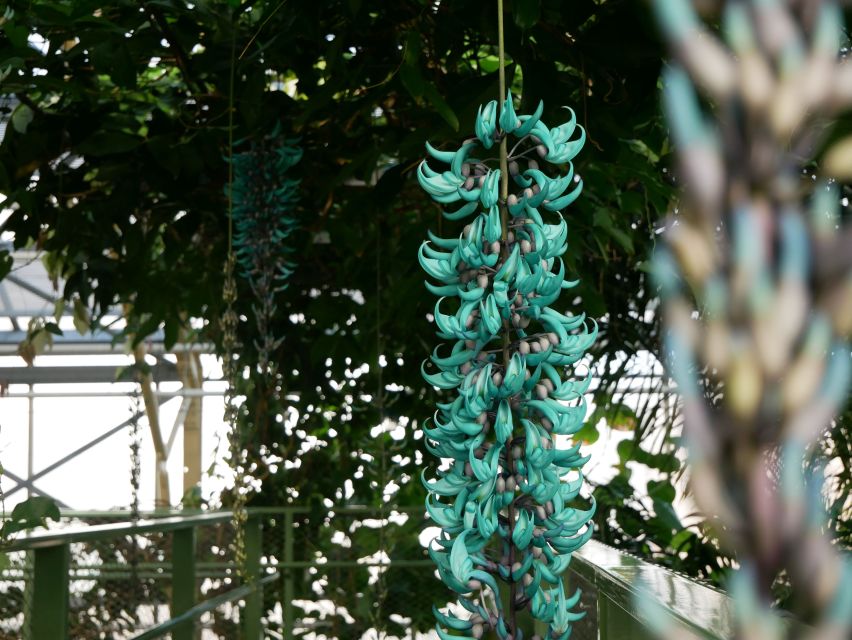
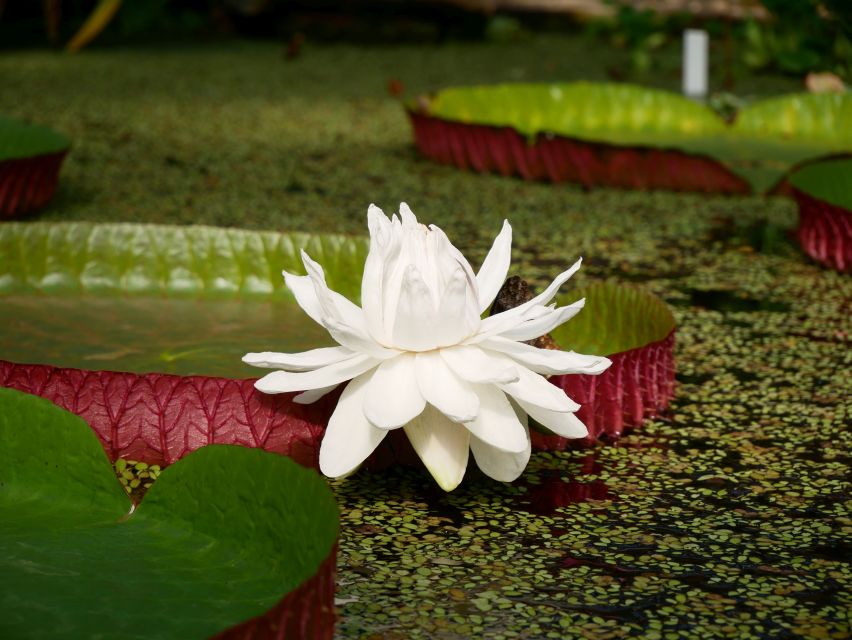
- Seasonal stars: The Jadevine flowers in March and April, Victoria amazonica from June through September, and Chinese Lotus in July.
- Nearly 30 old trees: Several are more than 100 years old, giving the garden shade, scale, and a sense of time.
- Self-guided visit: Plan on about an hour and a half, though your ticket is valid for one day.
- Useful facilities: The site has a souvenir shop, Grand Café, Dutch and English assistance, and wheelchair access.
Entering the Netherlands’ oldest botanical garden
Your visit begins at the front gate, where you exchange your ticket before entering. From there, the route is yours. You can move from outdoor beds to glasshouses, pause under old trees, or focus on a particular plant collection without having to keep up with a guide.
That freedom suits this garden. Botanical gardens reward attention, and you will get more from the visit if you slow down for labels, leaf shapes, flowers, and the differences between plants from separate parts of the world. You do not need to know much about botany to enjoy it, but a little patience makes the experience richer.
The garden dates to 1590, which gives the visit a useful historical layer. This is not simply a pleasant green space. It is tied to the development of plant study in the Netherlands and to the arrival of tulips in Europe. The tulip connection is especially fitting in the Netherlands, though the garden offers much more than spring bulbs.
The listed visit time is about 90 minutes. That is enough for a good first look, particularly if you keep moving. If you want to read plant information, linger in the glasshouses, and stop for food or coffee, allow more time within the one-day ticket period.
More Leiden trips:
- Leiden: Guided City Canal Cruise
★ 4.6 · 724 reviews - Leiden: Cruise through the Historic City Center with Guide
★ 4.6 · 445 reviews - Leiden: Windmill and Countryside Cruise near Keukenhof
★ 4.3 · 179 reviews
The Front Garden and Clusius Garden
The Front Garden gives you an easy introduction to the site. It is part of the historic setting and helps connect the modern visitor with the garden’s early purpose: collecting, growing, and studying plants from different places.
The Clusius Garden is one of the most important stops for anyone interested in plant history. Its name recalls the garden’s long connection with early botanical work, including the tulips that were first grown in Europe here. You can appreciate the story without turning the visit into a formal history lesson.
I would make this area a priority near the start of your visit. It gives context to the plants you will see later. Instead of viewing each flower as decoration, you begin to see the garden as a record of plant exchange, cultivation, and scientific curiosity.
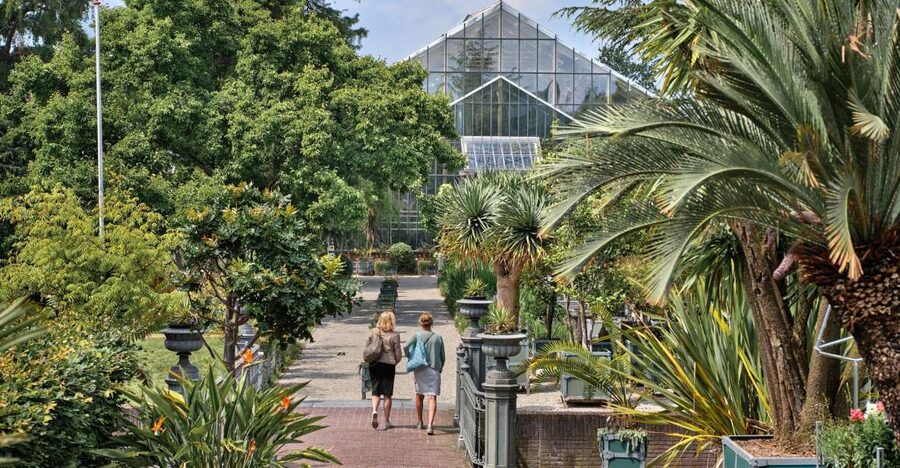
The recently built glasshouse adds a newer architectural element to the older garden. That contrast works well. Outdoor areas show the garden’s age and trees, while the glasshouse lets you see plants that need warmth and controlled conditions.
The Japanese Garden and plant exchange with Japan
The Japanese Garden offers a quieter change of pace. Its importance comes from more than its design. It reflects the historical exchange of plants between Japan and the Netherlands, a connection that gives the garden a wider cultural frame.
This is a good place to pause rather than rush toward the tropical collections. The visit moves between living displays and the stories behind how plants reached Leiden. The Japanese Garden helps you think about those connections without requiring a long museum-style explanation.
Because the garden combines outdoor areas with enclosed collections, the experience works in changing weather. You can spend time among the trees and seasonal planting, then step inside if the conditions are less comfortable. The ticket is not tied to a single short entry window, so you have some room to choose your pace.
Tropical orchids and Southeast Asian plants
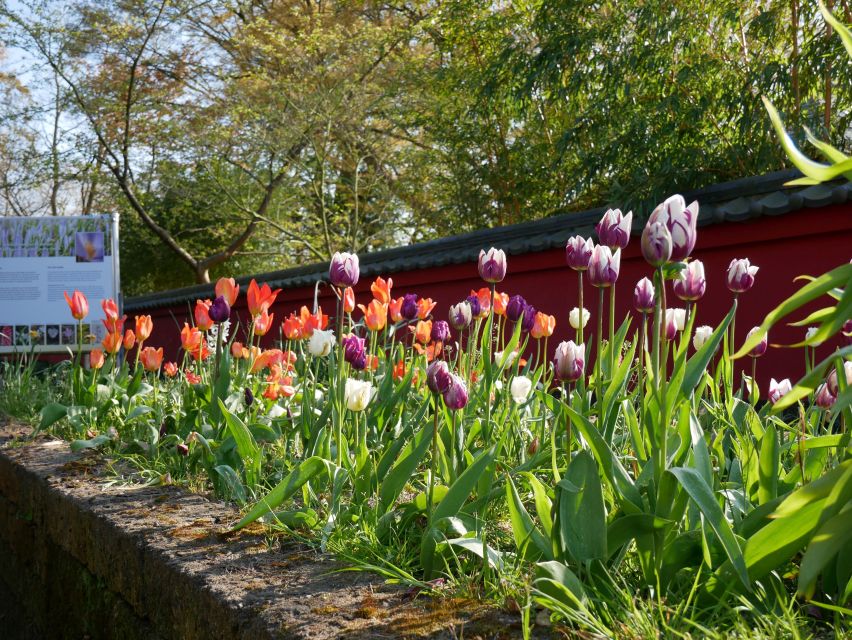
The tropical collections are likely to be the most striking part of the visit. The Hortus Botanicus has a strong focus on Southeast Asia, and the glasshouses give you a taste of humid jungle conditions even though you are in central Leiden.
Tropical orchids are a major attraction. Their shapes and colors reward close viewing, and the warm setting creates a clear contrast with the cooler outdoor garden. This section is especially useful when the outdoor beds have less in flower.
You will also find other tropical plants, including rare species and plants that are endangered around the world. That conservation angle gives the displays more purpose. You are not just looking at exotic foliage chosen for appearance. The garden also helps preserve and present plants that face serious threats in the wild.
The glasshouse can feel compact if you expect a huge indoor complex. The value comes from the quality and variety of the collections, not from covering a vast area. Give yourself time to examine the plants rather than treating this section as a quick passage to the next stop.
More attraction tickets:
- Amsterdam: Van Gogh Museum Ticket
★ 4.7 · 52,054 reviews - Amsterdam: Heineken Experience Ticket
★ 4.6 · 30,055 reviews - Amsterdam: Rijksmuseum Entry Ticket
★ 4.7 · 25,535 reviews - Amsterdam: Icebar Entry Ticket with 3 Drinks
★ 4.2 · 14,562 reviews
Carnivorous plants and unusual collections
The carnivorous plant collection adds a playful edge to the garden. These plants catch attention because they break the usual idea of how plants behave. Instead of relying only on soil nutrients, they have developed ways to capture small insects.
This is one of the easier sections to enjoy with children, though adults who like plant adaptations will also find plenty to notice. It brings variety to a visit that could otherwise focus mainly on flowers and trees.
The garden also includes rare tropical orchids and endangered plants from around the world. Together, these collections show the breadth of the Hortus Botanicus. You can move from delicate flowers to plants with unusual feeding habits, then out to large old trees, all within one visit.
The displays are likely to appeal most to curious visitors rather than anyone seeking a traditional sightseeing checklist. There is no single grand view that defines the place. Its rewards come in small discoveries, from a strange leaf structure to a plant flowering for only part of the year.
Seasonal highlights worth planning around
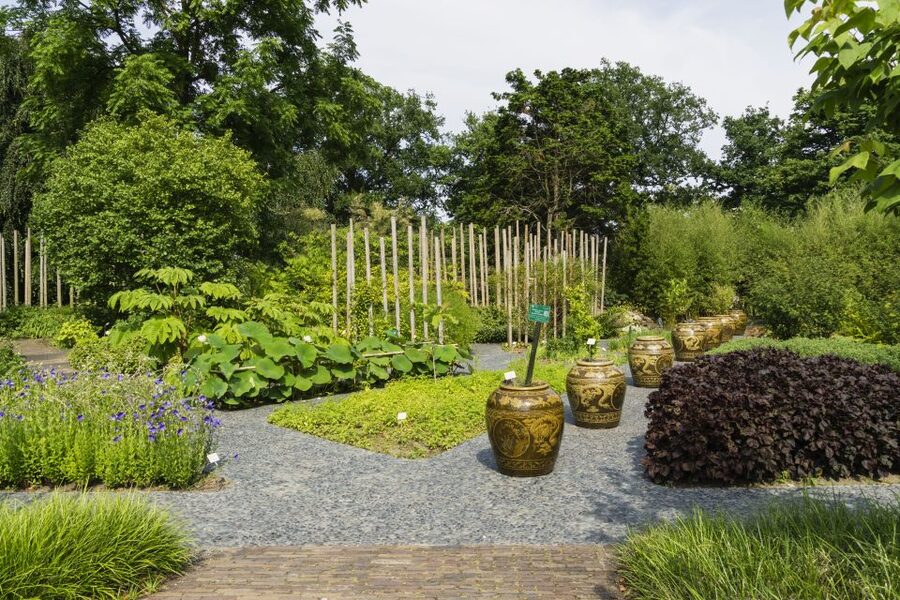
The garden changes noticeably with the seasons. Spring brings flowering bulbs, making it a natural time to visit if you want to connect with the tulip story and see outdoor color. Autumn offers a different pleasure, with walks beneath colorful monumental trees.
Three named plants are especially useful for planning:
- Jadevine: Usually flowering in March and April.
- Victoria amazonica: Usually flowering from June through September.
- Chinese Lotus: Usually flowering in July.
These dates are helpful, but they should not be treated as a guarantee that every flower will be at its best on a particular day. Flowering depends on conditions, and seasonal displays change. Still, if one of these plants is your main reason for going, choose your travel dates with its flowering period in mind.
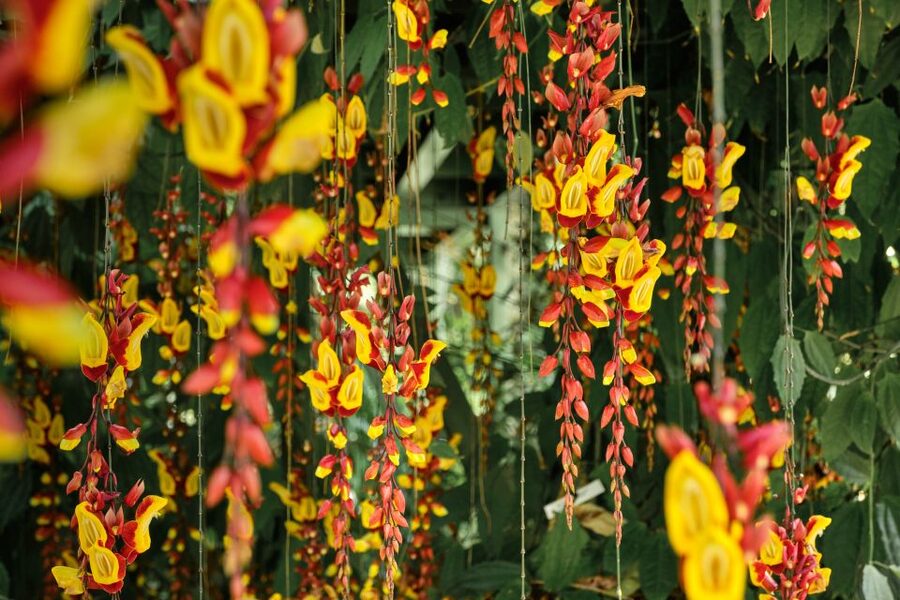
The Victoria amazonica is an especially memorable seasonal feature because it is a large water plant associated with tropical conditions. The Chinese Lotus offers a different type of display in July. The Jadevine, with its unusual hanging flowers, makes March and April a good time for plant lovers who want something beyond the usual spring bulbs.
If you visit outside these periods, the garden is not a poor choice. The old trees, permanent collections, Japanese Garden, and tropical plants remain worthwhile. You simply get a different version of the site.
Ancient trees and the outdoor garden
Nearly 30 trees form one of the garden’s strongest long-term features. Some are more than a century old, and they give the outdoor areas height and calm that young planting cannot match.
I like this part of the experience because it slows the visit down. Glasshouses encourage close inspection, while the trees give you room to walk and look up. In autumn, the old trees become particularly appealing as their leaves change color.
The trees also help explain why the garden can feel historic even when you are looking at plants that were introduced more recently. A plant collection changes over time, but mature trees provide continuity. They make the garden feel like a place that has been tended across generations.
Do not treat the outdoor sections as filler between the glasshouses. They are essential to the experience. If you have only one hour, choose a few key areas rather than trying to see every path at speed.
How much time should you allow?
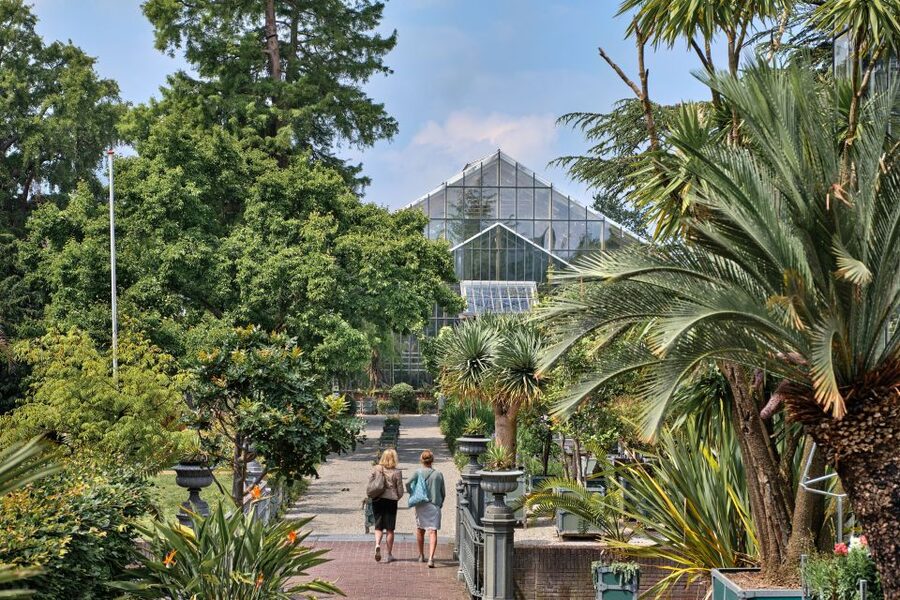
The expected visit takes about an hour and a half. That is a sensible target for a first visit, especially if you want to see the principal outdoor areas, the Clusius Garden, the Japanese Garden, and the tropical collections.
You may need longer if you:
- Read plant labels carefully
- Want to focus on the seasonal flowers
- Plan to stop at the Grand Café
- Browse the souvenir shop
- Are visiting with children who want to examine the carnivorous plants
- Need a slower route through the garden
The ticket is valid for one day, which gives you more flexibility than a tightly timed attraction. You can make a relaxed visit instead of treating the garden as a race. The available start times should be checked when booking, but once inside, the visit is self-paced.
For a busy Leiden sightseeing day, the garden fits well as a 90-minute stop. For a dedicated plant visit, it can anchor a longer outing, especially if you use the café and return to a favorite section.
Is the $13 ticket good value?
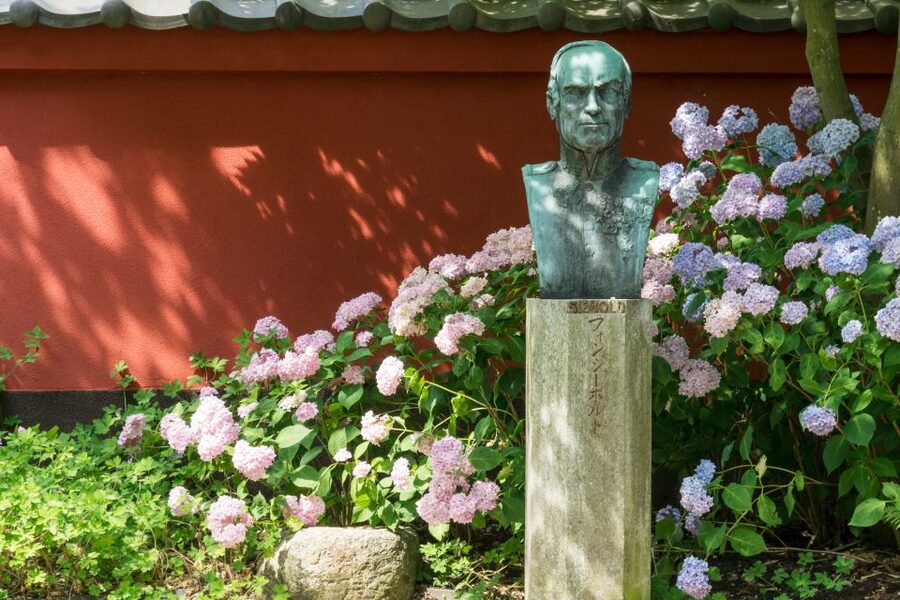
At $13 per person, the admission is reasonably priced for a historic garden with outdoor collections, glasshouses, seasonal plants, and a conservation focus. The value is strongest if you spend at least 90 minutes inside and take time with more than the headline attractions.
The price is less compelling if you only want a quick walk through a small green space. Leiden has pleasant streets and public areas that do not require admission, so the ticket should be judged by what you want from the visit. Here, you are paying for access to a documented botanical collection, special indoor plants, mature trees, and the historic grounds.
Food and drinks are not included. That is normal for an admission ticket, but it matters if you are planning the garden as a full half-day outing. The Grand Café is available before you finish your visit, so you can add a break at your own cost.
The souvenir shop is another small extra. It may appeal if you want a plant-related keepsake, but it is not part of the admission value.
Who will enjoy Hortus Botanicus Leiden most?
I would recommend this experience to you if you enjoy plants, garden design, local history, or quiet sightseeing. It is also a good choice when you want a break from crowded city attractions.
Families can use the carnivorous plants and tropical collections to keep younger visitors interested. Couples and solo visitors may prefer the old trees and Japanese Garden. The garden also suits anyone who wants to see a more specialized side of Leiden rather than only its streets and canals.
You may want to skip it if your schedule is extremely tight, you have little interest in plants, or you are visiting specifically for one seasonal flower outside its flowering period. The garden is attractive year-round, but its strongest features reward curiosity and a slower pace.
The site is wheelchair accessible, which makes it a practical option for many visitors. Assistance is available in Dutch and English, and the activity information lists Dutch and English as the available languages.
Practical advice for a better visit
Check the seasonal calendar before you choose your date. March and April suit the Jadevine and spring bulbs, July is the key month for Chinese Lotus, and Victoria amazonica is listed from June through September.
Plan your route loosely. Start with the historic Front Garden and Clusius Garden, continue to the Japanese Garden, then spend time in the glasshouse collections. Finish outdoors among the old trees, or pause at the Grand Café before leaving.
Give the plants your attention. A quick circuit will show you the basic layout, but the best parts are often smaller. Look closely at the carnivorous plants, compare the tropical orchids, and notice how different the outdoor garden feels from the warm glasshouses.
The ticket allows cancellation up to 24 hours before the visit for a full refund. You can also reserve now and pay later, which may help if your Leiden plans are still shifting. Those options add flexibility, but the main decision is still seasonal: choose the garden for the type of plant display you want to see.
Should you book this Leiden garden visit?
Book it if you want a calm, distinctive Leiden experience with real historical depth and plant collections from around the world. The first European tulip connection, Japanese Garden, Southeast Asian plants, ancient trees, orchids, and carnivorous species give the visit more variety than a standard public garden.
I would especially choose it in spring or summer if you want a seasonal highlight, or in autumn for the old trees and colored leaves. At $13, it is good value when you can give it 90 minutes or more.
Skip it only if you are short on time or have no interest in gardens. For everyone else, the Hortus Botanicus offers a thoughtful change of pace, with enough unusual plants and history to make the admission worthwhile.
FAQ
Where is the Hortus Botanicus Leiden?
The Hortus Botanicus Leiden is in South Holland, Netherlands.
How much does entry cost?
The listed price is $13 per person.
How long does the visit take?
The suggested visit takes about an hour and a half. Your ticket remains valid for one day.
Is the ticket valid for the whole day?
Yes. The entry ticket is valid for one day, with available starting times shown when you check availability.
What is included in the ticket?
The ticket includes entry to the botanical gardens.
Are food and drinks included?
No. Food and drinks are not included, though the site has a Grand Café.
Is the garden wheelchair accessible?
Yes. The activity is listed as wheelchair accessible.
What languages are available?
Dutch and English are available. The host or greeter information also lists Dutch and English.
Can I cancel the booking?
Yes. You can cancel up to 24 hours in advance for a full refund.
Can I reserve now and pay later?
Yes. The booking option allows you to reserve your place and pay later.
Just added around the Netherlands
- Discover Alkmaar with a self-guided Outside Escape city game tour★ 4.5 · 17 reviews
- Amsterdam 1-Hour Rickshaw Tour★ 4.9 · 17 reviews
- 3 hour boarding ticket Summer sailing from Wemeldinge (Zeeland)★ 5.0 · 17 reviews
- Amsterdam: Canal Cruise and Jewish Cultural Quarter Tickets★ 4.2 · 17 reviews
- Keukenhof Gardens and Tulip Experience Tour from Amsterdam★ 4.8 · 17 reviews
- Texel: Electric Fatbike Rental with Map★ 4.8 · 17 reviews
- Amsterdam: Windmills E-Bike Tour to Zaanse Schans★ 5.0 · 18 reviews
- Volendam: 2.5-Hour Cheesemaking Workshop & Clog Making Tour★ 4.5 · 17 reviews
Leiden Tours, compared.

Cruise through the Historic City Center with Guide
Read our review →


Leiden Tour with Live guide and Visit to Rembrandt’s First Studio
Read our review →
e-Scavenger hunt Leiden: Explore the city at your own pace
Read our review →
Private Tour to Kinderdijk and Delft / Leiden / Hague / Gouda
Read our review →Browse the lists this tour appears in