
REVIEW · THE HAGUE TOURS
Oranjehotel World War II Prison Entrance Ticket
One cell carries the weight of a nation. The Oranjehotel in The Hague gives you a quiet, powerful look at imprisonment under Nazi occupation, with an audio guide leading you through documents, photographs, interviews, and personal stories. I especially like the chance to enter Cell 601, the notorious death cell, and the careful focus on prisoners and their families rather than only military events. The four-language audio guide, available in English, Dutch, German, and French, also makes the visit easy to follow at your own pace.
I like that the experience does not rush you through a large collection. Instead, it asks you to stop, listen, and consider stories of hunger, fear, faith, solidarity, and freedom. The main drawback is simple: there is not a huge amount of physical space to explore, and only one cell remains unchanged. If you expect a large museum with many rooms and objects, the visit may feel limited. If you value personal testimony and thoughtful presentation, the $15 price is fair.
In This Review
- Key points to know before you go
- Why the Oranjehotel matters in The Hague
- Entering the prison and getting your bearings
- Following the numbered audio route
- Cell 601 and the reality of a death cell
- Families, resistance, and the cost after 1945
- A serious experience for families
- How much time and energy should you allow?
- Is the $15 ticket good value?
- Who should visit the Oranjehotel?
- Should you book this experience?
- FAQ
- Where is the Oranjehotel located?
- What does the admission ticket include?
- Which languages are available for the audio guide?
- Can I visit Cell 601?
- How many prisoners were executed at the Oranjehotel?
- Is the Oranjehotel wheelchair accessible?
- Is there a live guided tour?
- How long is the ticket valid?
- Can I cancel my booking?
Key points to know before you go
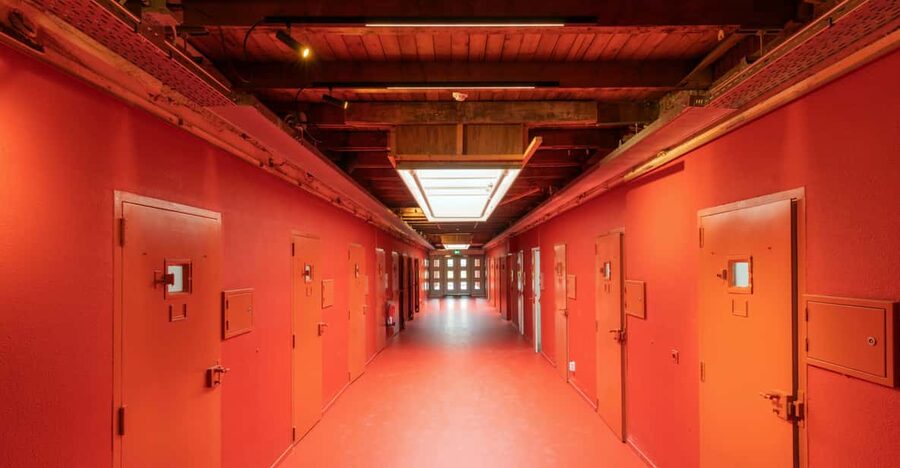
- Cell 601 is the emotional center: Enter the notorious death cell where the stories of condemned prisoners become especially immediate.
- The audio guide sets the pace: Follow the numbered route in English, Dutch, German, or French, stopping when you need time to think.
- More than 250 prisoners were executed: For them, the Oranjehotel was their final destination before a firing squad.
- The story reaches beyond the prison walls: Exhibits explain the effect of arrests, hunger, and uncertainty on families, as well as the rise of Dutch resistance.
- This is a memorial visit, not a light museum outing: Families with children as young as six have found it meaningful, but the subject is serious and emotional.
- The visit is accessible and flexible: Your ticket is valid for one day, wheelchair access is available, and cancellation is allowed up to 24 hours before the visit.
Why the Oranjehotel matters in The Hague
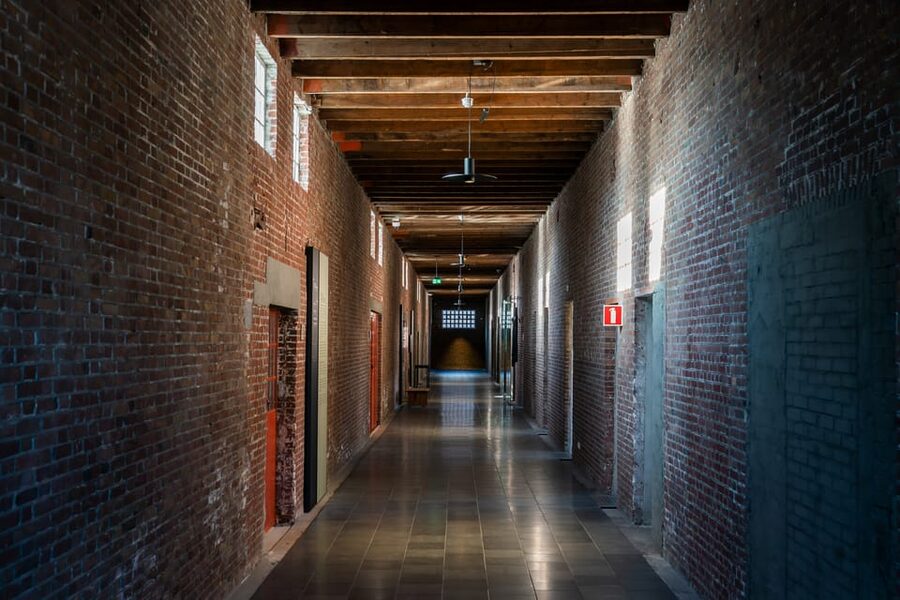
The Oranjehotel was the most important Nazi prison in the Netherlands during the Second World War. Its prisoners included people caught in resistance work, those accused of opposing the occupation, and others swept into the machinery of Nazi rule.
More than 250 prisoners were sentenced to death and executed by firing squad. That fact gives the building a grim importance, but the museum does not reduce the people held there to a number. Its main task is to show what imprisonment felt like: hunger, fear, uncertainty, loneliness, and the strain placed on people waiting for news.
You also learn about hope, faith, solidarity, and the wish for freedom. That balance matters. The Oranjehotel is not only a place of death. It is also a place where people tried to help one another and hold on to their sense of self.
The museum connects the prison to the wider history of the occupied Netherlands. You learn how resistance grew, how arrests disrupted ordinary households, and how the effects continued after the war. I find that family angle especially useful because it shows that imprisonment did not affect only the person behind the door. A detention could leave parents, partners, and children facing fear, silence, financial trouble, and unanswered questions.
More Attraction Tickets in The Hague
- The Hague: Mauritshuis Entrance Ticket
★ 4.7 · 2,706 reviews - The Hague: Madurodam Miniature Park Entry Ticket
★ 4.6 · 1,559 reviews - The Hague: The Pier SkyView Ticket with Drink and Snack
★ 4.4 · 1,398 reviews
Entering the prison and getting your bearings
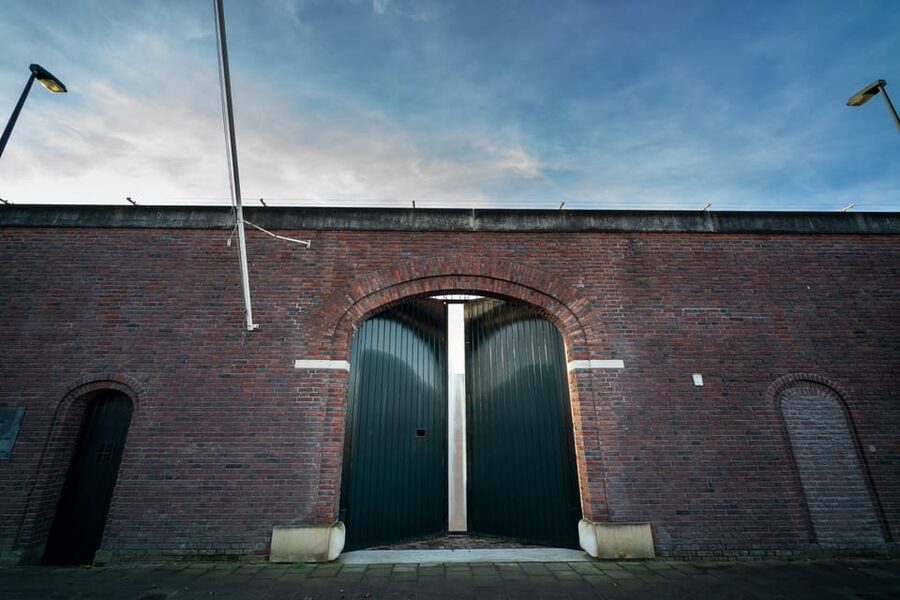
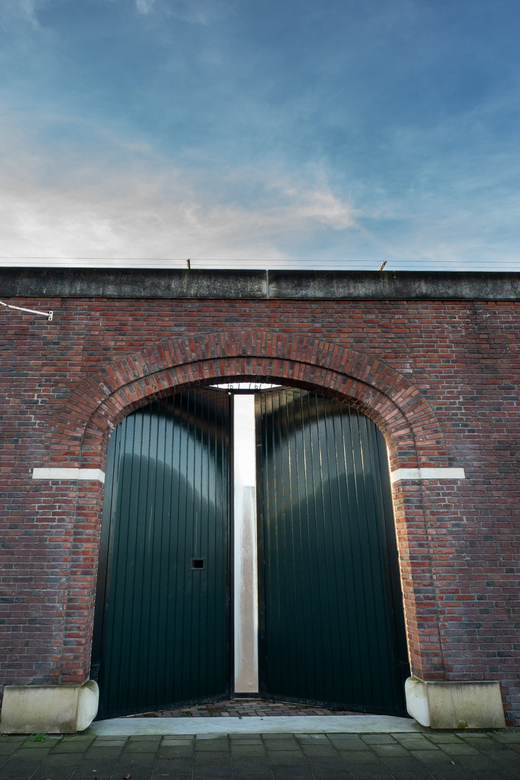
The meeting point is the Nationaal Monument Oranjehotel at Van Alkemadelaan 1258, 2597 BP Den Haag. Once inside, staff provide the information needed to begin, and you follow the numbered route with an audio guide rather than joining a live guided group.
That arrangement works well for this subject. You can pause at a document or photograph instead of being pushed along with a group. You can also give yourself a quiet moment after a difficult story. The staff are described as friendly and helpful, which is useful at a memorial where the tone and instructions need to be clear from the start.
The audio guide is included in the ticket and comes in four languages: English, Dutch, German, and French. For English speakers, that removes one of the main worries at a historical site: missing the meaning behind short labels or unfamiliar names.
Do not treat the one-day validity as a promise that the visit takes a full day. It means you have a day in which to use your admission. The available starting times should be checked when booking, since the ticket information does not give one fixed entry hour.
Following the numbered audio route
The route builds its story through several kinds of material. Documents and photographs provide the hard evidence. Interviews and recorded audio fragments add voices and emotion. Together, they help you move from the history of the building to the experiences of the people held there.
You first encounter the prison as part of the Nazi occupation of the Netherlands. From there, the presentation explains the rise of resistance and the way people could become prisoners. This broad setting is important because it prevents the visit from becoming a collection of isolated tragedies. You see how political pressure, fear, and resistance shaped the prison’s daily reality.
The next part focuses on the prisoners themselves. Stories of hunger, insecurity, and injustice make the experience personal without needing theatrical effects. You might hear about the uncertainty of not knowing what would happen next, or the importance of a letter, a gesture of faith, or help from another prisoner.
This is where the audio guide earns its place in the $15 admission. A silent room can tell you that someone was imprisoned. A voice recording or personal account can help you understand what that fact meant in daily life.
The numbered format also makes the visit manageable for families. Children can follow the sequence and ask questions as they go. One family with children aged six, ten, and thirteen found that the subject held their attention and led to further discussion later in the day. That does not mean every young child will react the same way, but it suggests the presentation can work for families who prepare children for serious material.
Cell 601 and the reality of a death cell
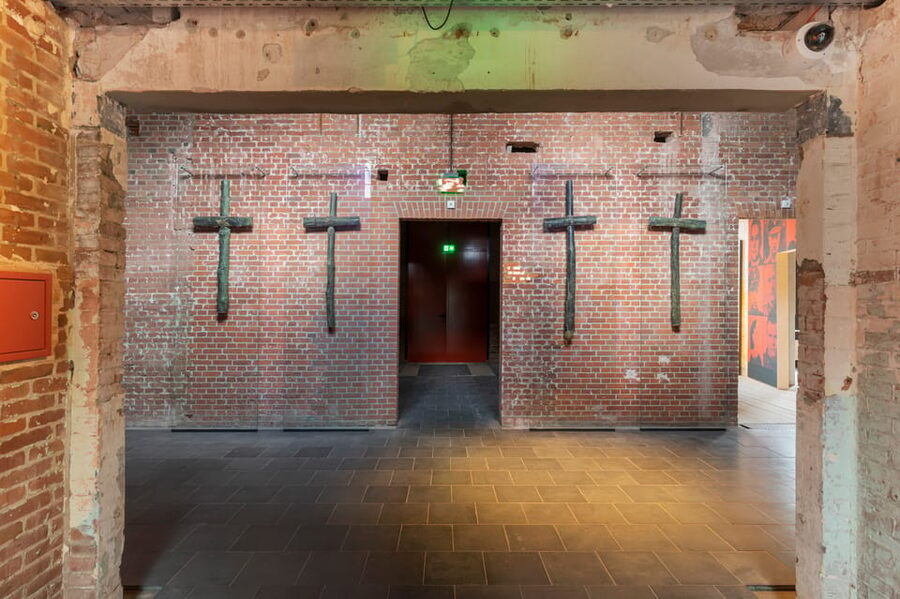
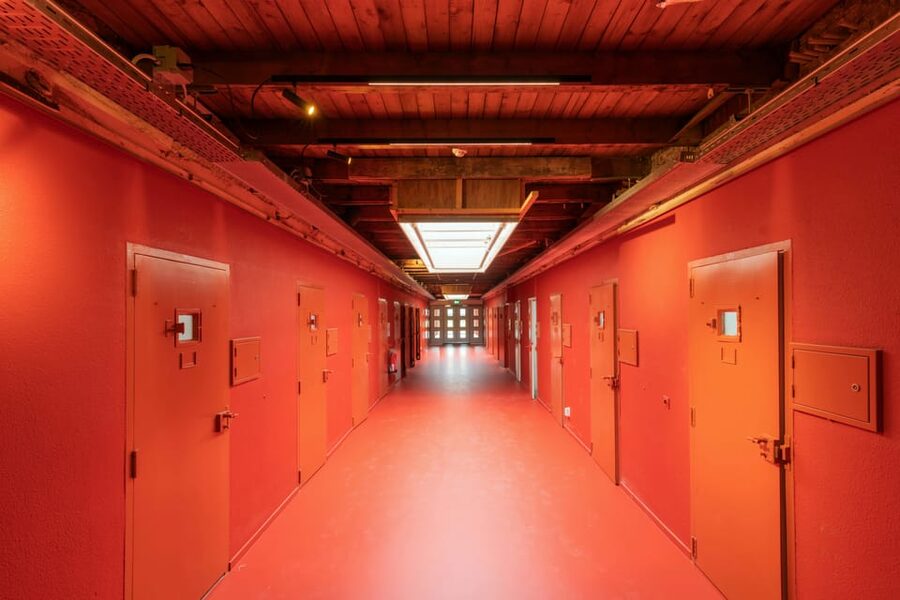
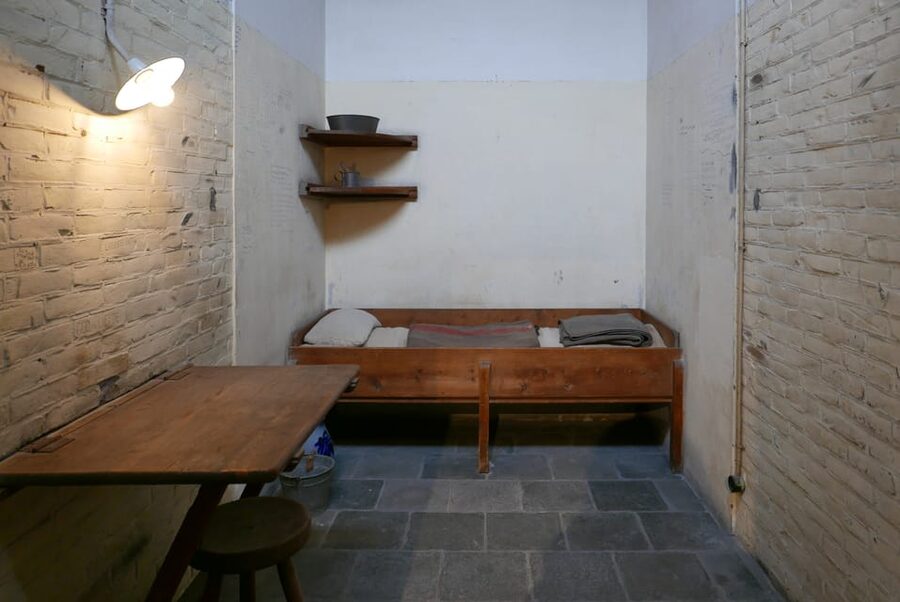
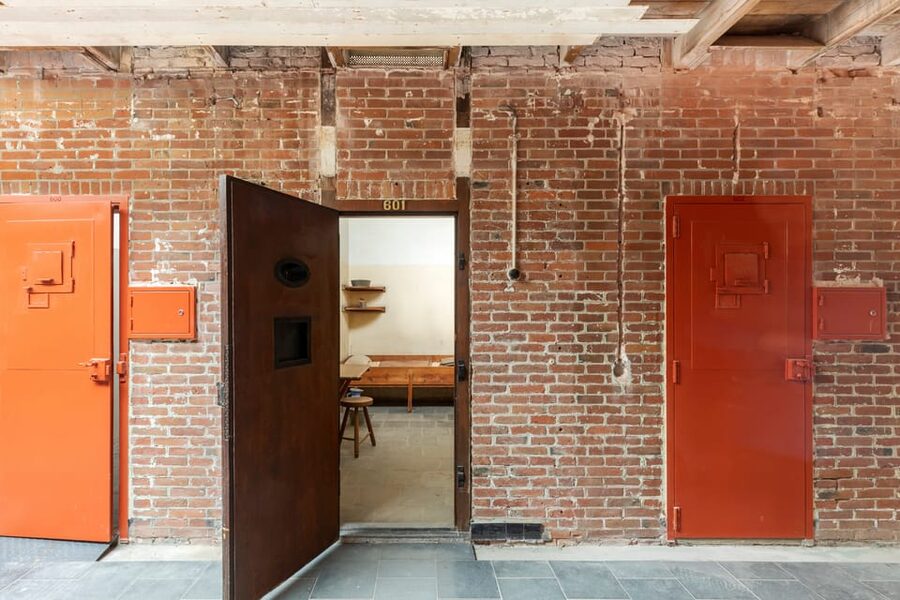
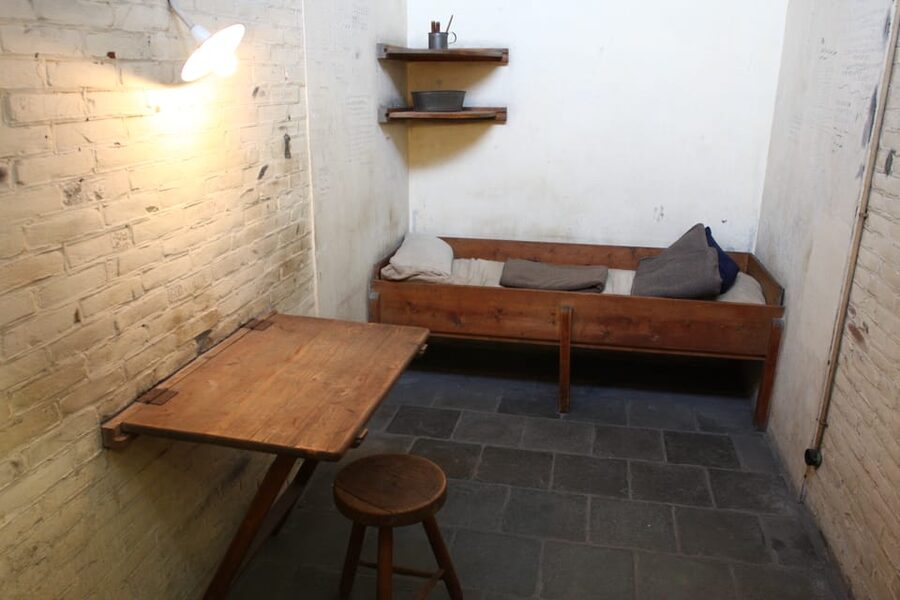
Cell 601 is the stop most people will remember. You can enter this notorious death cell and consider the final stage faced by prisoners sentenced to execution.
The power of the cell comes from its plainness. It does not need a large collection of objects to make its point. The space is a physical reminder that a person could be reduced to waiting behind a locked door, separated from family and any normal sense of time.
The museum links the cell to the stories told throughout the route. You are not simply looking at an old room. You are listening to accounts of people who faced fear, injustice, and the possibility of death. That connection between place and testimony gives Cell 601 its weight.
There is an important limitation here. Only one cell remains unchanged, and some people may wish that more of the prison had been preserved in its original condition. If your main reason for coming is to inspect historic rooms, you may find the physical section short. The museum’s strength is its interpretation, not the number of cells you can enter.
Give yourself time at this stop. The experience is better when you resist the urge to treat it as a quick photo opportunity. The point is not to collect an image of a cell, but to understand what it represented to the prisoners who faced execution.
More WWII and Jewish history tours:
- Amsterdam: Life of Anne Frank and World War II Walking Tour
★ 4.8 · 10,467 reviews - Anne Frank Walking Tour Amsterdam Including Jewish Cultural Quarter
★ 5.0 · 1,879 reviews - Amsterdam: Dutch WWII Resistance Museum Entry Ticket
★ 4.7 · 951 reviews - Anne Frank and Jewish Quarter Amsterdam Private Walking Tour
★ 5.0 · 684 reviews
Families, resistance, and the cost after 1945
The Oranjehotel also explains how imprisonment damaged family life. A prisoner’s absence could create fear and confusion at home. Relatives might not know where someone had been taken, what charges had been made, or if a letter would ever arrive.
This wider view makes the museum more useful than a simple account of prison administration. You begin to see occupation as something that reached into kitchens, bedrooms, workplaces, and family conversations. The prison was one part of a much larger system of disruption.
The rise of resistance is another important thread. The exhibition helps you understand how opposition developed in an occupied country and how that opposition brought danger. Resistance is often described in heroic terms after the fact, but the Oranjehotel gives more space to the uncertainty and risk involved.
The material also considers consequences after the war. Liberation did not erase what had happened. Survivors and families had to live with loss, trauma, unanswered questions, and the task of rebuilding ordinary life. For me, this is one of the most valuable parts of the visit because it moves the story beyond 1945.
A visit here can also connect with other Second World War sites. One visitor who had previously visited Sachsenhausen found that the Oranjehotel helped connect the history of Dutch imprisonment with the wider Nazi camp system. You may find that useful if your trip includes several memorials in the Netherlands or Germany.
A serious experience for families
The Oranjehotel can suit families, but age and preparation matter. Children from about eight or ten may be able to follow the stories well, while older teenagers can engage with the moral questions and postwar consequences in greater detail.
The subject includes executions, hunger, fear, and imprisonment. I would explain that before arriving, especially to younger children. Let them know they do not need to rush through every section and that it is fine to ask questions or take a quiet break.
The presentation appears to avoid turning suffering into spectacle. That considerate approach helps families discuss the material without feeling that the museum is using shock for effect. Children have found it interesting enough to continue talking about the war over dinner, which is a sign that the visit can have value beyond the building itself.
Still, this is not a cheerful family attraction. If you need an upbeat activity between sightseeing stops, choose something else. If your family is already visiting The Hague and wants a serious history lesson grounded in individual lives, the Oranjehotel is a strong choice.
How much time and energy should you allow?
The ticket is valid for one day, but no fixed visit length is provided. Your pace will depend on how closely you listen to the audio guide, how much written material you read, and how long you spend with the photographs, documents, and videos.
I would avoid scheduling this as a rushed stop between two timed attractions. The museum asks for attention, and its strongest material may be the part you absorb slowly. You should also leave room afterward to reset, since the subject can feel heavy.
There is no food or drink included. One family combined the visit with tea and cake afterward before cycling into The Hague. That is a sensible plan: place the memorial visit before a quieter break, then continue with less demanding sightseeing.
The staff are noted for being welcoming and clear, which helps the practical side of the visit. Wheelchair access is available. The audio guide and written material give you several ways to follow the story, though the exact arrangement of every display is not specified.
Is the $15 ticket good value?
At $15 per person, this is reasonably priced for a focused historical memorial with admission and an audio guide included. You are paying for access to a preserved site, a structured interpretation, photographs, documents, interviews, and audio fragments in four languages.
The value depends on what you want. If you measure value by the number of rooms, the single unchanged cell and limited physical area may leave you wanting more. If you value personal stories and careful historical explanation, the ticket offers a meaningful hour or more of attention, though the exact time depends on your pace.
The high satisfaction level, with an overall rating of 4.6 from 708 ratings, reflects the experience’s main strengths: thoughtful presentation, emotional impact, helpful staff, and strong educational value. I would not call it entertainment, and the museum is not trying to provide it. Its value comes from helping you understand a difficult part of Dutch history without softening it.
The reserve-now, pay-later option can help if your schedule is still changing. You can cancel up to 24 hours in advance for a full refund. Those policies are useful, but they should not be the main reason to book. Book because you want to give this history your time.
Who should visit the Oranjehotel?
I recommend it most strongly to:
- Adults interested in Dutch history and the Nazi occupation
- Families with older children and teenagers who can handle serious subjects
- Anyone visiting other Second World War memorials
- People who prefer personal testimony to large military displays
- Visitors who want a self-guided experience rather than a live group tour
- Anyone seeking a thoughtful activity in The Hague
You may want to skip it if you dislike audio-guided museums, want a large collection of original objects, or have only a few minutes available. The experience is compact and focused. It will not give you a broad survey of every part of Dutch wartime history.
For many people, that focus is an advantage. The Oranjehotel concentrates on what happened to people inside the prison and what their imprisonment meant outside it. That human scale makes the history easier to grasp and harder to dismiss as something distant.
Should you book this experience?
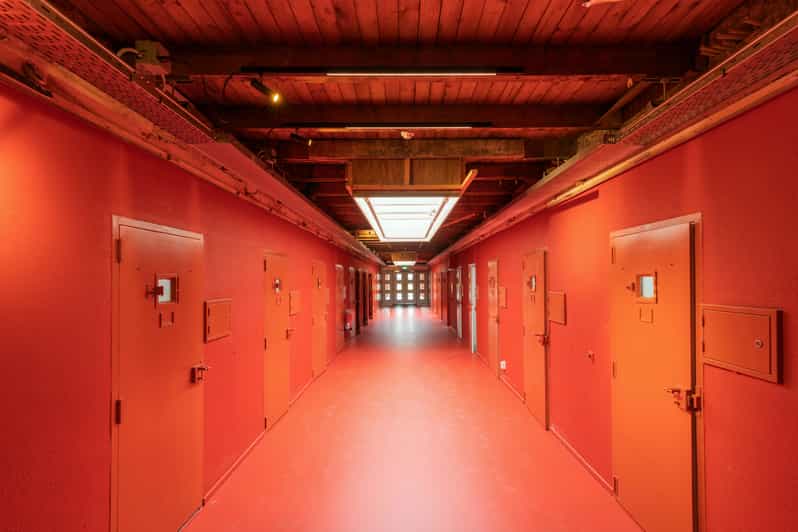
Yes, if you want a serious, well-presented account of the Netherlands under Nazi occupation. Cell 601 is a powerful focal point, but the real strength lies in the combination of personal stories, documents, photographs, recorded voices, and the effects on families.
I would book it as a deliberate visit, not as a filler activity. Allow yourself time to listen, and plan something calm afterward. At $15, the admission is good value for anyone who wants more than dates and battle maps. Just keep your expectations realistic: the prison area is limited, and only one cell remains unchanged.
FAQ
Where is the Oranjehotel located?
The Nationaal Monument Oranjehotel is at Van Alkemadelaan 1258, 2597 BP Den Haag, Netherlands.
What does the admission ticket include?
The ticket includes the entrance fee and an audio guide.
Which languages are available for the audio guide?
The audio guide is available in English, Dutch, German, and French.
Can I visit Cell 601?
Yes. The experience includes entry to Cell 601, described as the notorious death cell.
How many prisoners were executed at the Oranjehotel?
More than 250 prisoners were sentenced to death and executed by firing squad.
Is the Oranjehotel wheelchair accessible?
Yes, the experience is wheelchair accessible.
Is there a live guided tour?
The experience uses an audio guide. You follow the numbered route at your own pace rather than joining a live guided tour.
How long is the ticket valid?
The ticket is valid for one day. Starting times depend on availability.
Can I cancel my booking?
Yes. You can cancel up to 24 hours in advance for a full refund. You can also reserve now and pay later.
Just added around The Hague
- Private Day Trip from Amsterdam to Rotterdam and the Hague★ 5.0 · 19 reviews
- Private Day Tour: Rotterdam and The Hague. English or Spanish★ 4.5 · 20 reviews
- Royal The Hague Private Guided Walking Tour★ 4.5 · 21 reviews
- Private Day Tour: Rotterdam, Delft & The Hague From Amsterdam★ 5.0 · 22 reviews
- e-Scavenger hunt Delft: Explore the city at your own pace★ 4.5 · 26 reviews
- The Hague Private Walking Tour with a Local★ 4.0 · 29 reviews
- The Hague: Street Art Tour by Bike★ 4.8 · 30 reviews
- Amsterdam: Zaanse Schans, The Hague & Rotterdam Tour★ 4.8 · 33 reviews
The Hague Tours, compared.




Hop-on Hop-off Old-Fashioned Heritage Tram Tour
Read our review →

Rotterdam, Delft, the Hague, Madurodam from Amsterdam
Read our review →Browse the lists this tour appears in