
REVIEW · UTRECHT TOURS
Utrecht: DOMunder Entry Ticket with Guide
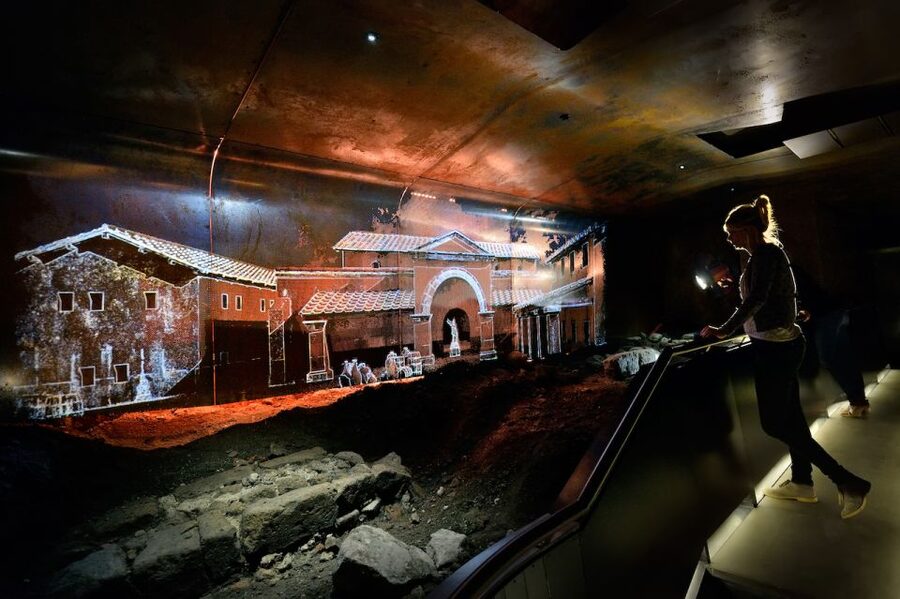
History gets more interesting underground. DOMunder takes you below Utrecht’s Domplein for a 75-minute visit to Roman remains, medieval building traces, and the ruins left after the great storm of 1674. I like the smart flashlight system, which lets you trigger short stories and explanations as you move through the excavation. I also like the clear opening talk, which gives the underground remains a useful timeline instead of leaving you to guess what you are seeing.
The main point to consider is the physical setup. DOMunder is not suitable for wheelchair users, and some visitors with minor mobility problems may prefer a seat during the opening talk. The underground section is also fairly compact, so anyone expecting a long archaeological site may wish there were more time below ground.
In This Review
- Key points before you book
- Starting at Domplein 9 in central Utrecht
- The opening history talk puts the ruins in order
- Going below ground with a smart flashlight
- Roman Utrecht and the oldest remains
- Medieval buildings beneath the modern square
- The 1674 storm and the creation of Dom Square
- How the 75-minute format feels
- Price, language, and practical details
- Who will enjoy DOMunder most?
- Should you book this Utrecht underground tour?
- FAQ
- How long does the DOMunder experience last?
- What is included in the ticket?
- Where do I meet for the tour?
- Is the tour available in English?
- Is DOMunder suitable for wheelchair users?
- Can I cancel my booking?
- Do I have to pay when I reserve?
Key points before you book
- A 2,000-year timeline: Follow Utrecht from its Roman beginnings through the Middle Ages and the dramatic collapse of the Dom Church nave in 1674.
- Smart flashlights guide your visit: Point the light at marked features to activate short audio explanations and visual material.
- The setting is the attraction: You walk below Dom Square, among actual excavated remains rather than through a standard display of objects in glass cases.
- The opening talk matters: The guide explains the history of Domplein first, making the later ruins much easier to understand.
- English and Dutch options: Live guides and audio content are available in both languages.
- Allow 75 minutes: The experience is focused and manageable, but the underground portion itself does not fill the whole time.
Starting at Domplein 9 in central Utrecht
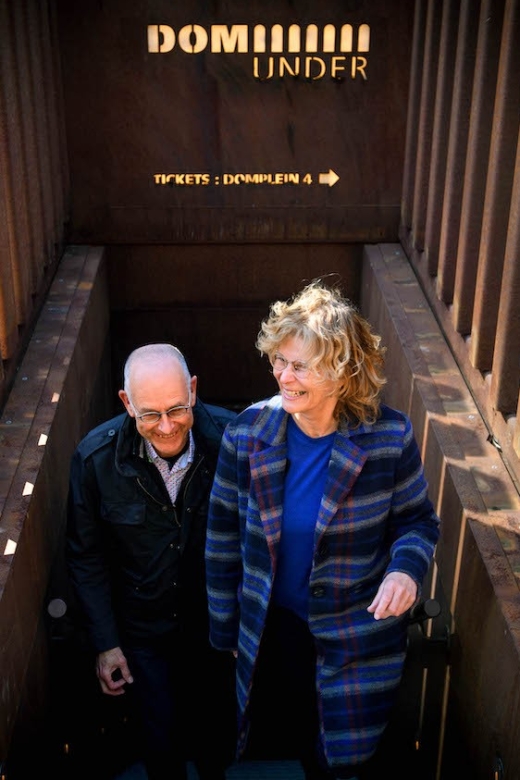
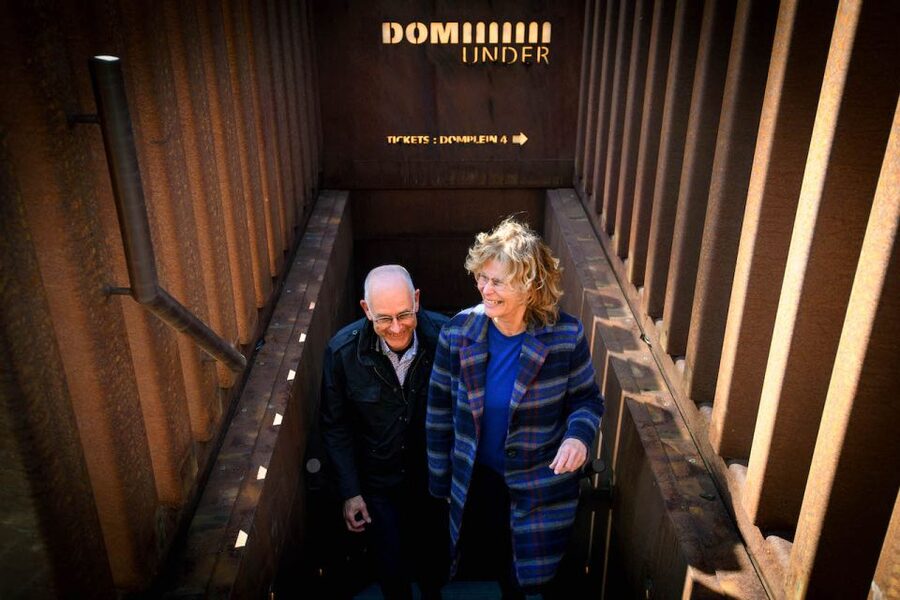
Your visit begins at the Tourist Information Centre at Domplein 9. Scan your ticket at the desk before the tour, then collect the equipment used for the underground portion. It is worth arriving with enough time to locate the desk, since the meeting point can be confusing if you head straight toward the excavation entrance.
The experience takes place under Dom Square, beside Utrecht’s famous Dom Tower and Dom Church. That location gives DOMunder an immediate advantage: you are not studying an isolated archaeological site on the edge of town. You are standing in the very place whose changing buildings and disasters shaped the modern square above you.
The first part is led by a guide. This is not just a quick safety briefing followed by a self-guided visit. The guide sets out the story of Domplein, Utrecht, and the wider European events connected to the site. Past guides have included Christine, Stefan, and Joanna, with visitors praising their clear explanations, friendly manner, and ability to make the material feel like a story rather than a lecture.
The English tours have generally been warmly received, and the Dutch option is available as well. Audio content is also offered in English and Dutch. If you book in English, the live guide gives you the broad picture while the equipment below lets you spend more time on the details that catch your eye.
More Attraction Tickets in Utrecht
- Utrecht: De Haar Castle & Park Entry Ticket
★ 4.7 · 1,350 reviews - Utrecht: Dom Tower Entry Ticket and Guided Tour
★ 4.6 · 513 reviews - Utrecht: De Haar Castle, Park Entry Ticket
★ 4.6 · 153 reviews
The opening history talk puts the ruins in order
The opening talk is one of the most useful parts of DOMunder. Without it, an underground collection of stone foundations can blur together. With it, you have a sequence to follow: Roman Utrecht, the medieval church complex, later construction, and the destruction that created today’s Domplein.
Utrecht’s Roman past is presented as the first major chapter. The site connects with the Roman settlement known as Trajectum, giving you a sense of how old this part of the city is. One especially striking detail noted during the tour is the presence of ancient paw prints in recovered stonework. Small marks like these can make distant history feel unexpectedly close. They show that the building materials were handled in a real working environment, not produced as neat museum pieces.
The guide also explains building styles and construction methods as the timeline moves forward. That is a strong choice. You are not only told that a building once stood here, you get help understanding how people built it and how the site changed over time.
The Middle Ages form the second major chapter. Utrecht’s Dom Church and the surrounding complex became central to the city, and the remains below the square give you a physical link to that period. The guide’s maps and visual aids help show how the church and square once related to one another.
This opening section can be especially valuable if you have already climbed Dom Tower. The tower gives you a view over Utrecht from above, while DOMunder gives you the opposite perspective. Together, the two experiences explain both the city’s skyline and the ground beneath it.
Going below ground with a smart flashlight
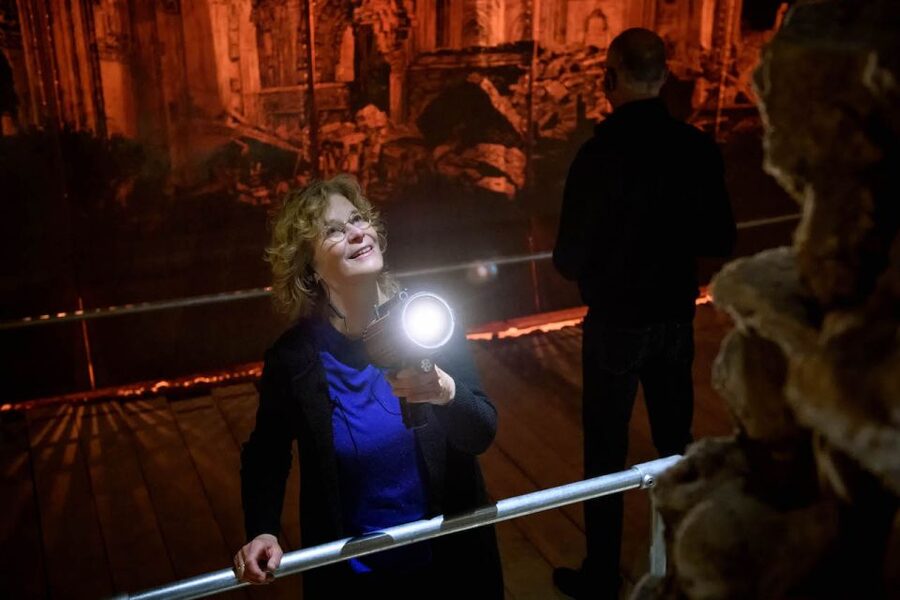
After the guide’s introduction, you head down to the excavation area. You receive a flashlight and headset, then begin exploring the ruins with a degree of independence. The flashlight is more than a simple torch. Pointing it at particular parts of the site activates short audio explanations, so the equipment directs your attention without forcing the whole group to move at exactly the same speed.
This is the feature that makes DOMunder feel different from a conventional museum. Instead of walking past labels in a fixed line, you use the light to choose what to investigate. You can pause over a wall, foundation, or other archaeological feature and hear the related information.
Several people have praised this setup because it is interactive without being complicated. It gives you something to do with your hands, but the technology never replaces the physical site. The real appeal is still the stonework under your feet and the knowledge that these remains belong to the place above you.
The audio clips are short enough to keep the visit moving. You are not required to stand in one spot while a long recording plays, and you can progress at your own pace once inside. That flexibility works well for mixed groups, especially when one person wants every detail and another prefers a quicker look.
The system is not perfect. One visitor found some features difficult to activate with the flashlight. If the technology does not respond immediately, ask for help rather than missing the explanation. The staff and guides have been described as helpful, and the equipment is central to the experience.
The underground area may appeal most to older children, teenagers, and adults who enjoy history presented through objects and movement. One guide described the tour as possibly a little advanced for very small children, and that seems fair. The setting is exciting, but the story depends on following a long sequence of dates, buildings, and changes.
Roman Utrecht and the oldest remains
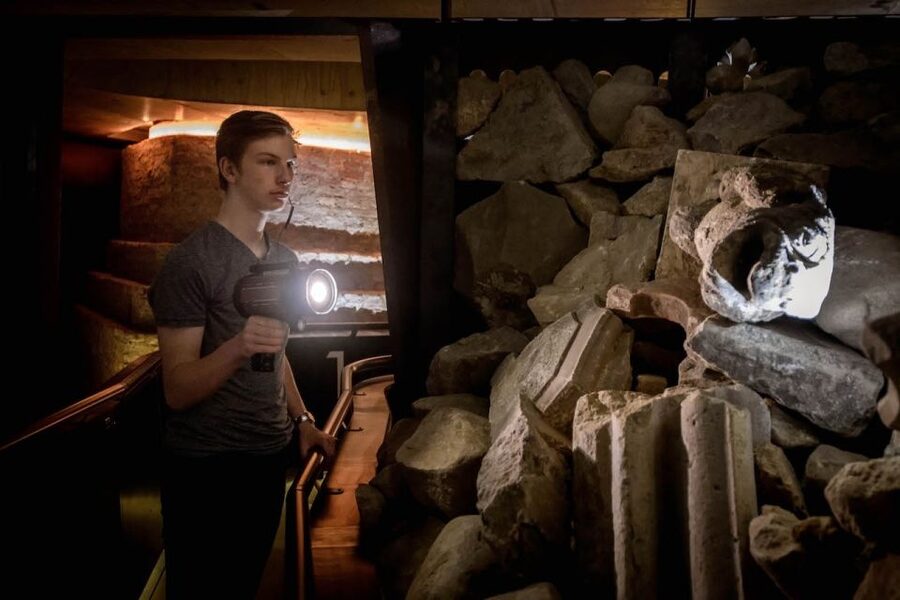
The Roman section gives the tour its oldest layer. You are not simply told that Utrecht has Roman origins. You are shown remains and construction evidence connected with the earliest known history of the site.
The value here is scale. Modern Utrecht can feel like a lively Dutch city shaped by canals, shops, and university life. Below the square, you are reminded that the same patch of ground has served different communities for roughly 2,000 years. The physical remains make that span easier to grasp.
The recovered stonework deserves a close look. The tiny paw prints are a memorable detail because they interrupt the grand story of Roman power and civic buildings. They point to ordinary work and daily activity. Keep your light moving slowly across the surfaces rather than rushing toward the next audio point.
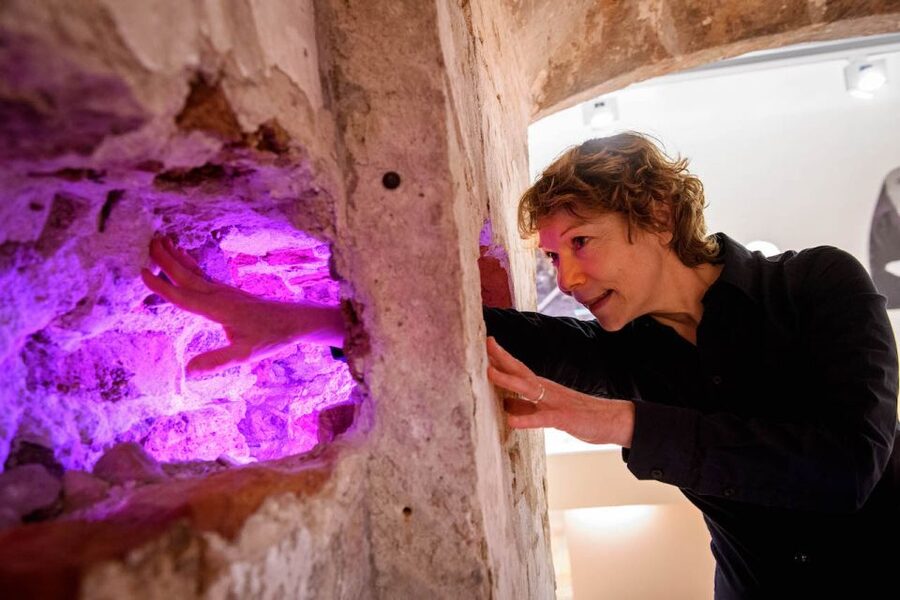
You may also touch some of the walls and building remains as part of the visit. That tactile quality is a major strength. In a typical museum, you see ancient material behind a barrier. Here, the structure itself is the focus, and contact with old masonry helps make the past feel less remote.
The tour does not present Roman Utrecht as a separate attraction and then stop. Instead, it uses the Roman layer as the beginning of a continuous story. You see how later buildings occupied, altered, and sometimes covered earlier ones.
More Utrecht trips:
- Utrecht: City Canal Cruise
★ 4.3 · 2,895 reviews - Utrecht 2-Hour Walking Tour | Discover The City With A Local
★ 5.0 · 138 reviews - Utrecht: Rietveld Schröderhuis UNESCO Entry Ticket
★ 4.8 · 119 reviews - Utrecht Food Tour with local guide
★ 5.0 · 112 reviews
Medieval buildings beneath the modern square
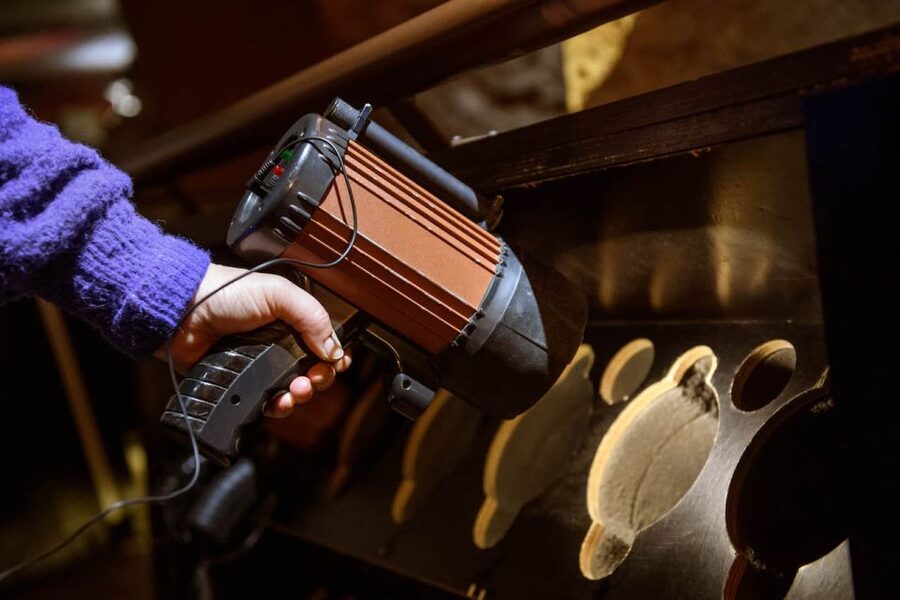
The medieval section explains why Domplein became such an important part of Utrecht. The remains below ground are connected to the city’s major church complex and its changing architecture.
This is where the guide’s maps and visual presentations earn their keep. Foundations are not always easy to interpret, especially when walls have been reduced to partial lines or scattered blocks. The guide helps you picture the buildings that once rose above them and explains the methods used to construct them.
I like that the tour discusses building styles and construction methods instead of giving you only names and dates. You learn to look at the remains as evidence. The thickness of a wall, the shape of a foundation, and the choice of material all help explain what once stood there.
The experience is also a useful companion to a visit inside Dom Church. Above ground, you see a functioning religious building and a recognizable historic interior. Below ground, you encounter the earlier stages of the site and the structural remains hidden by later construction.
The underground space is not enormous, so the tour works best when you value interpretation over sheer size. You will not spend hours wandering through a vast network of tunnels. Instead, you get a tightly edited history lesson in an unusual setting.
The 1674 storm and the creation of Dom Square
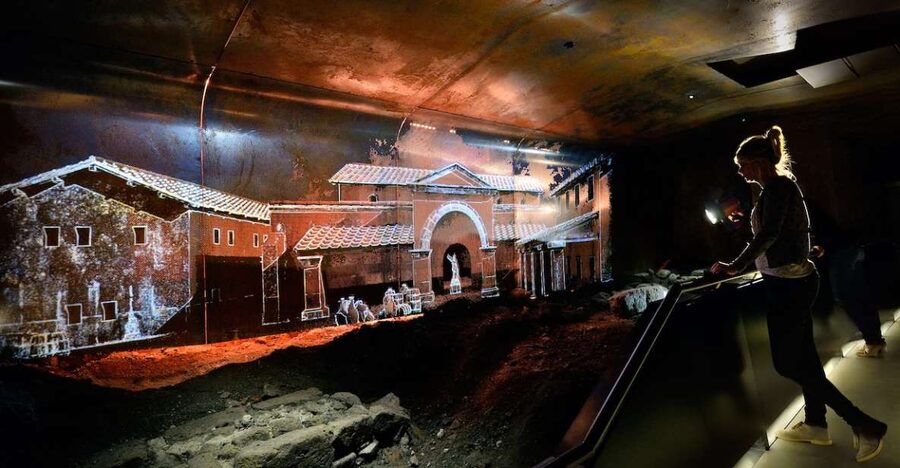
The most dramatic chapter concerns the violent storm of 1674. During the storm, the nave of the Dom Church collapsed. The open area now known as Domplein was created when the damaged section was not rebuilt in the same form.
The tour brings this event to life with screens and reconstruction imagery. A visual recreation of the fateful day helps you understand how the church was divided and why the modern square looks the way it does. This is more effective than a simple date on a wall because it connects the disaster directly to the city’s present layout.
The storm segment can be startling. One visitor said the sound and presentation initially seemed like a fire alarm, so pay attention when the guide introduces this part. The effect is meant to recreate the drama of the event, but a little warning would make the transition more comfortable for everyone.
This section also gives the entire visit a satisfying explanation. You begin with ancient settlement, move through Roman and medieval construction, and finish with a disaster that changed the open space above. When you later walk across Domplein, you can look at the gap between the tower and church with a much clearer understanding of what happened.
How the 75-minute format feels
The full experience lasts about 75 minutes. The opening explanation takes a meaningful share of that time, followed by the guided underground visit and the flashlight-based exploration.
I consider the length reasonable for a city attraction. You receive enough context to make the site understandable, but you are not committing half a day to one archaeological location. It fits neatly into a day of seeing Utrecht, especially if you plan to visit Dom Church or climb Dom Tower nearby.
Still, keep your expectations in check. The underground exploration itself is not an extended free-roaming expedition. Some people would prefer more time below ground, while others will appreciate the concise format. If you like to examine every feature slowly, you may feel pressed near the end.
The self-guided element gives you some control, but you remain within the tour’s schedule. Listen carefully during the opening talk, since it reduces the amount of time you need to spend figuring out the basic story later.
Price, language, and practical details
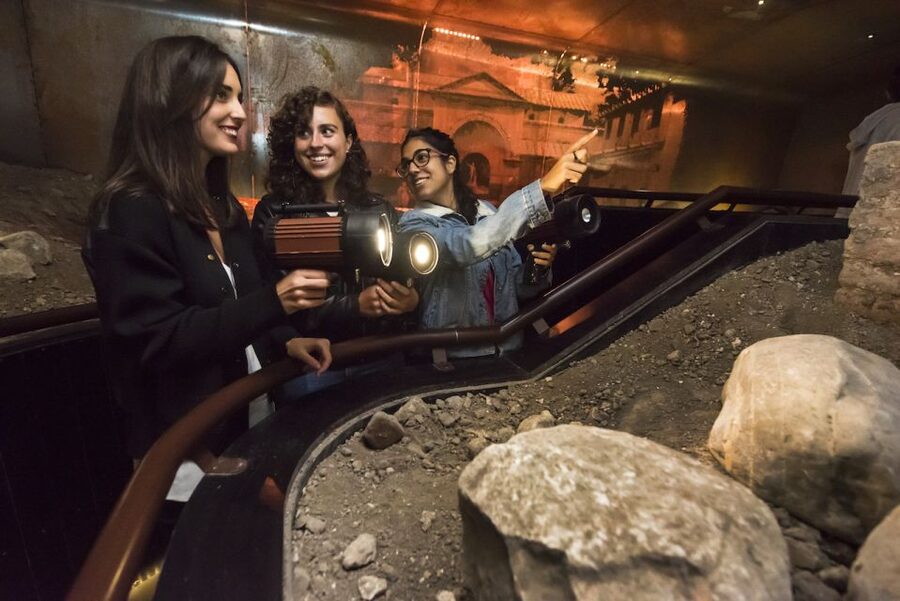
At $17 per person, DOMunder is fairly priced for a guided historical attraction with special underground access, equipment, audio content, and visual presentations. The value is strongest if you enjoy history presented through a real site rather than a standard museum collection.
The cost may feel less appealing if you want a large excavation area or a long independent visit. This is a focused experience, not an all-day attraction. Its worth comes from the combination of place, guide, interpretation, and technology.
Live tours are available in English and Dutch, with audio content in both languages. The guide-led opening is important, so choose the language that lets you follow dates and architectural changes most easily.
You can cancel up to 24 hours before the start for a full refund, and the reserve-now, pay-later option keeps your schedule flexible. Starting times vary, so check availability before building the rest of your Utrecht day around it.
For access, DOMunder is not suitable for wheelchair users. If you have slight mobility concerns, consider the underground setting and ask about sitting during the opening talk. The equipment and walking route may require more comfort and balance than a conventional museum visit.
Who will enjoy DOMunder most?
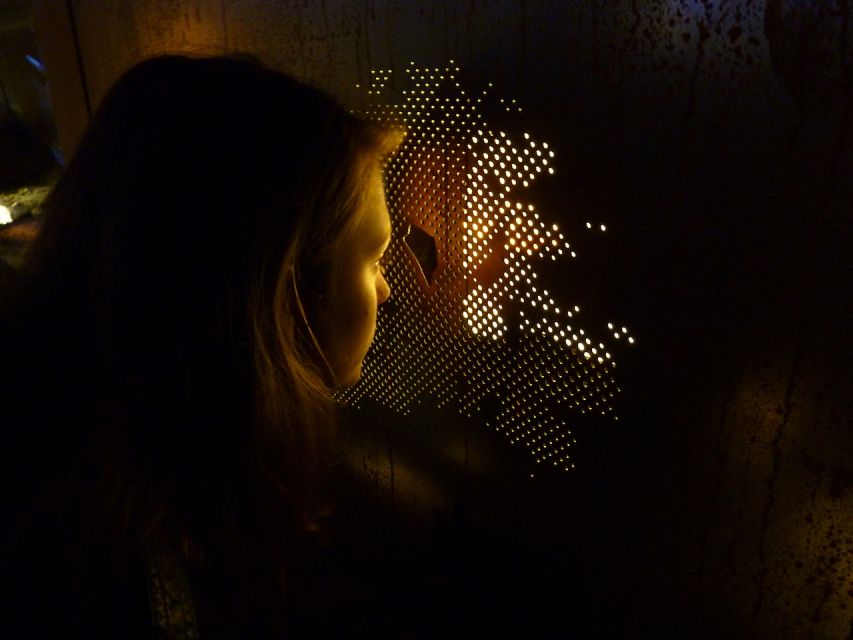
I would recommend DOMunder to you if you enjoy:
- Archaeology presented at the actual place where it was found
- Roman and medieval history explained in a clear sequence
- Interactive audio and visual technology
- Short, focused tours with a live guide
- Combining an above-ground landmark with its underground remains
- Tactile experiences, including the chance to appreciate old masonry up close
Families with older children may find the flashlight system a good way to keep young minds focused. Very small children may not follow the historical sequence easily, and the underground setting is more about careful listening than running around.
It also suits visitors who have already seen Dom Tower. The two attractions approach Utrecht from opposite directions, and DOMunder fills in the story of the square at ground level.
History fans may wish the archaeological area were larger, but the strong explanations help compensate. The guides have been praised for making the visit engaging, personal, and easy to follow. English-speaking guides such as Joanna and Christine have been singled out for clear storytelling, while Stefan has been praised for patience and a friendly manner.
Should you book this Utrecht underground tour?
Book DOMunder if you want to understand why Domplein looks the way it does, not just take a photograph of the tower. The best parts are the well-organized timeline, the ancient stonework, the smart flashlight system, and the storm reconstruction that explains the square’s unusual shape.
Skip it if stairs, underground conditions, or interactive equipment would make the visit uncomfortable. You should also choose another activity if you want a large museum or a long archaeological walk.
For most visitors interested in Utrecht’s past, $17 is a sensible price for 75 minutes of clear storytelling and direct contact with the city’s oldest remains. I would schedule it before or after Dom Tower, listen closely to the opening talk, and take your time with the flashlight once you reach the ruins.
FAQ
How long does the DOMunder experience last?
The experience lasts 75 minutes.
What is included in the ticket?
The ticket includes entry to DOMunder and a guide.
Where do I meet for the tour?
Scan your ticket at the desk of the Tourist Information Centre at Domplein 9.
Is the tour available in English?
Yes. Live guides and audio content are available in English and Dutch.
Is DOMunder suitable for wheelchair users?
No. The experience is not suitable for wheelchair users.
Can I cancel my booking?
You can cancel up to 24 hours in advance for a full refund.
Do I have to pay when I reserve?
No. The reserve-now, pay-later option lets you book your place without paying immediately.
Just added around Utrecht
- 3 Hours itinerary between Amsterdam & Utrecht: The Heart Of Holland In A Sidecar★ 5.0 · 20 reviews
- Utrecht Food Tour on a Bicycle with local guide★ 5.0 · 23 reviews
- e-Scavenger hunt Utrecht: Explore the city at your own pace★ 4.5 · 28 reviews
- Utrecht Quiz Tour★ 3.2 · 31 reviews
- Discover Our Utrecht: Limited Group Size & Optional Extras★ 5.0 · 32 reviews
- Utrecht: Lofen Palace with Entry Ticket & Guide (Dutch)★ 4.4 · 41 reviews
- From Amsterdam: Castle De Haar Guided Tour★ 4.7 · 41 reviews
- Utrecht: Ludwig’s Original Pub Crawl with VIP Club Entry★ 3.3 · 42 reviews
Utrecht Tours, compared.

Utrecht 2-Hour Walking Tour | Discover The City With A Local
Read our review →

Browse the lists this tour appears in