
REVIEW · HISTORICAL TOURS
Amsterdam: Historic Walking Tour
Amsterdam reveals itself on foot. This two-hour walk through the historic center brings together the city’s famous sights, lesser-known corners, canal history, architecture, and everyday culture. I especially like the local guide’s perspective and the way the route connects grand landmarks with small details you could easily miss alone. The $35 price is also fair for a licensed guide and a strong first look at central Amsterdam.
The main consideration is time. Two hours goes quickly in a city with seven centuries of stories, more than 100 canals, and over 1,000 bridges. The tour introduces the historic center rather than replacing museum visits or a longer walking day, and food and drinks are not included.
In This Review
- Key points at a glance
- Starting at Damrak, where Amsterdam gets its bearings
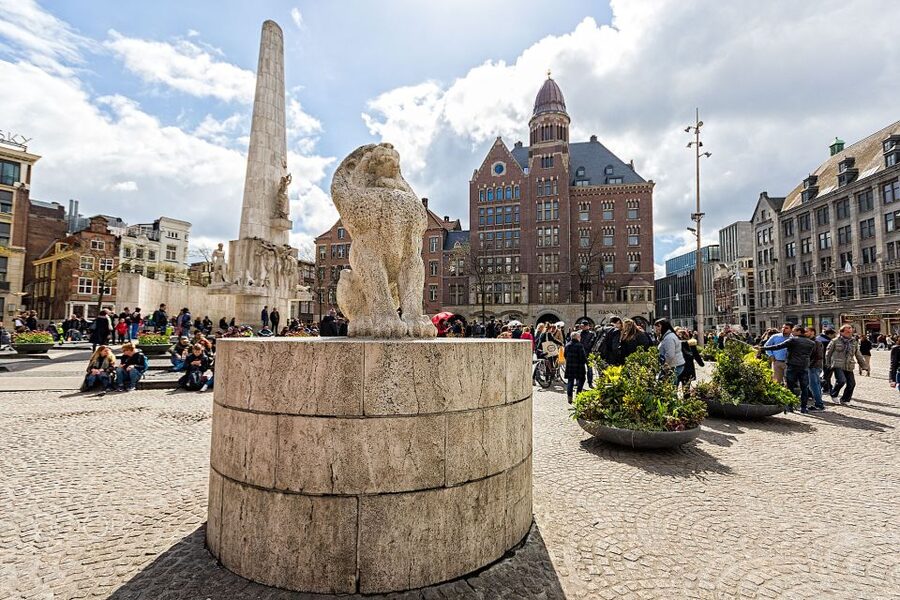
- Dam Square and the city hall that became a palace
- The Nieuwe Kerk and Amsterdam’s religious past
- Former post offices and the practical city behind the monuments
- Canals, bridges, and the making of Amsterdam
- Courtyards and places you could miss alone
- From the Golden Age to present-day Amsterdam
- The guides make the biggest difference
- How much value do you get for $35?
- Who will enjoy this historic center walk?
- Practical tips for making the most of the two hours
- Should you book it?
- FAQ
- Where does the Amsterdam Historic Walking Tour meet?
- How long does the tour last?
- How much does the tour cost?
- What languages are available?
- Is the guide licensed?
- What sights are included?
- Are food and drinks included?
- Can I cancel for a full refund?
- Can I reserve now and pay later?
Key points at a glance
- Damrak meeting point: Meet in front of the main entrance of the Park Plaza Victoria Hotel at Damrak 1-5, a convenient starting point near Amsterdam’s central sights.
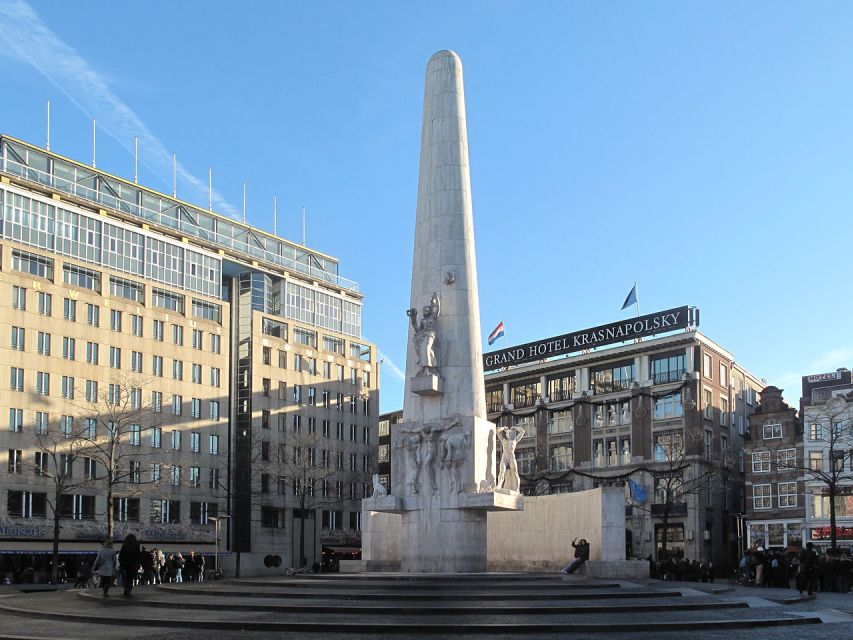
- Dam Square landmarks: See the former city hall, now the Royal Palace, and pass the Nieuwe Kerk while learning how power and religion shaped the city.
- Canals and commerce: Learn how Amsterdam grew through trade, banking, shipping, arts, and architecture from the 16th through the 18th centuries.
- Small-group feel: Several bookings were described as small groups, allowing guides to adjust the pace and answer questions.
- Guides with different strengths: Arre, James, Maria, Scarlet, Aaron, and others were praised for clear explanations, humor, flexibility, and local insight.
- English or German: The live tour is offered in English and German and lasts two hours.
Starting at Damrak, where Amsterdam gets its bearings
The tour begins in front of the main entrance of the Park Plaza Victoria Hotel at Damrak 1-5. This is a practical place to meet because Damrak leads directly toward the historic center and Dam Square, putting you close to some of Amsterdam’s most important sights from the first steps.
Arrive with enough time to locate the hotel entrance and your guide. The meeting point is an urban street rather than a quiet plaza, so having the exact address ready on your phone is useful.
From here, you begin to see why Amsterdam works so well as a walking city. Streets, canals, bridges, churches, public buildings, cafés, and narrow historic facades sit close together. A guide helps you read that setting instead of simply passing through it.
I like this kind of opening because it gives you a quick sense of direction. Amsterdam’s center can feel confusing at first, with canals curving through the streets and bicycles moving in every direction. A two-hour introduction helps you understand how the main areas fit together before you return to explore on your own.
More historical tours:
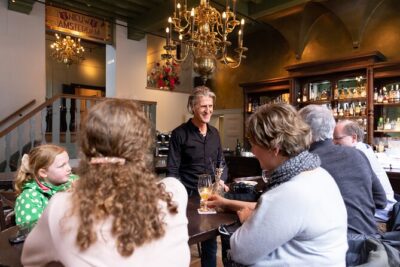
- Amsterdam Food and Cultural Tour with Tastings
★ 5.0 · 2,442 reviews - Rotterdam: Kinderdijk UNESCO World Heritage Entry Ticket
★ 4.6 · 1,477 reviews - The Hague: Hop-on Hop-off Old-Fashioned Heritage Tram Tour
★ 4.4 · 1,083 reviews
Dam Square and the city hall that became a palace
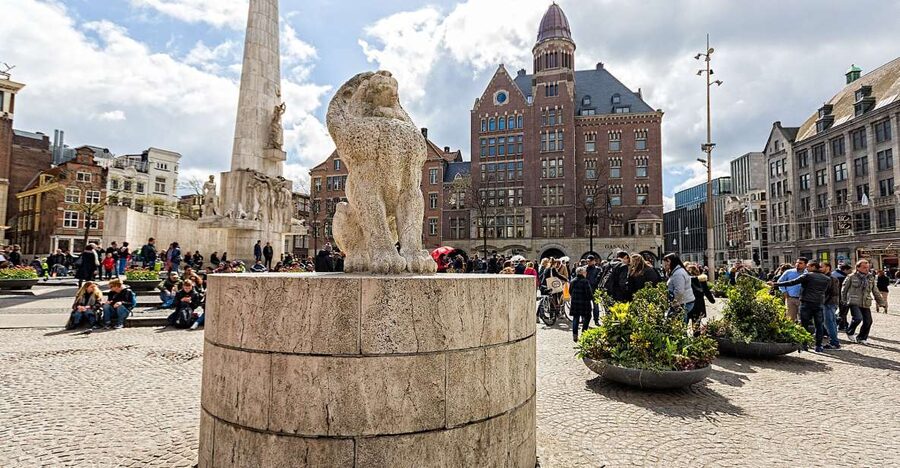
Dam Square is one of the tour’s central landmarks. Here you see the palace that was originally built as Amsterdam’s city hall, an important clue to the city’s former confidence and wealth.
That change in function tells a useful story. Amsterdam’s civic leaders once invested in a grand administrative building for a trading city that had become remarkably powerful. The building’s later connection to the Dutch Royal Family adds another layer, linking the city’s commercial past with the country’s monarchy.
The guide also explains the origins of the Dutch Royal Family during this part of the walk. That context gives the square more meaning than a quick photo stop. You are not just looking at an impressive building. You are learning how local government, national power, and Amsterdam’s rise were connected.
The square can be crowded and active, so this is not the place for quiet reflection. Still, its scale and position make it a useful anchor for the tour. From here, the route can connect royal, religious, commercial, and civic parts of central Amsterdam.
The Nieuwe Kerk and Amsterdam’s religious past
The Nieuwe Kerk is another key stop. Despite its name, it is one of the city’s historic churches, and the tour uses it to explain Amsterdam’s religious and social past.
You can expect the guide to place the church within a broader discussion of how the city developed. The tour specifically covers older Dutch churches and the role of religion in Amsterdam’s past, including observations about Catholic identity and regional monarchy.
This part of the walk is valuable because Amsterdam’s public image often focuses on canals, trade, and liberal modern culture. Churches such as the Nieuwe Kerk remind you that the city also grew through institutions, belief, ceremony, and changing political power.
The tour does not include a separate church admission or promise an interior visit, so think of this as an outdoor historical stop. If you want to see the inside, you would need to arrange that separately and allow extra time beyond the two-hour walk.
Former post offices and the practical city behind the monuments
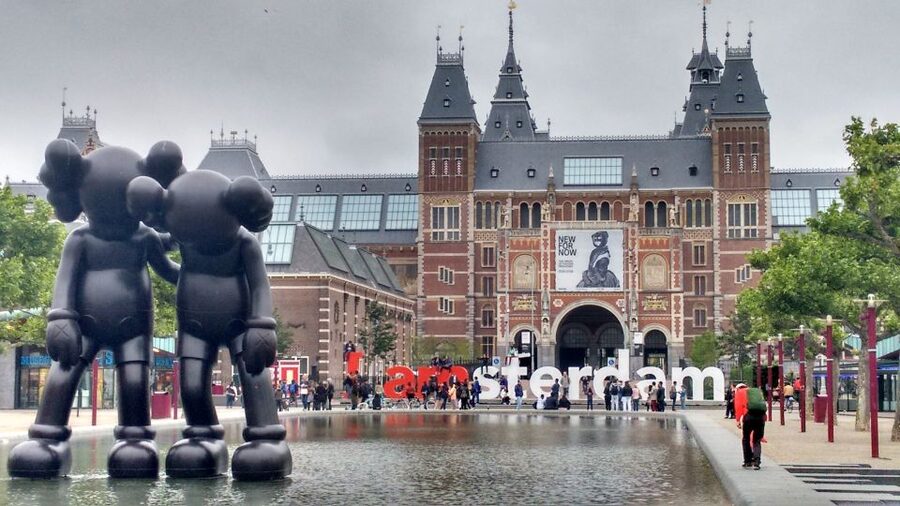
The route also passes the former main post office. It is the sort of building that can disappear into the background when you are focused on famous churches and palaces, but it helps show how Amsterdam functioned as a working city.
A former post office points to communication, administration, trade, and the movement of information. Those subjects fit naturally with the guide’s discussion of international banking and commerce. Amsterdam’s importance did not come only from grand buildings. It depended on practical systems that connected people, businesses, and distant markets.
This is one reason I prefer a guided walk early in a visit. A guide can show you how to look at ordinary-looking buildings. Once you know what a structure did, its facade becomes part of the city’s story rather than just another piece of old architecture.
You will also hear about Dutch architecture and the way Amsterdam’s built environment changed over time. The value is not in memorizing dates. It is in seeing how buildings reflect the needs and ambitions of the people who used them.
More walking tours:
- Anne Frank’s Story – Guided Walking Tour through Amsterdam
★ 5.0 · 11,619 reviews - Amsterdam: Life of Anne Frank and World War II Walking Tour
★ 4.8 · 10,467 reviews - Absolutely Amsterdam – the Essential Introductory Walking Tour
★ 5.0 · 3,629 reviews - Amsterdam: Anne Frank Guided Small Group Walking Tour
★ 4.8 · 2,722 reviews
Canals, bridges, and the making of Amsterdam
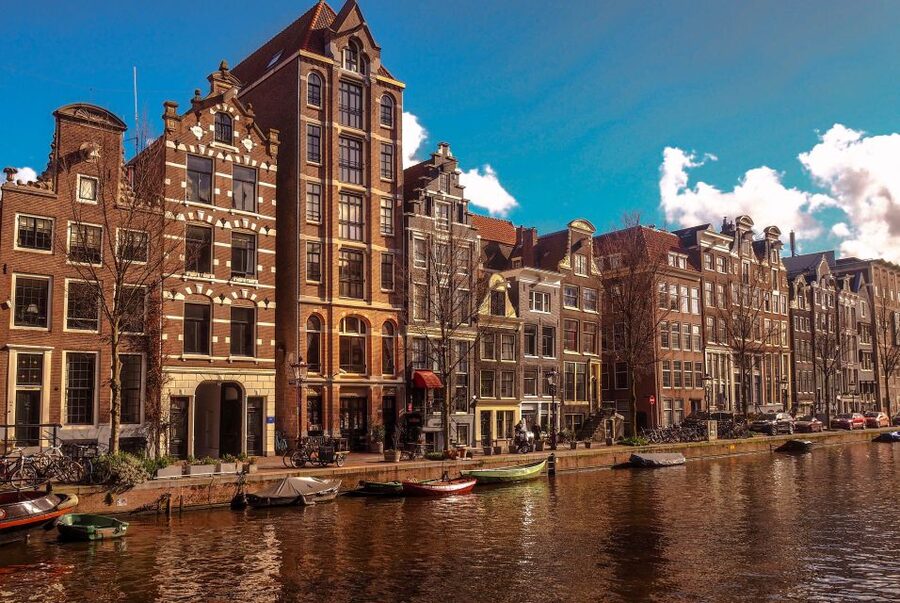
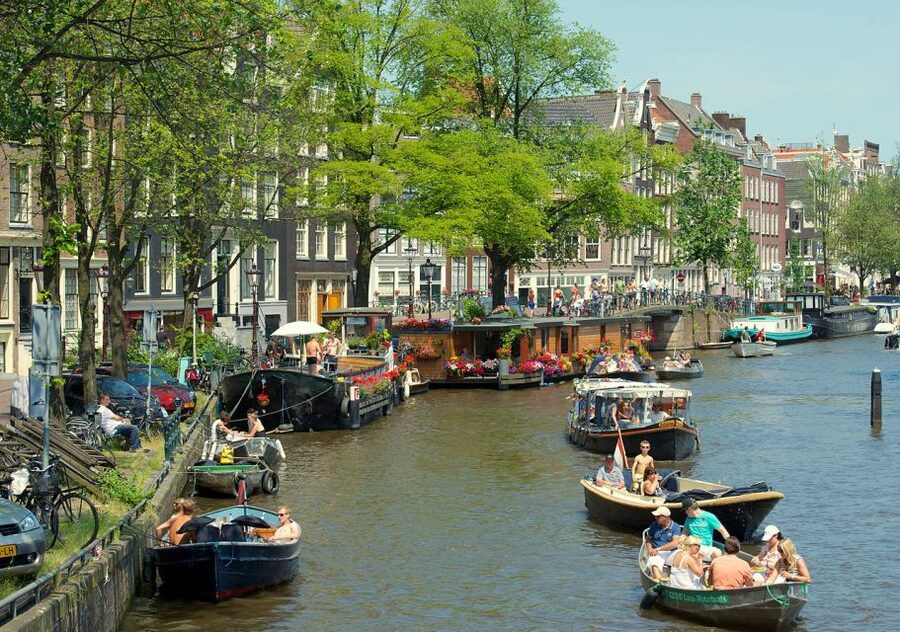
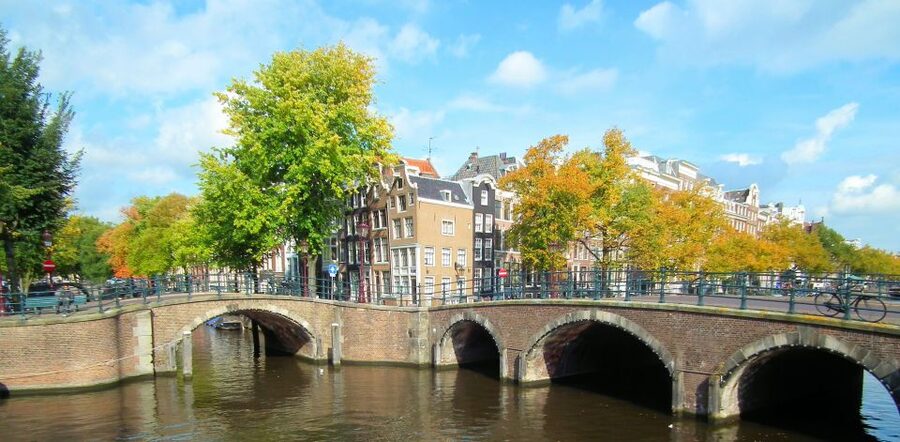
Amsterdam’s numbers are impressive: more than 100 canals and more than 1,000 bridges. The tour uses this network to explain how the city grew and why its canal district became so important.
The canals were not simply decorative waterways. They formed part of Amsterdam’s system for transport, trade, drainage, and expansion. As you walk beside them, you get a clearer idea of how water shaped streets, buildings, and business.
The guide explains the origins of the canal district and places its development within the city’s wider growth. From the 16th through the 18th centuries, Amsterdam played a major role in international banking, trade, arts, and architecture. That broad period is central to understanding why the city looks and feels so distinctive today.
Canal views are among the easiest parts of Amsterdam to enjoy on your own, but the explanation adds value. A photo shows water and narrow buildings. A local guide can explain why the waterways were built, how they supported commerce, and how they fit into the city’s expansion.
The route also includes bridges and smaller passages. Keep your attention on the ground and around you, since the center is active and bicycles have priority in many places. A walking tour is rewarding here, but it requires steady attention rather than a slow, dreamy stroll.
Courtyards and places you could miss alone
One of the most appealing promises of this tour is access to hidden courtyards and local places that are not always obvious from the main streets. The exact courtyards can depend on the guide, group, timing, and what is open, so you should treat this as a possibility rather than a guaranteed checklist.
This is where the local angle matters most. Famous sights are easy to locate, but a guide can point out details that do not announce themselves. A doorway, courtyard, side street, or old facade may reveal something about Amsterdam’s residents and daily life.
Small groups make this part of the tour more effective. Arre was praised for tailoring the route and using the limited time well, while Scarlet adjusted the walk to the group’s size and age. That kind of flexibility is helpful when a side route or local detail catches everyone’s interest.
Do not expect a private exploration of every quiet corner. This remains a two-hour overview of the historic center, and the guide must keep moving. The reward is a taste of places you may want to revisit later.
From the Golden Age to present-day Amsterdam
The historical period covered here is broad, but the tour does not stop in the past. You also learn about present-day Amsterdam, including the way locals and visitors use bars, cafés, and restaurants.
That balance is useful. Amsterdam is not an open-air museum frozen in the 17th century. The old canals and buildings share space with modern businesses, nightlife, food, and ordinary city routines.
The guide connects the city’s past with its current culture. You may hear how commerce helped shape Amsterdam’s identity, how architecture reflects older periods, and how the same center now functions as a place for work, leisure, and social life.
I like this approach because it gives you practical cultural context without turning the walk into a list of dates. You come away with a better sense of where Amsterdam came from and how its older structures still shape the city you see today.
Food and drinks are not included, but that is not necessarily a weakness. The tour can point you toward the sort of cafés and restaurants that suit your plans, and you remain free to choose your own stop afterward. Budget separately if you want a beer, coffee, or meal during the day.
The guides make the biggest difference
The strongest praise has focused on the guides. Arre was credited with a broad range of information, a good sense of humor, tact, and the ability to suggest additional places to visit after the walk. James was praised for answering questions and showing sights that would have been easy to miss without a guide.
Maria was described as friendly and clear when explaining history and highlights. Scarlet adjusted the experience to the group’s age and size, which is useful for mixed parties. Aaron was praised for making the city’s past engaging and enjoyable.
Other guides received similar praise for professionalism and personal attention. One small group of five appreciated that the guide continued with the planned walk even though the party was limited in size.
Guide quality can never be guaranteed by name alone, since assignments may vary. Still, the range of positive comments suggests that the experience depends on people who can explain Amsterdam in an approachable way rather than simply reciting a script.
If you enjoy asking questions, speak up. The walk seems particularly well suited to people who want context, not just photographs. If you prefer to move silently and set your own pace, a self-guided route may suit you better.
How much value do you get for $35?
At $35 per person, this is a reasonable price for a two-hour walk with a local licensed guide. You are paying for orientation, historical explanation, route planning, and access to details you might not notice alone.
The value is strongest on a first visit. Two hours can help you identify the areas you want to return to, decide which landmarks deserve more time, and understand the canal district before exploring it independently.
The price does not include food, drinks, museum tickets, or other admissions. That keeps the basic cost clear, but you should not view this as an all-inclusive sightseeing package.
I would compare the cost with the price of spending two hours wandering without context. Amsterdam’s center is pleasant to explore, but it is easy to pass several important buildings without understanding their role. For many people, the guide’s explanations justify the fee.
The tour also offers free cancellation up to 24 hours before the start and allows you to reserve now and pay later. Those terms make it easier to fit the walk into a changing Amsterdam schedule.
Who will enjoy this historic center walk?
I would recommend it most strongly to first-time visitors, history fans, architecture lovers, and anyone who likes to get oriented early in a city visit. It also suits people who want a compact introduction before spending later days in museums, markets, or canal neighborhoods.
Families and mixed-age groups may appreciate the guide’s ability to adjust the presentation. Scarlet’s flexibility with group age is a useful sign, though the tour still involves two hours of walking and should be considered alongside your group’s energy and comfort.
The English and German options make the tour practical for a broad range of visitors. Check the available start time when booking, since the schedule can vary.
You should choose a different activity if you want a long museum visit, a food tasting, a canal cruise, or a detailed tour of one building. This experience stays outdoors and moves through several parts of the center.
Practical tips for making the most of the two hours
Meet at the Park Plaza Victoria Hotel and keep the address handy. The exact meeting location is in front of the main entrance at Damrak 1-5, 1012LG, Amsterdam.
Wear shoes suited to city walking. The tour lasts two hours and includes streets, bridges, canal-side paths, and historic areas where the ground may not always feel perfectly even.
Bring questions. The strongest guide experiences described in the available comments came from interaction, tailoring, humor, and detailed answers.
Use the walk as a starting point, not your entire Amsterdam plan. Afterward, you may want to return to a church, palace, canal area, or courtyard for a slower look. You can also follow the guide’s suggestions for present-day cafés, bars, and restaurants.
Finally, do not pack too many other fixed plans immediately afterward. The tour finishes after two hours, but you may want time to take photographs, pause for a drink, or continue exploring the historic center on foot.
Should you book it?
I would book this tour if you want a clear, human introduction to Amsterdam’s historic center at a sensible price. Its best features are the local perspective, the range of subjects, the small-group flexibility, and the chance to notice courtyards and buildings you might otherwise pass.
The main limit is its short length. You will not fully cover Amsterdam in two hours, and you will need separate plans for museums, interiors, food, and canal cruises. But as a first orientation, this walk offers a useful mix of famous sights, local details, Dutch culture, and stories about the city’s rise through trade, banking, arts, and architecture.
Book it early in your stay if you want the guide’s suggestions to shape the rest of your visit. Skip it only if you already know central Amsterdam well or would rather explore without a fixed route.
FAQ
Where does the Amsterdam Historic Walking Tour meet?
The meeting point is in front of the main entrance of the Park Plaza Victoria Hotel at Damrak 1-5, 1012LG, Amsterdam.
How long does the tour last?
The walking tour lasts two hours.
How much does the tour cost?
The listed price is $35 per person.
What languages are available?
The live tour guide is available in English and German.
Is the guide licensed?
Yes. The experience includes a local, professional, licensed guide.
What sights are included?
The walk covers Amsterdam’s historic center and includes sights such as the palace on Dam Square, the Nieuwe Kerk, the former main post office, canals, bridges, historic architecture, and lesser-known local places.
Are food and drinks included?
No. Food and drinks are not included in the tour price.
Can I cancel for a full refund?
Yes. You can cancel up to 24 hours in advance for a full refund.
Can I reserve now and pay later?
Yes. The tour allows you to reserve your place and pay later.
Just added around the Netherlands
- Private tour: Markthal, Cube houses and Rooftop Het Witte Huis★ 4.5 · 3 reviews
- Amsterdam City Center Guided Walking Tour – 12 guests 2,5h★ 5.0 · 3 reviews
- Discover Rotterdam: Classic Highlights Bike Tour by a Local★ 5.0 · 3 reviews
- Private tour from Rotterdam to Windmills of Kinderdijk & Gouda Cheese Experience★ 5.0 · 3 reviews
- Oudenbosch: Guided City Walk★ 5.0 · 3 reviews
- Discover Rotterdam’s most Photogenic Spots with a Local★ 5.0 · 3 reviews
- Private Transfer from Rotterdam Port to Amsterdam Airport (AMS)★ 5.0 · 3 reviews
- Amsterdam Light Festival Boat Cruise★ 5.0 · 3 reviews
Historical Tours, compared.

Amsterdam Food and Cultural Tour with Tastings
Read our review →
Kinderdijk UNESCO World Heritage Entry Ticket
Read our review →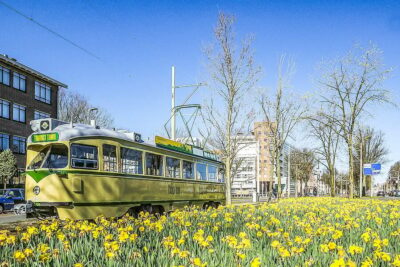
Hop-on Hop-off Old-Fashioned Heritage Tram Tour
Read our review →

Amsterdam High-End Dutch Food & History Tour – Up to 8 guests
Read our review →
Cruise through the Historic City Center with Guide
Read our review →
Browse the lists this tour appears in