
REVIEW · CANAL CRUISES
Amsterdam: Museum of the Canals Ticket with Audio Guide
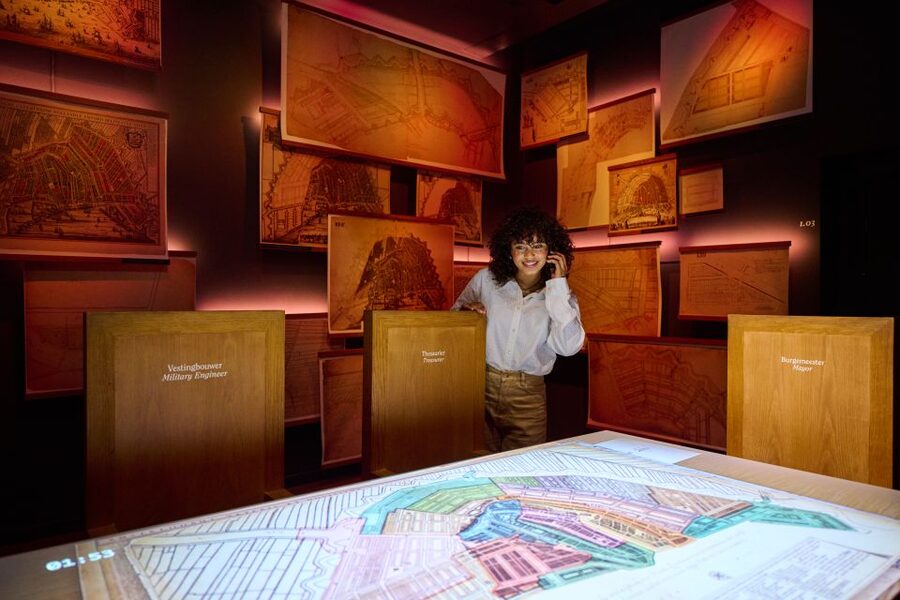
Canals explain Amsterdam better than postcards. This city-center visit places you inside a 17th-century canal house on the Herengracht, where classical rooms and a multimedia exhibition show why the waterways shaped daily life, trade, movement, and the city’s future. I like the clear focus on one subject and the chance to see both permanent and temporary exhibitions. The main caution is the presentation: some of the animation may feel dated for a 2026 visit.
I also like the multilingual audio guide, which makes the museum practical for independent visitors rather than English speakers alone. At $22, I find it a fair price if you want context before or after walking Amsterdam’s canals, though it may feel expensive if you expect a large museum with hours of displays.
In This Review
- Key points to know before you go
- Why Amsterdam’s canals deserve their own museum
- Entering the 17th-century canal house on Herengracht
- The multimedia journey through 400 years
- What the classical rooms add to the visit
- Using the audio guide in nine languages
- Permanent displays and temporary exhibitions
- Is $22 a fair price?
- Who will get the most from this museum?
- Planning the visit without overcomplicating it
- Should you book the Museum of the Canals?
- FAQ
- Where is the Museum of the Canals located?
- What does the ticket include?
- How long is the ticket valid?
- Is an audio guide included?
- Which languages are available for the audio guide?
- What languages are spoken by the host or greeter?
- Is the museum wheelchair accessible?
- Are food and drinks included?
Key points to know before you go
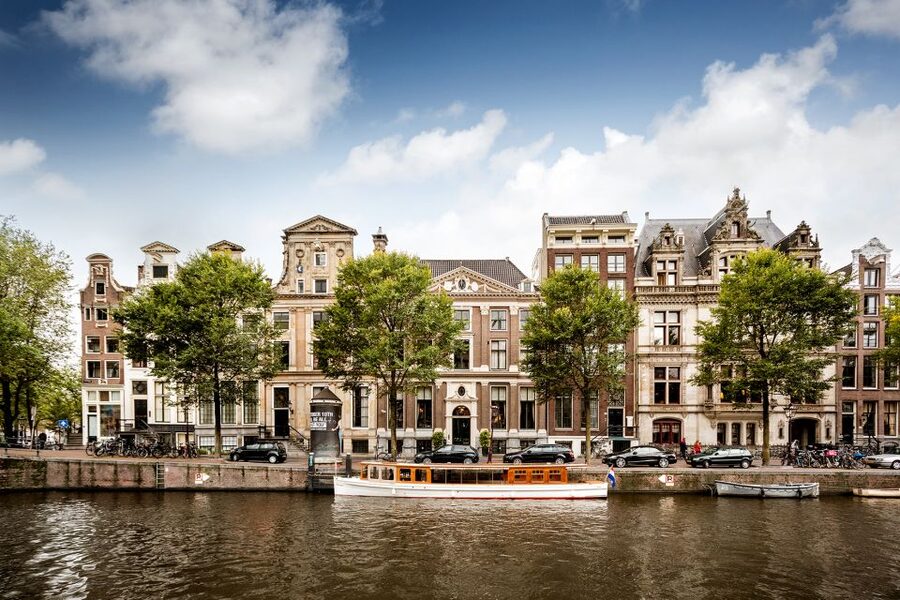
- The setting is part of the lesson: You explore a genuine 17th-century canal house on the Herengracht, not a modern gallery built around canal images.
- The story covers 400 years: The exhibition connects Amsterdam’s waterways with the city’s growth, transport, residents, and future.
- Classical period rooms add atmosphere: These rooms give the canal story a physical setting and help you picture the world behind the grand facades.
- The audio guide covers nine languages: Choose Dutch, English, German, French, Spanish, Italian, Russian, Japanese, or Chinese.
- The $22 ticket lasts one day: You can visit the permanent exhibition and any temporary exhibition showing during your visit.
- The presentation has one weakness: A dated animation can make parts of the multimedia display feel less current than the subject deserves.
Why Amsterdam’s canals deserve their own museum
Amsterdam’s canals are not just pretty strips of water lined with narrow houses. They are the city’s organizing system. The Museum of the Canals makes that point directly, showing how the waterways affected movement, work, residence, and urban growth over roughly four centuries.
That focus gives the visit a useful purpose. You are not simply looking at old rooms or listening to a general story about Amsterdam. You are learning why the canals exist and how they continue to matter. Once you understand that, a walk along the Herengracht or another canal becomes easier to read.
I find this especially useful early in an Amsterdam stay. The museum can give you a framework for the city before you spend hours wandering its streets. It also works late in a trip, when you have already seen the canals and want to understand the planning behind what you saw.
The subject is narrow, but that is part of its strength. Amsterdam has plenty of museums covering art, famous people, and national history. This one concentrates on the waterways that tie many parts of the city together.
More Attraction Tickets in Amsterdam
- Amsterdam: Van Gogh Museum Ticket
★ 4.7 · 52,054 reviews - Amsterdam: Heineken Experience Ticket
★ 4.6 · 30,055 reviews - Amsterdam: Rijksmuseum Entry Ticket
★ 4.7 · 25,535 reviews
Entering the 17th-century canal house on Herengracht
The building is one of the experience’s strongest features. The museum occupies a 17th-century canal house on the Herengracht, one of Amsterdam’s best-known canal streets. The period rooms give the exhibition a real architectural setting instead of placing every display in a neutral white room.
That matters because the house helps connect the city’s canal system with the people who lived beside it. As you move through the classical rooms, you get a sense of the style and scale associated with Amsterdam’s older canal residences. The setting does not replace the exhibition, but it gives the story a more tangible frame.
You should not expect a full house tour with a large number of rooms based on the information provided. The clear promise is access to classical period rooms alongside the canal exhibition. Think of the building as both a museum object and a place where the main story unfolds.
The Herengracht location also makes the museum easy to connect with the city around you. Afterward, you can continue looking at the canal houses outside with a better idea of why their position and design mattered. The ticket covers the museum itself, not a canal cruise, so plan this as a land-based history visit.
The multimedia journey through 400 years
The central exhibition presents Amsterdam’s development through the canals. It uses multimedia material and an audio tour to explain how the waterways supported the movement of the city and its inhabitants.
This is a useful format for a subject that can otherwise become a list of dates and engineering terms. The multimedia presentation aims to show change over time, helping you follow Amsterdam from its earlier canal development to the city you see today.
I like the connection between practical city systems and ordinary movement. The canals were not built only for decoration. They helped organize how people and goods moved, and the museum places that role at the center of the story.
The experience also looks ahead. The exhibition addresses the importance of the canals for the future, not only their role in the past. That makes the visit more relevant than a simple recreation of an old Amsterdam interior.
There is, however, a limit to the technology. A French-language assessment in early 2026 found the animation old-fashioned and felt the price was weak for that reason. I would keep that criticism in mind. The content may still be useful, but you should not book this expecting the latest museum effects or a cutting-edge digital show.
What the classical rooms add to the visit
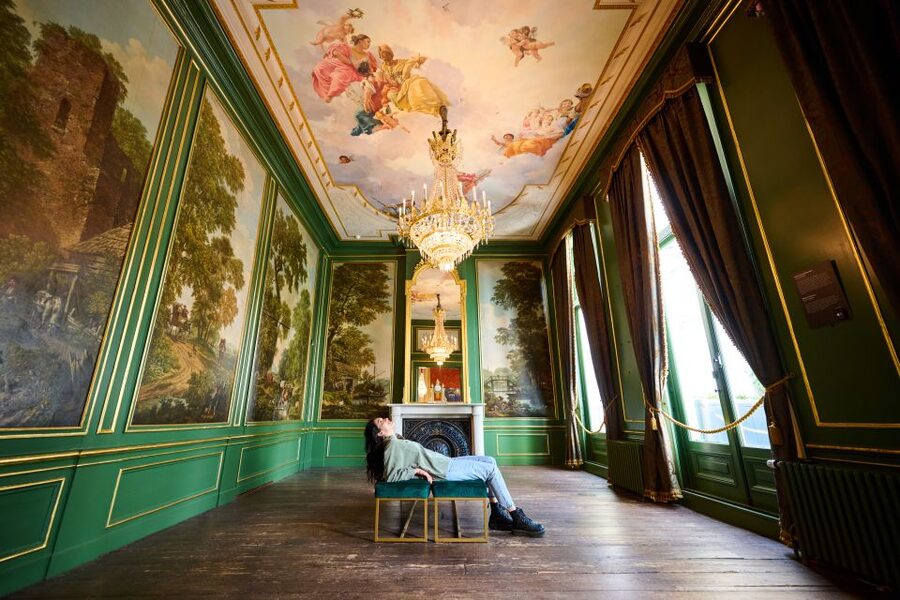
The period rooms slow the experience down in a good way. The multimedia section explains the canal system, while the rooms remind you that the waterways were surrounded by homes, status, work, and everyday life.
I value this combination because Amsterdam’s canals can seem almost too polished from the outside. A canal house facade gives you only a hint of what lies behind it. Inside the museum, the classical rooms provide a closer look at the kind of setting connected with the city’s canal-era past.
The rooms also give the visit variety. You are not listening to an audio track in one large exhibition hall from start to finish. The architecture adds a physical change of pace, even though the supplied details do not specify the exact number or arrangement of rooms.
Keep your expectations measured. This is not advertised as a palace tour or a large decorative arts collection. The period rooms support the canal story. If you want grand interiors as the main event, you may find the museum too focused. If you want the building and the canal system to explain one another, the arrangement makes sense.
More Museums in Amsterdam
- Moco Museum Amsterdam Entrance Tickets with Banksy & More
★ 4.4 · 10,088 reviews - Amsterdam: The Upside Down Museum Entrance Ticket
★ 4.4 · 9,506 reviews - Amsterdam: Red Light Secrets Museum Entry Ticket
★ 4.2 · 5,722 reviews - Amsterdam’s Weirdest Museum: Believe It or Not!
★ 4.5 · 4,086 reviews
Using the audio guide in nine languages
The audio guide is included with admission, and the language list is unusually broad for a small, focused museum. You can choose Dutch, English, German, French, Spanish, Italian, Russian, Japanese, or Chinese.
That makes the ticket easier to recommend to international visitors. You do not have to depend on wall text in one language, and you can follow the exhibition at your own pace. I especially like this for a museum built around explanation, since the value comes from understanding how the canals worked rather than simply looking at attractive rooms.
The listed host or greeter languages are Dutch and English. That is useful if you need basic help at the entrance. The audio tour itself offers the wider language choice, so do not confuse the staff language information with the full audio selection.
An audio guide also lets you control your attention. You can listen closely to the sections that interest you and move more quickly through material that feels familiar. Since the ticket is valid for one day, you have some flexibility in how you fit the visit into your schedule, though no exact visit length is given.
Permanent displays and temporary exhibitions
Admission includes the permanent canal exhibition and temporary exhibitions showing at the museum. This is an important part of the value calculation. You are not paying only for a single presentation about the waterways, but the temporary program may change what you see from one visit to the next.
The permanent exhibition is the dependable reason to come. It covers the canal story and explains the waterways’ past and future importance. The temporary section gives the museum a chance to look at related subjects from a different angle.
Because no current temporary exhibition title or theme is provided, check what is on display before you go if that part matters to you. The ticket includes it, but the exact value depends on the exhibition available on your date.
A museum with both permanent and temporary material can suit repeat visits better than a one-topic display alone. Still, I would make the canal story your main reason for booking. Treat any temporary exhibition as an added benefit rather than the sole purpose of the visit.
Is $22 a fair price?
At $22 per person, this is a midrange museum ticket rather than a bargain admission. The price covers entry to the permanent and temporary exhibitions, the multimedia presentation, the period rooms, and the audio tour.
I think the value is strongest for three types of people. First, it suits anyone who wants to understand Amsterdam’s basic structure rather than simply photograph it. Second, it works well for visitors who prefer a self-guided museum with no fixed group tour. Third, it is useful for people who appreciate historic buildings as much as displays.
The value is weaker if you only want a quick look at a canal house. It is also less convincing if you expect highly modern animation throughout. The dated presentation noted in 2026 is a real consideration, especially for the price.
The high overall score of 4.7 from 150 ratings suggests that the museum delivers what many people expect from it. A separate five-star assessment from Brazil praised the museum as beautiful and worth the visit. Taken together, I would describe the ticket as worthwhile for its subject and setting, but not as an essential Amsterdam attraction for every budget.
Who will get the most from this museum?
I would recommend it to first-time visitors who want a simple explanation of Amsterdam’s canals. It can also suit families and mixed-age groups because the subject is visual, the route is indoors, and the audio guide offers several language options.
It is a good match for independent museumgoers. You are not told that you must follow a live guide, and the audio tour lets you set your own pace. English and Dutch support is available from the host or greeter, while the audio guide covers a much wider range of languages.
The museum may appeal to architecture fans, history readers, and anyone curious about city planning. The Herengracht address and period rooms add meaning for people who enjoy seeing historic buildings from the inside.
I would be more cautious if your main goal is an interactive technology show. The subject is stronger than the animation. You should also think twice if you have little interest in how cities are planned, since the visit stays closely tied to the canals rather than covering every part of Amsterdam’s past.
The museum is wheelchair accessible, which removes one common barrier for visitors choosing among historic buildings. Food and drinks are not included, so handle refreshments separately before or after your visit.
Planning the visit without overcomplicating it
The ticket is valid for one day, and you check availability for the starting times offered on your date. The information does not give a fixed visit length, so allow enough room for the audio tour and the period rooms rather than treating it as a rapid photo stop.
You can book with free cancellation up to 24 hours in advance for a full refund. A reserve-now-and-pay-later option is also available, which helps if your Amsterdam plans are still moving around.
The museum is in Amsterdam city center on the Herengracht. No transport service, food, or drinks are included, so this is simply an admission-based museum visit. Pairing it with a canal walk makes practical sense, but the ticket itself does not include a boat ride.
If you are choosing between this and a canal cruise, remember that they do different jobs. A cruise shows you Amsterdam from the water. This museum explains why the water routes exist and how they shaped the city. For a fuller picture, doing both can work well, but you should not expect one ticket to replace the other.
Should you book the Museum of the Canals?
Book it if you want Amsterdam’s canals explained through a historic house, period rooms, and a self-guided audio tour. The narrow focus is a benefit for curious first-time visitors, and the multilingual guide makes the $22 ticket easier to justify.
Skip it if you mainly want polished modern technology or a large collection of art and objects. The animation may feel dated, and the museum is most rewarding when you care about city planning, canal houses, and the role of waterways.
My practical verdict: a good, focused introduction to Amsterdam, especially before a canal walk. Go for the setting and the clear subject, not for flashy effects.
FAQ
Where is the Museum of the Canals located?
The museum is in Amsterdam city center, inside a 17th-century canal house on the Herengracht.
What does the ticket include?
The ticket includes entrance to the permanent exhibition, any temporary exhibition on display, and the audio tour.
How long is the ticket valid?
The ticket is valid for one day. Starting times depend on availability for your selected date.
Is an audio guide included?
Yes. The audio guide is included with admission.
Which languages are available for the audio guide?
The audio guide is available in Dutch, English, German, French, Spanish, Italian, Russian, Japanese, and Chinese.
What languages are spoken by the host or greeter?
The listed host or greeter languages are Dutch and English.
Is the museum wheelchair accessible?
Yes. The Museum of the Canals is wheelchair accessible.
Are food and drinks included?
No. Food and drinks are not included in the ticket.
More Canal Cruises
- Amsterdam Luxury Canal Cruise + Unlimited Drinks & Bites option
★ 5.0 · 30,518 reviews - Amsterdam: City Centre Canal Cruise
★ 4.2 · 12,827 reviews - Amsterdam: City Canal Cruise and Heineken Experience Ticket
★ 4.5 · 5,367 reviews - Amsterdam Canal Cruise in Open Boat with Unlimited Drinks Option
★ 5.0 · 4,976 reviews
More Self-Guided Tours in Amsterdam
- Amsterdam: 75 Minute City Canal Cruise with Audio Guide
★ 4.4 · 17,501 reviews - Amsterdam: Royal Palace Entry Ticket and Audio Guide
★ 4.6 · 6,475 reviews - Amsterdam: Canal Cruise with Live Commentary & Audio Guide
★ 4.4 · 1,034 reviews - Amsterdam Sightseeing Canal Cruise with Audio Guide
★ 3.5 · 828 reviews
Just added around Amsterdam
- Amsterdam 1-Hour Rickshaw Tour★ 4.9 · 17 reviews
- Amsterdam: Canal Cruise and Jewish Cultural Quarter Tickets★ 4.2 · 17 reviews
- Keukenhof Gardens and Tulip Experience Tour from Amsterdam★ 4.8 · 17 reviews
- Marken, Volendam and Edam: Private Full-Day Tour★ 4.6 · 18 reviews
- Discover Amsterdam’s city center in this Outside Escape game tour★ 4.5 · 18 reviews
- Amsterdam: Personal Travel & Vacation Photographer★ 4.8 · 18 reviews
- Amsterdam: Luxury Saloon Boat Cruise with 3-Course Dinner★ 3.9 · 18 reviews
- Rijksmuseum & Amsterdam City Center Semi-Private Tour 12ppl Max★ 5.0 · 18 reviews
Canal Cruises, compared.
Amsterdam Luxury Canal Cruise + Unlimited Drinks & Bites option
Read our review →
75 Minute City Canal Cruise with Audio Guide
Read our review →
City Canal Cruise and Heineken Experience Ticket
Read our review →
Amsterdam Canal Cruise in Open Boat with Unlimited Drinks Option
Read our review →

Amsterdam Evening Canal Cruise with Live Guide and Onboard Bar
Read our review →
Browse the lists this tour appears in