
REVIEW · MUSEUMS
Amsterdam: Rembrandt House Museum Entrance Ticket
Four hundred years later, the house still feels personal. At Amsterdam’s Rembrandt House Museum, you walk through the rooms where the artist lived, taught, collected objects, and worked before financial trouble forced him out. I especially like the almost complete collection of his etchings and the live demonstrations that show how he made paint and prints. The main drawback is practical: this historic house has several steep stairs and is not suited to wheelchair users or people with mobility impairments.
I also like the excellent multimedia tour, which gives the visit a clear human story instead of treating Rembrandt as only a famous name. At $23 per person, the ticket is fair if you spend two or three hours with the house, demonstrations, and displays. If you only want to see large original Rembrandt paintings, this is not the right museum, since the focus is his home, working methods, etchings, drawings, possessions, and artistic circle.
In This Review
- Key points to know before you go
- At Jodenbreestraat 4, the story begins with the house
- The ground floor helps you get your bearings
- Rembrandt’s studio shows the work behind the masterpieces
- The etching attic brings the printing process to life
- The collection rooms explain Rembrandt’s curiosity
- New museum spaces add a second layer to the visit
- Expect stairs, compact rooms, and an unhurried pace
- Is $23 a fair price?
- Who will enjoy the Rembrandt House most?
- Should you book the Rembrandt House Museum?
- FAQ
- Where is the Rembrandt House Museum located?
- How much does admission cost?
- How long is the ticket valid?
- Is an audio guide included?
- What languages are available from the host or greeter?
- Can wheelchair users visit the museum?
- Can I cancel the booking?
Key points to know before you go
- You enter Rembrandt’s actual former home and studio: The rooms explain how he lived and worked before his debts became unmanageable.
- The etching collection is a major attraction: You can see works from an almost complete collection of Rembrandt’s etchings.
- Live demonstrations add real value: Staff show how artists made paint and how etching and printing worked in the 17th century.
- The audio and multimedia tour are included: Commentary is available in Spanish, Dutch, English, French, German, Italian, and Russian.
- The house takes time to explore properly: Plan on roughly two hours, with some visitors spending 2.5 to 3 hours.
- Stairs affect the experience: The museum is spread over several floors, with steep stairs and limited suitability for visitors with mobility needs.
At Jodenbreestraat 4, the story begins with the house
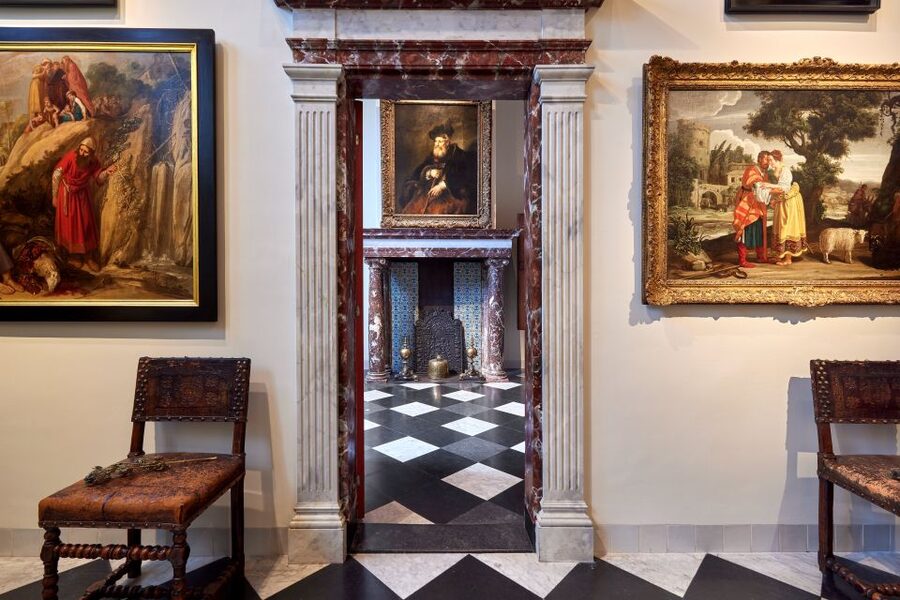
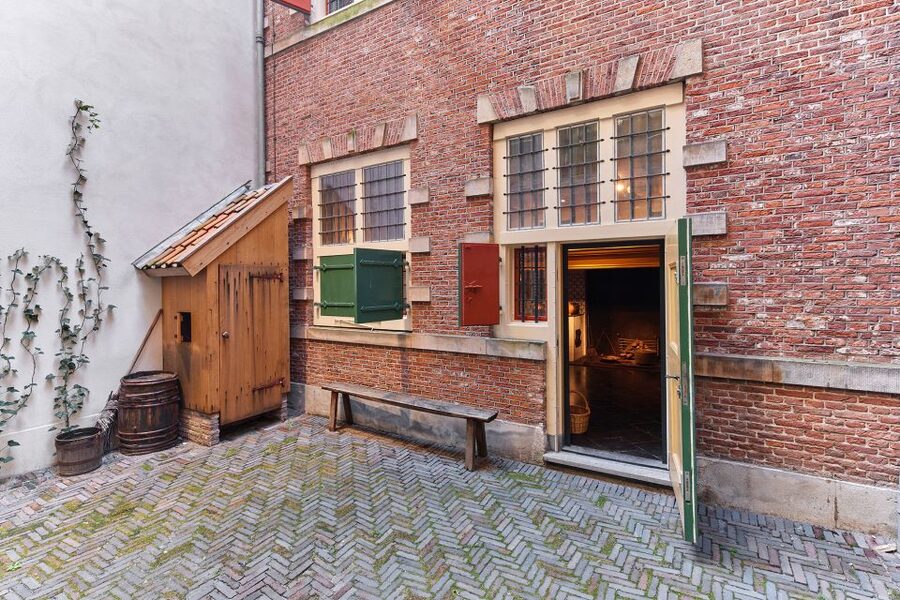
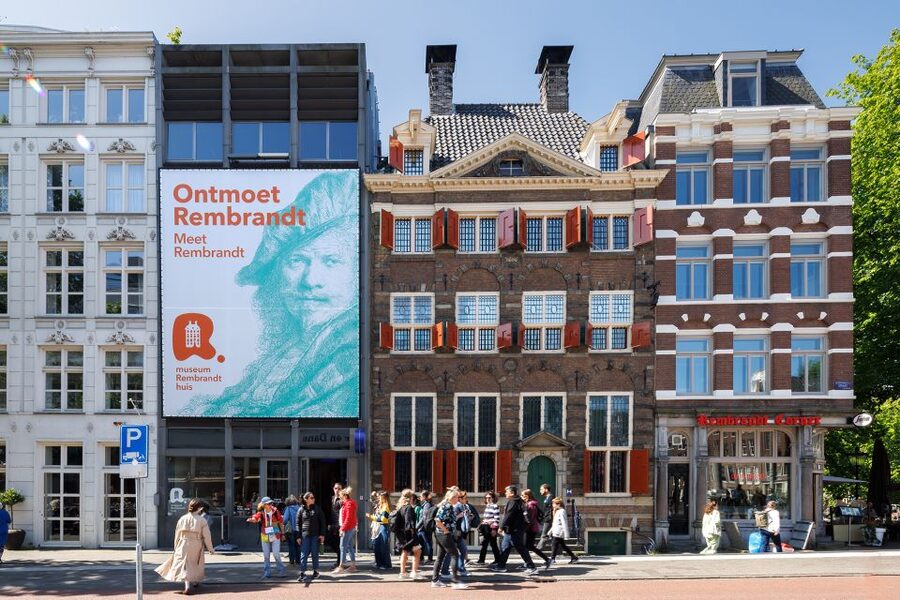
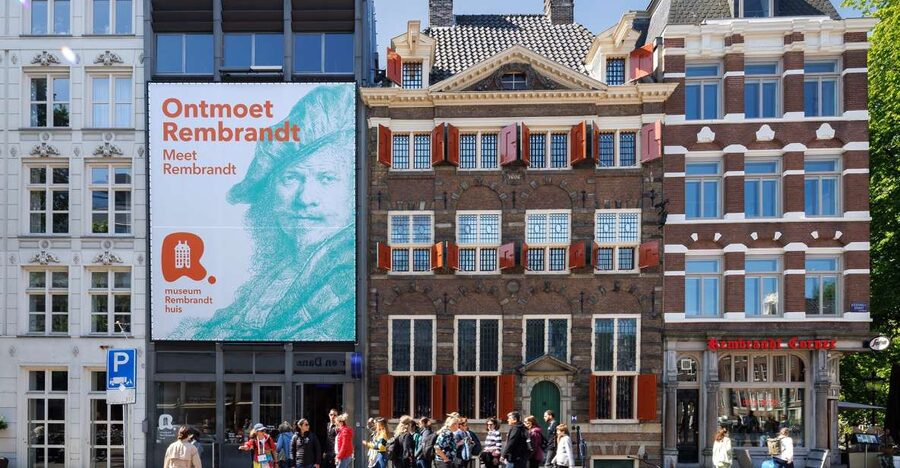
The Rembrandt House Museum sits at Jodenbreestraat 4 in central Amsterdam, in the house where Rembrandt lived and worked during the successful part of his career. The setting matters. This is not a gallery where paintings are lined up in quiet rooms with lots of space between them. You move through a domestic building and see how work, family life, teaching, collecting, and business all shared the same address.
The house has been carefully restored and furnished with Rembrandt’s possessions or well-researched replicas. Labels explain the basis for what you see, which helps you understand the difference between an original object and a reconstruction. I find this approach useful because it gives the rooms a believable period character without pretending every item belonged to Rembrandt himself.
The museum also tells the less polished part of the story. Rembrandt arrived in Amsterdam as an ambitious and successful artist, yet his spending and accumulating debts eventually led to bankruptcy. The route through the house follows that rise and fall, making the visit as much about a man managing success badly as about artistic talent.
You are not simply admiring a famous painter from a distance. You are seeing the conditions in which he worked, taught pupils, stored materials, displayed his collection, and lived with his family. That everyday setting is the museum’s strongest idea.
More Attraction Tickets in Amsterdam
- Amsterdam: Van Gogh Museum Ticket
★ 4.7 · 52,054 reviews - Amsterdam: Heineken Experience Ticket
★ 4.6 · 30,055 reviews - Amsterdam: Rijksmuseum Entry Ticket
★ 4.7 · 25,535 reviews
The ground floor helps you get your bearings
When you enter, allow a little time to understand the layout. The first rooms can feel confusing because the audio stops and starts according to locations, and the early sequence is not always obvious. One practical improvement would be clearer room numbers or arrows, so keep an eye on the museum’s route and do not rush to press every audio option at once.
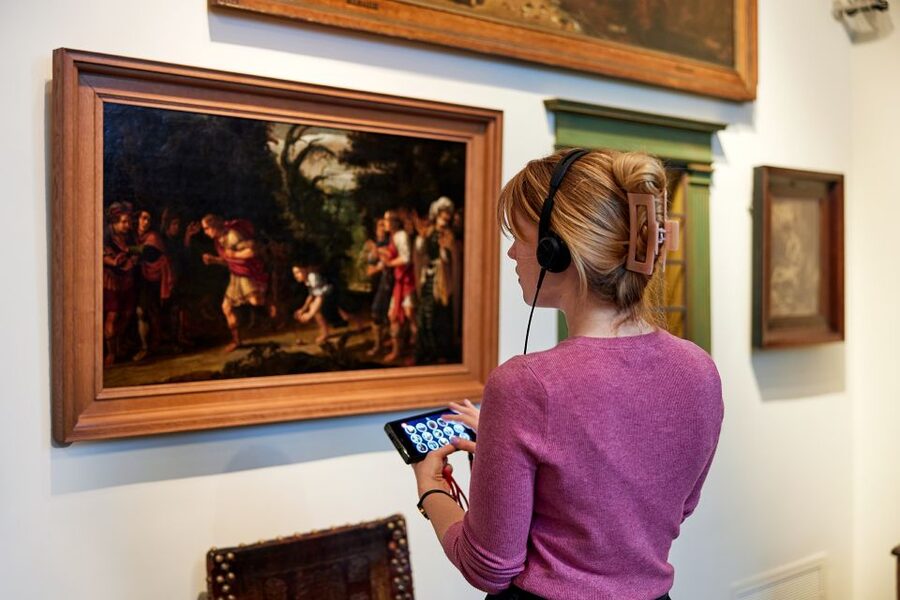
A multimedia tour is included with admission. It combines audio, images, and video to explain Rembrandt’s life and the purpose of each room. The commentary is especially helpful if you do not already know much about him, but it is also worthwhile for art lovers because it connects the house to his working methods.
You can select from several languages: Spanish, Dutch, English, French, German, Italian, and Russian. English-language commentary has been praised for being clear and pleasant to listen to. The system is self-guided, so you can move at your own pace rather than follow a fixed group.
That freedom is useful in a small historic house. If one room is crowded, you can move on and return later. At busy times, several people may gather around a display or demonstration, making it hard to remain in a room without bumping into others. The museum is more enjoyable when you allow extra time instead of trying to race through the audio.
Rembrandt’s studio shows the work behind the masterpieces
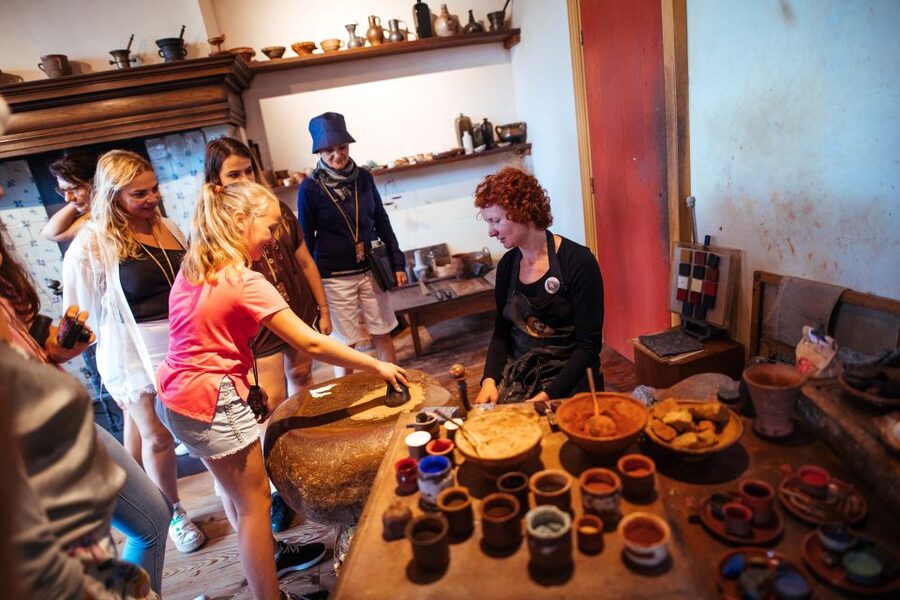
The studio is the heart of the visit. This is where the museum connects the physical house with Rembrandt’s art. Rather than only showing you finished pictures, it explains materials and processes, including how paint was made in his time.
A live paint-mixing demonstration is one of the most useful parts of the museum. You get a practical look at pigments and the preparation of oil paint, which makes the labor behind a 17th-century painting easier to understand. It is a simple demonstration, but it changes the way you look at old paintings. The smooth surface in a museum case began with raw materials, preparation, judgment, and plenty of hands-on work.
The demonstration schedule is described as daily, with painting and etching demonstrations taking place in the museum. Timing can vary, so check the schedule when you arrive. If you care about technique, plan your route around one of these sessions rather than treating it as a lucky extra.
The studio also helps explain Rembrandt’s role as a teacher. His home was not only a private space. It was a working place where pupils and assistants learned by watching, practicing, and producing art. That makes the house especially useful for anyone interested in how art was made before modern studios, schools, and ready-made tubes of paint.
The etching attic brings the printing process to life
Rembrandt’s etchings are one of the museum’s strongest reasons to visit. The collection is described as almost complete, giving you a broad view of his work in this medium. You can see how he used lines, shading, texture, and contrast to create images that feel remarkably direct.
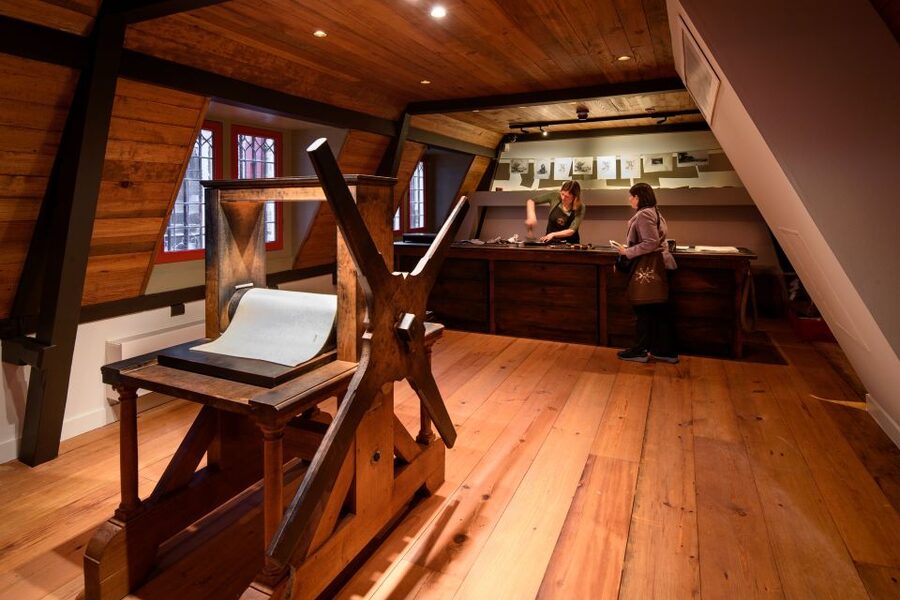
The new etching attic adds a focused look at his technique. A demonstration of etching and printing helps explain the sequence: the artist works on a plate, uses acid to create lines, applies ink, and presses the image onto paper. The museum’s presentation lets you watch the method rather than simply reading about it.
This is also where the house feels most connected to Rembrandt’s reputation as an experimenter. His etchings were not just lesser versions of paintings. They were a flexible way to test ideas, develop images, and circulate his work. The small scale makes you look closely, and the marks reward patience.
If you are not already interested in prints, do not skip this section. The demonstration gives the displays a purpose and helps you understand why Rembrandt’s etchings remain so important. It is one of the places where the museum delivers more than a reconstructed room.
More Museums in Amsterdam
- Moco Museum Amsterdam Entrance Tickets with Banksy & More
★ 4.4 · 10,088 reviews - Amsterdam: The Upside Down Museum Entrance Ticket
★ 4.4 · 9,506 reviews - Amsterdam: Red Light Secrets Museum Entry Ticket
★ 4.2 · 5,722 reviews - Amsterdam’s Weirdest Museum: Believe It or Not!
★ 4.5 · 4,086 reviews
The collection rooms explain Rembrandt’s curiosity
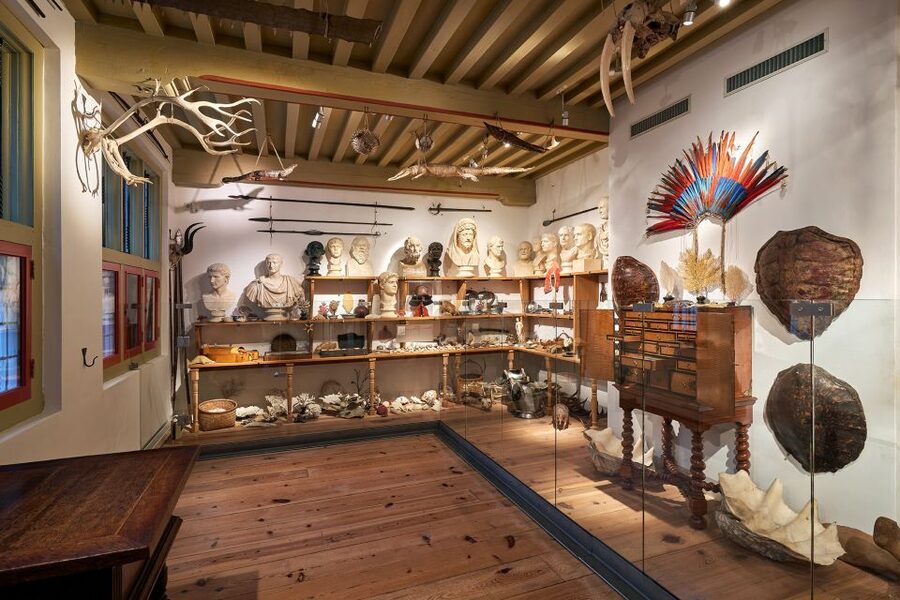
Rembrandt collected objects, art, and unusual items, and the museum recreates that side of his life. His collection was part of his identity as an artist, but it also contributed to his financial problems. The displays help you see both sides: collecting could feed his imagination, yet owning too much could be expensive.
You will also see work by artists from Rembrandt’s circle, including contemporaries and artists he influenced. This means the museum is not filled only with original Rembrandt paintings. Some works come from friends, pupils, and related artists, so read the labels carefully and keep your expectations clear.
That broader selection is useful. It shows how artistic ideas moved through a studio and how Rembrandt’s influence reached beyond his own hand. It also places him in the working world of Amsterdam rather than presenting him as an isolated genius.
The house includes original sketches and drawings, which offer an intimate look at his practice. These works are often more revealing than a polished final painting because you can see decisions being tested on paper. Remember to turn off your camera flash, as the museum requests no-flash photography.
New museum spaces add a second layer to the visit
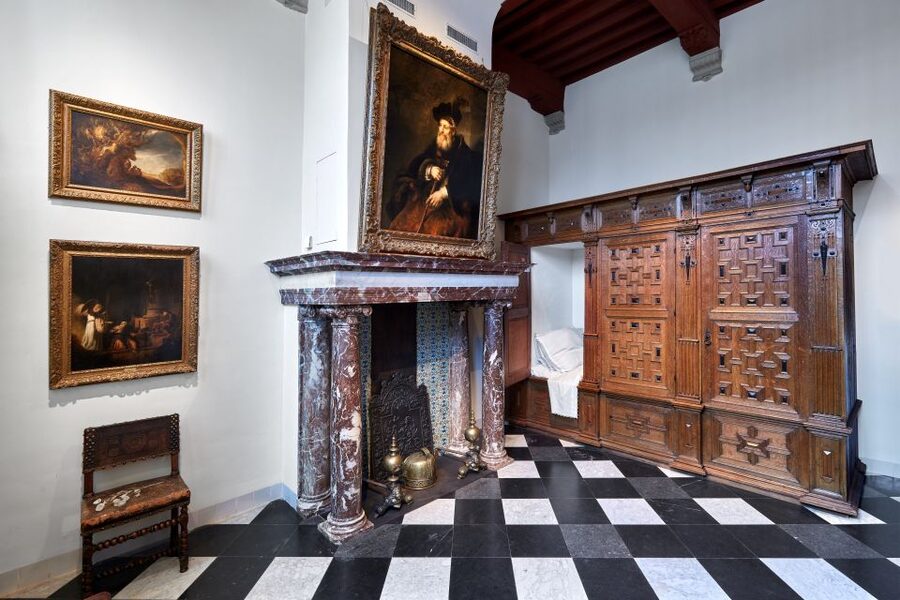
Five recently added museum spaces expand the experience beyond the reconstructed house. Among them are an epilogue room, an etching attic, and a third exhibition room. These areas provide room for temporary displays and for a more direct explanation of Rembrandt’s methods.
From January 30 through May 25, 2026, the exhibition Rembrandt’s Masterclass focuses on craftsmanship, technique, and artistic tactics. Its five themes are Looking, Technique, Emotion, Experimenting, and Selling. That structure should appeal to more than professional artists because it treats Rembrandt’s success as a set of choices and habits, not as mysterious talent alone.
The exhibition includes etchings, paintings, and a drawing by Rembrandt. It also offers hands-on activities, such as drawing an elephant, trying to identify a genuine Rembrandt, practicing a self-portrait pose, and testing your ability to look closely at art.
At the end, a slow-looking room focuses on The Anatomy Lesson of Jan Deijman. The idea is to examine the painting step by step and see how Rembrandt combined observation, technique, and emotion. If you visit during these dates, allow extra time for the temporary exhibition instead of treating it as a quick side room.
Expect stairs, compact rooms, and an unhurried pace
The museum occupies an old multi-floor house, so stairs are part of the experience. Several are steep, though railings are available. Some information indicates that a lift may be in use for visitors who need to avoid stairs, but the activity is not suitable for wheelchair users or people with mobility impairments. Contact the museum before booking if access is a serious concern.
Compact rooms create atmosphere, but they also create crowding. A large guided group can make a room noisy, and loud commentary may interfere with the self-guided audio. If that happens, move to another room and return later. Visiting early or at a quieter time may help, though the supplied information does not guarantee a particular crowd level.
The museum is not a quick photo stop. Most people who use the audio fully need about two hours, while a careful visit can take 2.5 to 3 hours. The longer timing makes sense if you listen to the room explanations, attend the demonstrations, study the etchings, and visit the temporary exhibition.
You can use the included audio guide selectively. If you are mainly interested in architecture or period interiors, listen to the sections about the rooms and possessions. If you are an art lover, give extra time to the studio, collection room, and etching attic.
Is $23 a fair price?
At $23 per person, this is a reasonable Amsterdam museum ticket if you use what is included. The price covers entry and the multimedia tour, with no separate charge for the main demonstrations. You are paying for a full historic house experience rather than a single gallery room.
The value depends on your expectations. If you want to see a large collection of Rembrandt’s famous paintings, you may feel the ticket is less satisfying because the museum’s main purpose is to show his home and explain his practice. If you want to understand how he lived, worked, taught, collected, and printed, the price is easier to justify.
Buying ahead can also help with value. One visitor found the museum price about $3 higher than an advance purchase and saved money by booking months earlier. The exact price can change, so compare the advance rate with the museum’s own price before purchasing.
Free cancellation up to two days in advance adds some flexibility. The ticket is valid for one day, and you should check available starting times before booking.
Who will enjoy the Rembrandt House most?

I would recommend this museum to:
- Anyone who wants the life story behind the paintings
- Art students, working artists, and printmaking enthusiasts
- Visitors interested in 17th-century domestic life
- Families with older children who enjoy demonstrations and hands-on activities
- People who prefer a self-guided visit with plenty of context
- Rembrandt fans planning to see his paintings elsewhere in Amsterdam
The museum can also work for people who are not serious art fans, especially if they enjoy old houses and social history. The demonstrations make the visit more concrete and less dependent on prior art knowledge.
I would be more cautious if you have limited time, dislike audio guides, or have difficulty with stairs. The visit depends heavily on the commentary, and the house is not designed like a modern, open museum. You may also want to skip it if your only goal is original Rembrandt paintings.
Should you book the Rembrandt House Museum?
Book it if you want Rembrandt the working person, not only Rembrandt the celebrated painter. The studio, paint demonstration, etching attic, and carefully restored rooms give you a clear sense of the effort behind his art. The audio tour is strong enough that I would treat it as part of the ticket, not an optional extra.
Plan for at least two hours, wear comfortable shoes for the stairs, and arrive ready to listen. If you visit between January 30 and May 25, 2026, add time for Rembrandt’s Masterclass. For a compact, personal look at the artist’s Amsterdam life, this is one of the better uses of $23.
FAQ
Where is the Rembrandt House Museum located?
The museum is at Jodenbreestraat 4 in Amsterdam, in North Holland, Netherlands.
How much does admission cost?
The listed price is $23 per person. Prices at the museum may be about $3 higher than an advance purchase, based on the supplied booking information.
How long is the ticket valid?
The ticket is valid for one day. You should check availability for the starting times offered on your chosen date.
Is an audio guide included?
Yes. A new multimedia tour is included with admission. Audio is available in Spanish, Dutch, English, French, German, Italian, and Russian.
What languages are available from the host or greeter?
Host or greeter assistance is listed in English and Dutch.
Can wheelchair users visit the museum?
The experience is not suitable for wheelchair users or people with mobility impairments. The house includes several floors and steep stairs. A lift may be available for visitors who need to avoid stairs, so check with the museum before booking.
Can I cancel the booking?
Yes. You can cancel up to two days in advance for a full refund.
More Museums
- Amsterdam: Van Gogh Museum Ticket and City Canal Cruise
★ 4.6 · 3,899 reviews - Amsterdam: Van Gogh Museum Ticket & Canal Cruise
★ 4.5 · 3,304 reviews - Amsterdam: NEMO Science Museum Ticket
★ 4.4 · 2,979 reviews - Amsterdam: Streetart Museum STRAAT Entrance Ticket
★ 4.8 · 2,137 reviews
Just added around Amsterdam
- Amsterdam 1-Hour Rickshaw Tour★ 4.9 · 17 reviews
- Amsterdam: Canal Cruise and Jewish Cultural Quarter Tickets★ 4.2 · 17 reviews
- Keukenhof Gardens and Tulip Experience Tour from Amsterdam★ 4.8 · 17 reviews
- Marken, Volendam and Edam: Private Full-Day Tour★ 4.6 · 18 reviews
- Discover Amsterdam’s city center in this Outside Escape game tour★ 4.5 · 18 reviews
- Amsterdam: Personal Travel & Vacation Photographer★ 4.8 · 18 reviews
- Amsterdam: Luxury Saloon Boat Cruise with 3-Course Dinner★ 3.9 · 18 reviews
- Rijksmuseum & Amsterdam City Center Semi-Private Tour 12ppl Max★ 5.0 · 18 reviews
Museums, compared.

Moco Museum Amsterdam Entrance Tickets with Banksy & More
Read our review →


Amsterdam’s Weirdest Museum: Believe It or Not!
Read our review →

Browse the lists this tour appears in