
REVIEW · WINDMILL TOURS
Amsterdam: Windmill Guided Tour
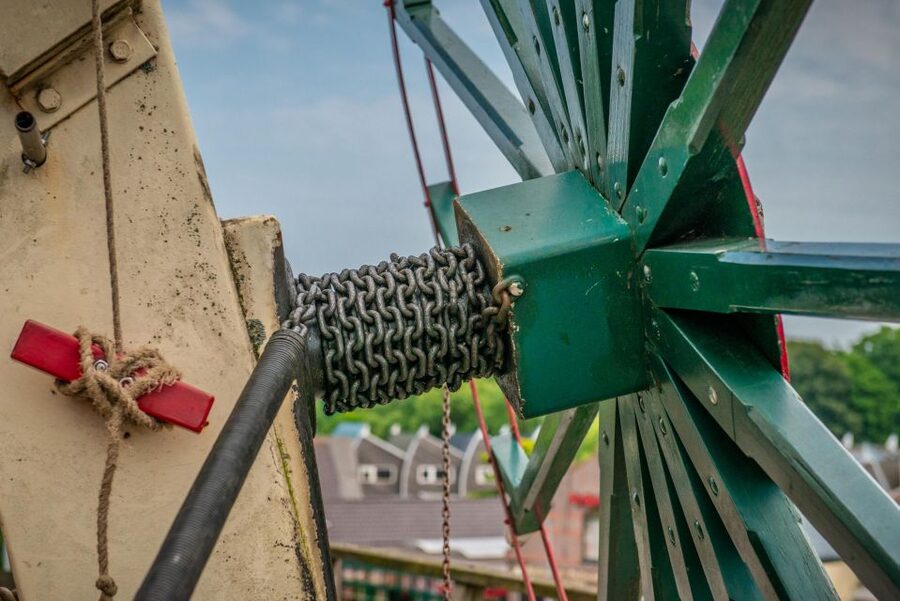
Watch the Dutch fight water with wind. The Molen van Sloten is a working 19th-century water-pumping mill, not a silent museum piece, and its moving sails make the visit feel wonderfully real. I like the clear lesson in Dutch water management, and I like the intimate scale of a 45-minute tour that fits neatly into an Amsterdam day.
The tour also gives you panoramic views of the Ringvaart Canal and nearby areas from the upper levels. The main consideration is location: this windmill sits on the outskirts of Amsterdam West, so it is not a quick stop beside the central canal belt. The climb inside may also require some care, although the site is wheelchair accessible.
In This Review
- The key details at a glance
- Why this windmill is more than a pretty photo
- Entering Molen van Sloten through the souvenir shop
- Following the machinery through the 45-minute tour
- Climbing toward the stories of Sloten and Old Osdorp
- The attic’s unusual Rembrandt connection
- Ringvaart Canal views from the upper levels
- Is $9 good value for Amsterdam?
- Who will enjoy the Sloten Windmill most?
- Languages, guides, and the feel of the visit
- Planning the visit without overcomplicating it
- Should you book this Amsterdam windmill tour?
- FAQ
- Where does the Amsterdam windmill tour begin?
- How long does the tour last?
- How much does the tour cost?
- What is included in the price?
- Is hotel pickup included?
- Are food and drinks included?
- What languages are available?
- Is the windmill still working?
- Can children join the tour?
- Is the attraction wheelchair accessible?
- Can I cancel for a refund?
- Can I reserve now and pay later?
The key details at a glance
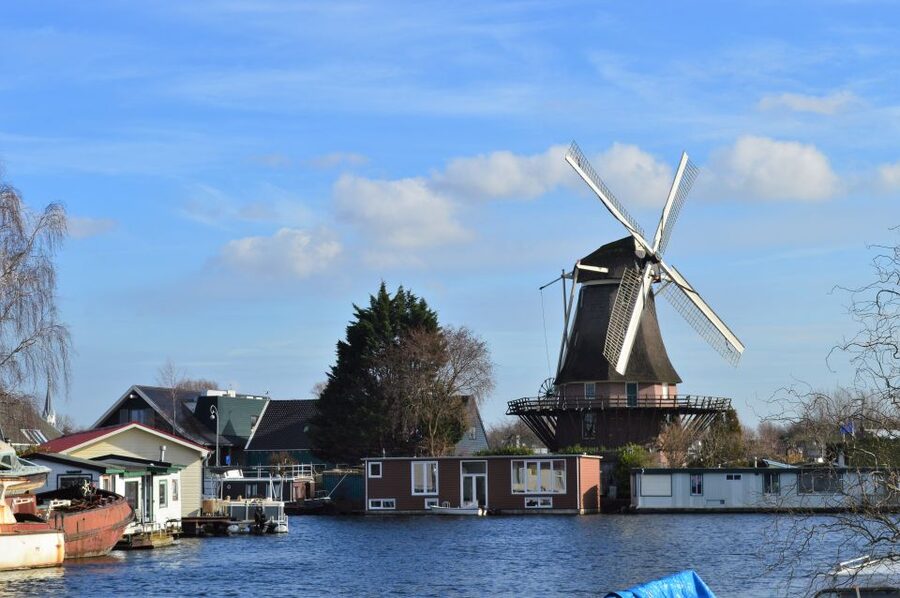
- A working mill from 1847: The Sloten Windmill still controls water levels in low-lying Amsterdam West.
- A short, focused visit: The guided tour lasts 45 minutes, long enough for the machinery and story without taking over your day.
- A practical lesson in Dutch life: You learn how wind power helps keep homes and land dry.
- A small surprise upstairs: Wax figures painted by Rembrandt van Rijn are displayed in the attic.
- A good family choice: Children can see real moving machinery, though anyone under 12 must be with an adult.
- Strong value at $9: Entrance and a live guide are included, with tours offered in English, Dutch, and German.
Why this windmill is more than a pretty photo
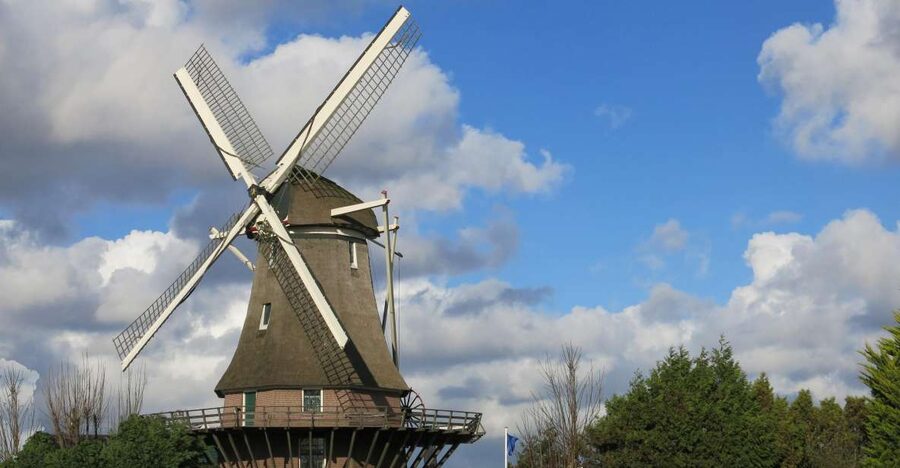
Amsterdam’s windmills are easy to treat as postcard props. The Sloten Windmill gives you something better: a working example of the machinery that helps manage water in a low-lying part of the country.
The mill dates from 1847 and still pumps water for Amsterdam West. That fact changes the visit. You are not simply looking at old timber, sails, and a thatched roof. You are seeing a piece of local infrastructure that continues to do its job.
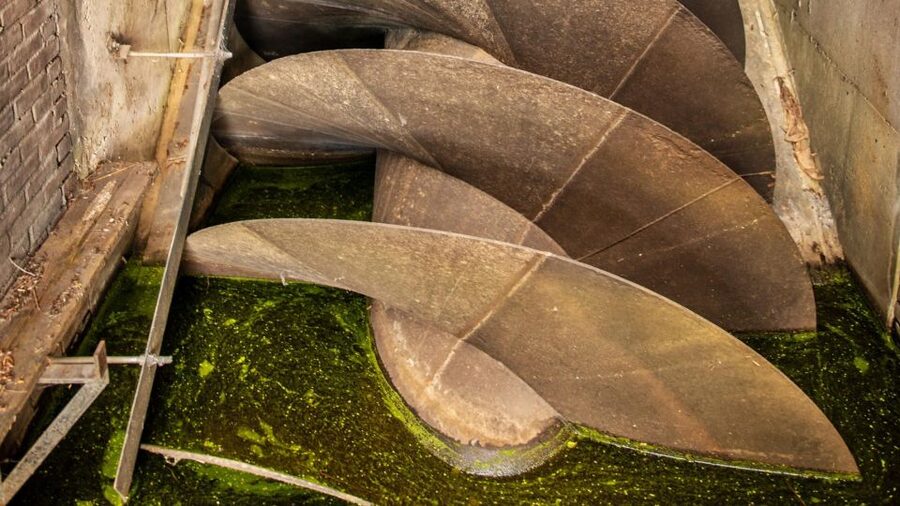
Your guide explains how the mill works and how it protects the surrounding area from excess water. This is the most useful part of the experience because it connects the building to everyday Dutch life. The familiar phrase about keeping your feet dry becomes much clearer when you see the scale and purpose of the machinery.
I especially like that the tour explains the water system in plain terms rather than leaving you to admire the structure without context. The windmill becomes a practical answer to a practical problem: how do you manage water when land sits so low?
More Windmill Tours in Amsterdam
- Amsterdam: Guided Zaanse Schans, Windmills & Cheese Tour
★ 4.4 · 4,826 reviews - Windmill Tour from Amsterdam, Including Volendam & Marken
★ 4.0 · 4,572 reviews - Zaanse Schans Windmills, Clogs and Dutch Cheese Small-Group Tour from Amsterdam
★ 4.5 · 2,369 reviews
Entering Molen van Sloten through the souvenir shop
The meeting point for the guided tour is the entrance in the souvenir shop. That detail matters, since you do not simply walk up to the mill and wait beside the sails. Go into the shop first, where the guided visit begins.
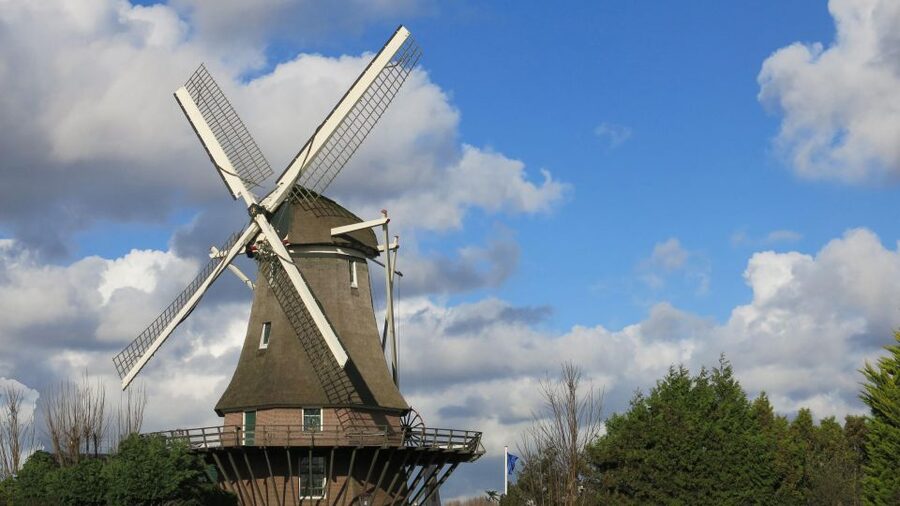
Before entering, take a moment to look at the building itself. The thatched roof and sturdy oak construction give the mill a traditional appearance, but the real interest begins once you see the working parts inside.
The mill is open to the public, which is unusual for a functioning water mill. Your guide leads you through the structure and explains its purpose as you move upward. The visit is not long, so the pace stays focused on the mill rather than drifting into unrelated Amsterdam trivia.
The setting also adds to the appeal. The windmill sits near the Ringvaart Canal and the villages of Sloten and Old Osdorp. You get a sense of Amsterdam beyond the center, where water control and village life shape the character of the area.
Following the machinery through the 45-minute tour
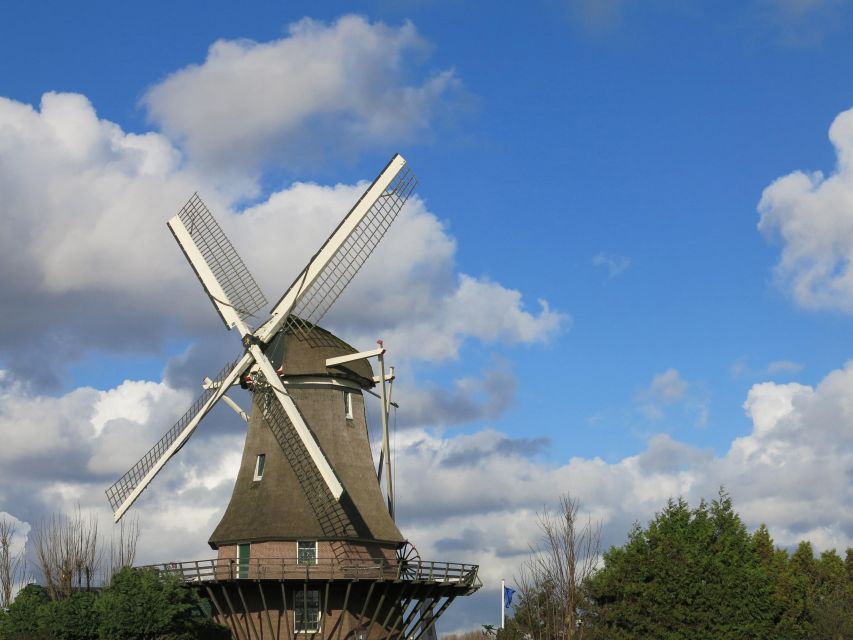
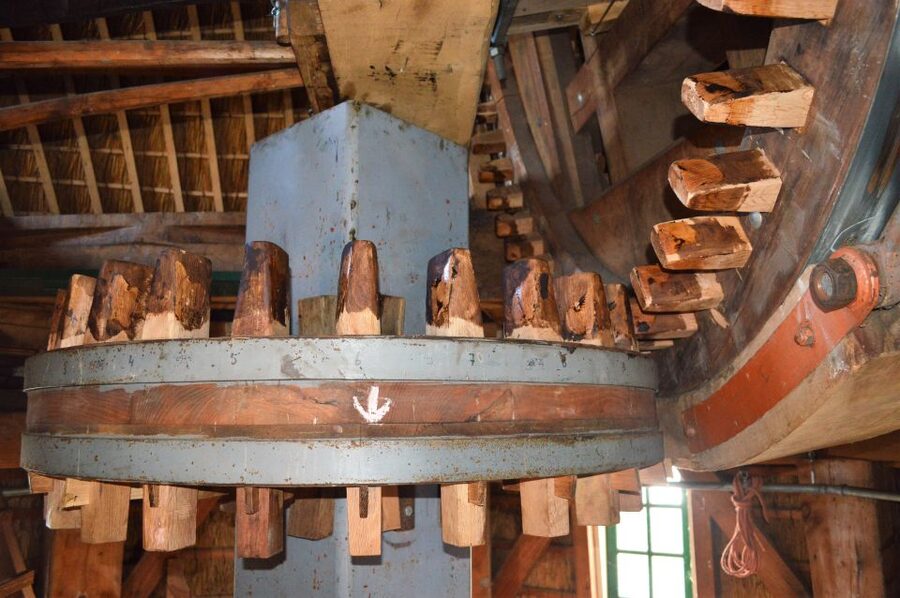
The central part of the visit is the guided walk through the mill. You learn how the sails transfer power and how the internal machinery helps pump water.
When the wings turn, the explanation becomes much easier to grasp. You can connect the movement outside with the mechanical work inside. If the miller is adjusting or checking the sails during your visit, you may get an especially good look at the care needed to keep the system operating. One couple had the added pleasure of seeing the miller adjust the brake on the sails during a small-group visit.
That kind of moment is part of the charm here. The mill is not presented as a frozen object behind barriers. It is maintained and operated, with people still paying attention to the working parts.
The guides are volunteers, and that comes through in the best way. They bring personal enthusiasm to the explanation and are ready to answer questions. I would ask about the mill’s pumping role, the brake, and the way water levels are controlled. Those questions help turn a short tour into a much more memorable lesson.
The technical details can be a real strength. One German-speaking visitor praised the explanation of the machinery and the way the guide responded to questions. If you enjoy seeing how things work, this is likely to be more satisfying than a quick exterior photo.
Climbing toward the stories of Sloten and Old Osdorp
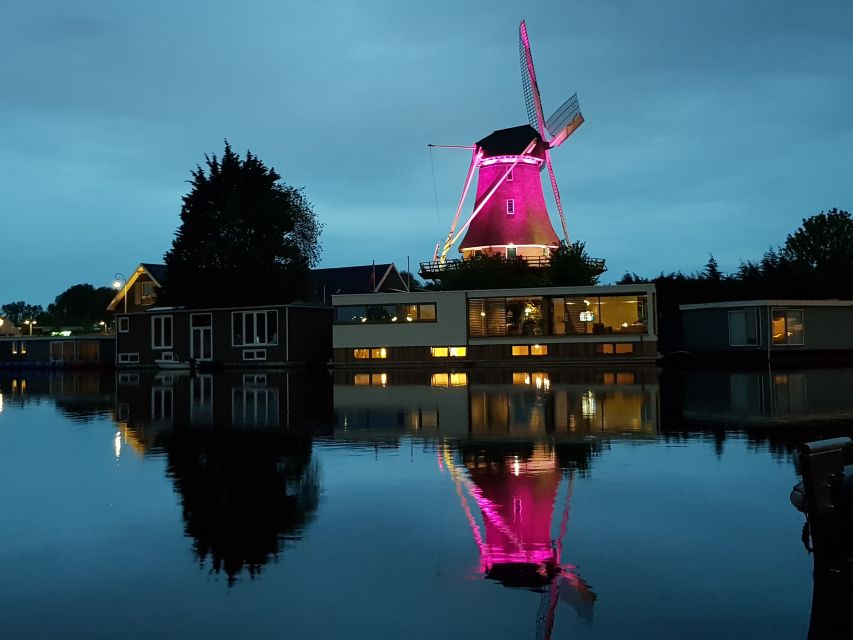
As you climb higher in the windmill, the guide adds local stories about Sloten and Old Osdorp. These details give the mill a sense of place instead of presenting it as an isolated machine.
The tour is also a gentle lesson in how villages developed around water management. The mill’s work is tied to the surrounding canals and low-lying land, so the local names and stories help you picture the area as a connected community.
The interior is not described as spacious, and a working mill naturally has machinery, narrow areas, and changing levels. You should pay attention to your footing as you move through it. The short duration helps here: you get the experience of going inside and climbing through the mill without being committed to a long visit.
The site is wheelchair accessible, an important advantage for many visitors. At the same time, ask about the exact route if stairs or tight interior spaces are a concern, since the tour involves moving upward through a traditional windmill.
More windmill tours:
- Amsterdam: Zaanse Schans windmills & Volendam Guided Tour
★ 4.6 · 1,893 reviews - Amsterdam: Day Tour Keukenhof and Zaanse Schans Windmills
★ 4.5 · 1,549 reviews - Countryside Bike Tour from Amsterdam: Cheese, Clogs & a Windmill
★ 5.0 · 1,485 reviews - Zaanse Schans Windmills 4-Hour Tour in Italian
★ 4.8 · 1,385 reviews
The attic’s unusual Rembrandt connection
Near the top, the tour includes wax figures painted by Rembrandt van Rijn. This is an unexpected feature and gives the visit a small art-history twist.
The figures are not a replacement for a museum visit, but they add character to the attic and make the upper part of the tour more than a machinery stop. Children may enjoy the surprise, while adults will likely appreciate the odd connection between a working windmill and one of the Netherlands’ best-known painters.
I would treat this as a bonus rather than the main reason to book. The strongest parts of the tour are the functioning mill, the water-management lesson, and the views. Still, the attic display helps round out the visit and gives your guide another story to tell.
Ringvaart Canal views from the upper levels
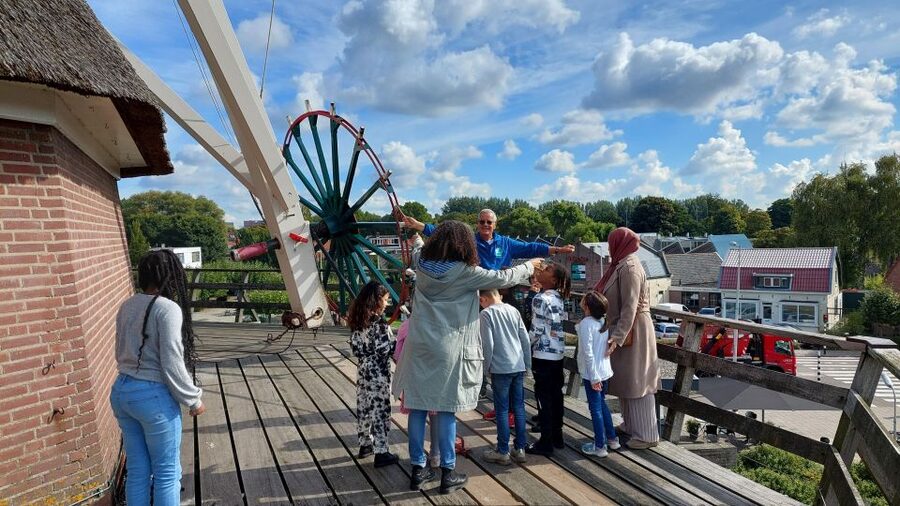
The higher you go, the better the view. From the top, you can look over the Ringvaart Canal and the surrounding area.
This is not a grand city panorama of Amsterdam’s central monuments. It is a quieter view, focused on canals, open surroundings, and the low-lying setting that makes the mill necessary. That difference is important. You come here to understand the relationship between land and water, not to collect another view of the Rijksmuseum or the Royal Palace.
The view also reinforces the guide’s explanation. Once you see the waterways around the mill, the pumping work feels less abstract. You can better understand why controlling water levels remains part of life in Amsterdam West.
Bring your attention, not just your camera. The view is most rewarding when you connect it to what you have just learned inside.
Is $9 good value for Amsterdam?
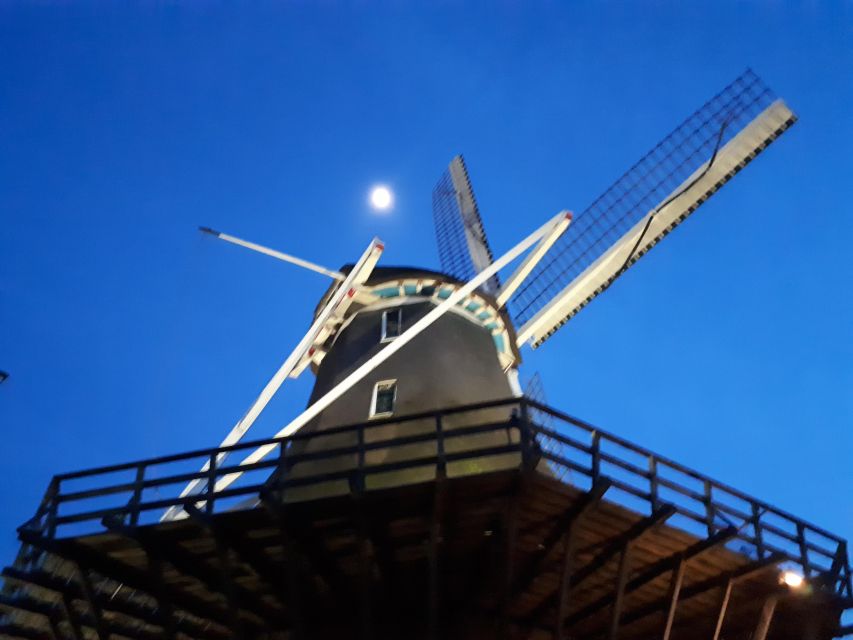
At $9 per person, this is an easy tour to recommend on value. The price includes entrance and a live guide, and the visit lasts 45 minutes. That gives you a focused experience at a modest cost, especially in a city where many major attractions are far more expensive.
The value comes from the combination of access and explanation. You can see the windmill from outside for free, but that only gives you the postcard version. The paid tour takes you inside, shows you the moving parts, explains the pumping system, and leads you to the attic and upper views.
The short length is another advantage. You can fit the tour into a half-day around Amsterdam West without giving up an entire afternoon. It works well for families, curious adults, and anyone who wants a practical local experience rather than another large museum.
There are limits. Food and drinks are not included, and there is no hotel pickup or drop-off. You need to arrange your own way to the meeting point and plan any refreshments separately. The tour is also less useful if you only want a fast windmill photograph and have no interest in how the structure works.
Who will enjoy the Sloten Windmill most?
I would choose this tour for several types of visitors:
- Families: Moving sails, mechanical parts, and a climb through a real mill give children something active to watch. Anyone under 12 must be accompanied by an adult, and unaccompanied minors are not allowed.
- People interested in engineering: The guide explains the practical machinery rather than offering only general facts.
- First-time visitors to the Netherlands: The tour gives you a clear introduction to Dutch water management.
- Repeat visitors to Amsterdam: If you have already seen the major center attractions, this offers a different side of the city.
- Photographers: The thatched roof, oak construction, turning sails, canal setting, and upper views offer plenty of visual interest.
- Visitors who prefer short activities: At 45 minutes, the tour is substantial without becoming tiring.
I would think twice if you have limited mobility and are unsure about the interior route, even though the attraction is wheelchair accessible. I would also skip it if your schedule leaves no room for a trip to Amsterdam West, since the mill is not in the central sightseeing area.
Languages, guides, and the feel of the visit
Tours are available in English, Dutch, and German. That covers many visitors, though French is not listed as an option. If you need a French tour, this may not be the right choice.
The volunteer guides are one of the experience’s strongest features. Their enthusiasm for preserving and maintaining the mill gives the tour a personal quality. You are not just hearing a memorized script. You may find a guide who spends extra time on the technical details or responds closely to your questions.
Group size can vary. Some visits may be small enough to feel almost private, while other departures could have more people. A small group is ideal because the interior is compact and questions are easier to ask. The tour’s high rating of 4.7 from 70 reviews supports the view that the guides and explanations are consistently well received.
The praise is especially strong for clear explanations, friendly service, and the guides’ attention to questions. That matters more here than polished production. The mill itself is the attraction, and a good guide helps you see what your eyes might otherwise miss.
Planning the visit without overcomplicating it
The tour lasts 45 minutes, and starting times vary, so check availability for the day you want. Since the mill is on the outskirts of Amsterdam West, allow enough time to reach the meeting point before the tour begins.
The entrance for the guided visit is inside the souvenir shop. This is the place to remember, particularly if the exterior is busy or you are not sure where the tour starts.
There is no hotel pickup or drop-off. Food and drinks are also not included, so plan those on your own. The good news is that you can reserve now and pay later, and cancellation is free up to 24 hours before the activity for a full refund.
The attraction is wheelchair accessible. Children under 12 need an adult with them, and unaccompanied minors are not allowed. Tours are available in English, Dutch, and German.
Should you book this Amsterdam windmill tour?
Book it if you want to understand why windmills mattered, not just photograph one. The Sloten Windmill offers a working machine, a clear explanation of Dutch water control, canal views, local stories, and a curious Rembrandt connection for just $9.
I would make this a priority for families and anyone interested in engineering, local life, or the practical side of Dutch history. The main drawback is the out-of-center location, and the 45-minute format means you should not expect a long museum-style visit.
If you can fit Amsterdam West into your plans, I think the tour earns its place. It is inexpensive, easy to understand, and genuinely connected to the place you are visiting. You leave with more than a windmill photo. You understand a little better how the Dutch keep their feet dry.
FAQ
Where does the Amsterdam windmill tour begin?
The guided tour begins at the entrance in the souvenir shop at Molen van Sloten.
How long does the tour last?
The guided tour lasts 45 minutes.
How much does the tour cost?
The listed price is $9 per person.
What is included in the price?
Entrance fees and a live tour guide are included.
Is hotel pickup included?
No. Hotel pickup and drop-off are not included.
Are food and drinks included?
No. Food and drinks are not included.
What languages are available?
The live tour guide is available in English, Dutch, and German.
Is the windmill still working?
Yes. The Sloten Windmill is a functioning water-pumping mill that still controls water levels in low-lying Amsterdam West.
Can children join the tour?
Yes. Children under 12 must be accompanied by an adult, and unaccompanied minors are not allowed.
Is the attraction wheelchair accessible?
Yes. The activity is listed as wheelchair accessible.
Can I cancel for a refund?
Yes. You can cancel up to 24 hours in advance for a full refund.
Can I reserve now and pay later?
Yes. The activity offers a reserve-now-and-pay-later option.
Just added around Amsterdam
- Amsterdam 1-Hour Rickshaw Tour★ 4.9 · 17 reviews
- Amsterdam: Canal Cruise and Jewish Cultural Quarter Tickets★ 4.2 · 17 reviews
- Keukenhof Gardens and Tulip Experience Tour from Amsterdam★ 4.8 · 17 reviews
- Marken, Volendam and Edam: Private Full-Day Tour★ 4.6 · 18 reviews
- Discover Amsterdam’s city center in this Outside Escape game tour★ 4.5 · 18 reviews
- Amsterdam: Personal Travel & Vacation Photographer★ 4.8 · 18 reviews
- Amsterdam: Luxury Saloon Boat Cruise with 3-Course Dinner★ 3.9 · 18 reviews
- Rijksmuseum & Amsterdam City Center Semi-Private Tour 12ppl Max★ 5.0 · 18 reviews
Windmill Tours, compared.
Guided Zaanse Schans, Windmills & Cheese Tour
Read our review →
Windmill Tour from Amsterdam, Including Volendam & Marken
Read our review →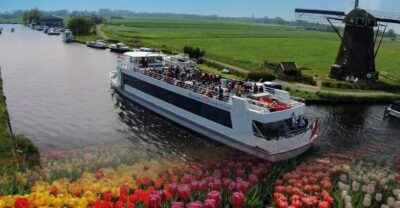
Tour to Keukenhof Gardens with Windmill Cruise
Read our review →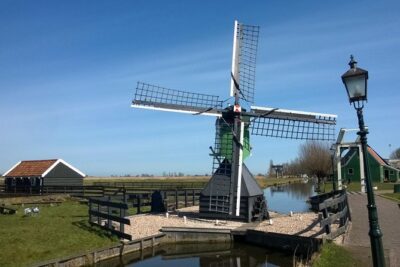
Zaanse Schans Windmills, Clogs and Dutch Cheese Small-Group Tour from Amsterdam
Read our review →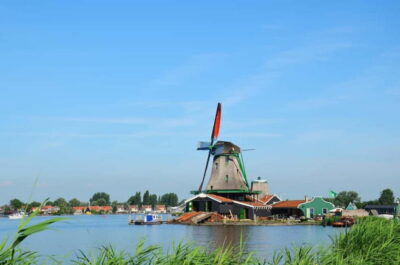
Zaanse Schans windmills & Volendam Guided Tour
Read our review →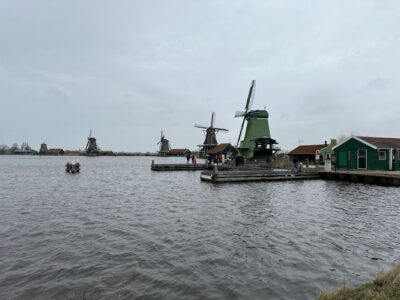
Day Tour Keukenhof and Zaanse Schans Windmills
Read our review →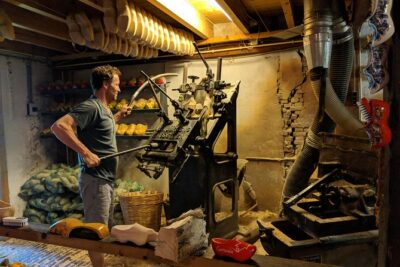
Countryside Bike Tour from Amsterdam: Cheese, Clogs & a Windmill
Read our review →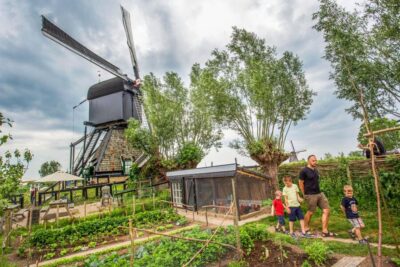
Kinderdijk UNESCO World Heritage Entry Ticket
Read our review →Browse the lists this tour appears in