
REVIEW · EINDHOVEN TOURS
Eindhoven: Philips Museum Entry Ticket
Light bulbs changed Eindhoven forever. I like the 1891 factory setting and the clear walk through Philips products, from early electric lamps to television, radio, digital technology, and healthcare. The ticket also includes temporary exhibitions, an audio tour, scheduled activities, and a hands-on AI display. The main drawback is that guided tours and some family activities cost extra, so you may need to explore on your own.
I also like how the museum connects technology with everyday life. You are not simply looking at old machines in glass cases. You are shown how Philips inventions changed homes, entertainment, work, and medicine. At $14 per person, it offers good value for an hour or two, especially if you enjoy technology, local history, or interactive exhibits. The football display may appeal to some visitors more than others.
In This Review
- Key points worth knowing
- Why the old factory matters
- Following the Philips timeline from 1891 onward
- Gerard Philips and the human side of invention
- The brAInpower exhibition and the future of AI
- Temporary exhibitions add variety
- Included activities and what costs extra
- Planning your visit and getting good value
- Audio tour, lockers, and access
- Who will enjoy the Philips Museum most?
- Should you book the Philips Museum?
- FAQ
- Where is the Philips Museum located?
- How much does admission cost?
- How long is the ticket valid?
- Is a guided tour included?
- Which languages are available for the audio tour?
- Is the Philips Museum wheelchair accessible?
- Can I pay with cash at the museum?
- Can museum or student card holders receive a discount?
- Can I cancel my booking?
- Which activities are included with admission?
Key points worth knowing
- The museum occupies a 1891 lightbulb factory: You can connect Philips’ early work with the building where its first lamps were produced.
- The main route follows Philips’ product timeline: Radio, television, digital technology, and healthcare appear in a clear step-by-step sequence.
- The brAInpower exhibition looks at AI: It links the history of artificial intelligence with Philips’ role in its future.
- Your ticket includes more than the permanent displays: Temporary exhibitions, scheduled activities, an audio tour, lockers, and the Torchlight Treasure Hunt are included.
- The museum is close to central Eindhoven: Parking lots are nearby, and morning visits may be quieter.
- Some activities are not included: The guided tour, Mission Eureka group game, and Museum Kids Factory require separate arrangements or payment.
Why the old factory matters
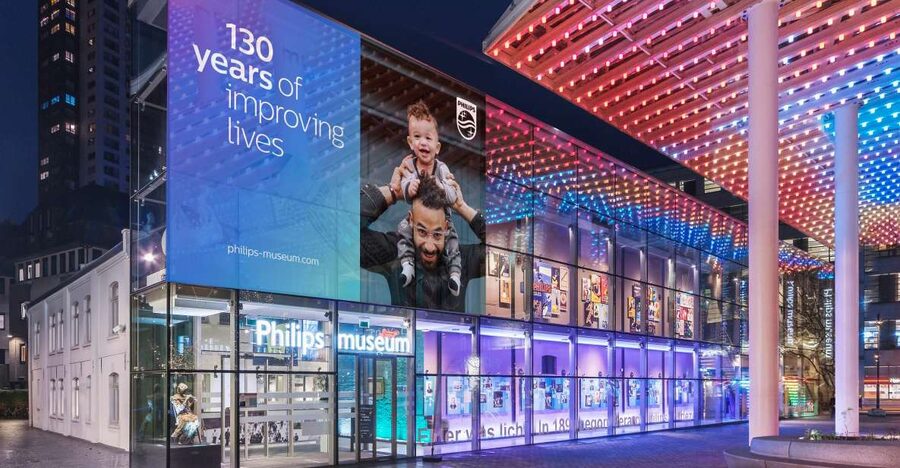
The Philips Museum is housed in a lightbulb factory built in 1891. That setting gives the visit a useful sense of place. You are not learning about Philips in a modern exhibition hall with no link to the company’s beginnings. The walls and purpose of the building point back to the moment when electric lighting began changing daily life.
Your visit starts with the company’s early story and the thoughts and actions of founder Gerard Philips. The museum presents him as a practical inventor and business builder, rather than treating the company as a faceless modern brand. That personal starting point helps explain why the displays move quickly from one product to the next.
I find this setting especially helpful if you know Philips mainly for light bulbs, electric toothbrushes, or household electronics. The museum shows that the company grew through repeated changes in technology. It also places Eindhoven inside that story, making this more than a brand museum.
More museums:
- Eindhoven: PSV Stadium Museum Entry Ticket
★ 4.1 · 101 reviews - Eindhoven: Next Nature Museum Entry Ticket
★ 3.9 · 83 reviews - Amsterdam: Van Gogh Museum Ticket
★ 4.7 · 52,054 reviews
Following the Philips timeline from 1891 onward
The central route takes you through Philips’ development in sequence. You begin with electric light and then move through products that affected homes and public life during the last century.
The first lightbulb section is the natural anchor. You can look back to 1891 and learn how the earliest bulbs were made. This gives the museum a physical starting point: before Philips became associated with radios, televisions, and healthcare equipment, it was working on a basic but powerful problem, how to bring dependable electric light into people’s lives.
Next comes the company’s expansion into radio and television. These displays help you see how Philips moved beyond lighting and into communication and entertainment. A radio was not merely another product in a catalog. It changed how people received news and music at home. Television went a step further, bringing moving images into the living room.
The museum then follows the arrival of the digital age. This part may be particularly enjoyable if you like seeing familiar technology develop from bulky early equipment into smaller, more capable devices. Philips’ story becomes a record of changing habits as much as changing machinery.
Do not rush past the labels and timeline. The value of this museum is the connection between inventions and social change. Electric light altered daily schedules. Radio and television altered shared family time. Digital tools changed how information moved. The displays make those links easier to grasp than a simple list of product names would.
Gerard Philips and the human side of invention
The section about Gerard Philips adds a personal layer to the visit. It gives you a glimpse into the decisions and ideas behind the company’s early work.
That matters because a large corporation can seem distant from its origins. Here, the museum brings the story back to one founder and one central challenge: how to turn a useful invention into something that can improve ordinary life. The company’s stated aim, improving people’s lives, appears again and again as Philips moves into new fields.
I would pay attention to this section even if you are mainly interested in the interactive displays. It gives the later products a frame. You can see Philips as a company that kept changing its focus rather than remaining tied to the first item it made.
The museum does not require you to be an engineer. The story is presented for a general audience, and the product timeline gives you enough context to understand why each stage mattered.
The brAInpower exhibition and the future of AI
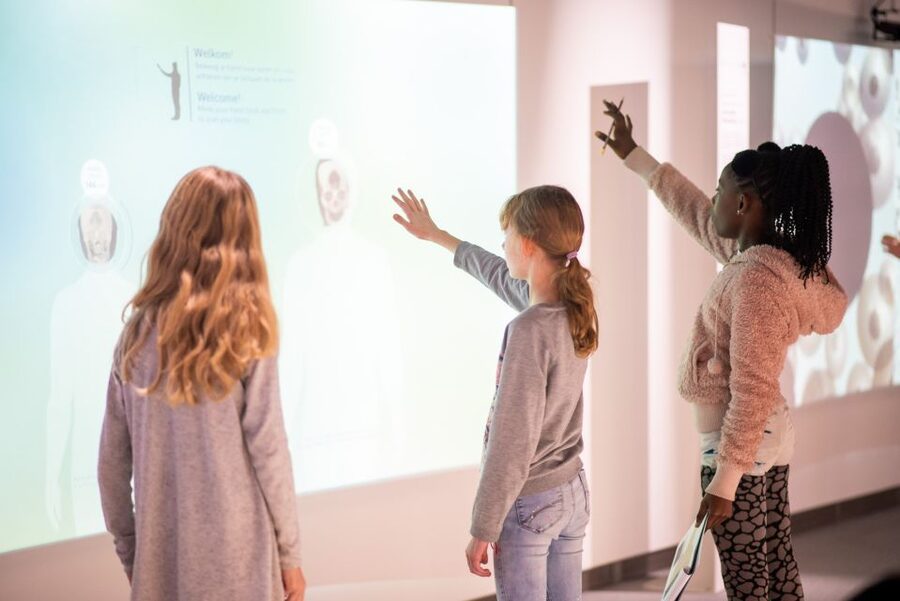
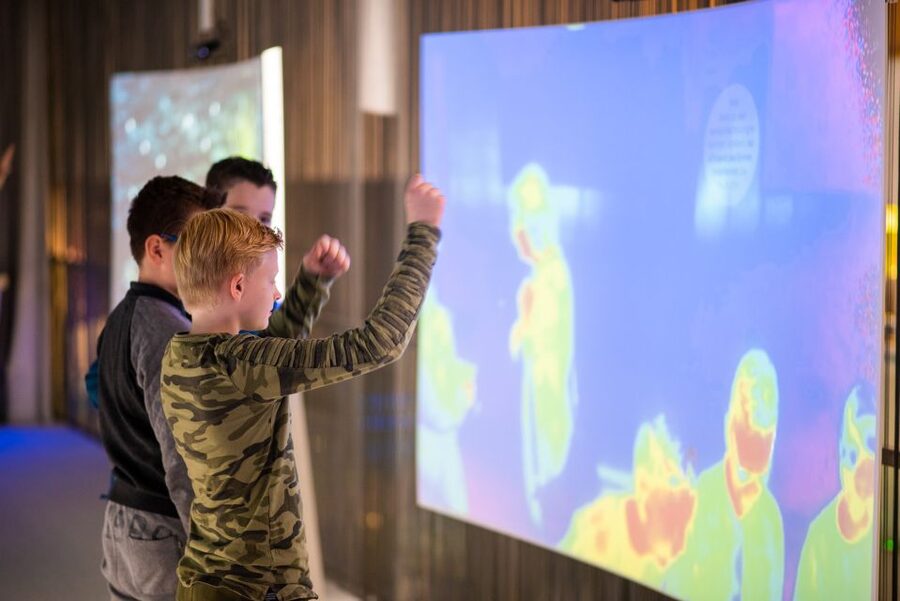
The brAInpower exhibition brings the museum into the present. It covers the history and future of artificial intelligence, including Philips’ role in this area.
This is an important change of pace after the older radios, televisions, and lightbulbs. Instead of looking only backward, you are asked to think about how AI may shape healthcare and other parts of life. Philips now focuses heavily on healthcare innovation, so this display connects the company’s early interest in useful technology with current medical applications.
The AI section is also one of the reasons the museum works for younger visitors and people who might not usually choose a company museum. The subject feels current, and the exhibition has an interactive quality. One available description specifically points to an interactive AI exhibition, so you should allow time to engage with it rather than treating it as a quick final room.
Still, expectations matter. The information provided does not promise a large-scale technology center or a long series of advanced demonstrations. Think of brAInpower as one exhibition within a broader museum route. Its value lies in showing how Philips continues to reinvent itself and how technology can affect society.
More Eindhoven trips:
- Eindhoven: Motion Experience Light Art Playground Ticket
★ 4.0 · 168 reviews - Eindhoven: Bottle Distillery Tour and Tasting Experience
★ 4.9 · 74 reviews - Eindhoven: City Center Walking Tour
★ 4.7 · 43 reviews - Discover the best spots in Eindhoven with Outside Escape
★ 4.5 · 40 reviews
Temporary exhibitions add variety
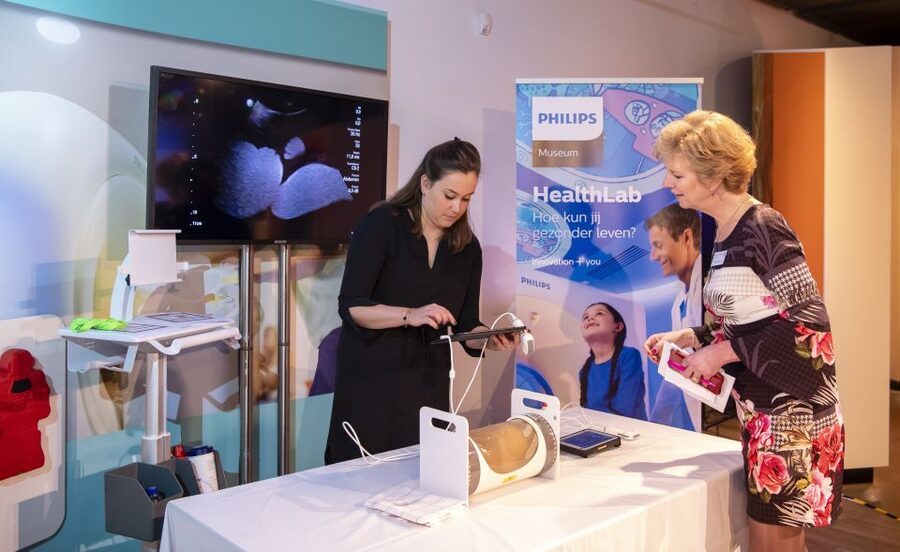
Your admission includes the temporary exhibitions Eyecatchers and PSV, Eendracht maakt macht. These give the museum two different ways to move beyond the main Philips timeline.
Eyecatchers fits naturally with the visual side of the museum. The title suggests a focus on striking objects or designs, though the exact contents can change. It is worth checking what is on display when you visit, since temporary exhibitions are not permanent by nature.
The PSV exhibition connects the museum with Eindhoven’s football culture. PSV, Eendracht maakt macht will be a strong addition for football followers and for anyone interested in local identity. It also broadens the visit beyond inventions and corporate history.
If football is not your interest, you may spend less time in that section. That is not a major problem because the main Philips route and brAInpower exhibition provide the core experience. Families and mixed-interest groups may appreciate having different subjects under one roof.
Included activities and what costs extra
The ticket includes scheduled activities such as Mini Lectures and the performance The Lamp. These can give your visit a more structured rhythm, but check the schedule for the day you choose. A one-day ticket does not mean every activity runs continuously.
The performance The Lamp fits the museum’s founding story and may help make the early lightbulb chapter more memorable. Mini Lectures can add extra explanation if you want more than the displays provide. Since no fixed times are given here, plan around the schedule rather than assuming you can join at any moment.
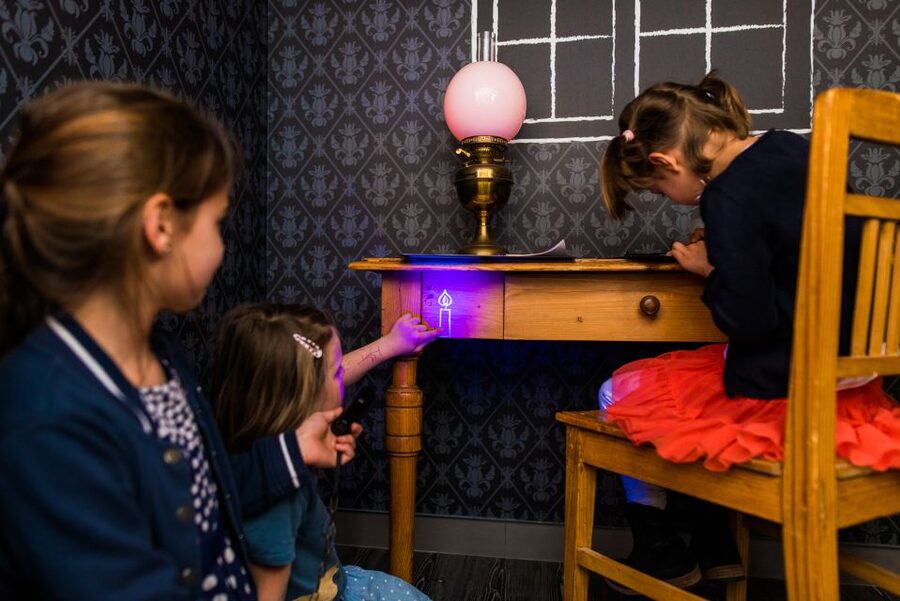
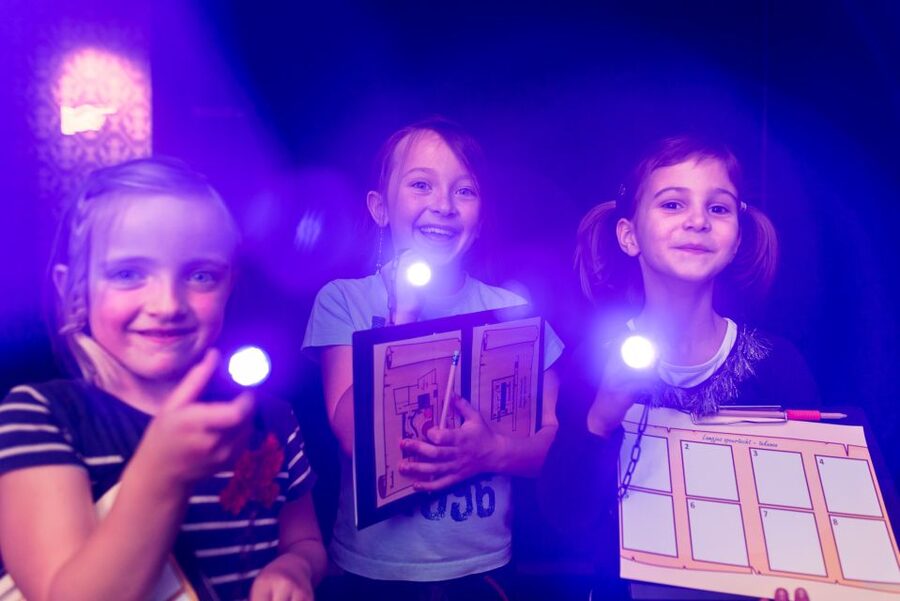
Children have a few additional options, but not all are part of this ticket. The Torchlight Treasure Hunt is included and can give younger visitors a simple goal as they move through the museum. The Museum Kids Factory is not included, and neither is the group game Mission Eureka.
A guided tour is also not included. That is the main limitation for visitors who prefer a host to explain the collection from beginning to end. You can use the audio tour instead, with Dutch, English, German, French, Turkish, Spanish, and Italian available. If you want a guide, confirm the extra cost and availability before booking.
Planning your visit and getting good value
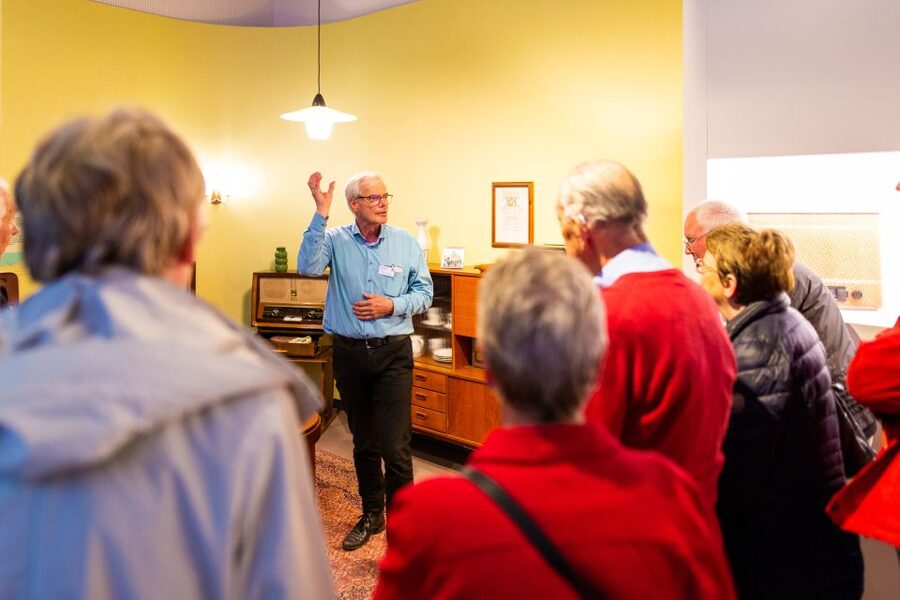
The price is $14 per person. I consider that fair because your ticket covers the permanent museum, two temporary exhibitions, the audio tour, selected scheduled activities, lockers, and the Torchlight Treasure Hunt.
Value depends on how much of the program you use. If you walk quickly through the product displays and skip the temporary exhibitions, the ticket may feel less rewarding. If you follow the timeline, spend time with brAInpower, try the included activity, and check the scheduled program, the price makes more sense.
The ticket is valid for one day, with starting times shown when you check availability. You do not need to think of this as a fixed guided excursion with a strict route. It is better suited to a flexible museum visit, perhaps combined with time in central Eindhoven.
A morning visit may be a smart choice if you prefer fewer people. One available experience note points out that the museum was quiet in the morning. That can make it easier to use the interactive AI section and read the timeline without waiting.
The museum is close to a central area of Eindhoven, and parking lots are nearby. Cash is not accepted, so bring a card or another accepted payment method for anything you buy. Food and drinks are not included in the ticket.
Museum or student card holders should present the card for a discount. The exact discount amount is not provided, so check the current terms before you rely on it.
Audio tour, lockers, and access
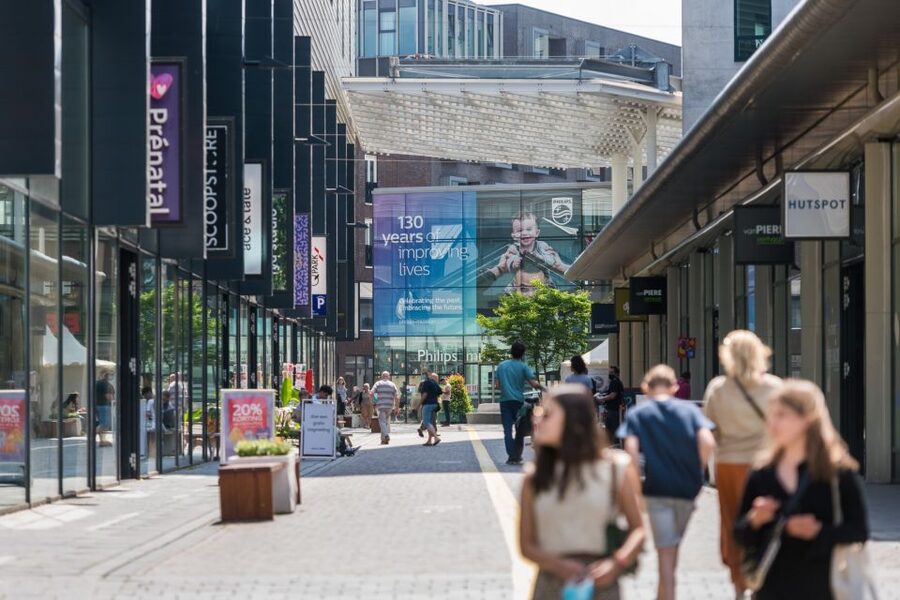
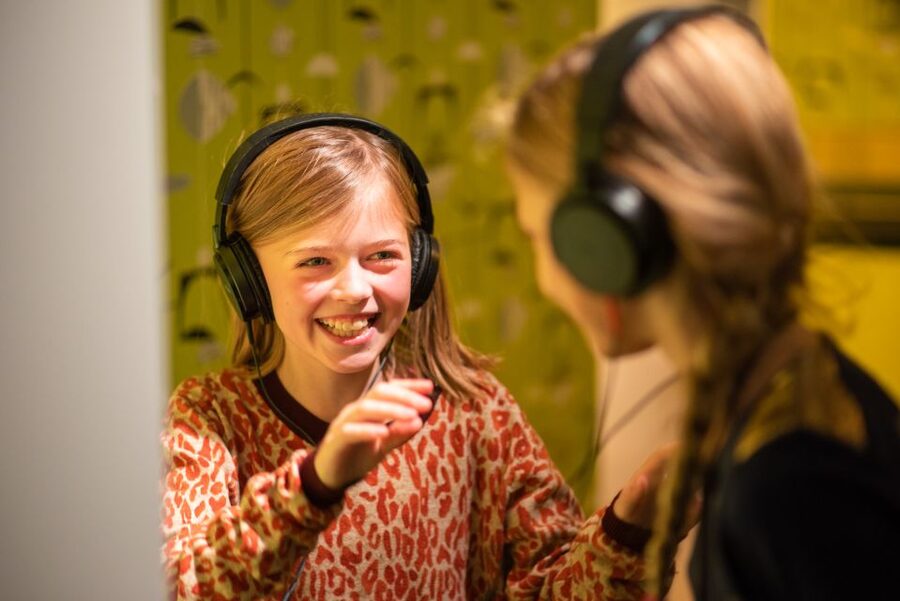
The audio tour is useful if you want more context without booking a guide. English is available, along with Dutch, German, French, Turkish, Spanish, and Italian. This makes the museum easier to enjoy if you do not speak Dutch.
Storage lockers are available for baggage or personal belongings. That is a small but practical benefit, especially if you are visiting before checking into a hotel or carrying shopping bags around Eindhoven.
The museum is wheelchair accessible. If access needs are important for your visit, this is a helpful feature, though the information provided does not give detailed route or restroom specifications. You can contact the museum directly for any specific arrangements.
Host or greeter support is available in Dutch and English. That does not mean a guided tour is included, but it does give you a way to ask basic questions when you arrive.
Who will enjoy the Philips Museum most?
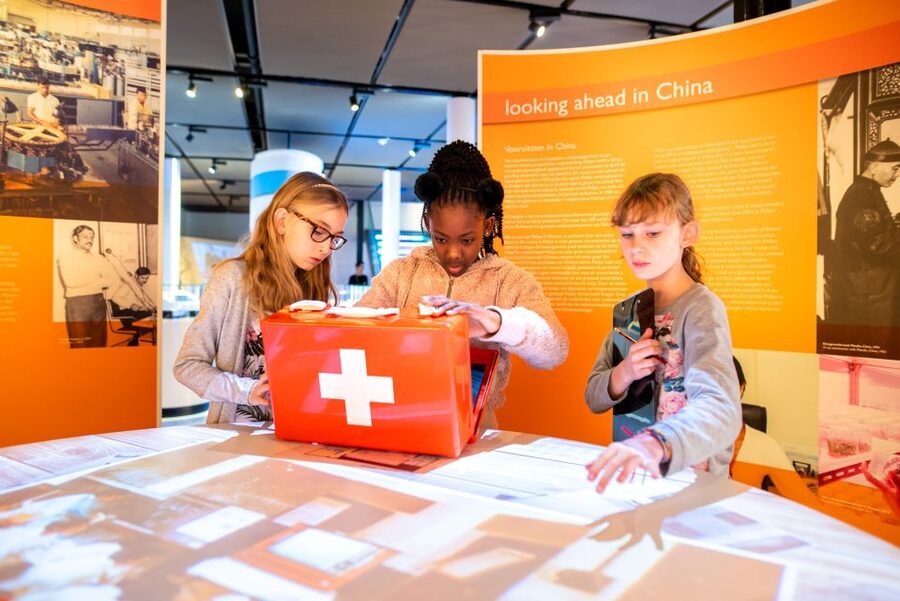
I would recommend this museum to anyone interested in technology, industrial history, Eindhoven, design, or the way inventions change daily habits. It also works well for families because the Torchlight Treasure Hunt and interactive AI content give younger visitors something active to do.
It is a good choice on a rainy day or when you want a cultural stop that does not require a full day. The one-day ticket gives you flexibility, and the museum’s location makes it easy to fit into a wider Eindhoven plan.
Football fans should allow extra time for the PSV exhibition. If your main interest is medical technology, the healthcare and AI sections will be more relevant than the older consumer products.
I would be more cautious if you dislike company museums or prefer art, architecture, or a fully guided experience. Philips is the clear focus throughout, and the ticket does not include a guided tour. You will get the most from the visit if you enjoy following a company’s changing role in society.
Should you book the Philips Museum?
Book it if you want a clear, approachable look at how one company helped shape Eindhoven and everyday technology. The 1891 factory, product timeline, AI exhibition, and included audio tour make the $14 ticket a solid buy, especially for a morning visit when the museum may be quieter.
Skip it if you have little interest in Philips, football, or technology, or if you expect every family activity and guided option to be included. For most visitors with an hour or two to spare in Eindhoven, though, this is an informative and flexible stop with enough variety to keep the visit from feeling like a corporate showroom.
FAQ
Where is the Philips Museum located?
The museum is in Eindhoven, in North Brabant, Netherlands. It is close to a central area of Eindhoven, with parking lots nearby.
How much does admission cost?
The listed price is $14 per person.
How long is the ticket valid?
The ticket is valid for one day. Check availability for the starting times offered on your chosen date.
Is a guided tour included?
No. A guided tour is not included with the entry ticket. An audio tour is available instead.
Which languages are available for the audio tour?
The audio tour is available in Dutch, English, German, French, Turkish, Spanish, and Italian.
Is the Philips Museum wheelchair accessible?
Yes. The museum is wheelchair accessible.
Can I pay with cash at the museum?
No. Cash is not accepted.
Can museum or student card holders receive a discount?
Yes. Present your museum card or student card to receive a discount. The exact amount is not specified.
Can I cancel my booking?
Yes. You can cancel up to 24 hours in advance for a full refund.
Which activities are included with admission?
Admission includes scheduled activities such as Mini Lectures and the performance The Lamp, temporary exhibitions including Eyecatchers and PSV, Eendracht maakt macht, the audio tour, storage lockers, and the Torchlight Treasure Hunt. The guided tour, Mission Eureka, and Museum Kids Factory are not included.
Just added around Eindhoven
- Eindhoven: Wings of Liberation, The WWII Airborne experience★ 4.7 · 20 reviews
- Eindhoven: Strijp-S Industrial Park Guided Walking Tour★ 4.3 · 21 reviews
- Eindhoven: Guided bicycle tour of the Highlights of Eindhoven★ 5.0 · 27 reviews
- e-Scavenger hunt Eindhoven: Explore the city at your own pace★ 4.5 · 28 reviews
- Discover the best spots in Den Bosch with Outside Escape★ 5.0 · 28 reviews
- Eindhoven Zoo Entry Ticket★ 4.6 · 33 reviews
- Eindhoven: Full Day E-Fatbike Rental + Tour★ 5.0 · 34 reviews
- e-Scavenger hunt Den Bosch: Explore the city at your own pace★ 4.5 · 37 reviews
Eindhoven Tours, compared.
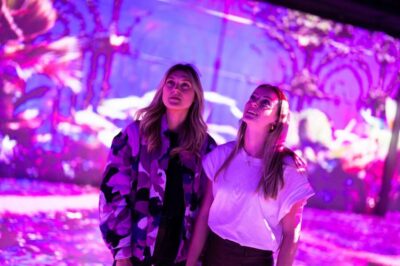


Discover the best spots in Eindhoven with Outside Escape
Read our review →
e-Scavenger hunt Den Bosch: Explore the city at your own pace
Read our review →
Browse the lists this tour appears in