
REVIEW · EINDHOVEN TOURS
Eindhoven: Wings of Liberation, The WWII Airborne experience
The past still has wings. At Wings of Liberation near Eindhoven, I like the way the museum connects the 17 September 1944 airborne landings to the wider liberation of southern Netherlands. I also like the chance to see a real Dakota C-53 and Horsa glider, not just photographs or small display pieces. The main consideration is that the museum works best when you give it time, since there is a large amount of material to read and examine.
The Dutch and English audioguide adds useful context as you move through the displays, and the €14 admission is fair for a full day of museum access. If you are mainly looking for a short aircraft exhibit, though, the amount of information may feel more extensive than expected.
In This Review
- Key points to know before you go
- Why Wings of Liberation matters near Eindhoven
- Starting with the occupation years, 1940 to 1944
- Following the airborne story of 17 September 1944
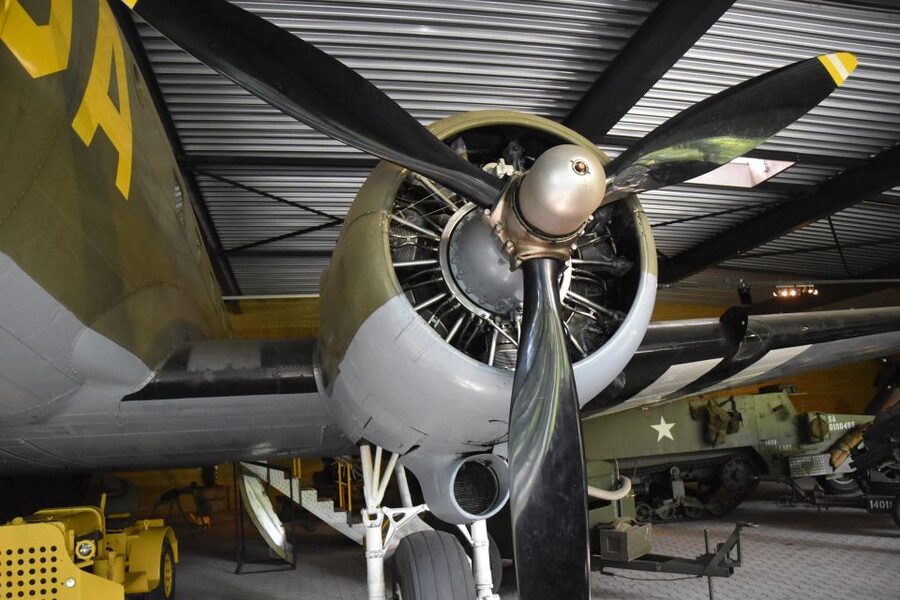
- Seeing the Dakota C-53 and Horsa glider
- Military vehicles and weapons that make the displays feel real
- Using the audioguide without rushing
- How much time should you allow?
- Is the $14 admission good value?
- Who will enjoy this museum most?
- Practical booking advice for your North Brabant day
- Should you book Wings of Liberation?
- FAQ
- Where is Wings of Liberation located?
- What historical period does the museum cover?
- Is Operation Market Garden part of the museum experience?
- Can I see a Dakota aircraft there?
- Can I see a Horsa glider?
- Does the museum have military vehicles?
- Is an audioguide included?
- How long is the admission valid?
- Is the museum wheelchair accessible?
- Can I cancel my booking?
Key points to know before you go
- Operation Market Garden is the museum’s starting point: The site is tied to the airborne operations that began the liberation of southern Netherlands on 17 September 1944.
- Large original aircraft and vehicles make the story physical: The Dakota C-53, Horsa glider, military vehicles, and weapons help you understand the scale of the operation.
- The story begins in 1940, not just in September 1944: Displays cover occupation, repression from 1940 to 1944, and liberation in the final months of 1944.
- An audioguide is included: Dutch and English commentary lets you set your own pace while adding detail to the photographs, dioramas, and objects.
- The ticket is valid for one day: At about $14 per person, you are paying for a substantial museum visit rather than a brief attraction stop.
- Wheelchair access is available: This makes the museum easier to include in a practical North Brabant itinerary.
Why Wings of Liberation matters near Eindhoven
Wings of Liberation, also known as Bevrijdende Vleugels, tells the story of how the southern Netherlands moved from occupation to liberation during the final phase of World War II. Its setting is important because the area was directly connected with the airborne operations of Operation Market Garden.
On 17 September 1944, airborne forces arrived as part of the Allied attempt to secure a route through the Netherlands. The museum uses that event as a central point, but it does not treat the war as a single dramatic afternoon. You also see the years of German occupation beginning in 1940, the repression that followed, and the later months of liberation in 1944.
That wider timeline is one of the museum’s strengths. I prefer military museums that explain what happened before and after the famous operation, since a landing by paratroopers makes more sense when you understand the pressure and restrictions of the occupation years. Here, the story reaches beyond aircraft and uniforms.
More WWII and Jewish history tours:
- Amsterdam: Life of Anne Frank and World War II Walking Tour
★ 4.8 · 10,467 reviews - Anne Frank Walking Tour Amsterdam Including Jewish Cultural Quarter
★ 5.0 · 1,879 reviews - Amsterdam: Dutch WWII Resistance Museum Entry Ticket
★ 4.7 · 951 reviews
Starting with the occupation years, 1940 to 1944
Your visit is not limited to combat equipment. The museum covers the occupation of the Netherlands from 1940 and the repression years that followed. This section gives the military displays a human and political setting.
Photographs, dioramas, and explanatory material help build the timeline. You can use the audio tour to add detail without having to read every panel at once. That is useful because a museum covering four years of occupation, the airborne operation, and the liberation period can otherwise feel dense.
I suggest beginning slowly here rather than racing toward the aircraft. The early displays explain why liberation mattered so much and why the arrival of Allied airborne forces was such a major event. The museum’s story becomes more understandable when you see the operation as part of a longer period of control, fear, and resistance.
The amount of written information is also the main drawback for some people. One visitor who returned after an earlier visit found there was much more information to read and admire this time. That is encouraging if you enjoy detail, but you should not expect to absorb the entire museum in a few minutes.
Following the airborne story of 17 September 1944
The central focus is the airborne experience of Brabant. This part connects the local area with Operation Market Garden and the start of the southern Netherlands liberation.
The museum has actual aircraft, weaponry, photographs, and dioramas connected with the operation. That combination gives you several ways to understand the same event. A photograph shows the people and conditions. A weapon shows the practical side of fighting. A full-sized aircraft or glider gives you a feel for the size and limits of the machines used.
The audio tour is especially helpful here. It is available in Dutch and English, and you can listen as you move through the displays instead of joining a fixed group. Since the attraction is valid for one day from first activation, you have room to spend extra time on sections that interest you.
You will not find a ride through the countryside or a staged battlefield performance in the information provided. This is a museum visit, built around objects, images, and interpretation. That makes it a good choice for visitors who want a thoughtful military history stop rather than a fast photo opportunity.
Seeing the Dakota C-53 and Horsa glider
The full-sized aircraft are likely to be the most memorable part of the visit. The museum specifically highlights its Dakota C-53 and Horsa glider, two machines associated with airborne operations.
A Dakota gives you a direct connection to the transport side of the operation. It carried airborne personnel and supplies, so its presence helps you think about the operation as a huge logistical effort, not only a sequence of heroic stories. The Horsa glider adds another angle, showing the kind of aircraft used to carry troops and equipment without the same powered flight role as a transport plane.
The scale matters. A photograph can show a glider in the sky, but standing beside a full-sized aircraft makes the engineering and physical demands easier to grasp. One visitor from Germany particularly praised the size of the vehicles and aircraft, calling the authentic exhibition an experience that must be seen.
You should allow time to look at these aircraft from more than one angle. The attraction is not only the fact that they are present. Their size helps you connect the museum’s photographs and written accounts with the real machines involved.
More Eindhoven trips:
- Eindhoven: Motion Experience Light Art Playground Ticket
★ 4.0 · 168 reviews - Eindhoven: PSV Stadium Museum Entry Ticket
★ 4.1 · 101 reviews - Eindhoven: Philips Museum Entry Ticket
★ 4.3 · 95 reviews - Eindhoven: Next Nature Museum Entry Ticket
★ 3.9 · 83 reviews
Military vehicles and weapons that make the displays feel real
The collection includes military vehicles and weaponry actually used during Operation Market Garden. That detail gives the exhibition a stronger link to the events it explains.
The vehicle displays are a good reason to visit even if aircraft are not your main interest. A military vehicle shows how troops, equipment, and supplies moved on the ground after the airborne landings. Weapons, meanwhile, bring the scale of individual combat into the larger operational story.
One visitor praised the museum’s selection of military vehicles and aircraft. That balance is worth noting. Wings of Liberation is not simply an aviation hall, and it is not only a collection of ground equipment. You get both parts of the operation, along with the photographs and dioramas that explain them.
The authentic objects also help younger visitors who may not spend long reading text. Large vehicles and aircraft give them an immediate point of interest, while the audio tour and displays give adults more historical detail. Families should still judge the visit by their children’s interest in museums, since the experience is built around learning rather than entertainment rides.
Using the audioguide without rushing
The included audioguide is available in Dutch and English. It is a useful part of the visit because the museum covers a lot of ground, both in its physical collection and in its timeline.
I would use the audio tour as a guide rather than listening to every piece of commentary automatically. Start with the main route, then spend more time with the aircraft, vehicles, photographs, or dioramas that catch your attention. This keeps the visit personal and avoids turning the museum into a long checklist.
An audioguide also helps if you are visiting with people who want different levels of detail. You can pause, move on, or return to a display without waiting for a group. The host or greeter can provide a starting point, while the audio commentary handles much of the explanation in your chosen language.
The museum’s bilingual setup is helpful for international visitors. Dutch speakers receive the local language, while English speakers can follow the same broad story without relying on printed translations alone.
How much time should you allow?
The admission is valid for one day from first activation, and the experience is described as a one-day activity. That does not mean you must spend every waking hour inside. It means you have the flexibility to make the museum the main stop of your day rather than squeezing it into a rushed gap.
Your ideal visit length depends on your interest in World War II history. If you want to see the headline aircraft and vehicles, you can focus on the major displays. If you read the photographs, study the dioramas, and follow the occupation-to-liberation timeline, you will need much longer.
I would plan for a relaxed visit and avoid pairing it with several tightly timed attractions. The museum’s value comes from connections between displays. Racing from one large object to the next can leave you with impressive images but little sense of the full story.
The fact that a returning visitor found more information to read on a later visit also suggests that the museum rewards a second look. You may notice details you skipped the first time, particularly in the photographs and explanatory sections.
Is the $14 admission good value?
At about $14 per person, the ticket is reasonably priced for the range of material on display. You are getting access to aircraft, a glider, military vehicles, weapons, dioramas, photographs, and a historical timeline that covers the occupation and liberation period.
The audio tour is included, which adds value for visitors who want more than a collection of objects. You do not need to pay extra for Dutch or English commentary, and you can use it at your own speed.
The strongest value comes if you enjoy military history or want a serious museum visit connected to the area. Someone who only wants a quick look at one famous aircraft may find the ticket less compelling, since much of the experience lies in the supporting material.
The flexible booking terms also make the ticket easier to fit into a changing itinerary. You can reserve now and pay later, and cancellation is allowed up to 24 hours before the visit for a full refund. Those terms matter if your North Brabant plans are still shifting.
Who will enjoy this museum most?
I would recommend Wings of Liberation to anyone with an interest in World War II, aviation, military technology, or the liberation of the Netherlands. It should also suit visitors who prefer real objects and documented events to theatrical presentations.
It is a strong choice for families with older children, since the large aircraft and vehicles give the visit an immediate visual appeal. The historical information then adds depth for adults and students. Younger children may enjoy the size of the exhibits but may not stay engaged with the longer timeline.
The museum also works well for returning visitors. The collection contains enough information to support a second visit, especially if your first pass focused mainly on the aircraft and vehicles.
Wheelchair access is available, which is an important practical advantage. Dutch and English are supported through the audioguide, making the museum accessible to a broad range of international visitors.
Practical booking advice for your North Brabant day
The attraction is in North Brabant, near Eindhoven, and the provider is Bevrijdende Vleugels, also known as Wings of Liberation. Check your booking details for the exact visit information, since the supplied details do not provide a full transport plan or a specific meeting point.
You receive a host or greeter, plus the Dutch or English audioguide. That combination should help you get oriented at the start, then explore independently.
I would reserve the museum on a day when you can keep your schedule open. The one-day validity gives you flexibility, but the large collection is best appreciated without a hard deadline. If your plans change, you can cancel up to 24 hours in advance for a full refund.
The overall rating is 4.7 from 20 bookings, with especially strong praise for the authenticity, aircraft, and military vehicles. One Spanish booking described the visit simply as all fine, while a Dutch booking called it a very nice museum. The pattern is clear: the experience appeals most to people who value a genuine collection and are happy to spend time with the material.
Should you book Wings of Liberation?
Book it if you want a serious, object-filled account of the liberation of southern Netherlands, especially the airborne operations connected with Operation Market Garden. The real Dakota C-53, Horsa glider, military vehicles, weapons, photographs, and dioramas give the story physical weight, while the audioguide helps you follow the timeline.
Skip it if you want a short, highly interactive attraction with little reading. This museum asks for attention, and its strength is the amount of historical material it brings together.
For around $14, I consider it a good-value stop for history fans, families with older children, and anyone building a World War II itinerary around Eindhoven and North Brabant. Give it enough time, start with the occupation years, and let the aircraft become part of the larger story rather than the whole visit.
FAQ
Where is Wings of Liberation located?
Wings of Liberation is located in North Brabant, Netherlands, in the Eindhoven area.
What historical period does the museum cover?
The museum covers the occupation beginning in 1940, the repression years from 1940 to 1944, the airborne operations of 17 September 1944, and the liberation of the southern Netherlands in the final months of 1944.
Is Operation Market Garden part of the museum experience?
Yes. The museum is located in the area connected with the airborne operations that formed part of Operation Market Garden.
Can I see a Dakota aircraft there?
Yes. The experience specifically includes access to the museum’s Dakota C-53.
Can I see a Horsa glider?
Yes. The Horsa glider is one of the highlighted aircraft at the museum.
Does the museum have military vehicles?
Yes. The collection includes military vehicles, along with aircraft and weaponry used during Operation Market Garden.
Is an audioguide included?
Yes. An audioguide is available in Dutch and English and is included with the experience.
How long is the admission valid?
The ticket is valid for one day from first activation.
Is the museum wheelchair accessible?
Yes. The experience is wheelchair accessible.
Can I cancel my booking?
Yes. You can cancel up to 24 hours in advance for a full refund. You can also reserve now and pay later.
Just added around Eindhoven
- Eindhoven: Strijp-S Industrial Park Guided Walking Tour★ 4.3 · 21 reviews
- Eindhoven: Guided bicycle tour of the Highlights of Eindhoven★ 5.0 · 27 reviews
- e-Scavenger hunt Eindhoven: Explore the city at your own pace★ 4.5 · 28 reviews
- Discover the best spots in Den Bosch with Outside Escape★ 5.0 · 28 reviews
- Eindhoven Zoo Entry Ticket★ 4.6 · 33 reviews
- Eindhoven: Full Day E-Fatbike Rental + Tour★ 5.0 · 34 reviews
- e-Scavenger hunt Den Bosch: Explore the city at your own pace★ 4.5 · 37 reviews
- Discover the best spots in Eindhoven with Outside Escape★ 4.5 · 40 reviews
Eindhoven Tours, compared.




Discover the best spots in Eindhoven with Outside Escape
Read our review →
e-Scavenger hunt Den Bosch: Explore the city at your own pace
Read our review →Browse the lists this tour appears in