
REVIEW · WORKSHOPS
Kintsugi Workshop “The art of Imperfection”
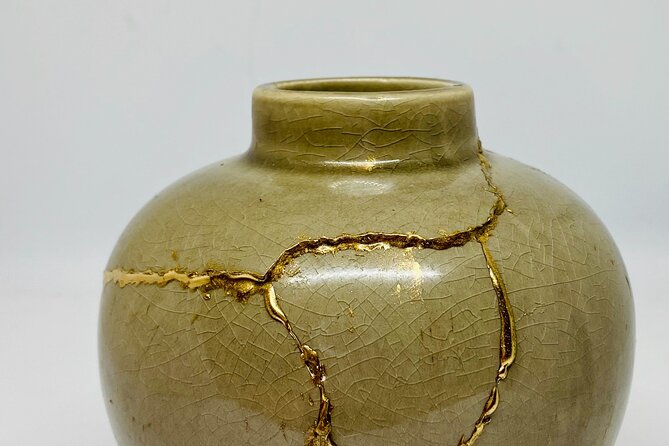
Broken pottery gets a second life. This small Amsterdam workshop turns a cracked plate into a personal piece of art while introducing you to Kintsugi, the Japanese craft of repairing fractures with golden leaf glue. I like the hands-on format and the calm, thoughtful pace. I also like the tiny group size, limited to six people, which gives the activity a personal feel.
The main drawback is the fixed Wednesday schedule, from 2 to 4 p.m., during the listed operating periods. At $90.11 per person, this is not a bargain craft class, so you should book it for the creative experience and reflection, not simply for a souvenir.
In This Review
- Key points at a glance
- Why Kintsugi makes a good Amsterdam activity
- Arriving at Paleisstraat 107
- A calm introduction sets the mood
- Breaking the plate and beginning again
- Reassembling the shards with patience
- What you make and what you take home
- Why the small group matters
- Is $90.11 a fair price?
- Who should book this workshop?
- Useful planning details before you book
- Final verdict: should you book it?
- FAQ
- Where does the Kintsugi workshop take place?
- How long does the workshop last?
- On which day is the workshop offered?
- What language is the workshop offered in?
- How much does the workshop cost?
- Are materials included?
- Is coffee or tea included?
- Can children join the workshop?
- How many people can join the workshop?
- Can I cancel for a full refund?
Key points at a glance
- Break a plate as part of the lesson: The workshop uses a symbolic break as a starting point for repair and renewal.
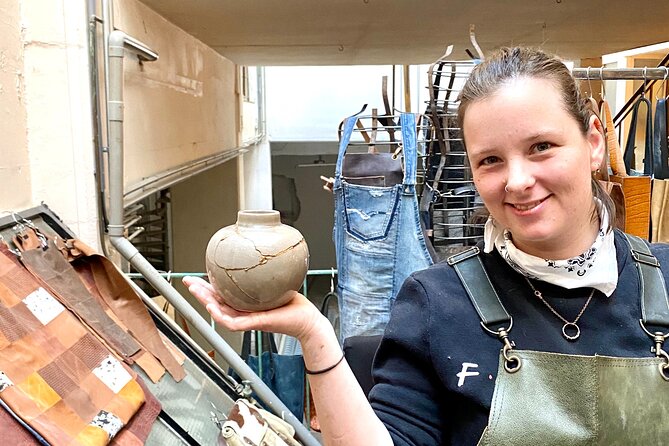
- Work with golden leaf glue: Cracks become visible design features rather than marks to hide.
- Small groups of six or fewer: The setting should feel more focused than a large public class.
- Annelies creates a welcoming tone: Her patient guidance helps beginners settle into the process.
- Two hours in central Amsterdam: The activity begins and ends at Paleisstraat 107, 1012 ZL Amsterdam.
- Best for adults and children aged 10 or older: You need a moderate level of physical fitness, and coffee or tea is not included.
Why Kintsugi makes a good Amsterdam activity
Amsterdam offers plenty of museums, canal walks, and crowded indoor sights. Kintsugi gives you something different: a quiet activity where you use your hands and attention instead of moving from display to display.
The craft began in Japan in the 15th century. Rather than disguising a broken ceramic piece, Kintsugi highlights the cracks with gold. The repaired object becomes a record of what happened to it, with the damage forming part of its new appearance.
That idea gives the class more weight than a basic pottery project. You are not simply making a decorative object from scratch. You are working with broken pieces, accepting their irregular shapes, and finding a way to make them fit again.
I find that appealing after a busy day in Amsterdam. The workshop asks you to slow down. You need to watch your hands, handle small pieces carefully, and give the repair time and attention. The result may be imperfect, but that is the point.
More Workshops in Amsterdam
- Amsterdam: Traditional Dutch Syrup Waffle Making Workshop
★ 4.8 · 4,093 reviews - Amsterdam Traditional Dutch Syrup Waffle Making Workshop
★ 5.0 · 960 reviews - Amsterdam: Bols Cocktail Experience and Cocktail Workshop
★ 4.8 · 666 reviews
Arriving at Paleisstraat 107
The workshop begins at Paleisstraat 107, 1012 ZL Amsterdam, and finishes at the same location. The meeting point is near public transportation, so you can reach it without arranging a private transfer.
The two-hour session runs on Wednesdays from 2 to 4 p.m. The published operating dates include November 9, 2025 through January 31, 2026, and November 9, 2026 through January 31, 2027. Check the date carefully when you book, since the schedule is narrow.
The location works well if you want to pair the workshop with time in central Amsterdam. Still, leave yourself enough time to arrive calmly. A class built around careful handwork is better when you are not hurrying through the door after a delayed tram or a long walk.
You receive confirmation at the time of booking, and the ticket is mobile. That keeps the arrival process simple. Show your booking on your phone and be ready for the session at the stated start time.
A calm introduction sets the mood
The workshop begins with a serene introduction to Kintsugi and the ideas behind it. This opening matters because the craft is tied to Japanese wabi-sabi, a way of appreciating natural materials, age, change, and imperfection.
You get some context before handling the pottery. That helps you see the golden lines as more than a practical repair. They express the history of the object and make the break visible in a deliberate way.
The tone also seems suited to beginners. You do not need previous pottery or repair experience. The activity is designed around focus and patient work, so the introduction gives you a chance to settle into the rhythm before the hands-on stage begins.
Annelies is described as welcoming and helpful, and her guidance is an important part of the experience. You will likely appreciate having a friendly person explain the process rather than being handed materials and left to figure everything out alone.
Breaking the plate and beginning again
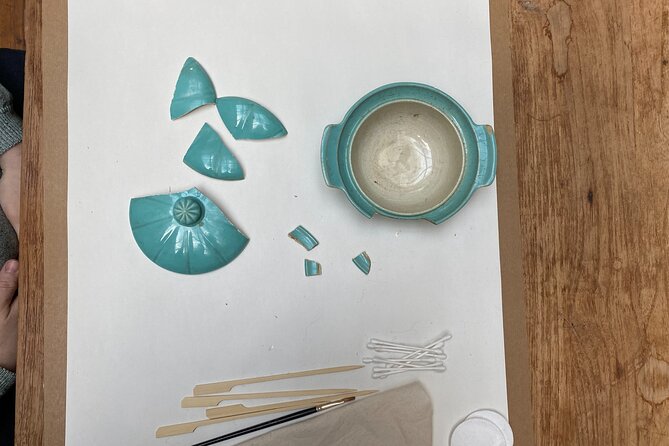
At some point, you break a plate as part of the workshop. This is symbolic, but it is also practical: you need separate pieces before you can begin the repair.
For some people, deliberately breaking an object may feel uncomfortable. That is worth knowing before you book. The activity frames the break as a fresh start, not as waste, and the whole lesson is designed around what comes next.
The broken plate provides the central lesson of Kintsugi. Instead of treating the damage as a failure, you work with it. The fractures become the lines that guide the repair and later form the golden pattern.
This part may have particular appeal if you enjoy creative activities with a clear idea behind them. You are not just following instructions to produce a neat object. You are changing the meaning of something damaged.
More workshops and classes:
- Amsterdam: 3-Course Meal in Historic 1st Class Waiting Rooms
★ 4.5 · 292 reviews - Amsterdam Light Festival Winter Walk with Stroopwafel Workshop
★ 5.0 · 66 reviews - Distilling Class @ Spirited Union Rum Co. (Amsterdam)
★ 5.0 · 65 reviews - Cocktail workshop @ Spirited Union Rum Co. (Amsterdam)
★ 5.0 · 58 reviews
Reassembling the shards with patience
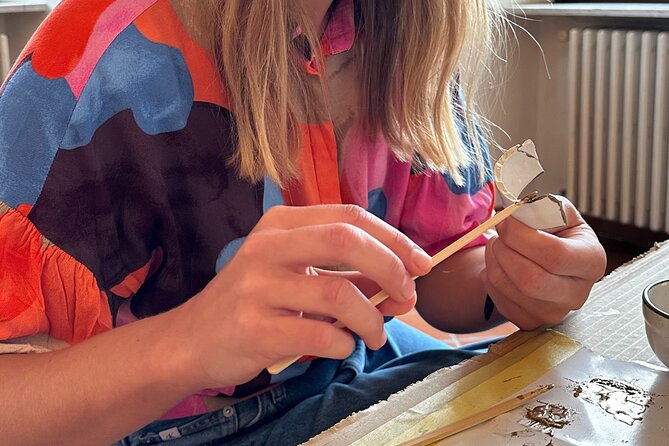
Once the plate is broken, you patiently reassemble the shards. This requires attention and some fine motor control, since the pieces need to meet in the right places before the glue is applied.
The work is slower than a quick craft project. That is a strength if you want a mindful afternoon, but it may feel frustrating if you prefer instant results. You need to accept that the irregular pieces will not behave like a simple puzzle.
The golden leaf glue gives the repaired cracks their defining look. The lines remain visible, creating a pattern that could not have existed on the unbroken plate. You do not cover up the damage. You make it part of the design.
That process can sharpen your focus and hand control. It also gives you a useful reminder about patience. A hurried repair is unlikely to look as considered as one made with care, and the workshop gives you time to notice that difference.
What you make and what you take home
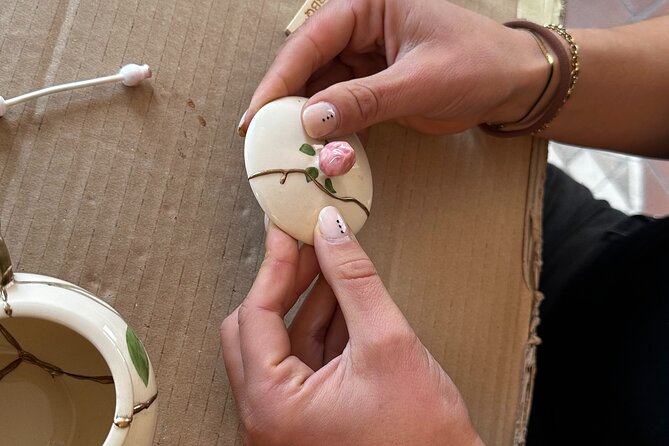
All materials needed for the workshop are provided. You do not need to bring special tools or supplies, which makes this easy to add to an Amsterdam trip.
The session uses plates supplied for the activity. One useful possibility is bringing an item from home to repair, but you should not assume that is included or permitted without asking first. The available information confirms that the workshop provides objects to break and repair.
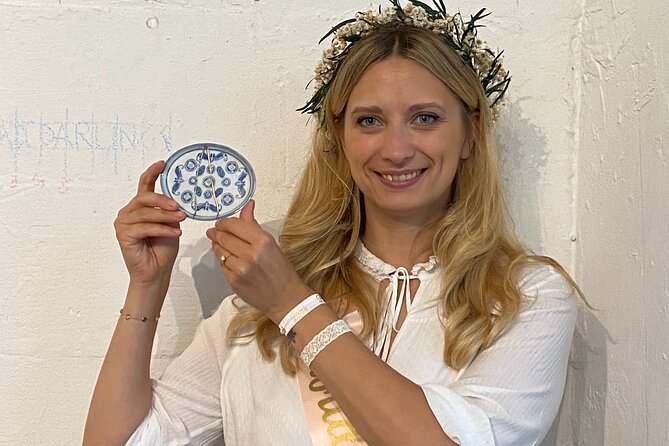
The finished plate becomes a physical reminder of the session. It is also more personal than a standard shop purchase because you take part in its transformation. The final look will depend on how the shards fit and how you apply the golden repair lines, so you should expect a handmade result rather than factory-level precision.
The idea is not to create something flawless. Kintsugi values the visible history of the piece. If you like polished, uniform crafts, you may find the result less predictable. If you enjoy objects with a story, the irregular finish is part of the appeal.
Why the small group matters
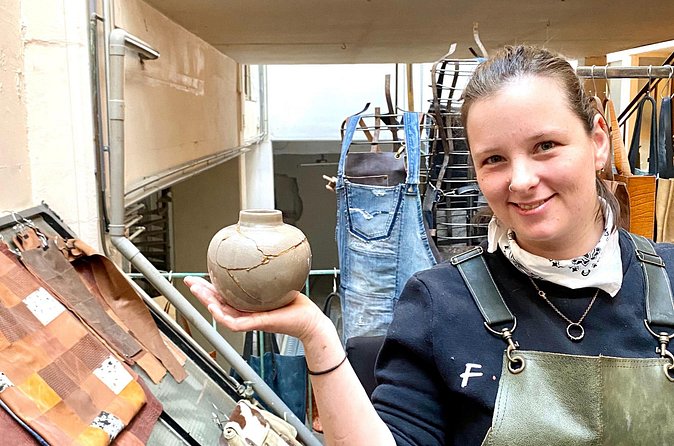
The workshop accepts a maximum of six people. That is one of its strongest practical features.
A small class gives you more room to concentrate and makes it easier to ask for help while fitting the pieces together. It should also support the quiet mood promised by the format. You are less likely to feel lost in a crowd or rushed through each stage.
The group size can also make the activity feel more personal. You are sharing a creative setting with only a handful of people, but the work itself remains individual. Everyone repairs their own plate and responds to the process in their own way.
The trade-off is availability. A six-person limit means popular dates can fill well ahead of time. This activity is booked about 90 days in advance on average, so I would not leave it until the last day of your Amsterdam stay if the Wednesday session fits your plans.
Is $90.11 a fair price?
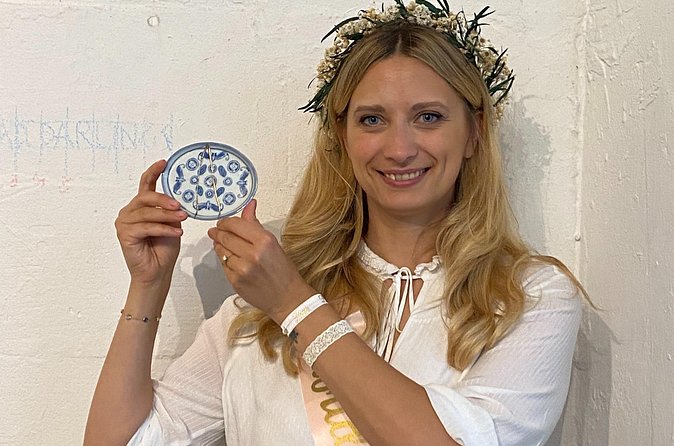
At $90.11 per person, this workshop costs more than a casual drop-in craft activity. The price includes all the materials, a two-hour guided session, and a finished piece shaped by your own work.
The value depends on what you want from your afternoon. If you are looking only for a low-cost souvenir, the price may feel high. You can find inexpensive objects in Amsterdam without spending two hours making one.
I think the price makes more sense if you value a small class, personal instruction, and a creative experience with meaning. You are paying for focused time, the materials, the guidance from Annelies, and the chance to learn a traditional Japanese repair method in a modern workshop setting.
It also offers a change of pace from standard sightseeing. After a morning of museums or city walking, two quiet hours with your hands occupied can be a welcome reset. The value is less about the raw material cost and more about the setting, teaching, and personal result.
Who should book this workshop?
I would recommend it to adults who enjoy making things, trying crafts, or thinking about the meaning behind an object. It should suit couples, friends, solo visitors, and small family groups with children aged 10 or older.
It is also a good fit if you want an activity that does not depend on perfect weather. The workshop takes place indoors and has a fixed two-hour length, so you can plan it around other sightseeing.
You should have a moderate level of physical fitness. The activity involves handling pottery pieces and working with your hands, though no advanced craft background is required.
Children under 10 are not suitable for this workshop. Families with older children should consider whether the child will enjoy careful, patient work. Breaking a plate may sound exciting, but the larger part of the session is slow reassembly and detailed repair.
I would be less likely to recommend it to someone who wants a fast, highly social activity or a class with a broad range of materials. Kintsugi is focused. You spend the time on one object and one central idea.
Useful planning details before you book
The workshop is offered in English, which makes the instruction accessible to English-speaking visitors. A mobile ticket is provided, and confirmation arrives at booking.
Service animals are allowed, and the meeting point is near public transportation. Coffee and tea are not included, so plan your own drink before or after the class if that matters to you.
The cancellation terms are fairly flexible if your plans may change. You can cancel for a full refund up to 24 hours before the start time. Changes or cancellations made less than 24 hours before the session are not accepted for a refund.
The experience requires a minimum number of participants. If that minimum is not reached and the session is canceled, you can choose another date or experience, or receive a full refund.
Final verdict: should you book it?
Book this Kintsugi workshop if you want a small, thoughtful Amsterdam activity rather than another fast-moving sightseeing stop. I especially like the six-person limit, the welcoming instruction from Annelies, and the way the class gives a broken plate a new purpose.
The $90.11 price is easiest to justify when you value the process as much as the finished object. You should also be comfortable with the Wednesday afternoon schedule and the patient pace.
Skip it if you want a cheap souvenir, dislike detailed handwork, or have children under 10 in your group. For the right person, though, this is a memorable way to spend two hours: you leave with a repaired plate, a new craft skill, and a useful reminder that damage does not have to end an object’s story.
FAQ
Where does the Kintsugi workshop take place?
The workshop starts and ends at Paleisstraat 107, 1012 ZL Amsterdam, Netherlands.
How long does the workshop last?
The activity lasts approximately two hours, from 2 to 4 p.m. on the scheduled Wednesday dates.
On which day is the workshop offered?
The workshop is offered on Wednesdays during the listed operating periods.
What language is the workshop offered in?
The workshop is offered in English.
How much does the workshop cost?
The listed price is $90.11 per person.
Are materials included?
Yes. All materials needed for the workshop are provided.
Is coffee or tea included?
No. Coffee and tea are not included in the workshop price.
Can children join the workshop?
Children under 10 are not permitted. The activity is suitable for children aged 10 or older, provided they can manage the required level of handwork and moderate physical activity.
How many people can join the workshop?
The maximum group size is six people.
Can I cancel for a full refund?
Yes. You can cancel at least 24 hours before the start time for a full refund. Cancellations or changes made less than 24 hours before the start are not accepted for a refund.
Just added around Amsterdam
- Amsterdam City Center Guided Walking Tour – 12 guests 2,5h★ 5.0 · 3 reviews
- Daytrip Tour from Amsterdam to Zaanse Schans and Giethoorn★ 5.0 · 3 reviews
- Amsterdam Light Festival Boat Cruise★ 5.0 · 3 reviews
- Amsterdam: Roller Dreams & Amsterdam Nightlife Experience★ 3.7 · 3 reviews
- Amsterdam: Van Gogh Museum Entrance and Guided Tour★ 3.5 · 3 reviews
- Amsterdam: Red light tour in German/English for groups of 4 people or more★ 5.0 · 3 reviews
- 2 Hour Making Rembrandt’s Traditional Oil Paints in Amsterdam★ 5.0 · 3 reviews
- Amsterdam Red Light District and Old Town Walking Tour★ 5.0 · 3 reviews
Workshops, compared.
Traditional Dutch Syrup Waffle Making Workshop
Read our review →Amsterdam Traditional Dutch Syrup Waffle Making Workshop
Read our review →

3-Course Meal in Historic 1st Class Waiting Rooms
Read our review →

Amsterdam Light Festival Winter Walk with Stroopwafel Workshop
Read our review →
Distilling Class @ Spirited Union Rum Co. (Amsterdam)
Read our review →
Cocktail workshop @ Spirited Union Rum Co. (Amsterdam)
Read our review →Browse the lists this tour appears in