
REVIEW · ROTTERDAM TOURS
Rotterdam: UNESCO Van Nelle Factory Guided Tour
Factories can be works of art. I like this tour for its close look at Rotterdam’s bold Modernist design and for the way it connects architecture with the old production of coffee, tea, and tobacco. I also like that your ticket includes the intimate Chabot Museum, giving you two very different cultural stops for $23.
The main drawback is time. One hour is brief for a site this large, and a big group can make the visit feel rushed. The tour gives you a useful introduction and access to the factory, but it does not let you study every corner at an easy pace.
In This Review
- Key points to know before you go
- Why Van Nelle Factory matters
- Meeting your guide at the porter’s lodge
- Inside and outside the modern factory
- The 1930s idea of a new world
- How much can you see in one hour?
- Adding the Chabot Museum in Museumpark
- Is $23 a fair price?
- Who will enjoy this tour most?
- Practical planning for a smoother visit
- The final verdict: book it or skip it?
- FAQ
- Where does the Van Nelle Factory tour begin?
- How long does the guided tour last?
- What languages are available?
- What does the ticket include?
- Is food or drink included?
- Where is the Chabot Museum?
- Is the Chabot Museum at the Van Nelle Factory?
- When can I visit the Chabot Museum?
- How far in advance can I cancel?
- Can I reserve without paying immediately?
Key points to know before you go
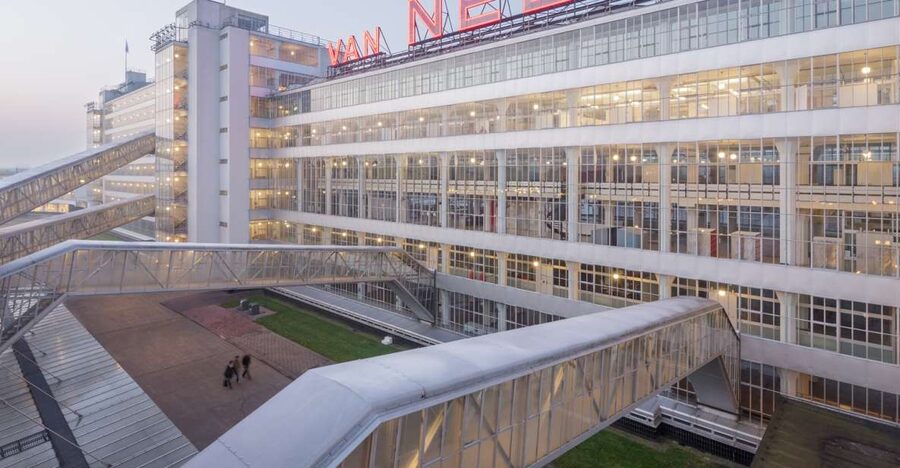
- A UNESCO factory with a practical purpose: Van Nelle was designed around air, light, and space, not grand decoration alone.
- Coffee, tea, and tobacco shaped the site: The factory grew from real industrial work, giving the architecture a strong connection to everyday products.
- A short guided visit: The tour lasts one hour and covers the building inside and out.
- Two separate Rotterdam locations: The Van Nelle Factory is at Van Nelleweg 1, while the Chabot Museum is in Museumpark, about 4 kilometers away.
- English and Dutch tours: A live guide leads the visit in either language.
- A flexible museum add-on: You can visit the Chabot Museum on the same day at a time that suits your schedule.
Why Van Nelle Factory matters
Rotterdam is famous for modern buildings, but the Van Nelle Factory offers something different from a striking office tower or a sleek new market hall. This is an industrial complex that helped reshape the idea of what a factory could be.
Coffee, tea, and tobacco were processed here. The work needed broad floors, good circulation, fresh air, and plenty of daylight. Instead of hiding labor behind thick walls and small windows, the design made the movement of people, goods, and air part of the building’s logic.
That is the heart of the visit. You are not simply looking at an old factory that has been preserved for its appearance. You are seeing a building designed for a new age of production. Its architecture reflects the belief that modern buildings could improve working life and help create a new society.
The factory became a UNESCO World Heritage site in 2014. The designation recognizes its importance as an international example of Modernism. You will hear how the building’s design gave air, light, and open space a larger role than they had in many earlier factories.
For me, this makes the tour more rewarding than a basic architecture walk. You learn why the building looks the way it does, rather than simply being told that it is attractive or historically important.
More Rotterdam trips:
- Rotterdam: Harbor Sightseeing Cruise
★ 4.3 · 7,599 reviews - Rotterdam: 1-Hour Sightseeing Splash Tour
★ 4.5 · 3,299 reviews - Rotterdam: Rotterdam Zoo Blijdorp Entry Ticket
★ 4.6 · 2,754 reviews
Meeting your guide at the porter’s lodge
The meeting point is at the Van Nelle Factory itself. Go to the visitors reception in the porter’s lodge near the gate at the entrance to the grounds, where the guide waits for the group.
This detail matters because the factory site is large enough that arriving at the wrong entrance could cost you precious minutes. The tour only lasts an hour, so give yourself time to reach the gate and find the reception area before the scheduled start.
A live guide leads the visit in Dutch or English. The guide is an important part of the experience because the factory’s meaning is not immediately obvious from the outside. Glass, steel, concrete, bridges, and long horizontal lines create a strong first impression, but the story of production and social change gives those features purpose.
Recent feedback includes warm praise for the guide, with one short comment calling the tour interesting thanks to a pleasant guide. That matches the type of visit this is: the building benefits from explanation, and a good guide can turn technical design details into a clear story.
Inside and outside the modern factory
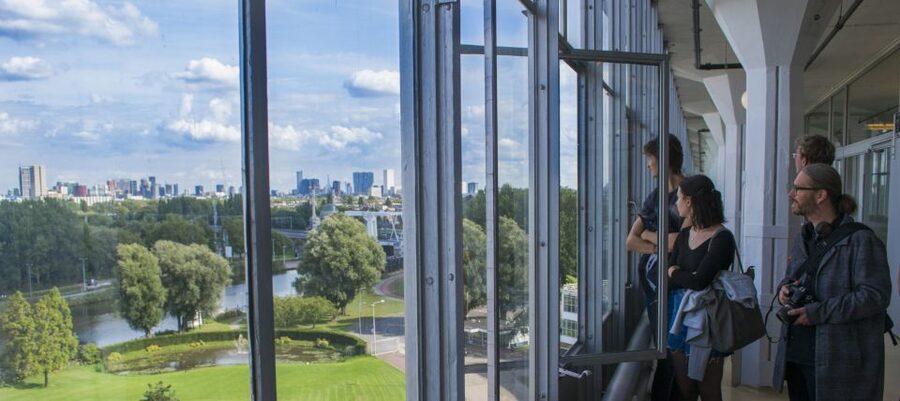
The tour introduces you to the factory both inside and out. You can expect to examine the building’s form while learning how workers and materials once moved through the complex.
The architecture is progressive in a very practical way. Light enters where older industrial buildings might have relied on darker enclosed spaces. Air and openness are treated as useful parts of the design. The result is a factory that feels connected to its surroundings and to the people working inside it.
The guide also brings the former production process into the story. Coffee, tea, and tobacco were not random occupants. Their processing helped determine how the building functioned. This connection gives you a better way to read the site: the architecture was shaped by work.
You will also hear about the factory’s transformation. The visit is not limited to its operating years. It explains how a working industrial building became a place recognized for architectural and cultural importance.
That change is worth your attention. Historic factories can easily become empty shells, admired only for their old brick or machinery. Van Nelle offers a more interesting question: how can a building created for industry continue to matter after its original production ends?
The 1930s idea of a new world
A major theme is the relationship between 1930s architecture and the hope of building a new world. Modernism was not only a visual style. It also carried ideas about progress, efficiency, health, and a cleaner break with the past.
At Van Nelle, these ideas appear through the building’s emphasis on air, light, and space. Those qualities were useful for factory work, but they also expressed a wider belief that architecture could shape daily life.
You do not need to be an architecture specialist to enjoy this part. The guide explains the cultural purpose behind the design and helps you notice details that might otherwise blend together.
Still, keep your expectations realistic. The hour-long format gives you a clear introduction, not a slow architectural study. A recent assessment described the tour as a small glimpse of the factory and felt that the pace was rushed. The same assessment also noted that a large group made the format harder and that even the guide acknowledged the setup was not ideal.
That is useful advice. If you want a measured, highly detailed examination of every design feature, this may feel too short. If you want a strong first look with historical context, the limited length can work well within a busy Rotterdam day.
A few more trips of this kind worth comparing:
- From Amsterdam: Rotterdam, Delft & The Hague Guided Day Tour
★ 4.2 · 1,765 reviews - Rotterdam: Harbor Cruise with Live Guide
★ 4.0 · 1,270 reviews - From Amsterdam: Guided Trip to Rotterdam, Delft & The Hague
★ 4.2 · 529 reviews - Rotterdam: Architectural Highlights Guided Walking Tour
★ 4.8 · 215 reviews
How much can you see in one hour?
The tour’s one-hour duration is both its strength and its weakness. It is easy to fit into a day, and you are unlikely to lose an entire afternoon to a single attraction. The compact format works especially well if Van Nelle is one part of a wider Rotterdam architecture itinerary.
The trade-off is coverage. You will only see a portion of the factory, and the large scale of the complex makes that limitation noticeable. The building deserves time, but the tour must keep moving.
I would think of the hour as an introduction rather than a full exploration. You will learn the site’s origins, view important architectural elements, and understand why UNESCO recognized it. You should not expect access to every area or a leisurely pause at each feature.
Group size can also affect the experience. In a large group, it may be harder to hear every comment or take in the building without feeling hurried. If you prefer quiet, unstructured viewing, this guided format may not suit you as well as independent museum time.
The benefit of a guide is that you gain a framework quickly. Rather than wandering through a huge former factory and wondering what matters, you receive a focused explanation of its design and purpose.
Adding the Chabot Museum in Museumpark
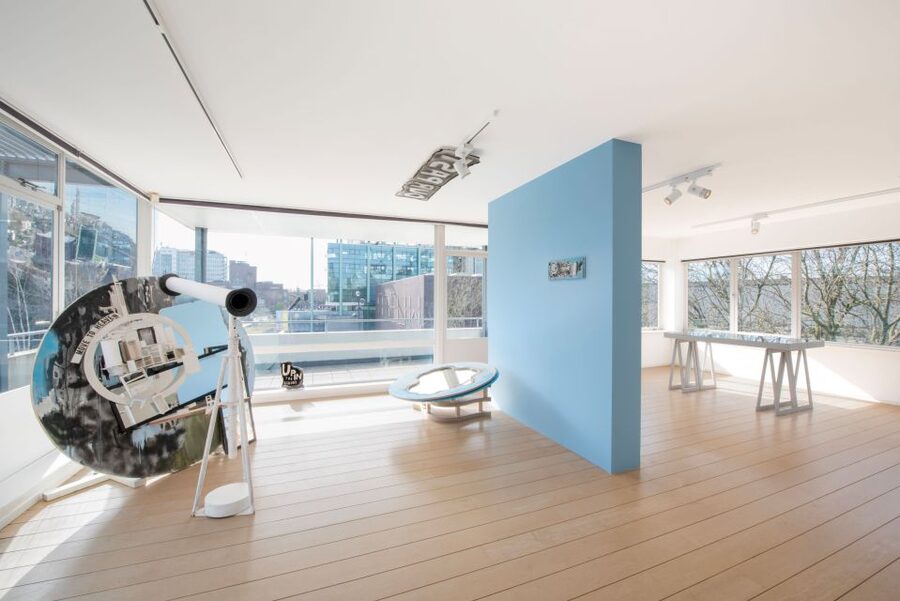
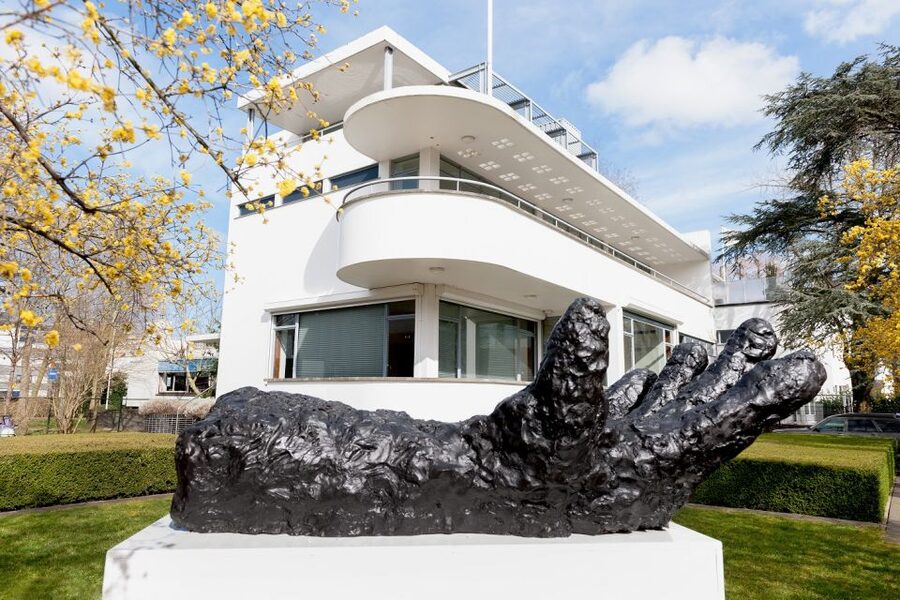
The ticket also includes entry to the Chabot Museum, devoted to international Expressionism. This is an appealing extra because it gives you a second cultural experience in a very different setting.
The museum is in Museumpark in Rotterdam’s city center. The Van Nelle Factory is at Van Nelleweg 1 in Rotterdam West, and the two locations are about 4 kilometers apart. They are not next door, so plan your day around the transfer.
You can visit the Chabot Museum on the same day at the time most convenient for you. That flexibility is helpful. You do not have to rush directly from the factory to the museum, and you can place the museum before or after the guided tour.
The pairing also makes sense in a broad cultural way. Van Nelle presents Modernist architecture and industrial design. Chabot adds international Expressionism through an intimate museum visit. One stop is about the structure of work and production; the other offers a more personal art experience.
Do not treat the museum as an extension of the factory tour, though. It is a separate location and a separate visit. If your day is already crowded, the extra admission may be less useful unless you have enough time to reach Museumpark and enjoy the museum properly.
Is $23 a fair price?
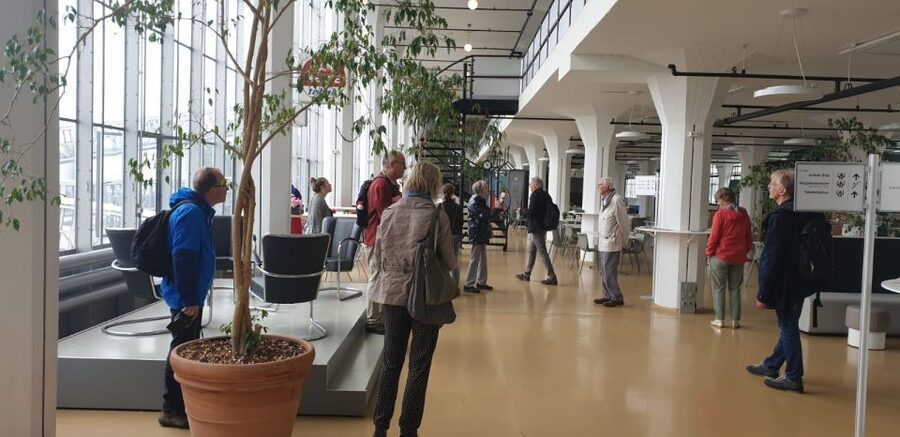
At $23 per person, the value depends on what you want from the visit. You are paying for a guided tour, entrance to the UNESCO factory, and admission to the Chabot Museum. That is a reasonable package for anyone interested in architecture, industrial design, or Rotterdam’s cultural identity.
The price is less convincing if you view the factory tour alone as a one-hour activity and expect extensive access. A recent assessment found the cost acceptable with a Museumkaart supplement of €17.50, but still questioned the value when the tour felt rushed and the group was large.
That is the right way to judge it. The tour’s value comes from the guide’s interpretation and the unusual chance to enter a major industrial Modernist site. It is not a bargain simply because the visit is short, and it is not poor value simply because you cannot see the entire complex.
I would recommend it more strongly to people who already plan to visit the Chabot Museum or who have a clear interest in architecture. If you only want a quick look at a famous building from the outside, the paid guided format may feel harder to justify.
Food and drinks are not included, so plan those separately. The experience itself is focused on the site and the museum rather than refreshments.
Who will enjoy this tour most?
This experience is a good fit for you if you enjoy:
- Modernist architecture and industrial design
- Rotterdam’s role in 20th-century architecture
- Guided visits that explain how buildings function
- UNESCO sites with a strong social and cultural story
- Pairing architecture with a small art museum
- Short activities that fit into a packed city schedule
It may be less suitable if you want a long, relaxed tour or a self-guided visit at your own pace. The large-group issue matters here, especially because the factory is so expansive and the allotted hour is fixed.
Families with older children may find the production story and unusual design more engaging than a conventional museum visit. Art and architecture students will likely appreciate the connection between Modernist ideals and the practical needs of a working factory.
The tour is also useful for first-time visitors who want to understand why Rotterdam looks so different from many Dutch cities. It shows a side of the city built around industry, experimentation, and post-traditional design.
Practical planning for a smoother visit
Book a time that leaves room before and after the factory visit. The tour begins at the porter’s lodge, not at the Chabot Museum, and the two sites are separated by about 4 kilometers.
I would avoid scheduling the museum immediately after the tour unless you have allowed enough time for the transfer. Since you can use the Chabot Museum ticket at a convenient time on the same day, there is no need to force both stops into a tight sequence.
Check the starting times when you choose your date. The tour lasts one hour, but the experience of reaching the entrance and moving between the two locations adds more time to your day.
The activity offers free cancellation up to 24 hours in advance, and you can reserve now while paying later. Those options are useful if your Rotterdam plans are still shifting.
The final verdict: book it or skip it?
I would book the Van Nelle Factory tour if you want a guided introduction to one of Rotterdam’s most important Modernist buildings and you value the added Chabot Museum entry. The strongest parts are the building’s unusual design, its connection to coffee, tea, and tobacco production, and the explanation of how 1930s architecture aimed to improve the modern world.
I would skip it if you expect a thorough, unhurried tour of the entire factory. One hour can feel rushed, particularly in a large group, and you will see only a limited portion of the complex.
For most architecture-minded visitors, the tour is worthwhile at $23, especially when you use the museum admission too. Think of it as a focused introduction to Van Nelle, not the last word on the site. With sensible planning, it adds a distinctive industrial chapter to a Rotterdam visit.
FAQ
Where does the Van Nelle Factory tour begin?
Meet your guide at the Van Nelle Factory, at the visitors reception in the porter’s lodge near the gate at the entrance to the grounds.
How long does the guided tour last?
The guided tour lasts one hour.
What languages are available?
The live tour guide speaks Dutch or English.
What does the ticket include?
The ticket includes the guided Van Nelle Factory tour, access to the UNESCO Van Nelle Factory, and entry to the Chabot Museum.
Is food or drink included?
No. Food and drinks are not included.
Where is the Chabot Museum?
The Chabot Museum is in Museumpark in Rotterdam’s city center.
Is the Chabot Museum at the Van Nelle Factory?
No. The two attractions are at separate locations. The Van Nelle Factory is at Van Nelleweg 1, and the Chabot Museum is in Museumpark, about 4 kilometers away.
When can I visit the Chabot Museum?
You can visit the Chabot Museum on the same day as the factory tour, at a time that is convenient for you.
How far in advance can I cancel?
You can cancel up to 24 hours before the activity for a full refund.
Can I reserve without paying immediately?
Yes. The reserve now and pay later option lets you book while keeping your travel plans flexible.
Just added around Rotterdam
- Rotterdam: Summer Cocktail Cruise★ 4.7 · 18 reviews
- Skip the Line: SS Rotterdam Steam Ship Entrance Ticket★ 4.5 · 18 reviews
- Rotterdam: Beer Brewery Noordt Tastings with Optional Tour★ 4.9 · 18 reviews
- Guided 3-Hour Food Tasting Experience in Rotterdam★ 5.0 · 19 reviews
- Private Day Trip from Amsterdam to Rotterdam and the Hague★ 5.0 · 19 reviews
- Rotterdam Must Do Tour: Highlights, History, WW2 and Architecture★ 5.0 · 20 reviews
- Private Day Tour: Rotterdam and The Hague. English or Spanish★ 4.5 · 20 reviews
- Private Day Tour to Keukenhof Gardens – from Amsterdam/Rotterdam★ 5.0 · 20 reviews
Rotterdam Tours, compared.


Kinderdijk UNESCO World Heritage Entry Ticket
Read our review →
Browse the lists this tour appears in