
REVIEW · UTRECHT TOURS
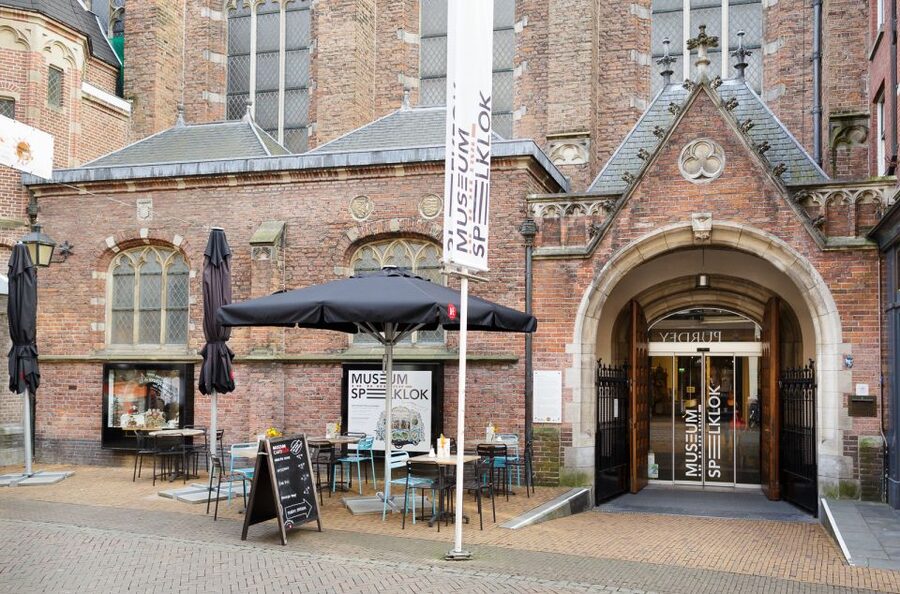
Utrecht: Museum Speelklok Entry Ticket
Some museums display silence. This one makes it sing. Museum Speelklok turns mechanical music into a lively Utrecht outing, with century-old instruments playing right in front of you. I like the mix of hands-on technology and old-fashioned charm, and I especially like that your admission includes a free tour in English or Dutch.
I also like the range, from tiny music boxes to the enormous barrel organ. The famous street organ Arabier and the remarkable Violina give the visit memorable landmarks. The main drawback is simple: if you prefer museums with lots of written exhibits and quiet, self-guided time, you might find the visit fairly quick, and some performances have no seating.
The $20 price is reasonable if you join the tour and stay long enough to hear several instruments. Food and drinks are not allowed inside, and transportation is not included, so plan this as a focused museum stop in Utrecht rather than a complete day of sightseeing.
In This Review
- Key points to know before you go
- Why mechanical music works so well at Museum Speelklok
- Begin with the hourly tour in English or Dutch
- From music boxes to self-playing orchestras
- Meet Arabier, Utrecht’s famous street organ
- The Violina and the museum’s most surprising machine
- The Museum Expedition adds stories and technical detail
- How long to stay and how to use the one-day ticket
- Comfort, access, and the practical details
- Who will enjoy this museum most
- Should you book Museum Speelklok?
- FAQ
- What does the Museum Speelklok ticket include?
- Is the tour available in English?
- How long is the ticket valid?
- Is Museum Speelklok wheelchair accessible?
- Can I bring food and drinks inside?
- Can I cancel the booking?
Key points to know before you go
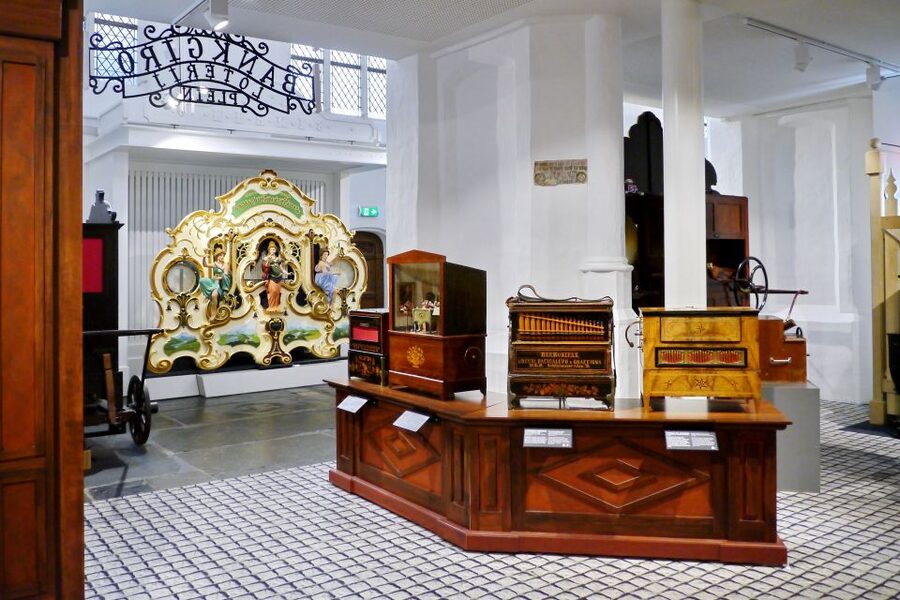
- Live mechanical music: Hear instruments over a century old, including music boxes, orchestrions, clocks, and Dutch street organs.
- Two famous highlights: Look for Arabier, a celebrated traditional street organ, and Violina, known as the 8th world wonder.
- Free hourly tour: An English or Dutch tour is included with admission and adds the stories behind the machines.
- Good family appeal: The exhibition combines music, moving parts, craftsmanship, and opportunities to feel selected objects.
- Possible comfort issue: Some performances do not offer seating, so be ready to stand for parts of the visit.
- Flexible booking: Admission costs $20 per person, with free cancellation up to 24 hours before the visit and a reserve now, pay later option.
Why mechanical music works so well at Museum Speelklok
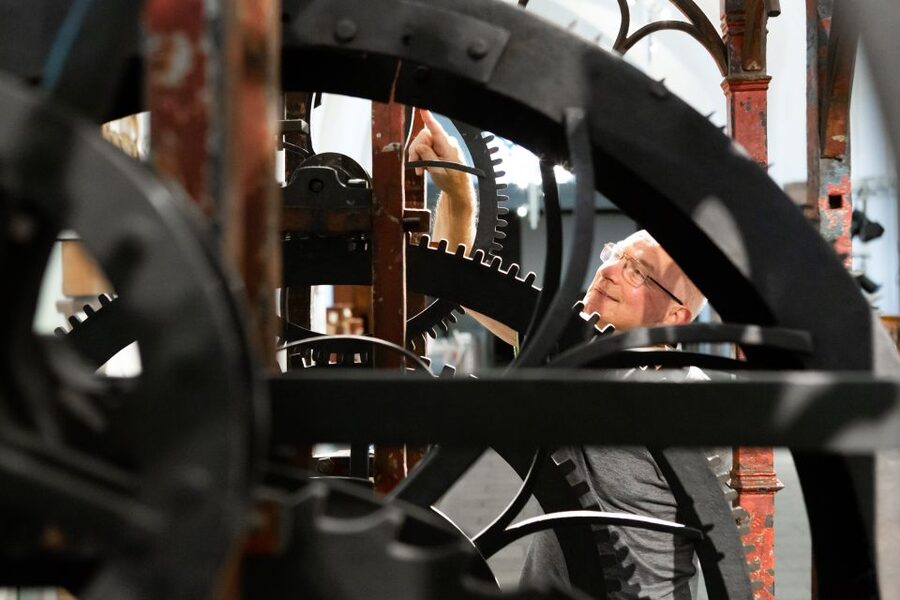
Museum Speelklok is not just a collection of old objects. Its main pleasure comes from seeing a machine perform its job. Gears turn, mechanisms move, and music comes from an instrument that seems to have a mind of its own.
That physical action gives the museum an advantage over a standard display of historic instruments. You are not only looking at a wooden cabinet or metal cylinder. You are listening to the result of careful construction and watching the parts work together.
I find this especially useful for families. Children can grasp the basic idea quickly: a machine stores or controls music, then releases it through mechanical movement. Adults get the extra layer of craftsmanship, restoration, and changing musical technology.
The instruments also cross several scales. A small music box can offer delicate, precise sound, while a barrel organ fills the room with a much bigger presence. That contrast keeps the visit from feeling repetitive.
The museum’s focus on restoration matters, too. These machines are fragile and complicated. Keeping them working means preserving both their sound and their moving parts. You get a sense of why restoration is an ongoing craft, not a one-time repair job.
More Attraction Tickets in Utrecht
- Utrecht: De Haar Castle & Park Entry Ticket
★ 4.7 · 1,350 reviews - Utrecht: DOMunder Entry Ticket with Guide
★ 4.4 · 706 reviews - Utrecht: Dom Tower Entry Ticket and Guided Tour
★ 4.6 · 513 reviews
Begin with the hourly tour in English or Dutch
Your ticket includes a museum tour, and I would make this the anchor of your visit. The tour runs every hour in English and Dutch, so check the available start time and arrange your arrival around it if possible.
The tour gives the instruments a voice before you have had time to form your own impressions. Instead of walking past an unfamiliar machine, you learn what it does, how it creates sound, and why it matters.
A good guide also turns the museum from a room full of mechanisms into a series of stories. The tour covers the magical tales, technical work, and music connected with the collection. That context makes the performances easier to appreciate.
The guided presentation has been praised for being both informative and entertaining. That combination is important here. A dry explanation of gears and music cylinders could lose younger children, while a purely theatrical presentation might leave adults wanting more detail. The best part of the experience is the balance between the two.
If you do not speak Dutch, choose the English tour. The available host languages are English and Dutch, so you can get the main explanations without relying only on labels or guesswork.
From music boxes to self-playing orchestras
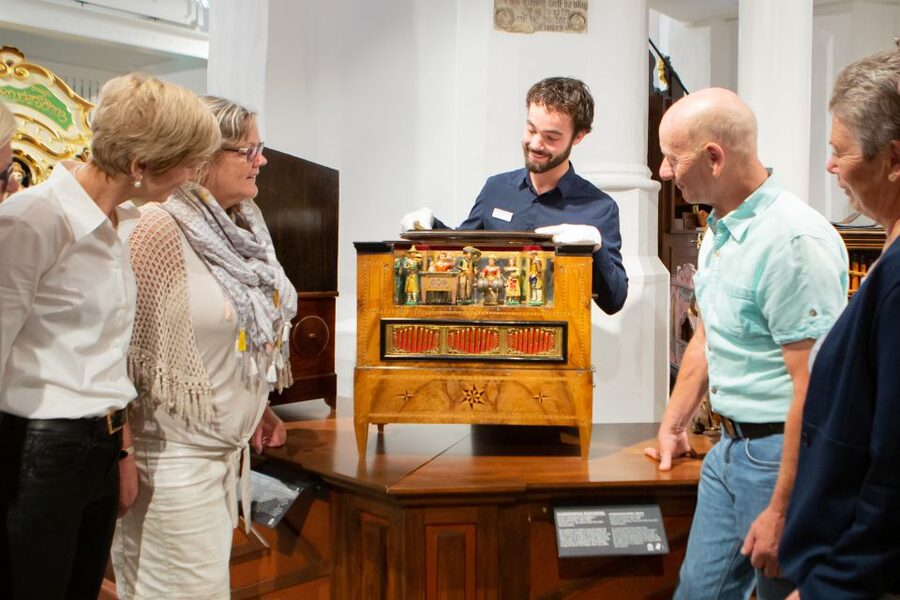
The collection covers a wide family of mechanical instruments. Start with the smallest examples, such as music boxes. Their compact size makes their engineering easy to underestimate, but the sound comes from a carefully arranged mechanism packed into a small case.
From there, the instruments grow in scale and ambition. Musical clocks combine timekeeping with music, adding a decorative and practical purpose. Orchestrions take the idea further by acting like self-playing orchestras, producing the effect of several instruments through one mechanical system.
These displays help you follow a clear progression. The central idea remains the same, but the machines become larger and more elaborate. You can compare the sound and design of a little music box with the force of a full-sized organ.
I like this variety because it gives you different reasons to pay attention. One object may impress you with its size. Another may catch your ear with a delicate tune. A third may make you wonder how so many musical parts can be controlled by a mechanical device.
The collection also includes traditional Dutch street organs. These instruments connect the museum to public life rather than private homes or grand interiors. Their sound was made for open streets, where a large, strong performance could reach a crowd.
Meet Arabier, Utrecht’s famous street organ
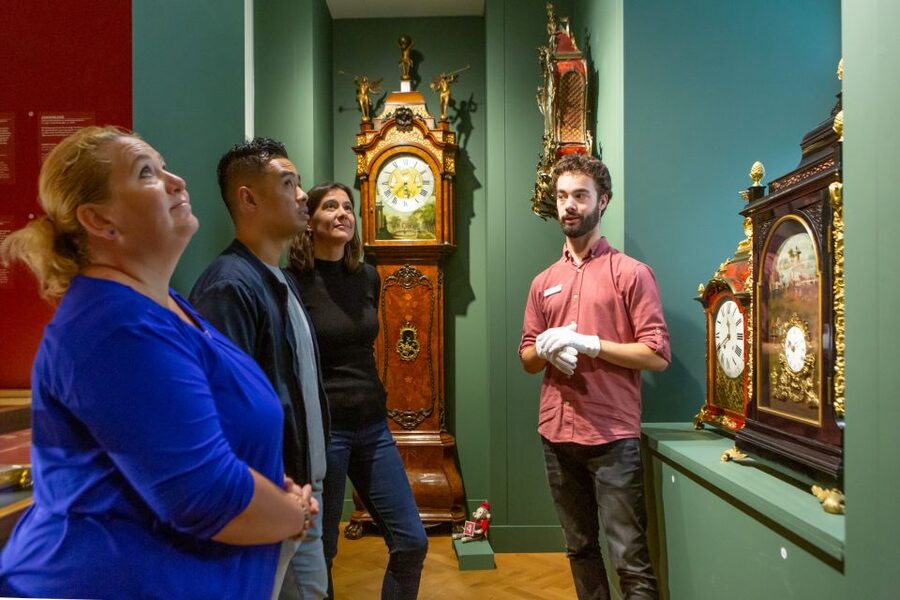
Arabier is one of the museum’s key attractions. As a traditional Dutch street organ, it shows how mechanical music once reached ordinary people in public spaces.
Its name and reputation make it easy to remember, but the machine is worth more than a quick photograph. Listen for the scale and character of the sound. A street organ is designed to project, so it offers a very different experience from the small, intimate music boxes elsewhere in the museum.
For me, Arabier also helps explain why these instruments are culturally important. Mechanical music was not only a technical novelty. It was entertainment, a public soundtrack, and a way for music to travel beyond formal concert halls.
Try to hear Arabier as part of the museum’s larger story. The collection moves from small personal objects to instruments built for shared public enjoyment. That change in scale gives the visit a useful rhythm.
More museums:
- Utrecht: Centraal Museum Entrance Ticket
★ 4.4 · 72 reviews - Amsterdam: Van Gogh Museum Ticket
★ 4.7 · 52,054 reviews - Moco Museum Amsterdam Entrance Tickets with Banksy & More
★ 4.4 · 10,088 reviews - Amsterdam: The Upside Down Museum Entrance Ticket
★ 4.4 · 9,506 reviews
The Violina and the museum’s most surprising machine
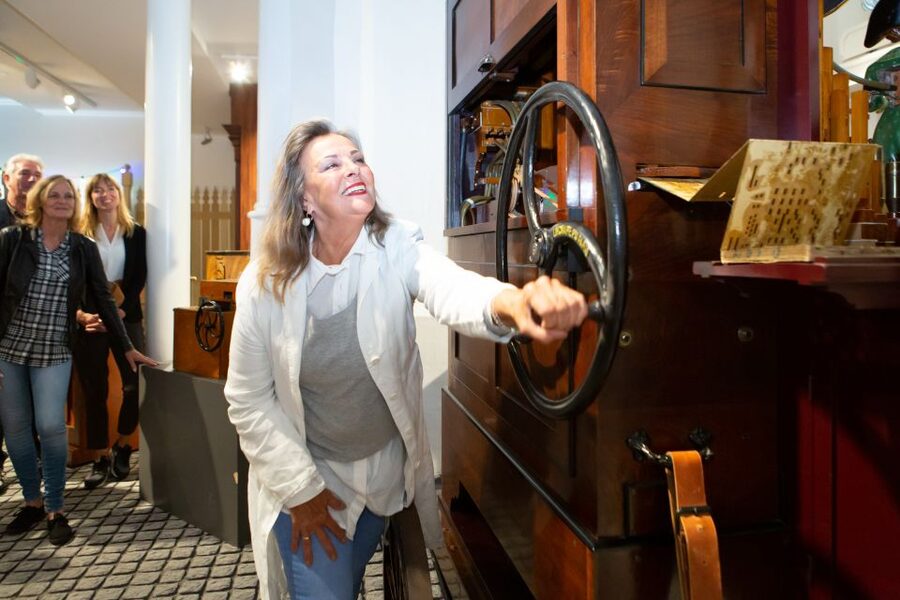
The Violina is presented as the 8th world wonder, and it is one of the experience’s most unusual highlights. Its appeal comes from the combination of musical performance and mechanical control.
You may arrive expecting organs and music boxes, then find that the Violina offers a different kind of spectacle. It shows how inventors tried to reproduce the sound and movement of live musicians through machinery.
Pay attention to the idea behind it, not just the novelty. Mechanical instruments were attempts to solve a difficult problem: how do you preserve, repeat, or enlarge a musical performance without having a full group of musicians present every time?
That question gives the Violina real weight within the collection. It is not simply an odd object. It represents imagination, engineering, and a desire to make music available in new ways.
The museum’s presentation works best when you let yourself be surprised. Some exhibits may look decorative at first, but the sound and movement reveal their purpose.
The Museum Expedition adds stories and technical detail
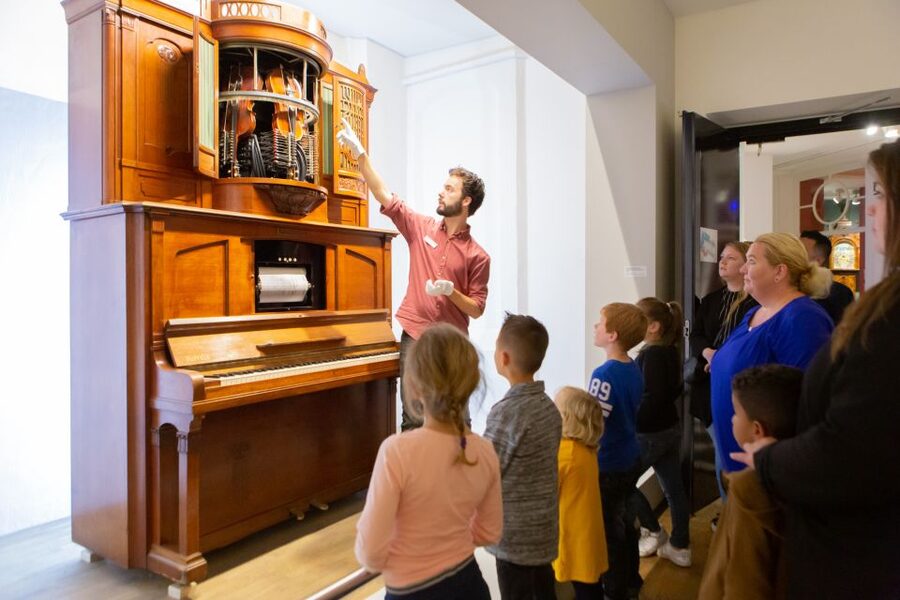
The Museum Expedition is where the collection’s separate objects come together. It focuses on the stories, craftsmanship, and music behind the machines.
This section is valuable if you like knowing how things work. You can learn more about the people who made and restored these instruments, as well as the systems that allow them to play.
The restoration angle deserves your attention. A machine that still performs after a century is not surviving by accident. Specialists must understand its materials, mechanisms, and original function while taking care not to damage something that cannot easily be replaced.
I would give this part more than a quick glance. The live music is the hook, but the technical work explains why the music can still be heard today. It also gives you a better appreciation for the difference between a decorative antique and a working musical machine.
The museum presents technology in a way that feels accessible. You do not need a background in engineering or music to follow the basic ideas. Curiosity is enough.
How long to stay and how to use the one-day ticket
The ticket is valid for one day, but that does not mean you need to spend an entire day inside. The experience is best treated as a flexible museum visit with enough time for a guided tour and several performances.
I would plan around the hourly tour, then allow time to revisit the machines that catch your ear. The exact amount of time depends on how closely you listen and how interested your group is in the technical explanations.
A fast visit may suit you if you are fitting Museum Speelklok between other Utrecht sights. One customer found the museum enjoyable but felt finished quickly. That is a fair warning: the collection has a clear theme, and it does not try to be every kind of museum at once.
A slower visit works better for families, music fans, and anyone who wants to understand restoration. You may also want to hear more than one type of machine before deciding which is your favorite.
There is no food or drink allowed inside. Plan your snack or meal before or after the museum, especially if you are visiting with children. Transportation is also not included, so you will need to arrange your own way to the Utrecht location.
Comfort, access, and the practical details
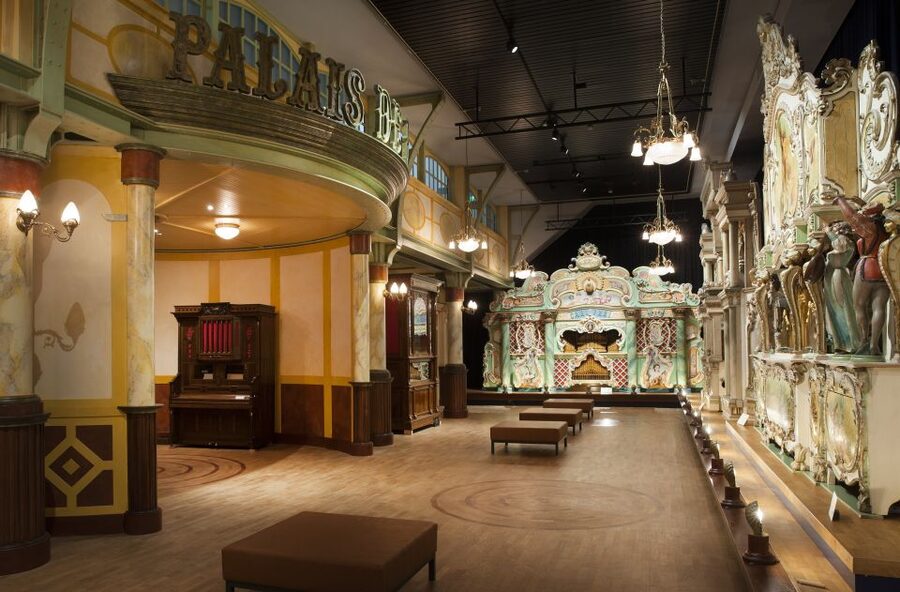
Museum Speelklok is wheelchair accessible, which makes it a practical choice for many visitors. The tour is offered in English and Dutch, and the host or greeter can assist in those languages.
The main comfort issue is seating. Some performances do not have seats available, so you may be standing during parts of the presentation. If that could be difficult for you, consider the timing and ask about available seating when you arrive.
The $20 admission fee includes both entry and the museum tour. That gives the ticket better value than a simple pass to view static displays, especially if you attend the guided presentation.
I would judge the price by the quality of the live element. If you only walk through quickly, $20 may feel high for a compact museum visit. If you hear several instruments, join the tour, and spend time with the Museum Expedition, the cost is easier to justify.
The reserve now, pay later option can help if your Utrecht schedule is still changing. You can also cancel for a full refund up to 24 hours before the visit, which gives you some useful flexibility.
Who will enjoy this museum most
I would recommend Museum Speelklok to families looking for an indoor activity with real sounds and moving parts. It gives children something immediate to watch and hear, while adults can focus on design, restoration, and musical history.
It also suits anyone who enjoys unusual museums. This is not a standard collection of paintings, and the machines provide the entertainment themselves. The experience has a playful side without losing its educational purpose.
Music lovers should make time for it, particularly if you enjoy organs, mechanical instruments, or the connection between art and technology. The live demonstrations are the reason to choose this museum over simply reading about old instruments.
It may be less satisfying if you want a large museum with many unrelated galleries. The subject is focused, and one visitor found it easy to feel finished quickly. You should also think twice if standing through some performances would be uncomfortable.
Should you book Museum Speelklok?
Yes, if you want a short, distinctive Utrecht experience that combines live music with working machinery. The English tour, Arabier, Violina, and wide range of instruments give you plenty of reasons to pay attention, while the family-friendly format keeps the subject from feeling technical or dry.
Book it when you can attend the free hourly tour and leave enough time to hear more than one performance. If you are unsure about the $20 price, remember that the admission includes the tour, not just access to display cases.
I would skip it only if your schedule allows a very brief stop, you dislike guided presentations, or you need guaranteed seating. For most people interested in music, invention, or unusual Dutch culture, Museum Speelklok is a worthwhile addition to a day in Utrecht.
FAQ
What does the Museum Speelklok ticket include?
The ticket includes entrance to Museum Speelklok and the museum tour.
Is the tour available in English?
Yes. The free tour is conducted every hour in English and Dutch, subject to the available starting times.
How long is the ticket valid?
The activity duration is listed as one day. Check availability for the starting times.
Is Museum Speelklok wheelchair accessible?
Yes, the museum is wheelchair accessible.
Can I bring food and drinks inside?
No. Food and drinks are not allowed inside the museum.
Can I cancel the booking?
Yes. You can cancel up to 24 hours in advance for a full refund. A reserve now, pay later option is also available.
Just added around Utrecht
- 3 Hours itinerary between Amsterdam & Utrecht: The Heart Of Holland In A Sidecar★ 5.0 · 20 reviews
- Utrecht Food Tour on a Bicycle with local guide★ 5.0 · 23 reviews
- e-Scavenger hunt Utrecht: Explore the city at your own pace★ 4.5 · 28 reviews
- Utrecht Quiz Tour★ 3.2 · 31 reviews
- Discover Our Utrecht: Limited Group Size & Optional Extras★ 5.0 · 32 reviews
- Utrecht: Lofen Palace with Entry Ticket & Guide (Dutch)★ 4.4 · 41 reviews
- From Amsterdam: Castle De Haar Guided Tour★ 4.7 · 41 reviews
- Utrecht: Ludwig’s Original Pub Crawl with VIP Club Entry★ 3.3 · 42 reviews
Utrecht Tours, compared.



Utrecht 2-Hour Walking Tour | Discover The City With A Local
Read our review →

Browse the lists this tour appears in