
REVIEW · MUSEUMS
Werkendam: Boat Cruise and Biesbosch Museum Entry Ticket
Water tells the story here. This $28 experience combines a 75-minute boat cruise through De Biesbosch National Park with entry to Biesbosch Museum Island, giving you both the scenery and the background behind it. I like that the outing is not just a ride through pretty wetlands. You also learn how floods, dykes, polders, and later depolderisation shaped this unusual part of the Netherlands.
I especially like the route through narrow creeks and trenches, including the Beneden Petrus trench, where the park feels far removed from ordinary Dutch roads and towns. I also like the museum’s scale model, which makes the area’s water system easier to understand, especially for families. The main consideration is language: the live guide speaks Dutch, and the experience is not suitable for wheelchair users.
In This Review
- What Makes This Experience Worth Your Time
- A Boat Ride Into De Biesbosch
- What You Learn About Dutch Water Control
- The Story Begins With the St. Elizabeth Flood
- Biesbosch Museum Island and the Scale Model
- Guide Commentary and the Dutch-Only Format
- Wildlife, Plants, and What You Might See
- Is $28 a Good Price?
- Who Should Book This Outing?
- Practical Tips for a Better Visit
- Final Call: Book It for Context, Not Just a Boat Ride
- FAQ
- How long does the Biesbosch boat and museum experience last?
- What is included in the price?
- Is a guide included?
- Are food and drinks included?
- Are pets allowed?
- Is the activity suitable for wheelchair users?
What Makes This Experience Worth Your Time
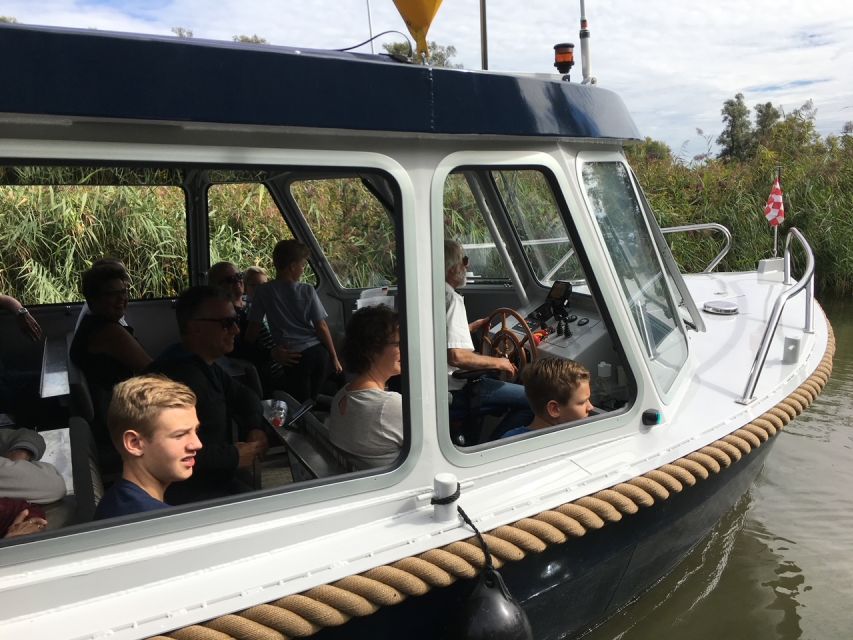
- A whisper boat through narrow waterways: The boat route takes you into the smaller creeks and trenches rather than showing the park only from a broad river.
- The Beneden Petrus trench: This is one of the named scenic points on the route and a useful place to watch for wildlife.
- A rare freshwater tidal area: De Biesbosch is one of Northwestern Europe’s largest freshwater tidal wetlands.
- A museum that explains water management: You see how the Dutch built polders and dykes, then later returned some land to wetland.
- Wildlife possibilities: Keep watch for beavers, eagles, and deer, although sightings are not guaranteed.
- Good value at $28: The price covers both the cruise and museum entry, making it more useful than paying for a boat ride alone.
A Boat Ride Into De Biesbosch
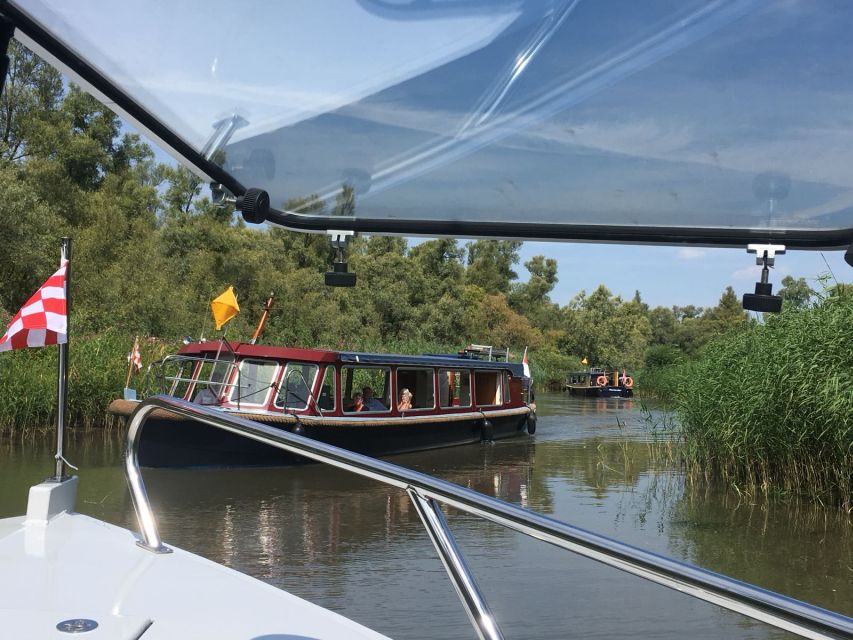
De Biesbosch is best understood from the water. The park is a maze of waterways, trenches, wet fields, and reed-lined passages formed by the interaction of river water, tides, and human engineering. From a road, you would see only pieces of it. From a boat, the shape of the area begins to make sense.
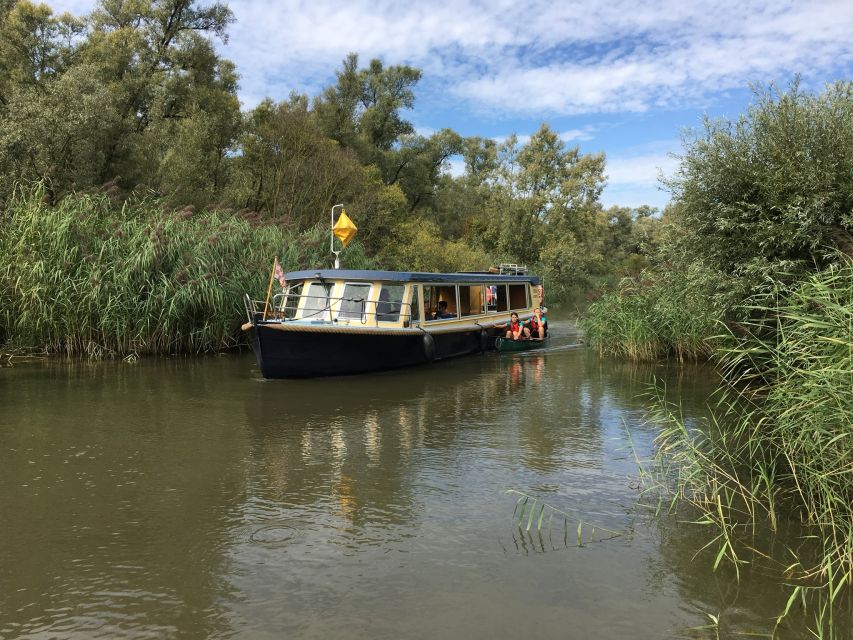
You board a whisper boat for the sightseeing cruise. The name suggests a quieter ride, which suits the setting. The goal is not speed. The boat moves through narrow creeks and trenches where the route itself becomes the attraction.
I like this format because it gives you time to look around. You can watch the banks for movement, scan open areas for birds, and notice how the water routes bend into the wetlands. The supplied information specifically mentions beavers, eagles, and deer, so bring patience rather than expecting a wildlife show. These are natural sightings, not scheduled performances.
The Beneden Petrus trench is one of the places to watch for. Named points help you follow the route and give the guide something specific to explain. Even if you do not remember every Dutch term, the physical setting tells part of the story: the park is made of water corridors, not one single open lake.
The scenery changes with the season. In warmer months, you can expect more color from the flora and fuller growth along the banks. Winter can still work well, as shown by feedback praising a January outing and the captain’s commentary during the colder season. You will likely get less leafy color then, but the open structure of the waterways may be easier to see.
More museums:
- Amsterdam: Van Gogh Museum Ticket
★ 4.7 · 52,054 reviews - Moco Museum Amsterdam Entrance Tickets with Banksy & More
★ 4.4 · 10,088 reviews - Amsterdam: The Upside Down Museum Entrance Ticket
★ 4.4 · 9,506 reviews
What You Learn About Dutch Water Control
The Biesbosch is not simply untouched nature. It is also a record of the Dutch effort to control water, gain farmland, and protect settlements. That tension gives the cruise more substance than a standard sightseeing loop.
You learn about polders, the areas enclosed and drained to create usable land. Dykes helped hold water back, while human planning tried to make a difficult environment predictable. The museum then explains how that approach changed over time.
Flood protection was eventually connected with depolderisation, meaning some areas were given back to wetland conditions. This shift matters because it shows that Dutch water policy is not only about keeping water out. In some places, allowing water more room can help reduce flood pressure.
The subject can sound technical on paper. On site, it becomes easier to grasp because you are looking at the channels and low-lying land that make water management necessary. The boat gives you the setting. The museum supplies the diagrams, dates, and explanations.
The freshwater tidal character is another important point. De Biesbosch is described as one of the largest freshwater tidal wetlands in Northwestern Europe. That combination of fresh water and tidal movement helps explain why the area has such a distinct network of creeks and wetland habitats.
The Story Begins With the St. Elizabeth Flood
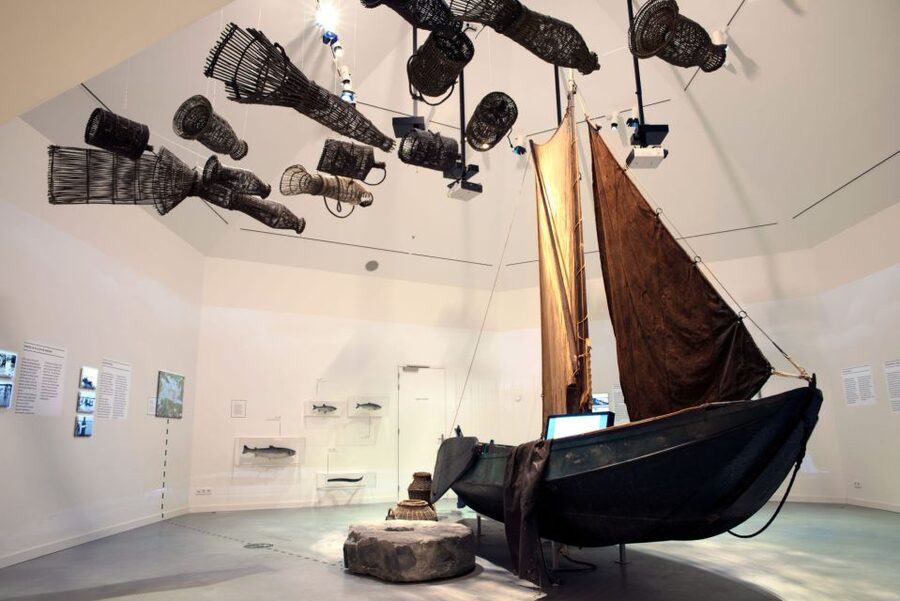
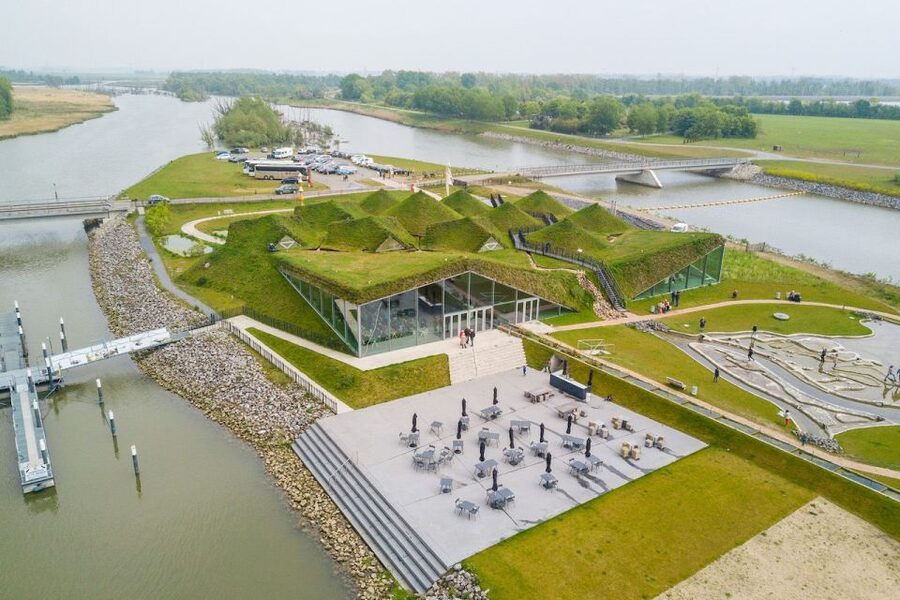
Biesbosch Museum Island traces the formation of the freshwater tidal area back to the St. Elizabeth flood of 1421. That date gives you a starting point for understanding why this region looks and functions as it does.
The museum’s permanent exhibition covers the park’s past, present, and future. I appreciate that time span. You are not shown only an old flood story or only a modern conservation message. Instead, the displays connect the area’s origins with the decisions still being made about water and nature.
This historical background is useful before or after the cruise. If you visit the museum after the boat ride, you may find it easier to connect the displays with the waterways you just saw. If the museum comes first, you can board the boat with a better sense of what the trenches and wet areas represent.
The museum is also a practical stop for anyone who wants more than scenery. A boat ride can leave you with attractive images but few facts. Here, the combination explains why the park exists, why it changed, and why water remains the central issue.
Biesbosch Museum Island and the Scale Model
The family-friendly Biesbosch experience is a scale model of the area, showing polders, dykes, and streams. This is one of the most useful parts of the museum for children, but adults can benefit from it too.
Maps of wetlands can be hard to read when you are seeing them for the first time. A three-dimensional model makes the relationship between land and water much clearer. You can see how a dyke separates one area from another and how streams connect across the region.
For families, this exhibit adds something hands-on to the visit. Children do not have to rely only on text panels to understand the hydrological features of the park. The model turns an abstract explanation into something they can inspect as a whole.
The museum also gives you a place to slow down after the cruise. The boat portion is relatively short, with the advertised activity duration listed as 75 minutes, so the museum is important if you want a fuller visit rather than a quick ride. The exact balance of cruise time and museum time should be checked when you select a departure.
More boat trips:
- Amsterdam Classic Saloon Boat Cruise with Drinks and Cheese
★ 5.0 · 31,825 reviews - Amsterdam Luxury Canal Cruise + Unlimited Drinks & Bites option
★ 5.0 · 30,518 reviews - Amsterdam: Classic Boat Cruise with Optional Cheese & Wine
★ 4.6 · 22,925 reviews - Amsterdam: Evening Cruise with Optional Wine and Snacks
★ 4.4 · 19,696 reviews
Guide Commentary and the Dutch-Only Format
The live guide speaks Dutch. That is the clearest limitation for international visitors. If you do not understand Dutch, you may get most of your enjoyment from the scenery, wildlife spotting, and museum displays, but you should not expect live commentary in English.
The guide can add real value for Dutch speakers. A recent outing specifically praised captain and guide John for being kind, taking his time, and explaining a lot about the Biesbosch and its surroundings. Another booking described the story of the Biesbosch as beautiful and well explained.
That feedback points to an important strength: the quality of the experience depends partly on the person at the helm. John was singled out for calm, generous commentary, and another winter departure was praised for its captain’s explanations. You may not have John on your departure, but the boat is clearly intended to be an interpreted sightseeing ride rather than silent transport.
If Dutch is not useful to you, consider bringing a translation tool for museum text if available, though the supplied details do not promise translated materials. Do not book this mainly for spoken interpretation unless Dutch works for you.
Wildlife, Plants, and What You Might See
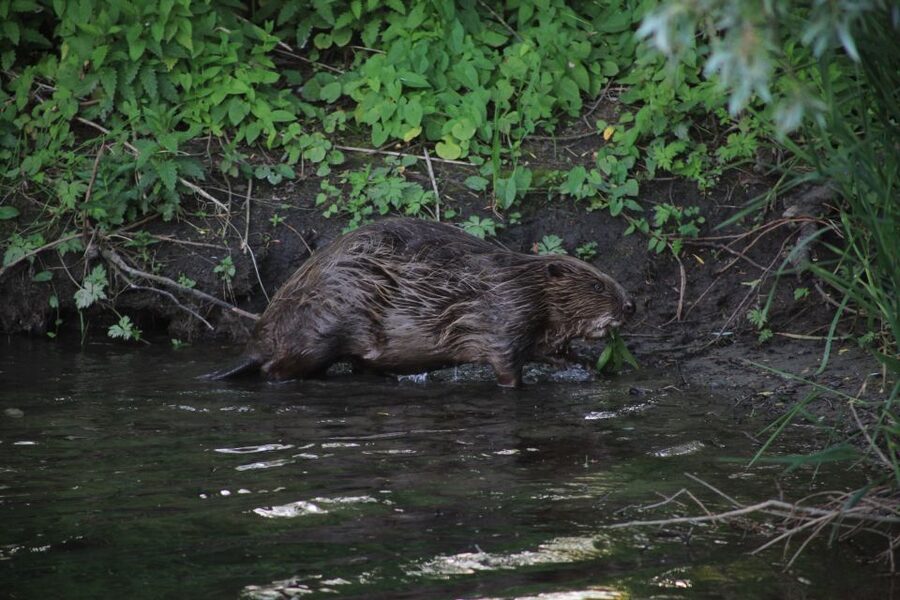
The cruise highlights the colorful flora of De Biesbosch and gives you the chance to look for beavers, eagles, and deer. I would treat all wildlife as a possibility, not a guarantee.
Beavers are especially fitting for this setting because the narrow waterways and wet banks offer the kind of habitat associated with them. Eagles and deer are also listed as possible sightings. Keep your eyes moving between the water, banks, and open areas instead of watching only the horizon.
The boat’s slower route helps with observation. You are not racing from one attraction to the next, and the narrow trenches bring you close to the structure of the park. That said, wildlife watching is affected by season, weather, time of day, and simple luck.
The flora also changes through the year. The warmer months should offer more obvious plant color, while winter has its own appeal. A January booking was still described as very enjoyable, which suggests the experience is not limited to summer. Pack for an outdoor boat ride rather than assuming the museum makes the whole outing indoors.
Is $28 a Good Price?
At $28 per person, the package offers fair value because it includes both the Biesbosch National Park cruise and admission to Biesbosch Museum Island. You are paying for two connected parts of the experience: seeing the waterways and learning how they came to be.
The price makes less sense if you only want a quick boat ride and have no interest in the museum. It makes more sense if you want context, need an indoor stop, or are visiting with children who will enjoy the scale model.
One pricing detail is worth noting. A visitor with a museum annual pass was disappointed that the pass could not be used for this combined booking, while booking directly with the museum may allow that pass to work. If you already hold a museum pass, check the terms before paying for this package. The apparent bargain can change if you are entitled to separate museum admission elsewhere.
Food and drinks are not included. The museum café offers a light snack and a drink, and the shop sells books, souvenirs, and locally made products. Plan to pay separately if you want refreshments.
Who Should Book This Outing?
I would recommend this experience to you if you enjoy nature, water management, and regional history in equal measure. It suits people who want to understand a Dutch national park rather than simply photograph it.
Families have a good reason to consider it because the museum’s model explains polders, dykes, and streams in a clear visual way. The cruise also adds a sense of discovery without requiring a long day on foot.
Dutch speakers will get the most from the live commentary. If you speak another language, you can still enjoy the setting and museum, but the guide’s explanations may not be fully accessible.
The activity is less suitable if you need wheelchair access. The information specifically says it is not suitable for wheelchair users, so contact the provider before booking if mobility access is important to you. Pets are not allowed.
The 75-minute duration also makes it useful when you have limited time near Werkendam. Still, do not confuse a short advertised activity duration with a complete day visit. The cruise is compact, and the museum visit adds the educational portion. Check the available starting time and allow enough time for the museum if you want to see more than its quickest displays.
Practical Tips for a Better Visit
- Bring layers: The cruise is outdoors, and winter departures can be enjoyable but chilly.
- Keep your camera ready: Wildlife sightings are possible, but they can appear without warning.
- Listen for the place names: Beneden Petrus and the other waterways give you a clearer sense of the route.
- Allow time for the museum model: It is one of the best tools for understanding how dykes, polders, and streams fit together.
- Check the language before booking: The live guide is Dutch.
- Check annual-pass rules: A museum pass may not apply to this combined booking, even though direct museum reservations may handle it differently.
- Plan for your own refreshments: Café food and drinks cost extra.
Free cancellation up to 24 hours before the activity and the reserve-now, pay-later option make the booking less rigid. Those policies are useful if your schedule around Werkendam is still changing, but they do not solve the access and language limits.
Final Call: Book It for Context, Not Just a Boat Ride
Book this experience if you want a compact introduction to De Biesbosch that joins scenery with a clear explanation of Dutch water control. The narrow waterways, Beneden Petrus trench, possible wildlife sightings, and museum scale model give the outing real variety for $28.
I would skip it if you need wheelchair access, require English guiding, or already have a museum pass that cannot be used with this package. For everyone else, it is a sensible choice when you want to see the wetlands from the water and understand why the Dutch first tried to control them, then began giving some of that space back to nature.
FAQ
How long does the Biesbosch boat and museum experience last?
The advertised duration is 75 minutes. The experience includes a sightseeing cruise and entry to Biesbosch Museum Island, but the exact division of time between the boat and museum should be checked when booking.
What is included in the price?
The $28 price includes the Biesbosch National Park sightseeing cruise and admission to Biesbosch Museum Island.
Is a guide included?
Yes. The boat cruise includes a live tour guide who speaks Dutch.
Are food and drinks included?
No. Food and drinks are not included. You can buy a light snack and a drink at the museum café.
Are pets allowed?
No. Pets are not allowed on this experience.
Is the activity suitable for wheelchair users?
No. The activity is listed as not suitable for wheelchair users.
Just added around the Netherlands
- Discover Alkmaar with a self-guided Outside Escape city game tour★ 4.5 · 17 reviews
- Amsterdam 1-Hour Rickshaw Tour★ 4.9 · 17 reviews
- 3 hour boarding ticket Summer sailing from Wemeldinge (Zeeland)★ 5.0 · 17 reviews
- Amsterdam: Canal Cruise and Jewish Cultural Quarter Tickets★ 4.2 · 17 reviews
- Keukenhof Gardens and Tulip Experience Tour from Amsterdam★ 4.8 · 17 reviews
- Texel: Electric Fatbike Rental with Map★ 4.8 · 17 reviews
- Amsterdam: Windmills E-Bike Tour to Zaanse Schans★ 5.0 · 18 reviews
- Volendam: 2.5-Hour Cheesemaking Workshop & Clog Making Tour★ 4.5 · 17 reviews
Museums, compared.

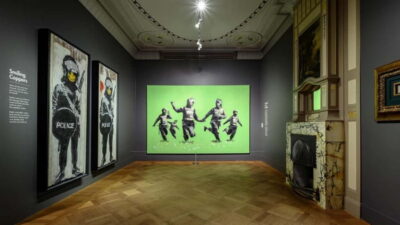
Moco Museum Amsterdam Entrance Tickets with Banksy & More
Read our review →

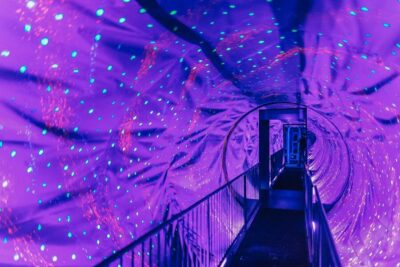
Amsterdam’s Weirdest Museum: Believe It or Not!
Read our review →
Browse the lists this tour appears in