

REVIEW · ANNE FRANK TOURS
Amsterdam: Anne Frank Walking Tour – Guided in EN/DE/IT/ES
History feels close here. This two-hour walk connects Amsterdam’s Jewish Quarter, Anne Frank’s story, and the city’s wartime resistance in a clear, human way. You move through the old Jewish Triangle, past synagogues, homes, memorials, Stolpersteine, and places tied to both Jewish life and Nazi persecution.
I especially like the way Anne’s diary passages guide the story instead of serving as a simple name on the tour title. I also value the attention given to Jewish and non-Jewish resistance, including the February Strike of 1941. The main consideration is important: you do not visit or see the Anne Frank House, and the 2 to 3 kilometers of walking may feel long in rain or cold.
Several guides receive especially warm praise for their clear storytelling and personal manner. Valentina, Emilia, Julia, Josh, Deborah, Charlotte, Bianca, Kaya, Lili, and David are all singled out for passion, patience, or strong command of the subject. Some guides read from Anne’s diary with real feeling, while others use photographs and questions to keep the group involved.
In This Review
- Key points at a glance
- Starting at Waag in Nieuwmarkt
- Nieuwmarkt Square and the old Jewish Quarter
- Zuiderkerk and Huis de Pinto
- Rembrandt House and Sint Antoniesluis
- Portuguese Synagogue and Jewish Historical Museum
- Anne Frank’s story on the streets
- Auschwitz Monument and The Dokwerker
- National Holocaust Names Monument
- Guide quality and language choice
- What the $28 price gets you
- Who should book this walk?
- Practical advice before you go
- Should you book it?
- FAQ
- How long is the Anne Frank walking tour?
- How far do you walk?
- Does the tour visit the Anne Frank House?
- What languages are available?
- Is the tour bilingual?
- Where does the tour start?
- How do I find the guide?
- Is the tour wheelchair accessible?
- Are admission fees included?
Key points at a glance
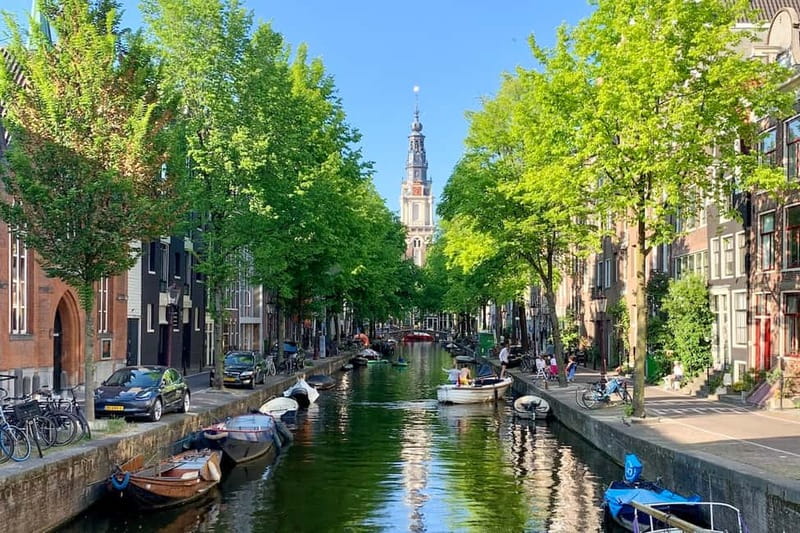
- Anne Frank’s diary shapes the walk: Short passages connect the streets and memorials to Anne’s personal experience.
- The route covers major Jewish Quarter sites: You see the Portuguese Synagogue, Rembrandt House area, Auschwitz Monument, The Dokwerker, and the National Holocaust Names Monument.
- Resistance receives proper attention: The tour covers the February Strike and people who risked their lives to help others.
- It costs $28 per person: For two hours with a live guide and no admission fees, that is a fair price for a focused introduction.
- Choose one language carefully: The tour runs in English, German, Italian, or Spanish, not as a bilingual experience.
- Expect outdoor walking in all weather: Wear comfortable shoes and bring water, suitable clothing, and an umbrella if rain is possible.
Starting at Waag in Nieuwmarkt

Meet your guide at the entrance to De Waag, the old castle-like building in the middle of Nieuwmarkt. Look for the guide’s red name tag. This detail matters because map apps can send you to the rear of the building. If you see the Jolly Joker coffeeshop, you are on the wrong side, so walk around the building to the main entrance.
Nieuwmarkt is a useful starting point. It is easy to recognize, and the square gives the guide room to gather the group before the route moves into narrower streets. Arrive with a little time to spare, especially if you are not familiar with Amsterdam’s sometimes confusing canal-side addresses.
The route is about 2 to 3 kilometers. That is not a strenuous distance for most people, but the tour involves standing at several stops and walking on city streets for two hours. Comfortable shoes are not optional advice here. This is also an all-weather activity, so bring an umbrella and dress for the forecast.
More Walking Tours in Amsterdam
- Anne Frank’s Story – Guided Walking Tour through Amsterdam
★ 5.0 · 11,619 reviews - Amsterdam: Life of Anne Frank and World War II Walking Tour
★ 4.8 · 10,467 reviews - Absolutely Amsterdam – the Essential Introductory Walking Tour
★ 5.0 · 3,629 reviews
Nieuwmarkt Square and the old Jewish Quarter
The first section explains why Jewish residents settled in this part of Amsterdam. Jewish communities expelled from Spain by the Inquisition helped shape Amsterdam’s commercial success, and their presence changed the city’s streets, buildings, and working life.
You learn about the Jodenbuurt, or Jewish Quarter, and its best-known Jewish Triangle. The useful part of this introduction is that it places Jewish Amsterdam before the Second World War. The story is not presented only through suffering. You first see a community building businesses, homes, religious institutions, and a lasting place in city life.
That wider view makes the later wartime section more painful and more understandable. The Nazi occupation did not destroy an abstract population. It attacked neighbors, families, shopkeepers, workers, artists, and religious communities that had helped make Amsterdam what it was.
Zuiderkerk and Huis de Pinto

At Zuiderkerk, the guide continues the story of the surrounding streets and the people who lived here. The stop is brief, about ten minutes, but it helps connect the church and its setting with the Jewish Quarter around it.
Huis de Pinto provides another look at Jewish life in Amsterdam. You should not expect a long interior visit. The value comes from seeing the building in its urban setting while the guide explains the people and institutions that shaped this area.
These early stops are not dramatic in the way a memorial can be. That is useful. They give you a sense of ordinary city life before the route turns more directly toward deportation, murder, and remembrance.
Rembrandt House and Sint Antoniesluis
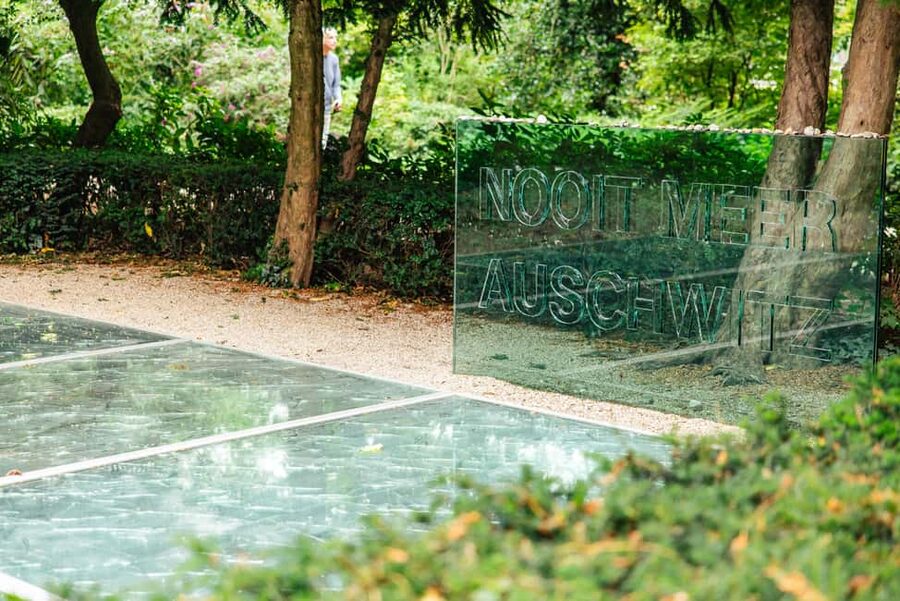
The Rembrandt House stop lasts about fifteen minutes and adds an interesting complication to the story. Rembrandt van Rijn lived in the middle of the Jewish Quarter, even though he was not Jewish. His connection to the area shows that the neighborhood was not sealed off from the rest of Amsterdam.
This is one of the tour’s better touches. It prevents the Jewish Quarter from being treated as a single-purpose zone. People of different backgrounds lived and worked near each other, and the area was part of the larger city.
At Sint Antoniesluis, the guide continues through the old streets and waterways. The route makes the geography easier to understand than a museum label can. You are not just hearing where the Jewish Quarter was. You are walking through the spaces where residents went about daily life.
The route may feel information-heavy if you prefer a quick overview. The guide covers Jewish culture, Amsterdam’s development, wartime discrimination, Anne Frank, and present-day Jewish life. That range is a strength, but you should come ready to listen rather than expect a light sightseeing stroll.
More Anne Frank walks and tickets:
- Amsterdam: Anne Frank Guided Small Group Walking Tour
★ 4.8 · 2,722 reviews - Anne Frank Walking Tour Amsterdam Including Jewish Cultural Quarter
★ 5.0 · 1,879 reviews - Anne Frank’s Last Walk & See Anne Frank House in Virtual Reality
★ 5.0 · 957 reviews - Anne Frank and Jewish Quarter Amsterdam Private Walking Tour
★ 5.0 · 684 reviews
Portuguese Synagogue and Jewish Historical Museum
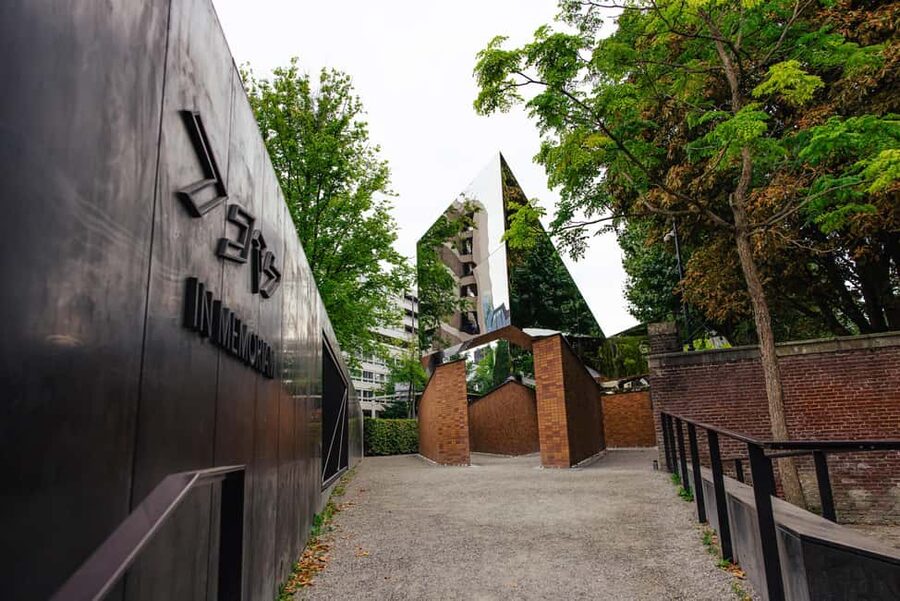
The Portuguese Synagogue is one of the route’s most important visual stops. You have time for photographs and about ten minutes of explanation. The synagogue represents the long-established Portuguese Jewish community and gives the tour a clear link to Amsterdam’s religious and cultural past.
The tour does not include admission to paid attractions. You see important places from outside, and the guide explains their role. That keeps the $28 price down, but it also means you should not book this walk expecting extended indoor visits.
The Jewish Historical Museum area adds further context. The guide uses the surroundings to explain Jewish culture and the community’s place in Amsterdam, including how Jewish life continues in the city today. This present-day note matters because the tour does not leave Jewish identity frozen in the 1940s.
If you want museum interiors, displays, or a longer look at religious buildings, plan those separately. This walk works best as a guided street-level introduction.
Anne Frank’s story on the streets

Anne Frank is the emotional thread running through the walk. The guide explains her family’s history, her decision to hide, and the diary she wrote while in hiding. Passages from the diary are read along the route, giving the story a direct and personal voice.
I like this approach because the diary is used to illustrate the wider experience of Amsterdam’s Jewish community. Anne’s story is central, but the tour also explains that thousands of people were deported and very few returned. The result is broader than a biography and more personal than a list of wartime dates.
The strongest guides appear to handle this material with care. Julia is praised for being respectful and clear. Bianca is remembered for telling Anne and her family’s story with emotion. David is praised for a gentle manner, well-read diary passages, and a steady pace. Kaya is noted for pairing strong family-history knowledge with beautiful excerpts.
You should expect a serious tour. The subject includes discrimination, deportation, the Holocaust, grief, and the danger faced by people who resisted. The diary readings can make the walk especially moving, but this is not entertainment in the usual sightseeing sense.
Auschwitz Monument and The Dokwerker
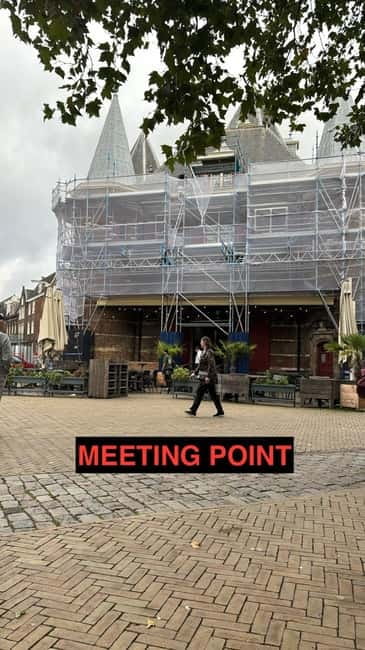
The Auschwitz Monument is a key memorial stop, with roughly ten minutes of guided explanation. Here the tour turns fully toward remembrance and the scale of the Holocaust in Amsterdam.
This is a point where the route’s structure pays off. Earlier stops showed Jewish life, homes, worship, work, and culture. At the monument, you face what happened to that community under Nazi rule. The guide links the local streets with the wider machinery of deportation and murder.
The Dokwerker, or Dockworker, follows with a shorter stop of about five minutes. It is connected with the February Strike of 1941, when Amsterdam workers protested the persecution of Jewish residents. The guide also discusses Jewish and non-Jewish resistance, including people who helped others while putting their own lives at risk.
I appreciate that the resistance story is included without pretending it cancels out the tragedy. It gives you a fuller picture of Amsterdam during the occupation. There was discrimination and collaboration, but also courage, protest, hiding, rescue, and refusal.
National Holocaust Names Monument
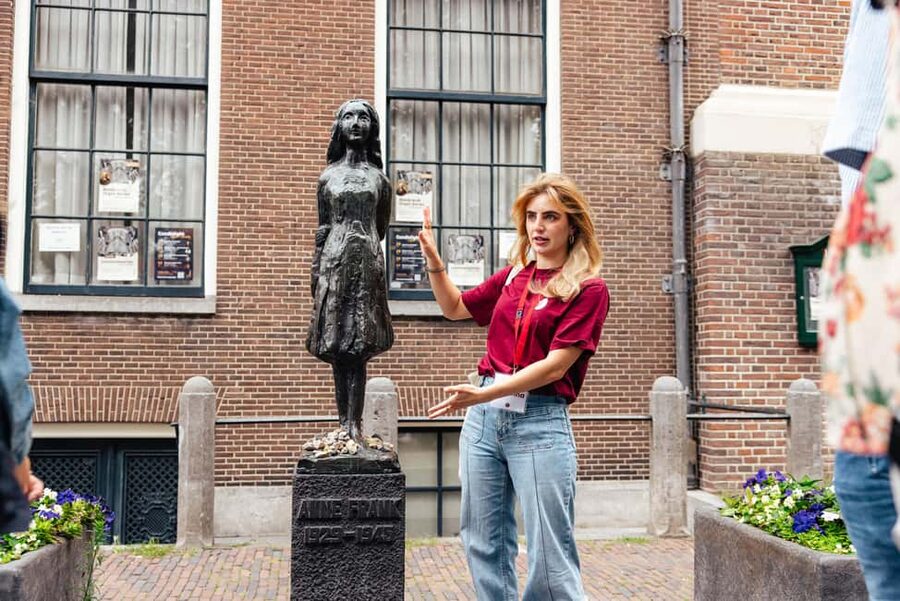
The final major stop is the National Holocaust Names Monument, where you spend about fifteen minutes. The route ends here, giving the tour a quiet place to gather the different parts of the story.
The memorial’s names bring the subject back to individuals. After hearing about policy, occupation, and resistance, you are reminded that each deported person had a name and a life. This is also the stop where a photograph can help preserve the memory of the visit, although the main purpose is reflection rather than sightseeing.
The ending is serious and direct. If you want to continue exploring Amsterdam afterward, you can use this area as a starting point for your own visit to Jewish cultural sites, memorials, or museums. The guided portion itself does not include food, drinks, or entry tickets.
Guide quality and language choice
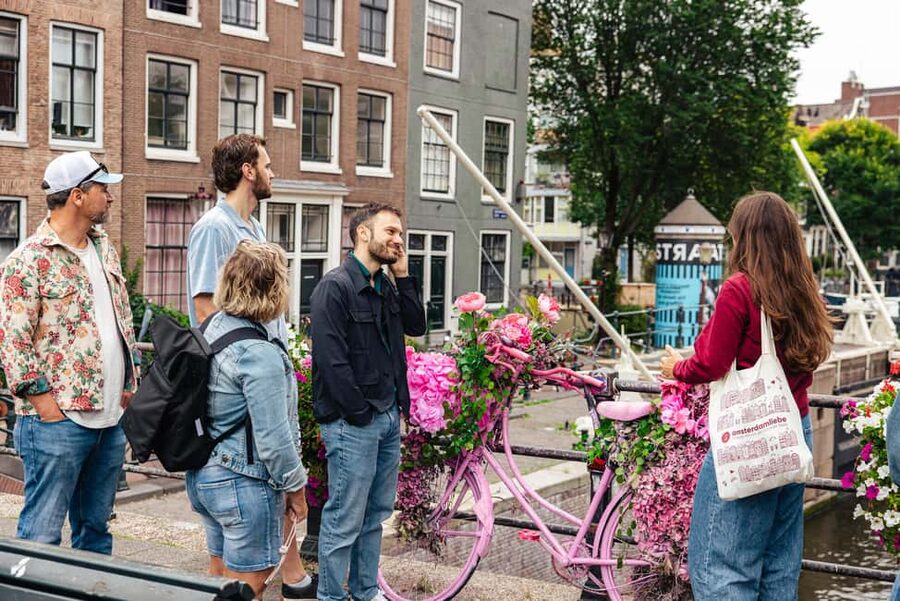
The guide makes a major difference on a subject this sensitive. The strongest feedback centers on clear explanations, a calm pace, thoughtful diary readings, and the ability to answer questions without losing the thread of the story.
Josh is praised for patience, photographs, personal insight, and a strong fund of information. Valentina receives repeated praise for passion and for explaining the connection between Amsterdam’s history and Anne’s life. Deborah is noted for adding helpful context about Dutch life beyond the main wartime subject.
Small groups can make a difference. One participant particularly liked the intimate feel and the chance to leave crowded areas quickly. Charlotte is praised for taking the group away from the busiest spots, which reduced the need to compete with other tour groups for space and attention.
Book the language you actually want. English, German, Italian, and Spanish options are available, but the tour is not bilingual. The included guide is described as German or English in the practical details, while the live guide options also list Spanish and Italian. Check the selected departure carefully so you are placed in the correct language group.
What the $28 price gets you
At $28 per person, this is a reasonable buy for a two-hour guided walk through a major part of Amsterdam’s Jewish history. You are paying for a live guide, a planned route, diary readings, historical explanation, and access to sites that can be visited without admission fees.
The value is strongest if you want structure. You could walk past many of these places alone, but you might not understand why the Jewish Triangle formed here, how Rembrandt fits into the neighborhood, or why The Dokwerker matters. A good guide turns separate buildings and memorials into one connected story.
The price does not include the Anne Frank House. It does not include food or drinks, and the route does not enter the paid attractions along the way. If your main goal is to visit Anne’s hiding place, buy an Anne Frank House ticket separately and treat this walk as a different experience.
There is also flexible booking: you can reserve now and pay later, and cancellation is free up to 24 hours before the activity for a full refund. Those policies are useful if your Amsterdam schedule is still shifting.
Who should book this walk?
I would recommend it to you if you want a serious introduction to Jewish Amsterdam, the Nazi occupation, Anne Frank’s world, and the local resistance. It also suits anyone who prefers learning through streets and memorials rather than spending two hours inside a museum.
It is a good first-day activity for Amsterdam if you want historical context for the rest of your visit. Deborah’s style, for example, helped connect the Jewish Quarter and wartime history with later sightseeing around the city.
Families with older children and teenagers may find the diary passages useful, but the Holocaust subject calls for maturity and preparation. The walk is wheelchair accessible, though you should still confirm that the route suits your particular needs because it covers city streets and lasts two hours.
You may want another activity instead if you are looking for a relaxed canal walk, lots of indoor time, or a visit inside the Anne Frank House. This tour is focused, emotional, and fairly dense with information.
Practical advice before you go
Wear shoes you can walk in for 2 to 3 kilometers. Bring water, and carry weather-appropriate clothing because the tour runs in all conditions.
Keep your schedule flexible after the walk. The route covers a lot in two hours, and you may want quiet time afterward, especially if the diary readings and memorial stops affect you strongly.
At the start, look for the red name tag at De Waag. Do not wait beside the Jolly Joker side of the building. Map apps can be wrong here, so use the castle-like shape of the building and walk around to the main entrance.
The tour finishes at the National Holocaust Names Monument. It does not include entry fees, meals, or the Anne Frank House.
Should you book it?
Book this tour if you want Anne Frank’s story placed inside the larger history of Amsterdam’s Jewish community, rather than treated as a standalone celebrity story. The route is well chosen, the price is fair, and the best guides bring care and clarity to very difficult material.
Skip it if you only want to see the Anne Frank House, since you will not visit or even see it on this walk. For everyone else, especially those interested in Jewish culture, wartime Amsterdam, and resistance, this is a thoughtful and useful two-hour introduction.
FAQ
How long is the Anne Frank walking tour?
The tour lasts two hours.
How far do you walk?
The route covers about 2 to 3 kilometers.
Does the tour visit the Anne Frank House?
No. The Anne Frank House is not visited or seen during the tour.
What languages are available?
The live tour is available in English, German, Spanish, and Italian.
Is the tour bilingual?
No. You choose one language, and the tour is not bilingual.
Where does the tour start?
Meet at the entrance to De Waag, a historic castle-like building in the middle of Nieuwmarkt Square.
How do I find the guide?
Look for a guide wearing a red name tag around their neck. If you see the Jolly Joker coffeeshop, walk around De Waag to the opposite side and find the main entrance.
Is the tour wheelchair accessible?
Yes, the activity is listed as wheelchair accessible.
Are admission fees included?
No admission fees are needed during the walking tour because the sights can be visited for free. Food, drinks, and Anne Frank House entry are not included.
More Walking Tours
- Amsterdam: Guided Cultural Walking Tour
★ 4.9 · 2,384 reviews - Amsterdam: Guided Ganja Walking Tour of Coffee Shops
★ 4.2 · 2,092 reviews - Amsterdam Highlights Walking Tour: Small Group Experience
★ 5.0 · 1,132 reviews - Amsterdam Small-Group Walking Tour
★ 4.7 · 995 reviews
Just added around Amsterdam
- Amsterdam 1-Hour Rickshaw Tour★ 4.9 · 17 reviews
- Amsterdam: Canal Cruise and Jewish Cultural Quarter Tickets★ 4.2 · 17 reviews
- Keukenhof Gardens and Tulip Experience Tour from Amsterdam★ 4.8 · 17 reviews
- Marken, Volendam and Edam: Private Full-Day Tour★ 4.6 · 18 reviews
- Discover Amsterdam’s city center in this Outside Escape game tour★ 4.5 · 18 reviews
- Amsterdam: Personal Travel & Vacation Photographer★ 4.8 · 18 reviews
- Amsterdam: Luxury Saloon Boat Cruise with 3-Course Dinner★ 3.9 · 18 reviews
- Rijksmuseum & Amsterdam City Center Semi-Private Tour 12ppl Max★ 5.0 · 18 reviews
Anne Frank Tours, compared.
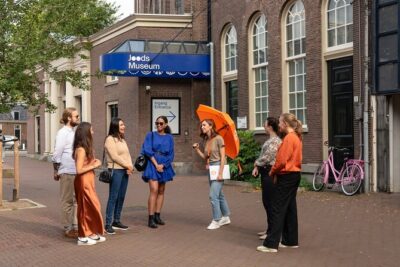
Anne Frank’s Story – Guided Walking Tour through Amsterdam
Read our review →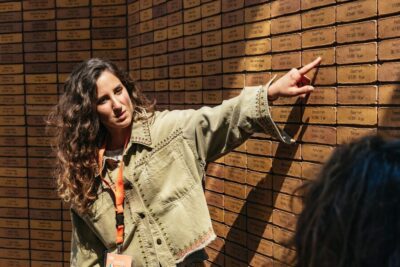
Life of Anne Frank and World War II Walking Tour
Read our review →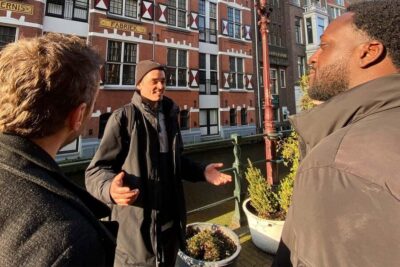
Anne Frank Walking Tour Amsterdam Including Jewish Cultural Quarter
Read our review →
Anne Frank’s Last Walk & See Anne Frank House in Virtual Reality
Read our review →
Anne Frank and Jewish Quarter Amsterdam Private Walking Tour
Read our review →
Browse the lists this tour appears in