
REVIEW · MUSEUMS
Amsterdam: Architecture Museum Het Schip Entry Ticket & Tour
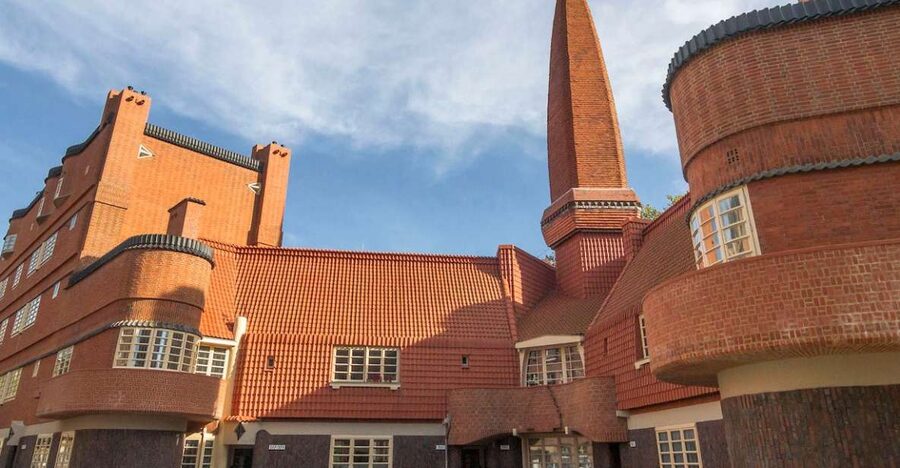
See Amsterdam’s strangest brickwork up close. Het Schip is a striking building complex in the Spaarndammerbuurt, where architect Michel de Klerk gave practical housing an expressive, almost sculptural form. I like the focused guided tour and the chance to visit the permanent Constructed Ideals exhibition, rather than simply walking past the building.
I also like the quieter setting, away from Amsterdam’s busiest sightseeing streets. The main consideration is that this is a specialist architecture and social-history experience, so it may feel less immediately entertaining if you prefer major museums packed with famous paintings. At $19 per person, the price is fair if you value context and design.
In This Review
- Key points to know before visiting Het Schip
- Arriving in the Spaarndammerbuurt
- Why Het Schip looks like a ship
- Inside the Constructed Ideals exhibition
- Learning about the Amsterdam School movement
- Temporary exhibitions and the story of the complex
- How much value do you get for $19?
- Who will enjoy this museum most?
- Practical details for planning your visit
- A balanced look at the experience
- Should you book the Het Schip tour?
- FAQ
- Where is Het Schip located?
- What does the $19 price include?
- Is the tour available in English?
- Where do I meet the guide?
- What is the Constructed Ideals exhibition?
- Can I see temporary exhibitions?
- Who was Michel de Klerk?
- Why is the building called Het Schip?
- Is Het Schip wheelchair accessible?
- What should I bring?
- Can I cancel my booking?
- Do I have to pay when I reserve?
Key points to know before visiting Het Schip

- Michel de Klerk’s unusual building: The complex is named Het Schip, meaning The Ship, because of its distinctive shape.
- Amsterdam School focus: The tour explains an architectural movement tied to social ideals, housing, and design.
- Guided access included: Your entry ticket includes a live guide in Dutch or English.
- Constructed Ideals exhibition: This permanent display provides the main framework for understanding the building and its creators.
- Temporary exhibitions add variety: What you see beyond the permanent display can change over time.
- Good for curious museumgoers: The experience suits visitors who enjoy architecture, urban history, and less crowded parts of Amsterdam.
Arriving in the Spaarndammerbuurt
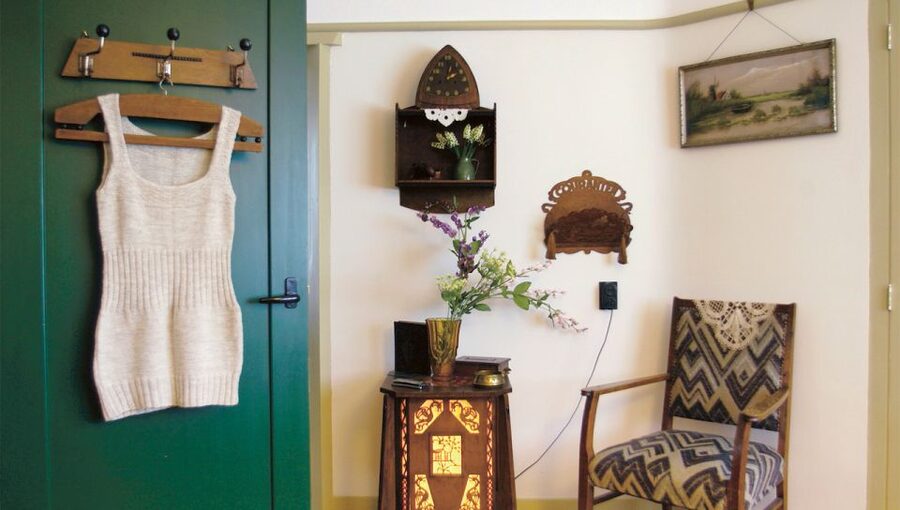
Het Schip sits in Amsterdam’s Spaarndammerbuurt neighborhood, a useful change of pace from the city center. You meet your guide at the museum ticket counter, so there is no need to search for a separate meeting point or wait beside a canal.
The neighborhood matters because Het Schip makes more sense in its original setting. You are not looking at an isolated museum object. You are visiting a building complex that was designed as part of a wider idea about urban housing and community life.
I recommend allowing enough time to reach the museum without rushing. The supplied information does not specify the tour’s exact length or group size, so check the available starting time when booking. Since the activity is valid for one day, you can plan it around the rest of your Amsterdam schedule, but you should still arrive ready for the appointed start.
Comfortable shoes are a sensible choice. The visit involves walking through the museum and around the exhibitions, and a good pair of shoes will make the experience easier.
More Attraction Tickets in Amsterdam
- Amsterdam: Van Gogh Museum Ticket
★ 4.7 · 52,054 reviews - Amsterdam: Heineken Experience Ticket
★ 4.6 · 30,055 reviews - Amsterdam: Rijksmuseum Entry Ticket
★ 4.7 · 25,535 reviews
Why Het Schip looks like a ship
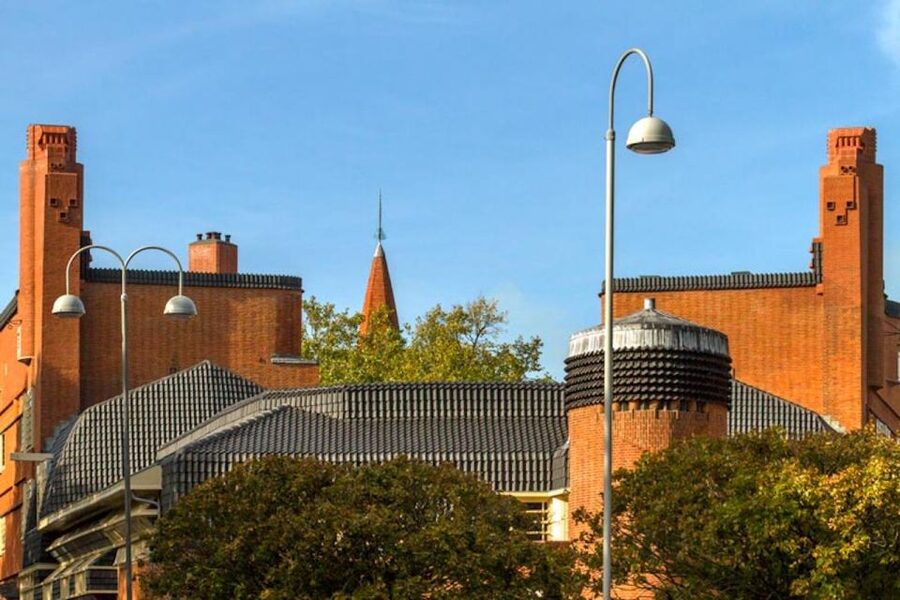
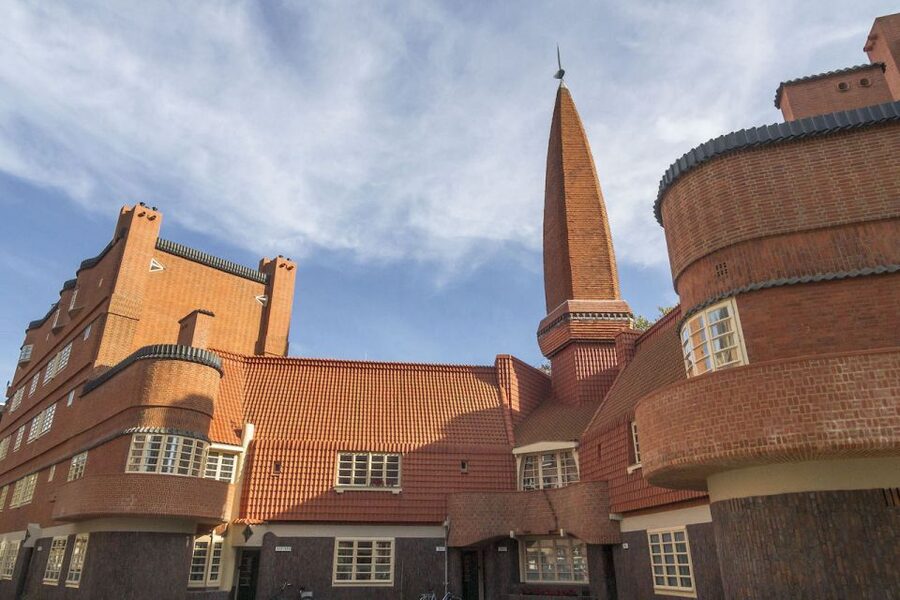
Your first lesson begins before you enter. The building’s shape is the reason for its name, and the exterior is the quickest way to understand why Amsterdam School architecture attracts so much attention.
Michel de Klerk did not treat housing as a plain box. The design uses an expressive form that gives the complex a strong visual identity. From the outside, you can expect unusual lines and details that make the building feel more like a piece of sculpture than an ordinary residential block.
That is the appeal, but it also creates a useful warning. If you arrive expecting a conventional museum façade, you may need a moment to understand what you are seeing. Het Schip rewards a slow look. Notice the overall shape first, then let the guided explanation connect the design to its purpose.
The guide helps turn visual curiosity into a clearer picture of the Amsterdam School. Without that explanation, you could admire the brickwork and still miss the social ideas behind it.
Inside the Constructed Ideals exhibition

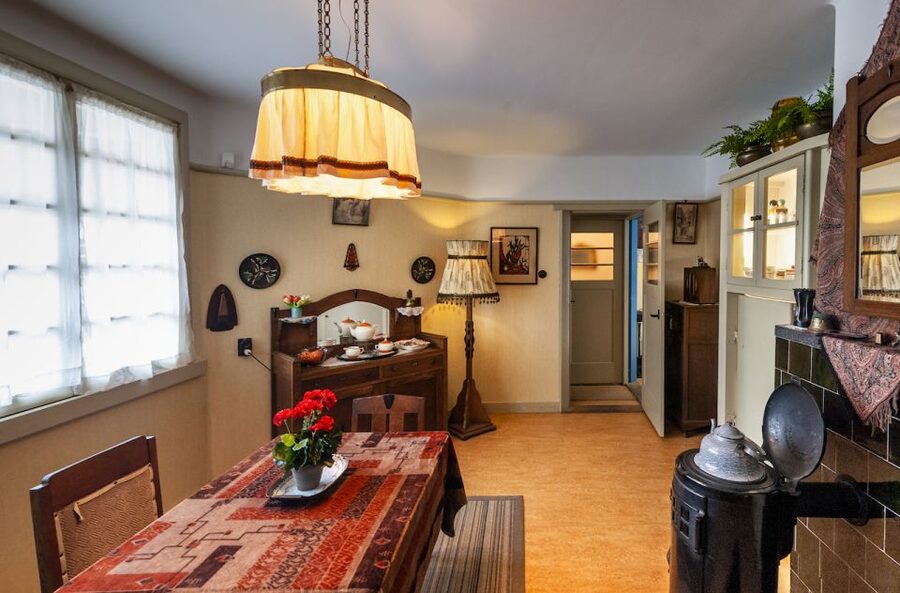
The permanent Constructed Ideals exhibition is the central part of the visit. Here, your guide explains the Amsterdam School movement and the ideals that shaped its architecture.
The name of the exhibition gives you a clue to its focus. This is not only a story about decorative façades or one famous architect. It looks at how architectural design was tied to ideas about society, housing, and the way people should live.
I find that approach especially useful because it gives the building a human purpose. The museum is not asking you to admire style for style’s sake. You are encouraged to consider why a building was designed this way, who it served, and how architecture can express a social vision.
The tour is guided, so you can ask questions as you go. The strongest praise in the available feedback centers on clear, interesting explanations. Evy from Belgium described the guide’s explanation as clear and interesting, while a United Kingdom visitor gave the experience top marks for the building and tour.
Those comments point to the main strength here: the information is intended to make the architecture easier to read. You do not have to arrive with a background in architectural history. Still, the more curious you are about design and city planning, the more you will get from the visit.
Learning about the Amsterdam School movement
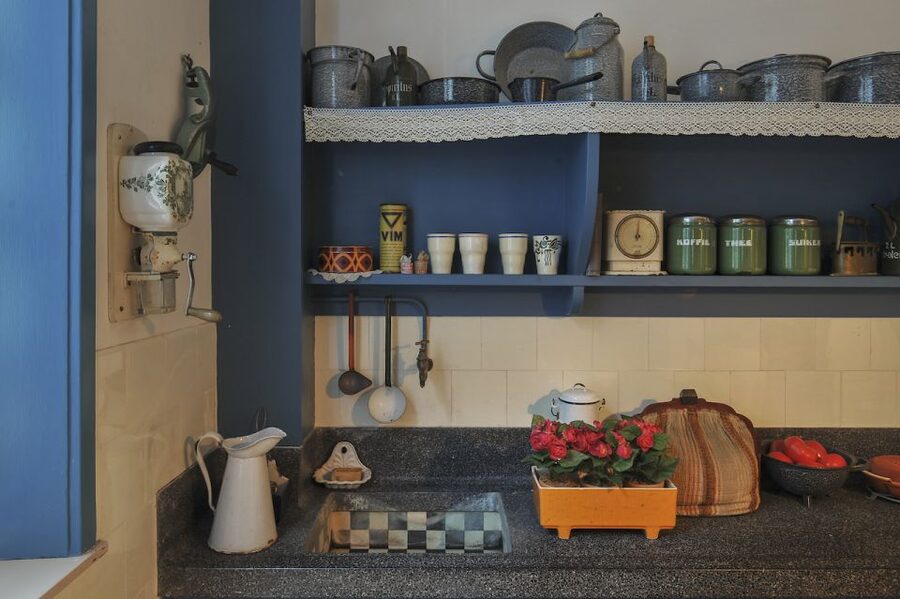
The Amsterdam School is presented as more than a visual style. Your guide discusses the movement’s social ideals, giving you a way to connect artistic choices with the wider role of housing and urban design.
That connection is what separates this visit from a quick photo stop. You can admire an unusual building anywhere, but a guided museum tour explains the thinking behind its shape and decoration. The result is a more useful understanding of Amsterdam’s architectural past.
The exact details covered can vary with the guide and the exhibitions on display. Dutch and English tours are available, and the live format gives the visit a more personal feel than reading a short sign outside.
One guide named in the feedback is Imke. Nele from Belgium described Imke as pleasant, professional, and able to use humor while explaining the subject. That combination is worth noting. Architecture tours can become dry if every detail is delivered in a stiff lecture, so a guide who leaves room for humor may help the ideas stick.
Do not expect a broad tour of all Amsterdam architecture. The focus is firmly on Het Schip, Michel de Klerk, the Amsterdam School, and the building’s social purpose. That narrow focus is a benefit if you want depth on one subject, but less useful if you are searching for a general city architecture overview.
More Museums in Amsterdam
- Moco Museum Amsterdam Entrance Tickets with Banksy & More
★ 4.4 · 10,088 reviews - Amsterdam: The Upside Down Museum Entrance Ticket
★ 4.4 · 9,506 reviews - Amsterdam: Red Light Secrets Museum Entry Ticket
★ 4.2 · 5,722 reviews - Amsterdam’s Weirdest Museum: Believe It or Not!
★ 4.5 · 4,086 reviews
Temporary exhibitions and the story of the complex
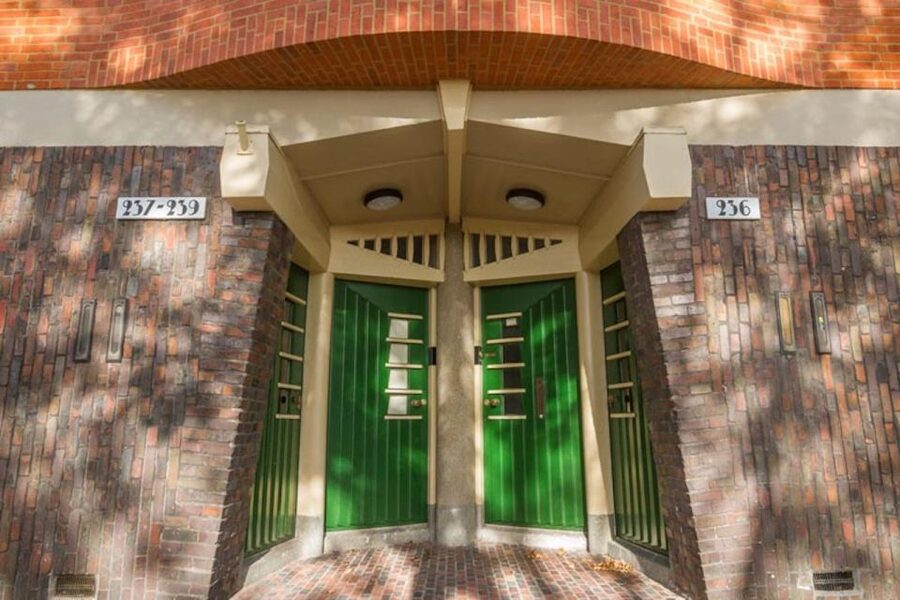
Alongside Constructed Ideals, you visit temporary exhibitions and learn more about the building complex. Because these displays can change, the exact content will depend on your visit date.
This part gives the museum some flexibility. The permanent exhibition provides a stable foundation, while temporary displays can offer another angle on architecture, design, or the story of Het Schip. If you have visited before, the changing material may give you a reason to return.
You should keep your expectations measured. The supplied details do not identify the current temporary exhibition, so I would not book this visit for one specific display unless you confirm its subject in advance.
The permanent and temporary sections work best together. The permanent display explains the ideals, and the additional exhibitions can help place the building complex in a broader context. You are likely to leave with more than an image of a strange façade. You get a clearer sense of how the complex fits into the history of Amsterdam School architecture.
How much value do you get for $19?
The $19 admission includes both the museum entry and the guided tour. That makes the price easier to justify than a simple building admission, since the guide is a central part of the experience.
I would consider this good value for someone who already plans to visit the Spaarndammerbuurt or who enjoys architecture, museums, and urban history. The guided explanation helps you see details that might otherwise pass unnoticed, and the permanent exhibition gives the visit substance beyond the exterior.
The value is less obvious if you want a fast, highly visual attraction with little explanation. Het Schip is not presented as a short photo opportunity. You pay for interpretation, context, and access to the exhibitions.
There is no food or drink included, but that is not a serious drawback for this type of outing. The important question is whether you want to spend part of your Amsterdam day on a specialized museum visit. At this price, you are buying a focused cultural experience rather than a full-day attraction with meals or several major sights.
Who will enjoy this museum most?
I would recommend Het Schip to you if you enjoy:
- Architecture and design
- Amsterdam’s social and urban history
- Guided museum visits
- Smaller cultural attractions away from the main sightseeing routes
- Seeing how buildings reflect political or social ideas
It is also a good choice if you have already visited Amsterdam’s best-known museums and want a different subject. The quieter setting can provide a welcome break from the city’s most crowded attractions.
Families may find the unusual building shape appealing, especially if children enjoy imaginative structures. Still, the main content concerns architecture and social ideals, so younger children may not find every explanation engaging.
You do not need specialist training in architecture. The guide’s role is to explain the movement and the building in accessible terms. Based on the positive comments about clear and professional explanations, I would expect the guided format to help first-time architecture visitors follow the story.
Practical details for planning your visit
The activity offers live guiding in Dutch and English. Confirm your preferred language and starting time when you check availability, since the exact schedule is not fixed in the information provided.
You meet at the museum ticket counter. This is simple, but give yourself time to locate the museum in the Spaarndammerbuurt rather than assuming it is beside Amsterdam’s main central sights.
The museum is wheelchair accessible. Comfortable shoes are recommended, and they are a sensible choice even if you do not expect a long walk. The visit takes place through the building and exhibitions, rather than from one outdoor viewing point.
You can cancel up to 24 hours before the activity for a full refund. The reserve-now-and-pay-later option also lets you hold a place without paying immediately, which can be handy while arranging a busy Amsterdam itinerary.
The experience is listed as valid for one day, but that does not tell you the exact duration of the guided tour. Check the available start time and allow room before and after it, especially if you are connecting it with another timed activity.
A balanced look at the experience

The strongest feature is the combination of an exceptional building and a guide who explains why it matters. The positive feedback highlights clear explanations, an excellent tour around the building, and Imke’s friendly use of humor and professionalism.
The main limitation is its specialized subject. Het Schip will not replace Amsterdam’s major art museums, and it may not suit you if you want a broad sightseeing tour or a quick attraction near the central canals.
There is also a small uncertainty around the changing exhibitions and tour schedule. Since the temporary displays and exact starting times are not specified, check those details before you commit to a particular day.
Still, the experience has a clear identity. You come for one remarkable building, then learn about the movement and social thinking behind it. That is a satisfying format for a museum visit: focused, manageable, and different from Amsterdam’s usual highlights.
Should you book the Het Schip tour?
Book it if you want to understand Amsterdam School architecture rather than simply photograph it. The $19 price includes entry and a live Dutch or English guide, and the available feedback gives particular credit to clear, engaging explanations and the quality of the building itself.
Skip it if your schedule is packed with major museums or if architecture does not interest you. But if you have time for a quieter neighborhood visit and want a less predictable side of Amsterdam, Het Schip is a smart choice. Go with comfortable shoes, arrive at the ticket counter, and give the building time to reveal what makes it special.
FAQ
Where is Het Schip located?
Het Schip is in the Spaarndammerbuurt neighborhood of Amsterdam, in North Holland, Netherlands.
What does the $19 price include?
The price includes the museum entry ticket and a guided tour.
Is the tour available in English?
Yes. Live tours are available in English and Dutch.
Where do I meet the guide?
Meet the guide at the ticket counter inside the museum.
What is the Constructed Ideals exhibition?
Constructed Ideals is the permanent exhibition about the Amsterdam School of architecture and the ideas connected with the movement.
Can I see temporary exhibitions?
Yes. The visit includes access to temporary exhibitions, although the specific displays can vary.
Who was Michel de Klerk?
Michel de Klerk was the architect whose work is central to the Het Schip experience.
Why is the building called Het Schip?
The building is named Het Schip, meaning The Ship, because of its distinctive shape.
Is Het Schip wheelchair accessible?
Yes. The activity information states that the museum is wheelchair accessible.
What should I bring?
Comfortable shoes are recommended. Food and drink are not included.
Can I cancel my booking?
Yes. You can cancel up to 24 hours in advance for a full refund.
Do I have to pay when I reserve?
No. The reserve-now-and-pay-later option allows you to book without paying immediately.
More Museums
- Amsterdam: Van Gogh Museum Ticket and City Canal Cruise
★ 4.6 · 3,899 reviews - Amsterdam: Rembrandt House Museum Entrance Ticket
★ 4.7 · 3,385 reviews - Amsterdam: Van Gogh Museum Ticket & Canal Cruise
★ 4.5 · 3,304 reviews - Amsterdam: NEMO Science Museum Ticket
★ 4.4 · 2,979 reviews
Just added around Amsterdam
- Amsterdam City Center Guided Walking Tour – 12 guests 2,5h★ 5.0 · 3 reviews
- Amsterdam Light Festival Boat Cruise★ 5.0 · 3 reviews
- Daytrip Tour from Amsterdam to Zaanse Schans and Giethoorn★ 5.0 · 3 reviews
- Amsterdam: Roller Dreams & Amsterdam Nightlife Experience★ 3.7 · 3 reviews
- Amsterdam: Van Gogh Museum Entrance and Guided Tour★ 3.5 · 3 reviews
- Amsterdam: Red light tour in German/English for groups of 4 people or more★ 5.0 · 3 reviews
- 2 Hour Making Rembrandt’s Traditional Oil Paints in Amsterdam★ 5.0 · 3 reviews
- Amsterdam Red Light District and Old Town Walking Tour★ 5.0 · 3 reviews
Museums, compared.

Moco Museum Amsterdam Entrance Tickets with Banksy & More
Read our review →


Amsterdam’s Weirdest Museum: Believe It or Not!
Read our review →

Browse the lists this tour appears in