
REVIEW · MUSEUMS
Amsterdam: Canal House Museum ‘Willet-Holthuysen’ Ticket
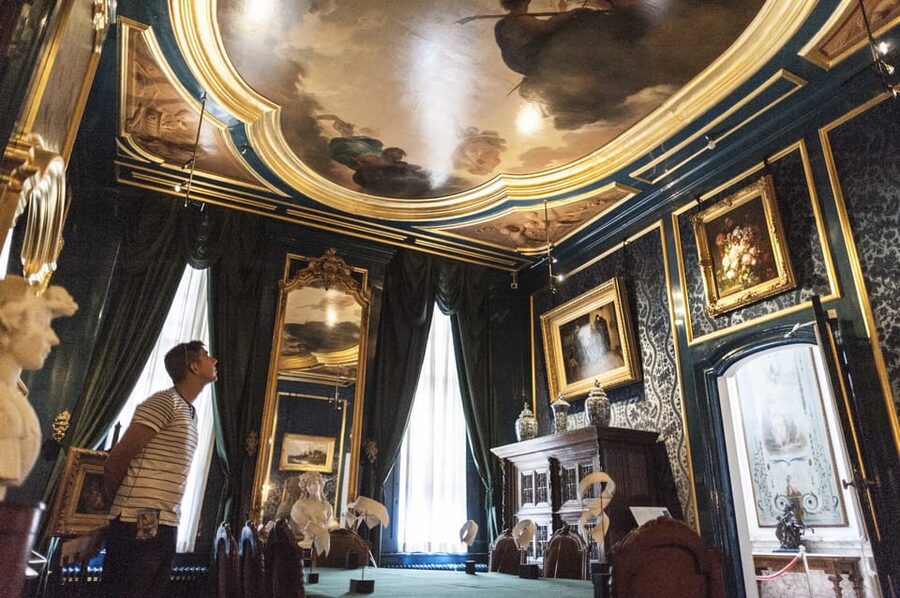
Old Amsterdam opens indoors. Museum Willet-Holthuysen lets you walk through a grand 17th-century double canal house and see how Abraham and Louisa Willet lived in the 19th century. I love the beautifully furnished rooms and the way the audio guide lets you set your own pace. I also like the garden, a quiet French-style retreat behind the busy canal.
The main drawback is that a temporary art installation can sometimes play audio loudly through the house, making the included guide hard to hear. The museum is also not suitable for wheelchair users, so check that point before booking.
In This Review
- Key points to know before you go
- Entering the Willet-Holthuysen canal house
- The Louis XVI ballroom sets the tone
- Dining room and salons show private wealth
- The gallery connects art with daily life
- The garden is the quiet surprise
- The basement reveals the servants’ world
- A self-guided visit with room to choose your pace
- What the $18 ticket is really buying
- Who will enjoy this museum most
- Practical details for planning your visit
- Should you book Museum Willet-Holthuysen?
- FAQ
- Where is Museum Willet-Holthuysen located?
- How much does admission cost?
- How long is the ticket valid?
- Is an audio guide included?
- Which languages are available for the audio guide?
- What can I see inside the canal house?
- Can I visit a garden?
- Is the museum suitable for wheelchair users?
- Can I cancel my booking?
Key points to know before you go
- A real canal house interior: See the ballroom, dining room, salons, gallery, kitchen, and pantry in one preserved home.
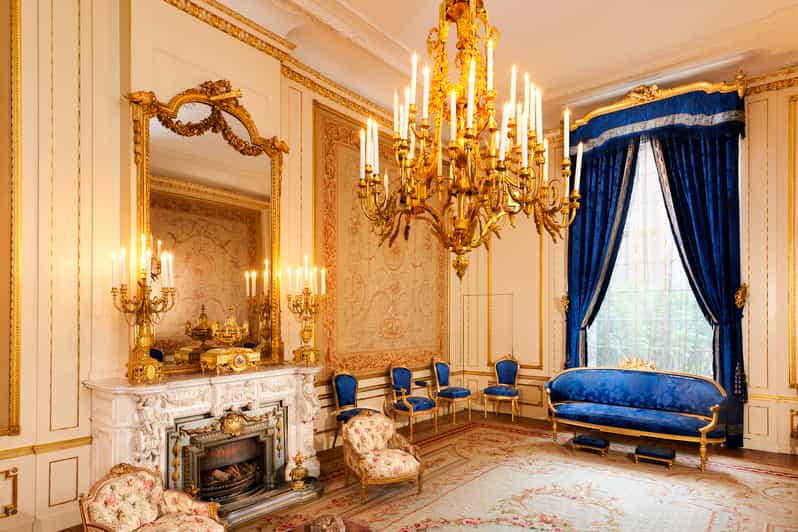
- The Louis XVI ballroom: The first-floor ballroom gives you the clearest sense of the Willets’ wealth and formal social life.
- A garden behind the canal: The 18th-century French-style garden provides a peaceful pause and shows how much value wealthy families placed on private green space.
- Art in its original setting: Abraham Willet’s collection includes paintings, furniture, silver, ceramics, sculptures, and photographs.
- Self-paced audio tour: Audio is available in Spanish, English, Dutch, French, German, Italian, and Russian.
- Good value for a short museum visit: At $18, the ticket is most worthwhile if you enjoy historic homes, decorative arts, and social history.
Entering the Willet-Holthuysen canal house
Museum Willet-Holthuysen sits at Herengracht 605, on one of Amsterdam’s grand canal streets. From outside, you see the familiar tall, narrow canal-house facade. Inside, the building explains what those elegant facades were built to contain: formal rooms, private living spaces, art, service areas, and a garden hidden behind the house.
That change from street to interior is the main reason to visit. Amsterdam’s canal houses often reveal very little from the pavement. At Willet-Holthuysen, you can move through the rooms rather than simply admire the building from a boat or sidewalk.
The house dates from the 17th century, but the museum focuses on the world of Abraham and Louisa Willet in the 19th century. In 1895, Louisa left the house to Amsterdam after her husband’s death, along with his art collection. The result is more than a collection of objects in glass cases. You see many pieces within the sort of rooms they were meant to furnish.
That setting gives the museum its character. A painting, silver service, or ornate chair makes more sense when you see it alongside the other objects in a wealthy home. You are not only asking what an object is. You are also seeing how it helped create a particular way of life.
More Attraction Tickets in Amsterdam
- Amsterdam: Van Gogh Museum Ticket
★ 4.7 · 52,054 reviews - Amsterdam: Heineken Experience Ticket
★ 4.6 · 30,055 reviews - Amsterdam: Rijksmuseum Entry Ticket
★ 4.7 · 25,535 reviews
The Louis XVI ballroom sets the tone
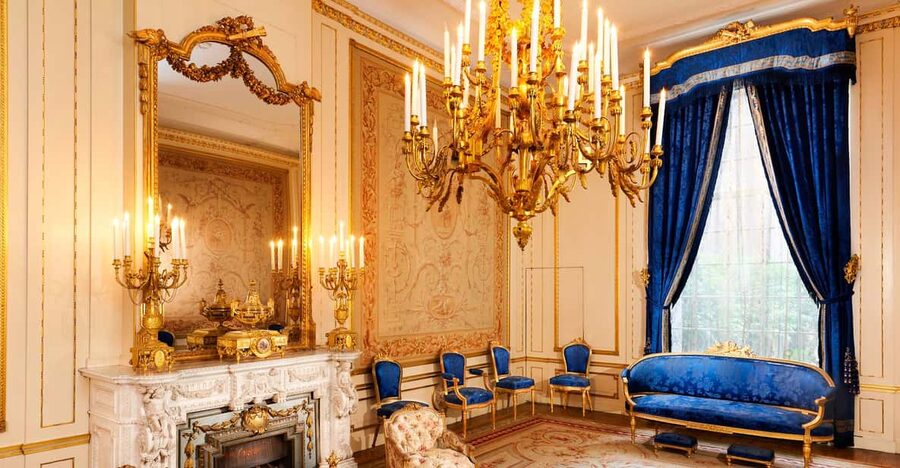
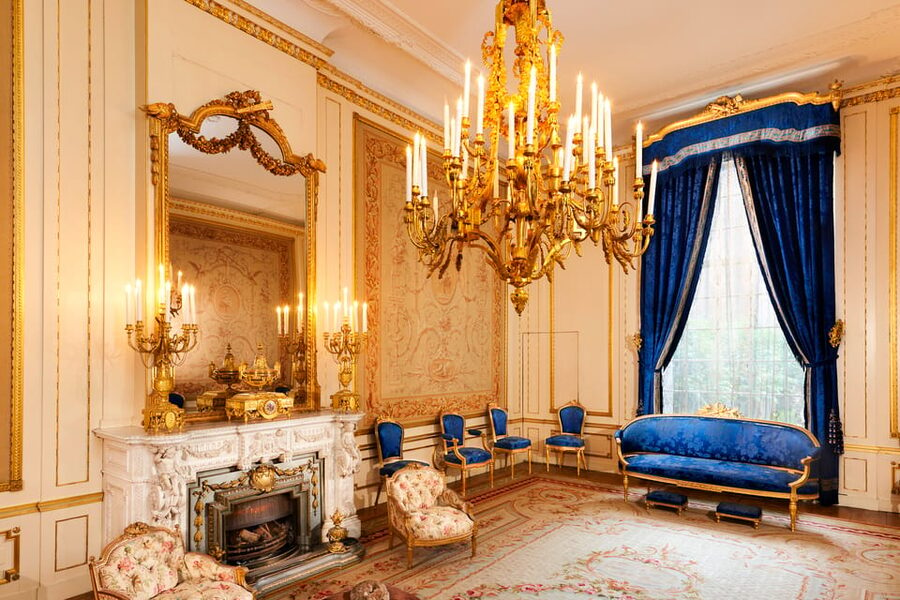
Begin on the first floor, where the Louis XVI-style ballroom makes the strongest first impression. This is the room that announces the Willets’ social position. Its decoration is formal, polished, and designed to be seen.
The ballroom is useful for understanding the difference between an ordinary Amsterdam home and a wealthy canal residence. You can picture the room being used for entertaining, with furniture and decoration arranged for ceremony rather than comfort alone.
I would take time here before moving on. Look at the balance of the furnishings and the way the room works as a complete interior. The museum is at its best when you pause to consider how the pieces relate to one another, rather than treating each chair or painting as a separate item.
The audio guide adds background without forcing you to follow a fixed group. You can stop at the points that interest you, skip material you already understand, and listen again if a detail catches your attention. That flexibility matters in a house museum, where a quick room-by-room march can make every salon blur together.
Dining room and salons show private wealth
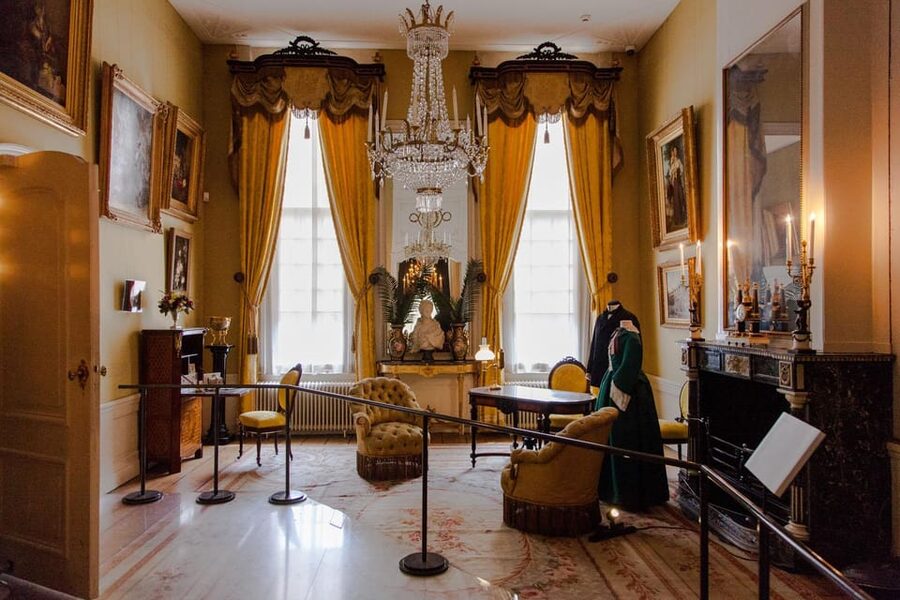
From the ballroom, continue toward the dining room and the salons used by the man and woman of the house. These rooms help you see how the home was divided by purpose and status.
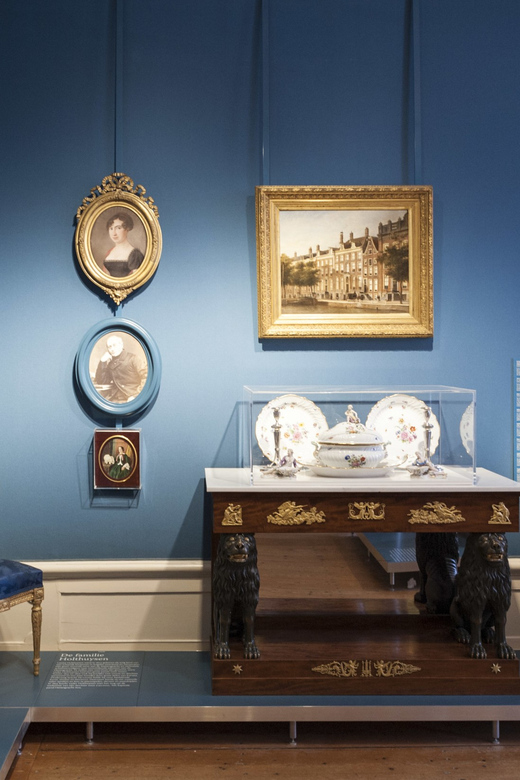
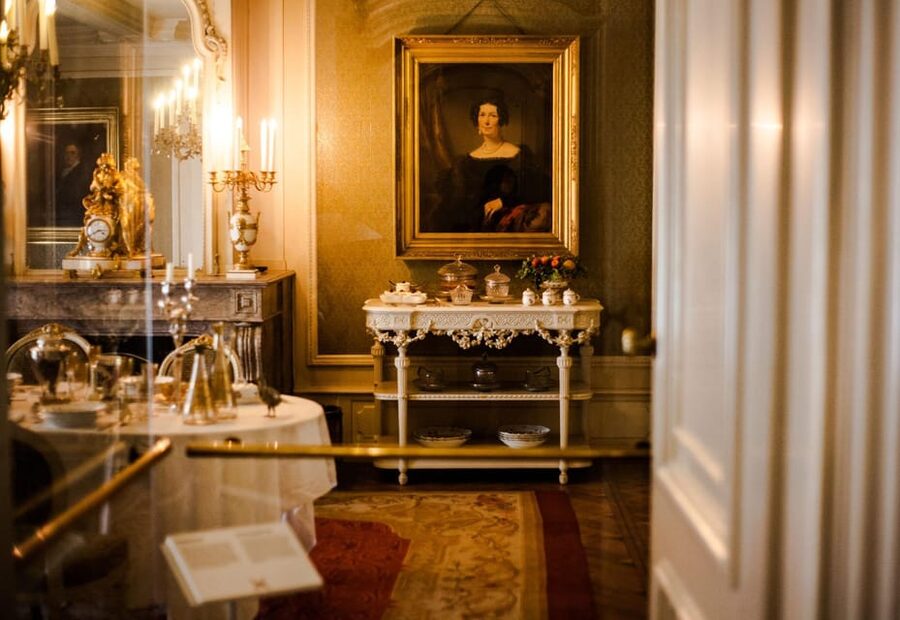
The dining room presents wealth in a practical form. Furniture, table settings, silver, and ceramics were not just decoration. They helped stage meals and formal visits. The collection includes antique furniture, silver, ceramics, sculptures, paintings, and photographs, so you get a broad look at the material world surrounding the family.
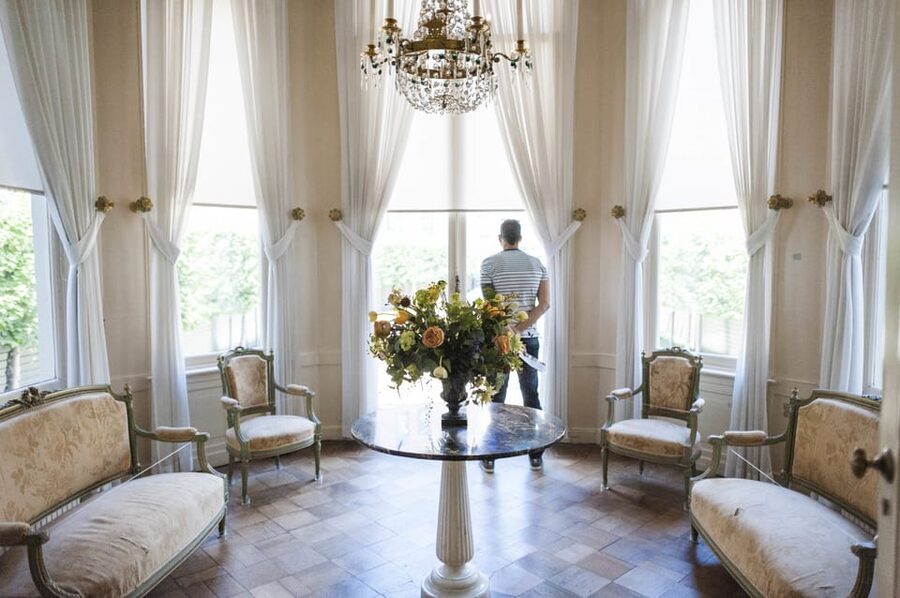
The salons feel more personal than the ballroom. They suggest separate habits and interests within the household, while still keeping the same high level of decoration. The house offers a useful reminder that wealth was displayed through many small choices, from furniture style to the objects placed around a room.
This is also where the museum’s blend of old and new can work well. Temporary exhibitions sometimes add modern displays to the historic rooms. A well-designed exhibition can give you another way to think about the house and its collection. At times, though, the added audio from a temporary installation has been loud enough to compete with the museum’s own guide. If you are visiting during a special exhibition, be prepared for a less quiet experience in some rooms.
The gallery connects art with daily life

The gallery is another important stop. Abraham Willet’s collection is central to the museum, and the gallery gives you a clearer sense of his interests as a collector.
You will see paintings among other works of art, rather than viewing them in isolation from the home. That arrangement makes the visit different from a large art museum. The point is not simply to count famous names or rush toward one masterpiece. It is to see how a collector’s taste shaped the house.
The collection includes photographs as well as older decorative pieces. That range helps connect the home to changing 19th-century habits. Paintings and sculptures communicate taste and status, while photographs offer a more direct link to people and memory.
I like this approach because it gives context to the objects. An ornate piece of furniture can be impressive on its own, but it becomes more interesting when you consider where it stood, who used it, and how it fitted into the household’s public image.
More Museums in Amsterdam
- Moco Museum Amsterdam Entrance Tickets with Banksy & More
★ 4.4 · 10,088 reviews - Amsterdam: The Upside Down Museum Entrance Ticket
★ 4.4 · 9,506 reviews - Amsterdam: Red Light Secrets Museum Entry Ticket
★ 4.2 · 5,722 reviews - Amsterdam’s Weirdest Museum: Believe It or Not!
★ 4.5 · 4,086 reviews
The garden is the quiet surprise
Walk out to the town garden for a welcome change of pace. Behind the canal-house rooms, this green space offers a calmer view of wealthy Amsterdam life.
The garden was laid out in an 18th-century French style. Its design is manicured rather than wild, with an orderly appearance that matches the formal character of the house. Historic trees and plants add age and texture, helping you understand that the garden was not an afterthought.
This is one of the best parts of the visit for anyone who enjoys gardens as much as interiors. You can see how a private outdoor space gave the family a retreat within the city. The garden also shows that the Willets’ idea of comfort included control over nature, with plants arranged to create a composed view.
I would not rush through it after seeing the rooms. The garden changes the mood of the visit. Inside, you are looking at wealth through furniture, art, and architecture. Outside, you feel its value through privacy and space.
The basement reveals the servants’ world
The basement kitchen and pantry provide an important counterpoint to the polished rooms above. These spaces help you think about the work required to maintain a wealthy household.
The family’s grand rooms depended on servants preparing food, storing supplies, and keeping the house in order. The basement areas are less ornate, but they may be among the most useful rooms for understanding daily life.
This contrast keeps the museum from becoming only a display of luxury. You see both sides of the house: the rooms designed for formal appearances and the working areas that made those appearances possible.
If you have children or young people with you, the kitchen and pantry may help make the house easier to understand. A ballroom can seem distant and ceremonial. A service area gives the story a more practical angle. It shows that the beautiful rooms above required constant labor below.
A self-guided visit with room to choose your pace
The ticket includes an audio guide, and that is a major part of the experience. You can listen in English, Spanish, Dutch, French, German, Italian, or Russian. The museum also provides information points along the self-guided route.
I prefer this format for a historic home because you can control the pace. Spend longer in the ballroom, pause in the garden, or move quickly through a room that interests you less. You are not tied to a guide’s schedule or to a group moving ahead before you are ready.
The audio guide is also useful for visitors who do not know much about Amsterdam’s canal houses. The building may look impressive without explanation, but the commentary helps connect the rooms to the family, the collection, and the servants who maintained the home.
There is one practical caution. If a temporary installation is using audio in several rooms, the sound may interfere with the museum guide. That problem does not ruin the visit, but it can make it harder to follow every detail. If quiet listening matters to you, ask at the entrance about the current exhibition setup.
The host languages are Dutch and English, while the audio guide offers the wider selection listed above. That makes the visit fairly easy to follow for international visitors.
What the $18 ticket is really buying
At $18 per person, this is not the cheapest way to fill a day in Amsterdam. It is also not a full-day activity in the sense of spending morning to evening inside the museum. The ticket is valid for one day, and the visit works best as a focused stop between other canal-area sights.
The value comes from the combination of four elements:
- A preserved canal house
- A large collection displayed within that home
- Access to the garden
- An audio guide with flexible pacing
A single art gallery might show more paintings. A larger palace might offer grander architecture. Willet-Holthuysen makes its case through intimacy. You can understand one household in a way that a broad city museum cannot offer.
The ticket becomes especially good value if you enjoy decorative arts, old houses, architecture, or social history. It is less compelling if you want only major paintings or a large, modern museum with many floors of exhibits.
The included audio guide, locker storage, and clean toilets also make the visit easier to manage. These are small comforts, but they matter when you are fitting several stops into an Amsterdam day.
Free cancellation up to 24 hours before the visit and the option to reserve now and pay later add flexibility. That is useful when your schedule depends on weather, canal cruises, or other timed activities.
Who will enjoy this museum most
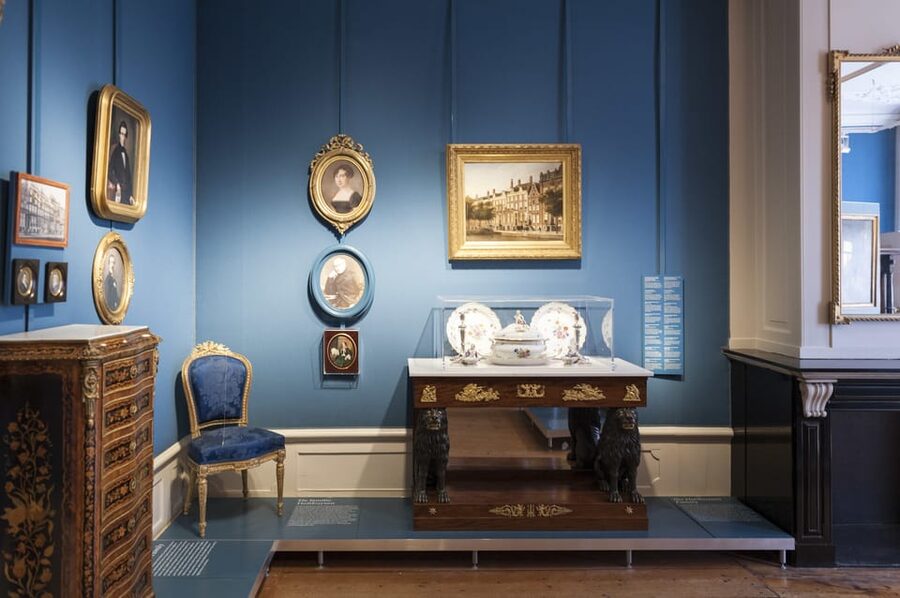
I would recommend Museum Willet-Holthuysen to you if you like seeing how people actually lived, not just reading dates on a wall. The house gives you a close look at status, taste, domestic work, and the role of art in a wealthy home.
It suits:
- First-time visitors curious about Amsterdam’s canal houses
- People who enjoy historic interiors and furniture
- Art lovers interested in collections shown in their original setting
- Garden enthusiasts
- Visitors who prefer self-guided museums
- Anyone wanting a quieter cultural stop away from Amsterdam’s busiest attractions
It may not suit you if you need step-free access, since the experience is not suitable for wheelchair users. It may also disappoint if you expect a large museum with a long list of famous paintings. This is a single historic home, and its strength is focus.
Families can make good use of the contrasting spaces. The fancy rooms explain how the family presented itself, while the basement shows the work behind that presentation. The garden gives everyone a chance to pause rather than moving through rooms without a break.
Practical details for planning your visit
The museum’s address is Herengracht 605 in North Holland, in central Amsterdam’s canal district. The activity is listed with starting times, so check availability when you plan your day.
The experience is described as valid for one day. That gives you flexibility around the exact timing, but you should still confirm the available start time before booking.
No meals or drinks are included. Plan to eat before or after the museum, rather than expecting refreshments as part of the ticket.
Smoking is not allowed. Accessibility is the main point to check carefully: the activity is not suitable for wheelchair users.
The overall rating is 4.3 out of 5 from 194 ratings. That fits the experience well. The strongest points are the beautiful house, the authentic furnishings, the garden, and the freedom to use the audio guide at your own speed. The main complaints concern temporary exhibition sound and the occasional distraction it creates from the main house tour.
Should you book Museum Willet-Holthuysen?
Book it if you want an intimate look at Amsterdam’s upper-class canal life, with original-style rooms, a broad art collection, and a garden tucked behind the house. At $18, I consider it a fair price for a carefully focused museum visit, especially since the audio guide is included.
I would place it high on your list if the phrase how people lived interests you more than a checklist of famous artworks. Give the ballroom time, listen selectively, visit the basement, and save a few quiet minutes for the garden.
Skip it if you need wheelchair access or if your main goal is a large art museum. Otherwise, Museum Willet-Holthuysen is a smart Amsterdam stop that turns one elegant canal house into a clear lesson in wealth, taste, and domestic work.
FAQ
Where is Museum Willet-Holthuysen located?
The museum is at Herengracht 605 in Amsterdam, North Holland, Netherlands.
How much does admission cost?
The listed price is $18 per person.
How long is the ticket valid?
The ticket is valid for one day.
Is an audio guide included?
Yes. An audio guide is included with the entrance ticket.
Which languages are available for the audio guide?
The audio guide is available in Spanish, English, Dutch, French, German, Italian, and Russian.
What can I see inside the canal house?
You can see the Louis XVI-style ballroom, dining room, salons, gallery, kitchen, pantry, art collection, antique furniture, silver, ceramics, sculptures, paintings, and photographs.
Can I visit a garden?
Yes. The museum has a manicured town garden laid out in an 18th-century French style, with historic trees and plants.
Is the museum suitable for wheelchair users?
No. The activity is listed as not suitable for wheelchair users.
Can I cancel my booking?
Yes. You can cancel up to 24 hours in advance for a full refund. You can also reserve now and pay later.
More Museums
- Amsterdam: Van Gogh Museum Ticket and City Canal Cruise
★ 4.6 · 3,899 reviews - Amsterdam: Rembrandt House Museum Entrance Ticket
★ 4.7 · 3,385 reviews - Amsterdam: Van Gogh Museum Ticket & Canal Cruise
★ 4.5 · 3,304 reviews - Amsterdam: NEMO Science Museum Ticket
★ 4.4 · 2,979 reviews
Just added around Amsterdam
- Amsterdam 1-Hour Rickshaw Tour★ 4.9 · 17 reviews
- Amsterdam: Canal Cruise and Jewish Cultural Quarter Tickets★ 4.2 · 17 reviews
- Keukenhof Gardens and Tulip Experience Tour from Amsterdam★ 4.8 · 17 reviews
- Marken, Volendam and Edam: Private Full-Day Tour★ 4.6 · 18 reviews
- Discover Amsterdam’s city center in this Outside Escape game tour★ 4.5 · 18 reviews
- Amsterdam: Personal Travel & Vacation Photographer★ 4.8 · 18 reviews
- Amsterdam: Luxury Saloon Boat Cruise with 3-Course Dinner★ 3.9 · 18 reviews
- Rijksmuseum & Amsterdam City Center Semi-Private Tour 12ppl Max★ 5.0 · 18 reviews
Museums, compared.

Moco Museum Amsterdam Entrance Tickets with Banksy & More
Read our review →


Amsterdam’s Weirdest Museum: Believe It or Not!
Read our review →

Browse the lists this tour appears in