
REVIEW · WWII & JEWISH HISTORY TOURS
Amsterdam: Jewish Quarter and History Guided Tour
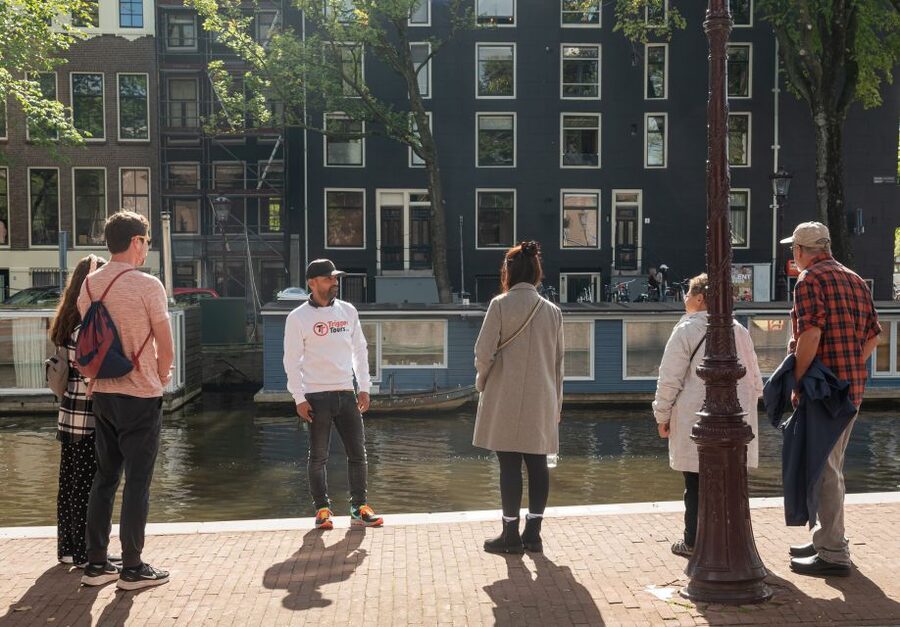
History here is written into the streets. This two-hour walk through Amsterdam’s Jewish Quarter links Jewish life before and during World War II with the buildings, memorials, and riverfront corners where that story unfolded. I like the way the tour connects broad events to ordinary daily life, and I especially like that guides such as James, Aaron, Jyry, Masha, and Joshua have been praised for making a painful subject clear, personal, and respectful.
The small-group or private format gives you room to ask difficult questions, which matters on a tour dealing with persecution and loss. The main consideration is pace: one person found there was not always enough time to pause at each monument, and another felt two hours was slightly long. Also, confirm the exact finishing point, since some departures have ended at the Holocaust memorial rather than directly at the Anne Frank House.
In This Review
- Key points at a glance
- Why Amsterdam’s Jewish Quarter deserves a guided walk
- Starting beside the Amstel River
- Portuguese Synagogue and Jewish life before the war
- The Jewish Historical Museum and the Jewish Council
- Dokwerker and the meaning of public memorials
- The Auschwitz Monument and the weight of remembrance
- Life under Nazi occupation, beyond the monuments
- Finishing near Anne Frank’s story
- How the two-hour format works for you
- Is $23 a fair price?
- Who should book this Amsterdam walk?
- FAQ
- How long is the Jewish Quarter walking tour?
- What languages are available?
- Is the tour private or shared?
- Does the tour enter the Anne Frank House?
- What landmarks are included?
- Are food and drinks included?
- Should you book it?
Key points at a glance
- A street-level view of occupation: Learn how Nazi rule affected Jewish residents of Amsterdam from 1940 to 1945, not just the military and political story.
- Major Jewish landmarks: Pass the Portuguese Synagogue, Jewish Historical Museum, Jewish Council headquarters, Dokwerker, and Auschwitz Monument.
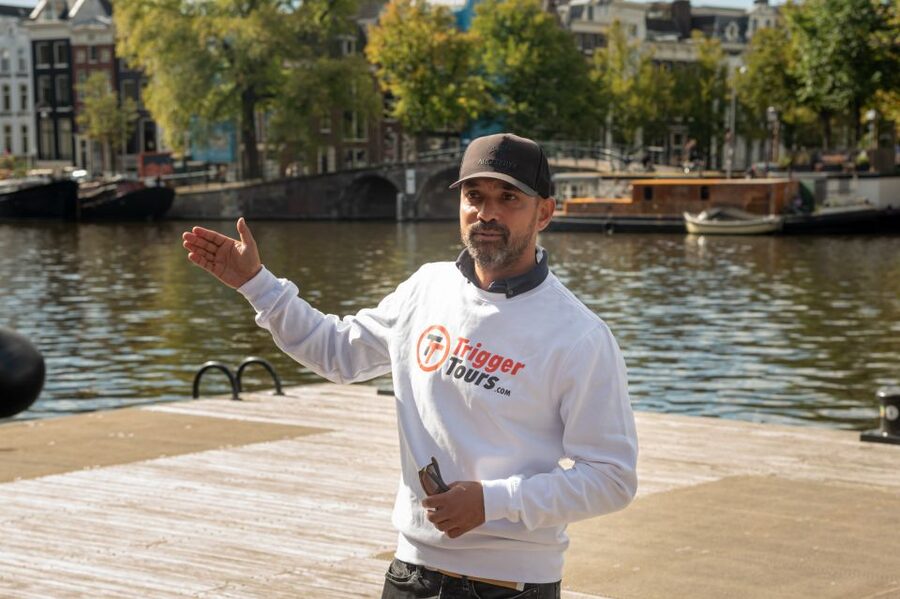
- A strong guide-led experience: James receives repeated praise for clarity and sensitivity, while Aaron, Jyry, Masha, Joshua, and other guides have also been singled out for their warmth and command of the subject.
- A serious but approachable walk: The tone is factual and respectful, with space for personal questions and, on private tours, more individual conversation.
- A useful Anne Frank connection: The walk finishes in the area of the Anne Frank House and explains Otto Frank’s role in publishing the diary, but you do not enter the house.
- Good value at $23: For two hours with a live English- or Spanish-speaking guide, the price is modest, especially if you want context that plaques and map apps cannot provide.
Why Amsterdam’s Jewish Quarter deserves a guided walk
Amsterdam’s Jewish Quarter is not a single preserved district that you simply stroll through and understand at a glance. It is a city area where religious buildings, museums, memorials, ordinary façades, and public spaces carry different layers of meaning.
That is why a guide adds real value. Without explanation, a building can look like just another Amsterdam façade. With the right context, it becomes part of a story about Jewish settlement, religious life, wartime restrictions, deportation, resistance, survival, and remembrance.
I would not choose this tour as a light introduction to Amsterdam. The subject is serious from the beginning. But if you want to understand how the Nazi occupation changed daily life in the capital, this walk gives you a focused and human way into that history.
The tour looks at the period from 1940 to 1945, with special attention to Jewish residents. You hear not only about Nazi actions, but also about the behavior of Dutch society, the role of local institutions, and the choices people faced under occupation. That wider frame helps prevent the story from becoming a simple list of dates and atrocities.
More Historical Tours in Amsterdam
- Amsterdam Food and Cultural Tour with Tastings
★ 5.0 · 2,442 reviews - Amsterdam: Haunted History and Ghost Walking Tour
★ 4.5 · 488 reviews - Amsterdam High-End Dutch Food & History Tour – Up to 8 guests
★ 5.0 · 482 reviews
Starting beside the Amstel River
The walk begins by the Amstel River, though the precise meeting place depends on the option you book. This is worth checking carefully before setting out, especially if you choose a private departure or a particular language.
Starting near the river makes historical sense. Amsterdam’s waterways, streets, and central districts shaped how people lived and moved through the city. Your guide begins by setting out the basic timeline of Nazi occupation and explaining how life in the capital changed after 1940.
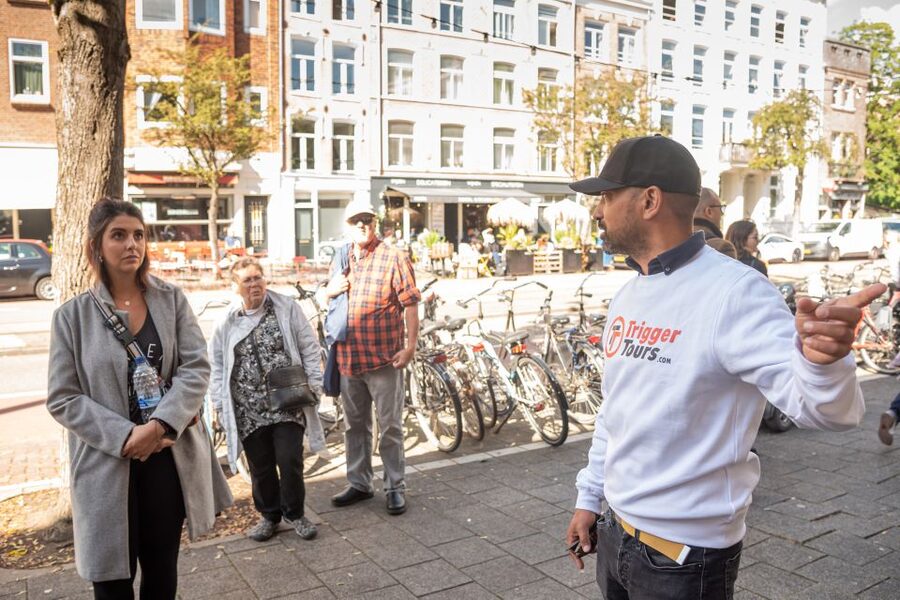
Expect a talk-and-walk format rather than a stop at one major attraction followed by long stretches of sightseeing. You move through several locations, pausing for stories and explanation. Comfortable shoes are sensible, and you should allow enough attention for a serious subject rather than treating the two hours as casual city entertainment.
Portuguese Synagogue and Jewish life before the war
The Portuguese Synagogue is one of the key landmarks along the route. Its presence helps establish that Amsterdam’s Jewish story did not begin with World War II. Jewish communities had religious, cultural, and economic lives in the city long before the occupation.
This part of the walk is important because it gives the wartime story a human foundation. You are not only learning about a population that suffered persecution. You are learning about people with homes, institutions, work, faith, family ties, and a place in Amsterdam’s civic life.
The synagogue also gives the tour a needed sense of continuity. The history includes catastrophe, but it is not only a catastrophe story. A good guide can show you what existed before the war, what the occupation tried to destroy, and what has survived in memory and public life.
The tour does not include food, drinks, or entry to the synagogue as part of the stated package. You should think of this as an exterior and neighborhood-based experience unless your booked option says otherwise.
The Jewish Historical Museum and the Jewish Council
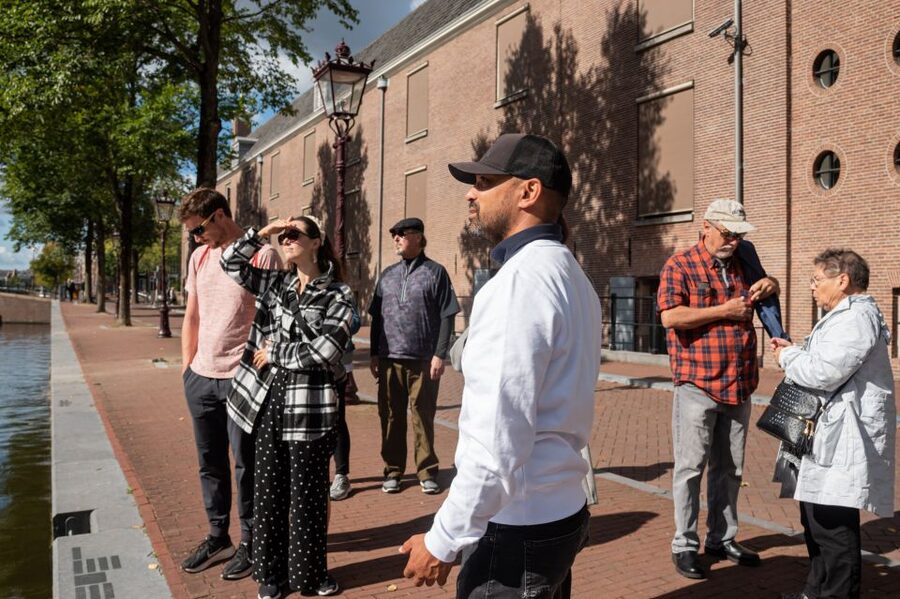
As you continue, the Jewish Historical Museum becomes another important reference point. The museum is part of Amsterdam’s wider effort to preserve and explain Jewish life, and its place in the walk helps connect the street outside with the institutions and personal stories held indoors.
The route also passes the former headquarters of the Jewish Council. This is one of the more difficult stops because it raises questions about administration, coercion, and the terrible pressures placed on Jewish leaders during the occupation.
Here, the quality of the guide matters greatly. James has been praised for presenting the subject in a sensitive, impartial way, while Aaron has been described as patient and willing to answer personal questions. That is exactly what you need at a location where easy judgments can flatten a complicated and painful reality.
You can ask questions during the walk, and the small-group setup makes that easier than on a large coach tour. One couple particularly enjoyed having only two people on their departure, since they could discuss the subject in detail. A private tour gives you even more control over the conversation, though a shared group can add useful perspectives from people with different backgrounds.
More WWII and Jewish history tours:
- Amsterdam: Life of Anne Frank and World War II Walking Tour
★ 4.8 · 10,467 reviews - Anne Frank Walking Tour Amsterdam Including Jewish Cultural Quarter
★ 5.0 · 1,879 reviews - Amsterdam: Dutch WWII Resistance Museum Entry Ticket
★ 4.7 · 951 reviews - Anne Frank and Jewish Quarter Amsterdam Private Walking Tour
★ 5.0 · 684 reviews
Dokwerker and the meaning of public memorials
The Dokwerker is one of the tour’s most recognizable memorial stops. Your guide explains what the statue represents and places it within the story of Amsterdam’s Jewish community and wartime experience.
This is where the walk shifts from historical buildings to public memory. A monument is not simply something to photograph. Its location, design, and meaning tell you how later generations chose to remember what happened.
The best advice here is to slow yourself down. One person felt the tour moved on quickly after explanations, leaving little time to study a monument or absorb the moment. If you want photographs or a quiet pause, tell your guide politely, or take notes and return later.
This is a practical limitation of a two-hour tour covering many major sites. The route aims to give you a broad understanding, not an extended visit at every memorial. You gain range, but occasionally sacrifice stillness.
The Auschwitz Monument and the weight of remembrance
The Auschwitz Monument is another central stop. It brings the wider machinery of Nazi persecution back to the people and streets of Amsterdam.
Your guide gives the monument meaning rather than leaving you with a name and a date. The discussion places the memorial within the experience of Jewish residents during the occupation and the long aftermath of the war.
This can be an emotional section of the walk. The tone described by past participants is serious, factual, and respectful, with guides handling personal and sensitive questions carefully. That matters if you are visiting with family members who have a direct connection to Holocaust history, or if the subject is personally difficult.
You should not expect a cheerful sightseeing rhythm here. The value is in understanding why this place matters and how Amsterdam remembers loss. The walk asks for attention and respect, not passive listening while you rush between attractions.
Life under Nazi occupation, beyond the monuments
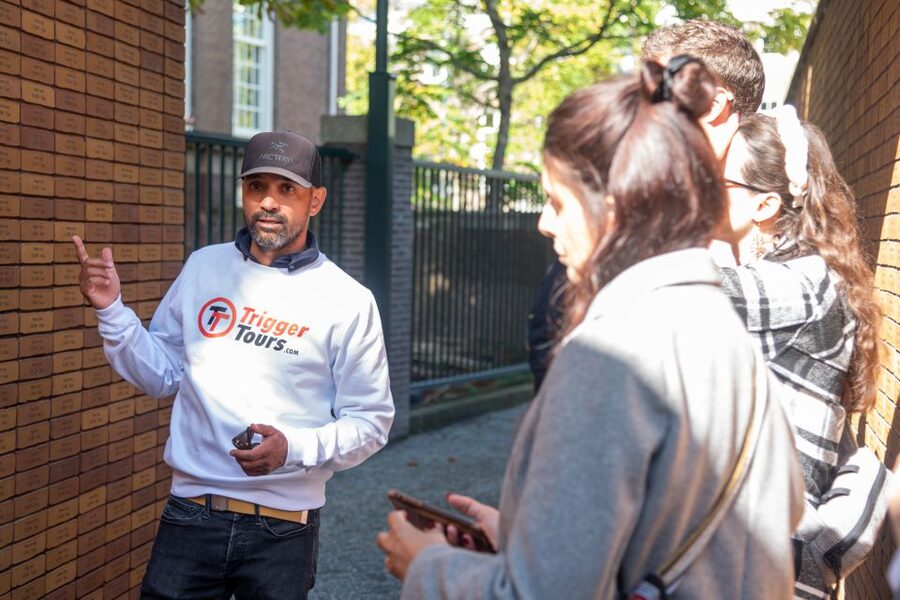
The most useful part of the tour may be the explanation of daily life. Memorials tell you what is remembered, but stories about restrictions, fear, institutions, and ordinary routines help you picture what occupation meant for people living in the city.
The guide discusses how Jewish residents were affected and how non-Jewish Dutch people behaved. That makes the tour broader than a sequence of Jewish landmarks. You are also examining social choices, public silence, individual help, and the pressures created by Nazi rule.
Several guides have been praised for bringing history to life without turning it into a performance. James is repeatedly described as clear, patient, and engaging. Jyry has been praised for his command of World War II and Dutch Jewish history, while Joshua was noted for maintaining an appropriate pace and welcoming questions.
Names matter here because the guide is the experience. The route itself is valuable, but the same streets can feel flat if the explanation is rushed or vague. The strong response to several different guides suggests that Trigger Tours has built a team able to handle the subject with care, though your exact experience will depend on who leads your departure.
Finishing near Anne Frank’s story
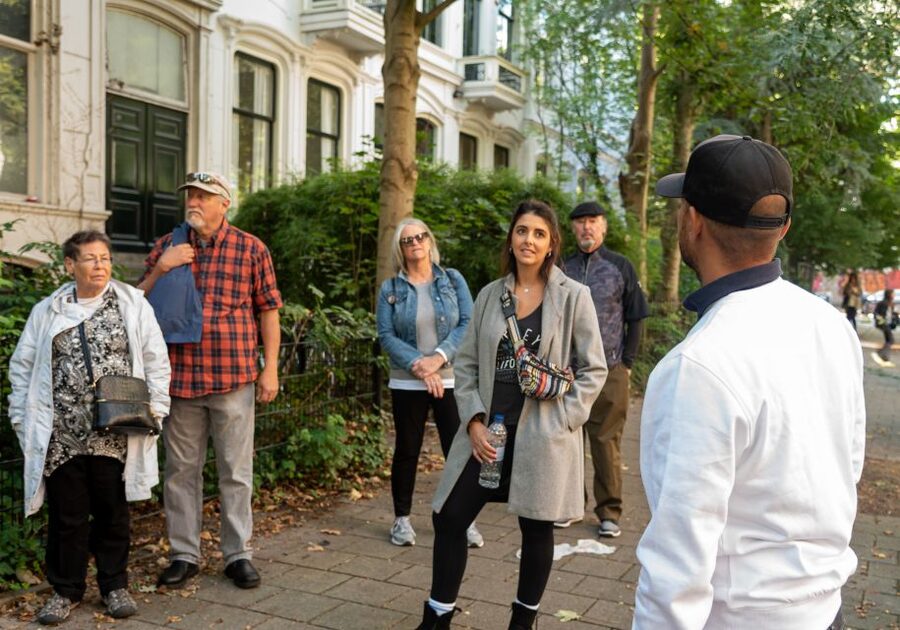
The walk finishes in front of, or in the area of, the Anne Frank House. You learn about Anne Frank’s diary, Otto Frank’s role in having it published, and the way the book became known around the world.
This is a useful ending because Anne Frank’s story is familiar to many people, yet it can easily become detached from Amsterdam’s wider Jewish history. The tour places her experience within the larger story of occupation and persecution rather than treating the diary as an isolated attraction.
Be clear about what you are booking: this is a walking tour, not an Anne Frank House entry ticket. You learn about the house and finish nearby, but the supplied details do not include admission. Also check the endpoint when you reserve. One participant found the walk ended at the Holocaust memorial instead, which may reflect a route variation or an outdated endpoint description.
If you want to visit the Anne Frank House inside, plan that separately. Do not assume that finishing nearby means you can walk straight in.
How the two-hour format works for you

Two hours is enough time to cover a substantial section of the Jewish Quarter without turning the outing into an all-day commitment. It fits well into a morning or afternoon in Amsterdam, and the route can help you decide which museum or memorial deserves a return visit.
The tradeoff is density. You cover the Portuguese Synagogue, Jewish Historical Museum, Jewish Council headquarters, Dokwerker, Auschwitz Monument, and Anne Frank House area in one walk. That is a lot of history in a short period.
I would choose a private or very small group if you want to ask many questions, discuss family history, or control the pace. A shared group is likely the better value if you prefer listening and keeping the cost low. The tour is offered in English and Spanish.
Past departures have included multinational groups, which can add a useful human dimension. You may hear different personal connections to the Holocaust and to European history. The guide’s ability to adjust the discussion is especially helpful in a small group.
Is $23 a fair price?
At $23 per person, this is a good-value experience if you want interpretation rather than a self-guided walk. You are paying for two hours of live guidance through a subject that is difficult to understand from street signs alone.
The price is particularly reasonable for a shared small group. It is less simple to judge for a private departure because the final value depends on the private-tour price shown for your chosen option. Either way, the guide’s historical background and ability to answer questions are more important than adding another stop to the route.
There are no included refreshments, but that is not a serious drawback for a two-hour city walk. Bring your own water if you need it, and plan a café stop before or after. The main value is the explanation, the sequence of locations, and the care taken with the subject.
Free cancellation up to 24 hours before the start and the reserve-now, pay-later option make it easier to fit the walk into a changing Amsterdam schedule. Those policies are useful, but they should not be the reason you book. Book it because you want a guided history experience.
Who should book this Amsterdam walk?
I would recommend it to anyone interested in Jewish history, World War II, Amsterdam’s social history, or Anne Frank’s place within the larger story. It also suits first-time visitors who want to see a part of the city that is easy to pass without understanding.
It is a strong choice for:
- People who prefer history explained on location
- Families and couples who want a serious but manageable two-hour activity
- Visitors with personal or family interest in Jewish history
- Anyone planning to visit the Anne Frank House and wanting wider context first
- English- or Spanish-speaking visitors who value a live guide
- People who prefer private or small-group conversations over large tours
I would think twice if you want a relaxed sightseeing stroll with little discussion of wartime suffering. I would also choose another format if you need long, quiet periods at each memorial or want to spend most of your time inside museums.
FAQ
How long is the Jewish Quarter walking tour?
The tour lasts two hours. Starting times vary, so you need to check availability for your chosen date.
What languages are available?
Live tours are available in English and Spanish.
Is the tour private or shared?
You can choose between a private experience and a shared small-group option, depending on availability and the option you book.
Does the tour enter the Anne Frank House?
No entry is included in the tour details. The walk finishes in front of, or near, the Anne Frank House and discusses Anne Frank’s diary and Otto Frank’s role in its publication.
What landmarks are included?
The route includes or passes the Portuguese Synagogue, Jewish Historical Museum, former Jewish Council headquarters, Dokwerker, Auschwitz Monument, and the Anne Frank House area.
Are food and drinks included?
No. Food and drinks are not included.
Should you book it?
Yes, if you want Amsterdam’s Jewish Quarter explained with care and historical context. At $23, the tour offers strong value, especially for a small group, and the repeated praise for guides such as James, Aaron, Jyry, Masha, and Joshua points to a well-handled experience.
Book it early in your Amsterdam planning, not as a rushed add-on after visiting the Anne Frank House. Confirm the meeting point and finishing location, wear comfortable shoes, and allow yourself time afterward to think about what you heard. If you want a serious, human account of Jewish life and Nazi occupation in Amsterdam, this is a worthwhile two-hour walk.
More Historical Tours
- Amsterdam: Historic City Sightseeing Canal Cruise
★ 4.5 · 444 reviews - Amsterdam: Historical Highlights Walking Tour with Tasting
★ 4.6 · 381 reviews - Anne Frank and the Jewish History of Amsterdam Private Tour
★ 5.0 · 307 reviews - Amsterdam: 3-Course Meal in Historic 1st Class Waiting Rooms
★ 4.5 · 292 reviews
Just added around Amsterdam
- Amsterdam 1-Hour Rickshaw Tour★ 4.9 · 17 reviews
- Amsterdam: Canal Cruise and Jewish Cultural Quarter Tickets★ 4.2 · 17 reviews
- Keukenhof Gardens and Tulip Experience Tour from Amsterdam★ 4.8 · 17 reviews
- Marken, Volendam and Edam: Private Full-Day Tour★ 4.6 · 18 reviews
- Discover Amsterdam’s city center in this Outside Escape game tour★ 4.5 · 18 reviews
- Amsterdam: Personal Travel & Vacation Photographer★ 4.8 · 18 reviews
- Amsterdam: Luxury Saloon Boat Cruise with 3-Course Dinner★ 3.9 · 18 reviews
- Rijksmuseum & Amsterdam City Center Semi-Private Tour 12ppl Max★ 5.0 · 18 reviews
WWII & Jewish History Tours, compared.
Life of Anne Frank and World War II Walking Tour
Read our review →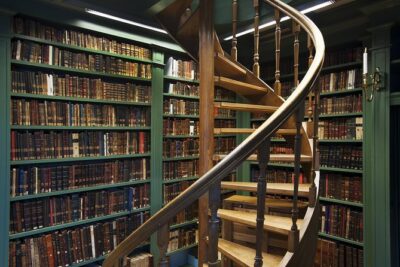
Anne Frank Walking Tour Amsterdam Including Jewish Cultural Quarter
Read our review →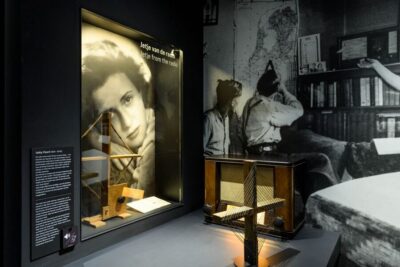
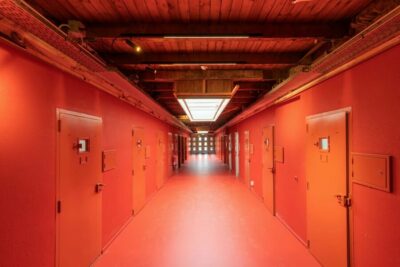
Oranjehotel World War II Prison Entrance Ticket
Read our review →
Anne Frank and Jewish Quarter Amsterdam Private Walking Tour
Read our review →

Anne Frank and Jewish Quarter Walking Tour (TOP RATED)
Read our review →
Browse the lists this tour appears in