
REVIEW · MUSEUMS
Diamond Museum Amsterdam Admission Ticket
Diamonds have a surprisingly long story. At Amsterdam’s Diamond Museum, you follow these stones from roughly 200 kilometers below the earth’s surface to royal crowns, jewelry, and polished works of art. I like the clear journey from formation to cutting, and I like the chance to watch polishers and goldsmiths at work. The museum’s location between the Rijksmuseum and Van Gogh Museum makes it an easy add-on to a Museum Square day.
The main drawback is scale. This is a small museum, and the advertised visit of one to two hours may feel short if you expect a major national collection. Some displays use replicas or glass imitations, several visitors have found the audio-visual equipment dated, and the building can feel cramped for anyone with physical limitations.
In This Review
- Key things to know before you go
- Why Amsterdam is a fitting place for a diamond museum
- Starting 200 kilometers below the earth
- The displays: crowns, artifacts, and clever imitations
- Watching the polishers and goldsmiths
- The museum’s smaller surprises
- How long the visit really takes
- Is the $72 admission good value?
- Tickets, entry, and practical planning
- Who will enjoy this museum most?
- Should you book the Diamond Museum Amsterdam?
- FAQ
- Where is the Diamond Museum Amsterdam located?
- How long does a visit take?
- What are the museum’s opening hours?
- What does the admission ticket include?
- Are food and drinks included?
- Is hotel transportation provided?
- Can I see diamonds being polished?
- Can I cancel for a full refund?
Key things to know before you go
- The museum sits at Museum Square: You can pair it with the Rijksmuseum or Van Gogh Museum without making a separate cross-town trip.
- Amsterdam’s diamond trade is central: The museum explains cutting, valuation, stone types, and the qualities that make diamonds valuable.
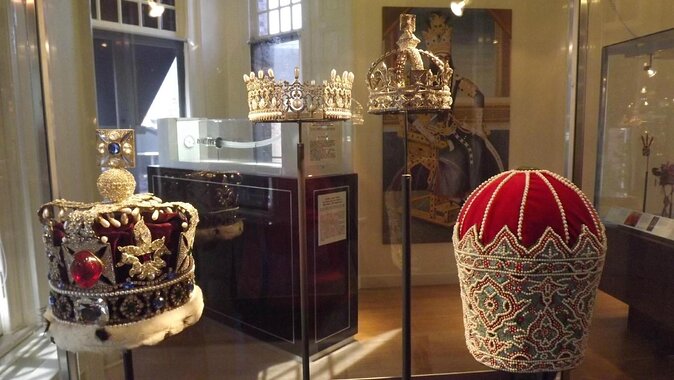
- Royal jewels are a highlight: Crowns and diamond-set artifacts provide the strongest visual moments.
- The visit begins underground: Displays trace diamonds from their formation deep inside the earth through cutting and setting.
- You may see skilled work in progress: Goldsmiths and stone polishers create jewelry at the related Coster Diamonds operation.
- Allow one to two hours: It is best treated as a focused museum visit, not a full-day attraction.
Why Amsterdam is a fitting place for a diamond museum
Amsterdam has a long connection with diamond cutting and polishing. The museum links that trade to Royal Coster Diamonds, the provider of this experience, and points to famous stones cut in Amsterdam, including the Cullinan and the Koh-I-Nor.
That connection gives the museum more purpose than a simple display of shiny jewelry. You are not only looking at finished stones. You are also learning how a rough diamond becomes a cut stone, how its value is judged, and how human skill affects the final result.
The museum presents itself as the only institution of its kind in the world. That claim makes the visit sound grander than the building itself feels, but the subject remains unusual. Amsterdam has plenty of major museums filled with paintings and artifacts. This one offers a more specialized look at a material tied to commerce, craftsmanship, status, and personal adornment.
I find the Amsterdam setting useful because you can place the museum in a wider city visit. A morning at the Rijksmuseum, a stop here, and the Van Gogh Museum nearby create a full Museum Square schedule. You should not expect the same scale or depth as the neighboring institutions, though.
More Attraction Tickets in Amsterdam
- Amsterdam: Van Gogh Museum Ticket
★ 4.7 · 52,054 reviews - Amsterdam: Heineken Experience Ticket
★ 4.6 · 30,055 reviews - Amsterdam: Rijksmuseum Entry Ticket
★ 4.7 · 25,535 reviews
Starting 200 kilometers below the earth
The museum’s central story begins far beneath the surface. You learn how diamonds form over billions of years before they are mined, shaped, polished, and placed into jewelry.
That sequence matters because it slows down the usual diamond experience. In a jewelry store, you see a finished object with a price. Here, you can think about the journey behind it. The displays explain different diamond types and the traits that affect value, including the qualities that make one stone more desirable than another.
The presentation is aimed at a general audience rather than geology specialists. That works well for families and first-time visitors who want a basic explanation without a technical lecture. The museum also uses interactive rooms and visual displays, which can help younger visitors stay involved.
The educational side is not flawless. Some audio listening devices have reportedly been broken, and parts of the audio-visual presentation feel in need of an update. If you cannot access every device, you may need to rely more on written panels and the objects themselves.
The displays: crowns, artifacts, and clever imitations
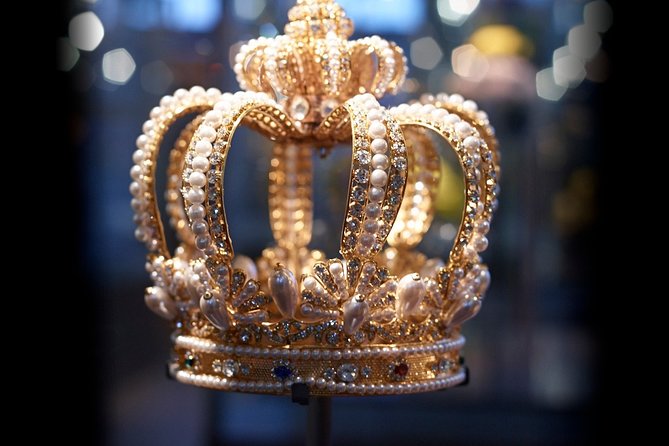
The most impressive visual section is the collection of royal jewels and crowns. These pieces show how diamonds have been used to signal authority and wealth. Even if you are not especially interested in jewelry, crowns provide an easy way to see how stones, metalwork, design, and ceremony work together.
The museum also shows diamond artifacts and a diamond-encrusted version of Vincent van Gogh’s Starry Starry Night. It is a playful meeting of Dutch art and precious materials. The piece is more about spectacle than original artwork, but it gives you a memorable image to carry away.
Another display focuses on the smallest diamond ever cut. The information provided does not give its exact size, so you should expect the point to be visual and explanatory rather than a dramatic object you can easily admire from across a room.
One important expectation check: not every sparkling object is a natural diamond. Some displays use reproductions, replicas, or glass imitations. That does not make the visit worthless, but it changes the experience. You are visiting a museum about diamonds, not a vault filled entirely with priceless natural stones.
If your main goal is to see large, authentic diamonds in abundance, you may find the collection limited. If you enjoy learning how diamonds are presented, valued, and transformed into objects of status, the displays offer more to consider.
Watching the polishers and goldsmiths
The working craftspeople are one of the best reasons to visit. The experience includes the chance to watch professional stone polishers and goldsmiths creating modern jewelry. This gives the museum a practical link to Amsterdam’s diamond trade.
A polished diamond can look effortless. Watching the work reminds you that cutting is a skilled process with little room for error. The same is true of setting a stone into gold or another precious metal. The finished necklace, ring, or pair of earrings hides the careful labor that made it possible.
The exact viewing experience may vary. Some people expect a personal demonstration and instead find a film or written explanation beside the tools. If you are hoping to sit through a live lesson on cutting or setting, keep your expectations modest. The attraction offers access to the working process, but it is not clearly presented as a private workshop or guided master class.
Some ticket holders have also received access to the diamond factory located two doors down. That can add value, especially if you want to see more of the polishing process. Because the supplied information does not promise this separately for every booking, you should confirm what your admission includes when you arrive.
More Museums in Amsterdam
- Moco Museum Amsterdam Entrance Tickets with Banksy & More
★ 4.4 · 10,088 reviews - Amsterdam: The Upside Down Museum Entrance Ticket
★ 4.4 · 9,506 reviews - Amsterdam: Red Light Secrets Museum Entry Ticket
★ 4.2 · 5,722 reviews - Amsterdam’s Weirdest Museum: Believe It or Not!
★ 4.5 · 4,086 reviews
The museum’s smaller surprises
The museum is not only display cases and written information. It also includes interactive areas and a diamond heist game. The game has a playful spy-movie feel, and it may be the part children and older kids remember best.
That feature changes the pace. After reading about mining, valuation, and diamond cutting, you have something active to do. It also makes the visit more appealing for families who worry that a jewelry museum may feel too quiet or formal.
The attraction can also work for couples or friends looking for a short indoor activity near Museum Square. One person can focus on the royal pieces and craftsmanship while another enjoys the interactive elements.
Still, the fun parts do not turn the museum into a large entertainment complex. The building is small, and the visit remains fairly compact. You may finish in less than two hours, particularly if you read only the main panels.
How long the visit really takes
The stated duration is about one to two hours. That estimate is sensible for most people. A quick visit might take close to an hour, while a slower visit with the film, written panels, interactive areas, and working demonstrations can stretch toward two.
I would plan the museum as a connecting activity rather than the only event of your day. It fits neatly before or after the Rijksmuseum, Van Gogh Museum, or another stop around Museum Square.
Opening hours are daily from 9 a.m. to 5 p.m., including weekends and holidays. Those hours give you useful flexibility, but the museum’s location may also mean busy periods around the larger museums nearby. Public transportation is available close to the museum.
The building can feel cramped. If you have mobility concerns, take that seriously when deciding how much time to allow. The supplied information says most people can participate, but some areas may be difficult for those who are physically challenged.
Is the $72 admission good value?
At $72, this is not a casual bargain attraction. The value depends on what you want from it.
The price makes more sense if you are genuinely interested in diamonds, jewelry design, Dutch craftsmanship, or royal objects. It also becomes more appealing if your admission includes access to the related diamond factory, since the working demonstration adds a practical element that a standard museum display cannot provide.
The price is harder to justify if you are simply looking for a quick collection of glittering stones. The building is small, some objects are replicas, and the visit may be over in an hour. Amsterdam offers many major museums and city experiences competing for the same budget.
I would also factor in the location. Because the museum is beside the city’s best-known art museums, you do not need to spend extra time or transport money reaching an isolated attraction. That convenience has real value during a packed Amsterdam schedule.
The museum received a mixed overall score of 3.6 from 71 ratings. That fits the experience described here: strong visual appeal and an unusual subject, balanced by dated equipment, limited size, occasional ticket problems, and uneven expectations about live demonstrations.
Tickets, entry, and practical planning
Your entrance ticket is included, but food, drinks, hotel pickup, and drop-off are not. This is a self-contained museum visit, so plan to arrive independently by public transportation or on foot from nearby Museum Square attractions.
Make sure your QR code or admission ticket is ready before you set out. A few people have had trouble receiving the code or being found in the entry system, causing delays of around 30 minutes. That is not a reason to reject the museum, but it is a good reason to check your booking details in advance and keep the confirmation accessible.
The experience offers free cancellation if you cancel at least 24 hours before the scheduled start time. Inside that 24-hour window, you will not receive a refund, and changes are not accepted. The cut-off follows local Amsterdam time.
No guide names are provided, and the experience is not described as a personal guided tour. You should expect to move through the museum at your own pace, with films, written displays, interactive rooms, and the possibility of observing craftspeople at work.
Who will enjoy this museum most?
I would recommend it most strongly to:
- Families looking for a short, interactive stop
- Jewelry fans and people interested in gem valuation
- Visitors curious about Amsterdam’s connection to diamond cutting
- Anyone who enjoys royal crowns and wearable art
- Couples seeking a compact indoor activity near Museum Square
- People who want to add variety to a day dominated by fine art
I would be more cautious if you want a large museum, a deep geological study, or a guaranteed live cutting demonstration. You may also feel disappointed if you expect every object to be a genuine, high-value diamond.
The museum works best when you approach it as a focused introduction to diamonds. You learn the basic science, see memorable crowns and artifacts, watch skilled work when available, and leave with a better sense of why cutting and setting matter.
Should you book the Diamond Museum Amsterdam?
Book it if the subject interests you and you are already planning to visit Museum Square. The location is excellent, the royal jewels are attractive, and the working polishers can make the diamond trade feel more real. The diamond heist game adds a welcome bit of fun.
Think twice at $72 if you want maximum museum value per hour. This is a small attraction with some replicas, dated audio-visual material, and occasional entry confusion. I would choose it for its specific subject and convenient location, not because it is one of Amsterdam’s essential museums.
If you do book, check your QR code before leaving your hotel, allow one to two hours, and ask about access to the related factory. Those simple steps can make the visit smoother and help you get the most from the admission.
FAQ
Where is the Diamond Museum Amsterdam located?
It is at Museum Square, between the Rijksmuseum and the Van Gogh Museum in Amsterdam.
How long does a visit take?
The approximate visit lasts one to two hours.
What are the museum’s opening hours?
The museum is open daily from 9 a.m. to 5 p.m., including weekends and holidays.
What does the admission ticket include?
The ticket includes entrance to the Diamond Museum Amsterdam.
Are food and drinks included?
No. Food and drinks are not included in the admission ticket.
Is hotel transportation provided?
No. Hotel pickup and drop-off are not included.
Can I see diamonds being polished?
The experience includes the chance to watch professional stone polishers and goldsmiths at work. Some ticket holders have also received access to a related diamond factory two doors down.
Can I cancel for a full refund?
Yes. You can cancel at least 24 hours before the experience start time for a full refund. Cancellations or changes made within 24 hours are not refunded or accepted.
More Museums
- Amsterdam: Van Gogh Museum Ticket and City Canal Cruise
★ 4.6 · 3,899 reviews - Amsterdam: Rembrandt House Museum Entrance Ticket
★ 4.7 · 3,385 reviews - Amsterdam: Van Gogh Museum Ticket & Canal Cruise
★ 4.5 · 3,304 reviews - Amsterdam: NEMO Science Museum Ticket
★ 4.4 · 2,979 reviews
Just added around Amsterdam
- Amsterdam 1-Hour Rickshaw Tour★ 4.9 · 17 reviews
- Amsterdam: Canal Cruise and Jewish Cultural Quarter Tickets★ 4.2 · 17 reviews
- Keukenhof Gardens and Tulip Experience Tour from Amsterdam★ 4.8 · 17 reviews
- Marken, Volendam and Edam: Private Full-Day Tour★ 4.6 · 18 reviews
- Discover Amsterdam’s city center in this Outside Escape game tour★ 4.5 · 18 reviews
- Amsterdam: Personal Travel & Vacation Photographer★ 4.8 · 18 reviews
- Amsterdam: Luxury Saloon Boat Cruise with 3-Course Dinner★ 3.9 · 18 reviews
- Rijksmuseum & Amsterdam City Center Semi-Private Tour 12ppl Max★ 5.0 · 18 reviews
Museums, compared.

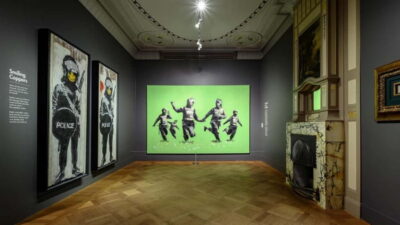
Moco Museum Amsterdam Entrance Tickets with Banksy & More
Read our review →
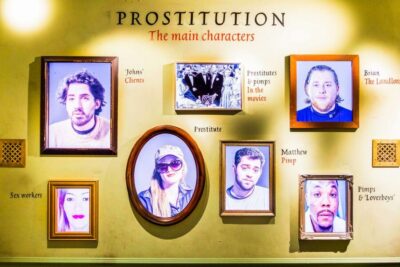

Amsterdam’s Weirdest Museum: Believe It or Not!
Read our review →

Browse the lists this tour appears in