
REVIEW · MUSEUMS
Rembrandt House Museum Amsterdam Entrance Ticket
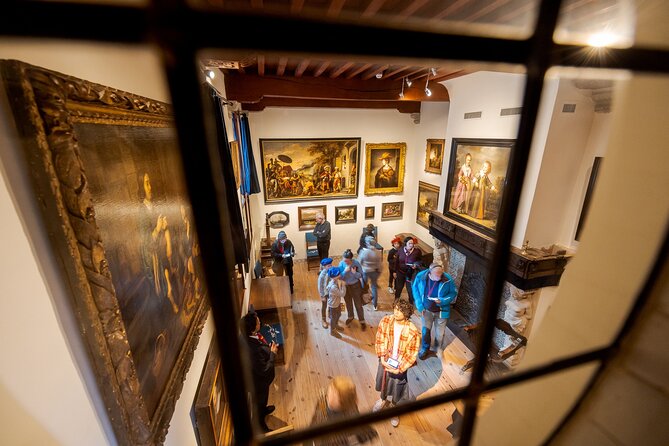
Step into Rembrandt’s world. The Rembrandt House Museum gives you something a gallery cannot: the rooms where Rembrandt van Rijn lived, taught, worked, and struggled with debt. I especially like the working studio and the live demonstrations, which explain how paint and etchings were made. I also like the audio tour, available in many languages, because it connects the rooms to Rembrandt’s family life and changing fortunes.
The main caution is practical: the staircases are steep and narrow, and the audio system can be slow or confusing in places. The advertised visit takes about an hour, but I would allow closer to two hours if you want to hear the full tour, watch a demonstration, and see the added exhibition rooms without rushing.
In This Review
- Key points to know before you go
- Why Rembrandt’s house feels different from a normal museum
- Entering the house and following Rembrandt’s changing fortunes
- The studio: where paint becomes part of the story
- The etching attic and the art of making prints
- Five added rooms make the visit longer and fuller
- Period rooms, objects, and the question of authenticity
- How long you should plan to stay
- Steep stairs and other practical concerns
- Is $26.01 good value?
- Who will enjoy this museum most?
- Should you book the Rembrandt House Museum ticket?
- FAQ
- Where is the Rembrandt House Museum?
- How long does the visit take?
- What does the ticket cost?
- Is an audio or multimedia guide included?
- Is there a family guide for children?
- Are demonstrations included?
- What can I see inside the museum?
- Are the stairs difficult?
- Can I cancel for a full refund?
- What is the group size?
Key points to know before you go
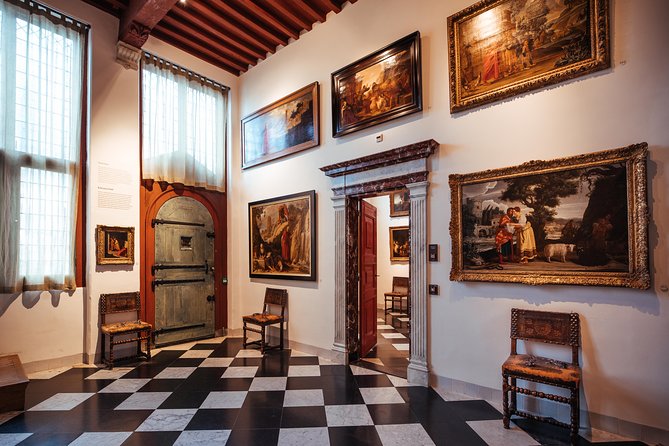
- Rembrandt’s actual home and studio: Walk through the Amsterdam house where the artist lived and worked for almost 20 years.
- A working lesson in 17th-century art: Daily painting and etching demonstrations show how materials and prints were made.
- More than the original house: Five newer museum spaces add an etching attic, a third exhibition room, and an epilogue room.
- A strong multimedia guide: The guide follows Rembrandt from ambitious young artist to financially ruined householder.
- Not just a painting museum: Expect period furnishings, objects, drawings, etchings, and details about marriage, teaching, and daily life.
- Allow extra time for the layout: One hour is possible, but two hours makes the visit much more rewarding.
Why Rembrandt’s house feels different from a normal museum
Amsterdam has grand art museums filled with famous canvases. The Rembrandt House offers a different sort of experience. Here, you are not simply looking at finished paintings behind glass. You are moving through the rooms where Rembrandt built his career and managed his household.
That setting gives the artist’s life a human scale. His success, marriage to Saskia, teaching work, collecting habits, and money troubles become easier to understand when you see the home that supported all of it. The museum follows his path from ambitious celebrity artist to a man forced to leave after debts piled up.
The house itself is the main attraction. It lets you picture Rembrandt not as a distant name from an art textbook, but as a working professional in 17th-century Amsterdam. He taught students, prepared materials, made prints, received visitors, and lived among the objects connected with his work.
I would not choose this visit only because you expect a large collection of Rembrandt paintings. The museum has etchings, drawings, and works by Rembrandt and his contemporaries, but its strength is the setting and the story. You come here to understand how the artist lived and worked.
More Attraction Tickets in Amsterdam
- Amsterdam: Van Gogh Museum Ticket
★ 4.7 · 52,054 reviews - Amsterdam: Heineken Experience Ticket
★ 4.6 · 30,055 reviews - Amsterdam: Rijksmuseum Entry Ticket
★ 4.7 · 25,535 reviews
Entering the house and following Rembrandt’s changing fortunes
The visit is self-guided, so you can move at your own pace. A free multimedia guide leads you through the house and explains what happened in each area. The guide is offered in 13 languages according to the current information, although the experience description also refers to 10 languages, so language choices may vary.
The most useful part of the guide is its structure. It does not treat each room as an isolated display. Instead, it follows Rembrandt’s life, beginning with his arrival in Amsterdam as a rising artist and continuing through his family life, artistic success, and financial collapse.
You learn about his short marriage to Saskia and the pressures of 17th-century life. These personal details give the visit more weight. His home was not only a studio. It was also a family setting, a place of teaching, and a costly household that became harder to maintain as his debts grew.
The rooms help you connect the story to real space. You can enter the areas where Rembrandt lived, worked, and trained students. The effect is strongest in the studio, where demonstrations take place in the same room associated with his artistic process.
A few visitors have found the audio tour hard to follow because room numbers are not always obvious. If you use the guide, take a moment to confirm that you are listening to the correct section before moving on. The route can also make backtracking awkward, particularly because of the stairs.
The studio: where paint becomes part of the story
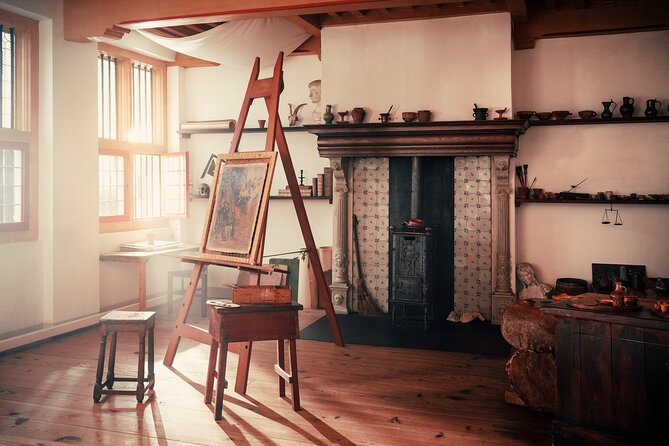
The studio is one of the best reasons to visit. A daily demonstration explains how paint was made from scratch, using the sort of methods available in Rembrandt’s time. That simple process changes how you look at old paintings.
You are not just told that artists prepared their own materials. You see the work explained in the place where Rembrandt created his pictures. The demonstration helps you understand the labor behind each color, surface, and finished image.
This is especially useful if you are not an art specialist. You do not need to know technical painting terms to appreciate the lesson. It makes Rembrandt’s working life more physical and practical. His art came from materials that had to be prepared, tested, and handled with care.
The museum also offers daily live demonstrations and workshops. Timing is not specified in the information provided, so check the schedule when you arrive if the demonstration is important to you. If you have only one hour, plan around it rather than assuming you will happen to catch it.
I would make the studio demonstration a priority. It is frequently singled out as a highlight, and it gives the house a working purpose instead of making it feel like a collection of empty historic rooms.
The etching attic and the art of making prints
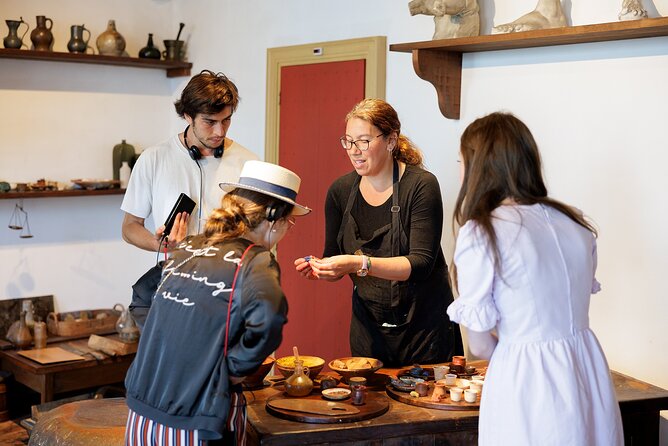
Rembrandt is famous for his paintings, but his etchings are central to the museum experience. In the new etching attic, you learn more about the techniques used to create prints from copper plates.
The live print demonstration is particularly effective because it shows how an image moves from a plate to paper. You get a clearer sense of why Rembrandt’s etchings have such force and detail. The process also explains why his printed work could circulate beyond the people who saw his paintings in person.
This room feels like a look over the artist’s shoulder. The subject is technical, but the demonstration keeps it accessible. I would pay close attention here, even if your main interest is Rembrandt’s personal life.
The museum displays etchings and drawings by Rembrandt and other artists of his period. These works add useful context. You can compare Rembrandt’s approach with that of his contemporaries, rather than viewing every object as an isolated masterpiece.
More Museums in Amsterdam
- Moco Museum Amsterdam Entrance Tickets with Banksy & More
★ 4.4 · 10,088 reviews - Amsterdam: The Upside Down Museum Entrance Ticket
★ 4.4 · 9,506 reviews - Amsterdam: Red Light Secrets Museum Entry Ticket
★ 4.2 · 5,722 reviews - Amsterdam’s Weirdest Museum: Believe It or Not!
★ 4.5 · 4,086 reviews
Five added rooms make the visit longer and fuller
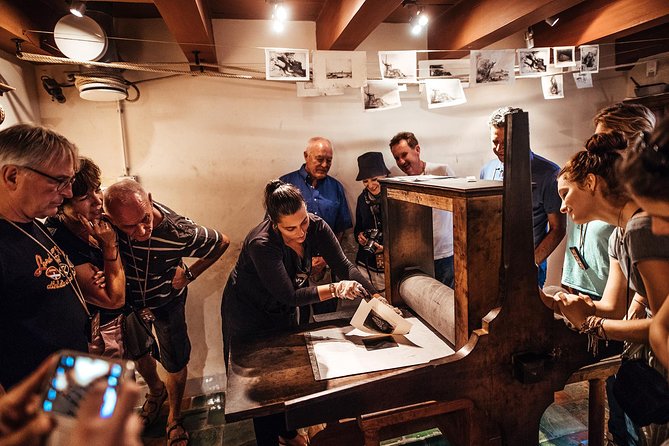
The museum reopened on March 18, 2023, with five new spaces and about 30 percent more Rembrandt-related content. The additions include an epilogue room, the etching attic, and a third exhibition room.
That expansion matters because the house alone can be seen fairly quickly. The newer rooms give the visit a clearer ending and add material beyond the domestic rooms. If you walk out after only seeing the historic house, you may miss some of the most informative displays.
The epilogue room helps bring Rembrandt’s story together after you have followed his career through the house. The additional exhibition areas also provide room for more etchings, drawings, and related objects.
Some people may find the route slightly confusing because the added rooms are not all part of the original residence. One practical tip is to check the full route before you leave a floor. A return visit is not always easy because of the narrow stairways and one-way feel of the layout.
If you are interested in art technique, the new etching attic should be near the top of your list. If you care more about domestic life, spend extra time in the furnished rooms before continuing into the museum additions.
Period rooms, objects, and the question of authenticity
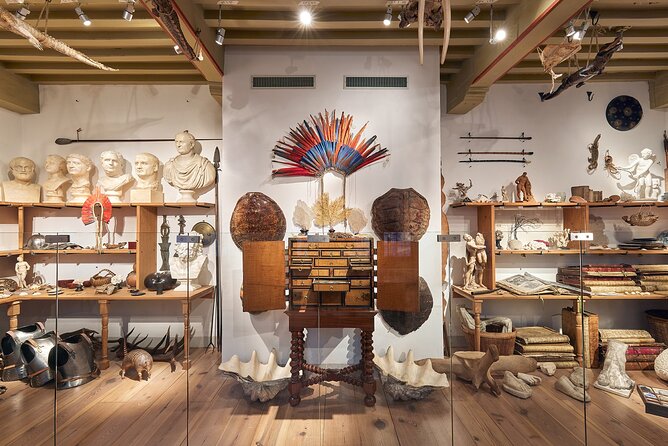
The house is furnished with period objects and artifacts to suggest how life looked in 17th-century Amsterdam. That reconstruction is valuable, but you should not assume every object belonged to Rembrandt.
One account of the visit notes that much of the household content is not original. The important point is that the building and setting connect directly with Rembrandt, while many furnishings help recreate the period rather than serving as personal possessions with a documented link to him.
That distinction does not make the rooms less interesting. It simply helps you understand what you are seeing. The museum’s value comes from the combination of historic place, period atmosphere, objects, and interpretation.
The house also gives you a window into the social world around Rembrandt. His home reflects the life of a successful artist who had students, clients, family responsibilities, and expensive tastes. His eventual financial problems become more understandable when you see the scale of the life he was trying to maintain.
I like this balance. You get the emotional power of standing in Rembrandt’s house without pretending that every chair or household object is untouched evidence from his daily life.
How long you should plan to stay
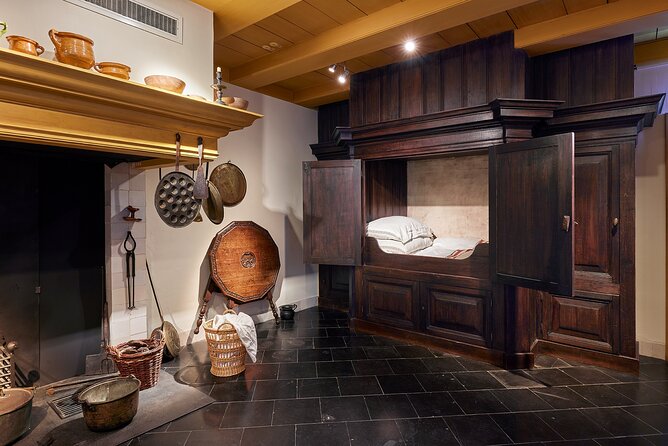
The official duration is about one hour. That works if you move steadily through the rooms and listen only to selected parts of the multimedia guide.
I would allow at least 90 minutes, and closer to two hours if you want the full story. Several elements compete for your attention:
- The historic house and period rooms
- The multimedia tour
- The etchings and drawings
- The paint-making demonstration
- The etching demonstration
- The five added museum spaces
The guide itself can slow you down. It sometimes takes time to load, and matching the audio or images to the correct room is not always immediate. That is not a reason to skip it. The guide adds much of the personal detail that makes the visit worthwhile. It is simply a reason not to schedule a tight connection afterward.
The museum is near public transportation, making it easy to add to an Amsterdam sightseeing day. It is also close to places where you can stop for food, including a café near the museum and a flea market around the corner, according to practical visitor information. Those nearby stops can make the visit fit neatly into a broader neighborhood walk.
Steep stairs and other practical concerns

The narrow staircases are the main physical challenge. They are steep, and moving between floors requires care. If stairs are difficult for you, this may not be the most comfortable museum in Amsterdam.
The information says most people can take part, but the historic layout is not as easy to navigate as a modern gallery. I would be cautious about bringing a large bag or trying to move quickly through crowded stair areas.
The multimedia guide is free, and a family version is available for children. That family option makes the visit more approachable for younger visitors, especially because demonstrations give children something concrete to watch.
The audio system has received mixed feedback. It is praised for explaining Rembrandt’s life and artistic process, but devices can load slowly, and the room matching is not always clear. If your device or ticket presents a problem at the entrance, resolve it before entering the route. There have been cases where a booking code was not accepted as easily as a scannable QR code.
For that reason, keep your ticket ready on your phone and allow extra time at the entrance. Booking directly with the museum may also reduce the chance of a third-party ticket problem or a date mismatch. One reported issue involved a booking for New Year’s Day when the museum was closed, so confirm holiday opening details before you set out.
Is $26.01 good value?
At $26.01 per person, this is not the cheapest short museum visit in Amsterdam. The value depends on how you use it.
If you rush through in 45 minutes and skip the demonstrations, the price may feel high. If you spend close to two hours with the multimedia guide, see the studio and etching demonstrations, and explore the added rooms, the cost becomes easier to justify.
You are paying for more than a single exhibition. The ticket combines a historic house, a guided life story, a technical art lesson, period interiors, and a collection of etchings and drawings. That is a solid package for anyone interested in Rembrandt or Amsterdam’s 17th-century past.
The free guide also matters. You do not need to pay an added fee to understand the rooms, and the family multimedia tour is included. For me, the best value comes from taking the time to use those tools rather than treating the museum as a quick photo stop.
The experience is booked an average of 33 days ahead, so advance planning is sensible, especially if your Amsterdam schedule is fixed. The stated group maximum is 15 people, although this is an entrance experience rather than a traditional guided walking tour.
Who will enjoy this museum most?
I would recommend the Rembrandt House to:
- Art lovers who want to understand technique, not only admire finished paintings
- History fans interested in daily life in 17th-century Amsterdam
- Families who want a child-friendly multimedia option
- Visitors who prefer a personal story to a large, formal gallery
- Anyone curious about how artists made paint and prints before modern supplies
You do not need to be an art expert. The demonstrations and audio explanations make the visit approachable. The personal story also gives non-specialists a clear reason to keep listening.
I would be more cautious if you have trouble with steep stairs, dislike audio-led visits, or have only a very short gap between Amsterdam attractions. The museum is not ideal for a rushed schedule.
Should you book the Rembrandt House Museum ticket?
Yes, if you want to see where Rembrandt lived and worked rather than only viewing his art in a major gallery. The studio demonstration and etching lesson are the strongest parts, while the multimedia story adds the family and financial details that make the rooms meaningful.
Book it if you can give it around two hours and handle steep, narrow stairs. Before paying, check the museum’s own opening information, especially around public holidays, and make sure you receive a scannable ticket.
At $26.01, I consider it a fair buy for a patient visitor. It is less convincing as a quick one-hour stop, but it becomes a rewarding and unusually personal Amsterdam museum visit when you slow down.
FAQ
Where is the Rembrandt House Museum?
It is in Amsterdam, Netherlands, and is located near public transportation.
How long does the visit take?
The stated duration is about one hour, but allowing at least 90 minutes, and preferably two hours, gives you time for the guide, demonstrations, and added exhibition rooms.
What does the ticket cost?
The listed price is $26.01 per person.
Is an audio or multimedia guide included?
Yes. A free multimedia guide is included. The information lists support for 13 languages, while the experience description refers to 10 languages.
Is there a family guide for children?
Yes. A multimedia tour designed especially for families with children is included.
Are demonstrations included?
Yes. Free daily live demonstrations and workshops are included, including demonstrations about paint making and etching.
What can I see inside the museum?
You can see Rembrandt’s home and studio, period furnishings and artifacts, etchings and drawings by Rembrandt and his contemporaries, and five added museum spaces.
Are the stairs difficult?
The house has steep, narrow staircases. This may be difficult for people with mobility issues.
Can I cancel for a full refund?
Yes, if you cancel at least 24 hours before the experience start time. Cancellations made within 24 hours are not refunded.
What is the group size?
The stated maximum is 15 people.
More Museums
- Amsterdam: Van Gogh Museum Ticket and City Canal Cruise
★ 4.6 · 3,899 reviews - Amsterdam: Rembrandt House Museum Entrance Ticket
★ 4.7 · 3,385 reviews - Amsterdam: Van Gogh Museum Ticket & Canal Cruise
★ 4.5 · 3,304 reviews - Amsterdam: NEMO Science Museum Ticket
★ 4.4 · 2,979 reviews
Just added around Amsterdam
- Amsterdam 1-Hour Rickshaw Tour★ 4.9 · 17 reviews
- Amsterdam: Canal Cruise and Jewish Cultural Quarter Tickets★ 4.2 · 17 reviews
- Keukenhof Gardens and Tulip Experience Tour from Amsterdam★ 4.8 · 17 reviews
- Marken, Volendam and Edam: Private Full-Day Tour★ 4.6 · 18 reviews
- Discover Amsterdam’s city center in this Outside Escape game tour★ 4.5 · 18 reviews
- Amsterdam: Personal Travel & Vacation Photographer★ 4.8 · 18 reviews
- Amsterdam: Luxury Saloon Boat Cruise with 3-Course Dinner★ 3.9 · 18 reviews
- Rijksmuseum & Amsterdam City Center Semi-Private Tour 12ppl Max★ 5.0 · 18 reviews
Museums, compared.

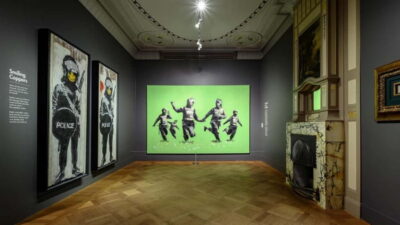
Moco Museum Amsterdam Entrance Tickets with Banksy & More
Read our review →


Amsterdam’s Weirdest Museum: Believe It or Not!
Read our review →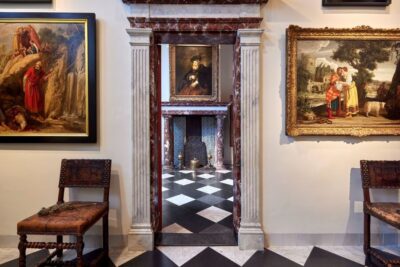

Browse the lists this tour appears in