
REVIEW · CITY TOURS
Amsterdam Old City Private Walking Tour
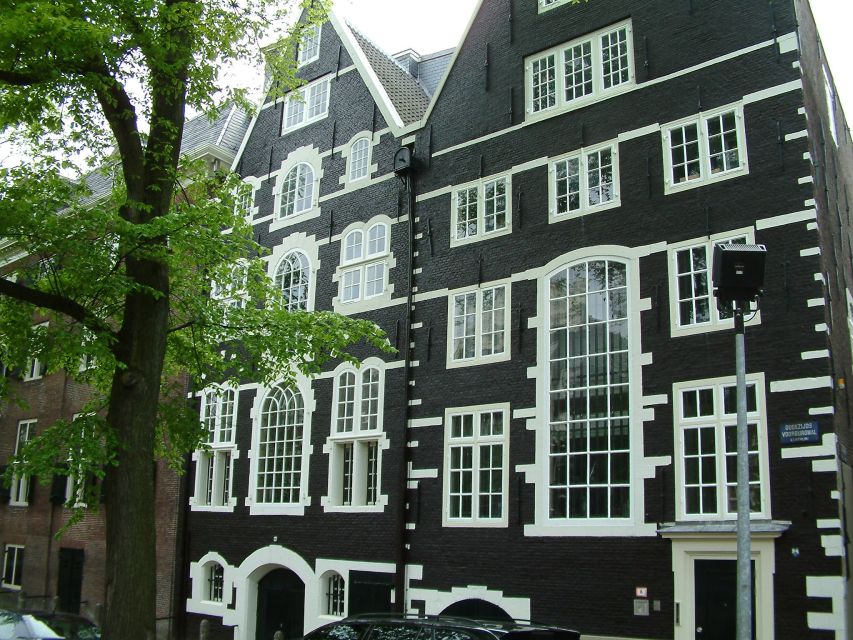
Amsterdam rewards slow looking. This private two-hour walk connects its medieval center, canals, Jewish Quarter, Chinatown, and Red Light District with a guide who can shape the route around your interests. I like the personal format, and I like that the tour reaches beyond the usual postcard views into old passageways and less obvious corners. The main drawback is simple: two hours is a short window for so much of Amsterdam, so some stops will be viewed from the outside or covered quickly.
I also like the strong sense of place. You hear how Amsterdam grew from a muddy, hard-to-reach harbor into a major European power, then see that story in merchant houses, old churches, canal streets, pawn shops, and former company offices. A possible consideration is that luggage and large bags are not allowed, so you need to leave them elsewhere before meeting at Central Station.
In This Review
- Key points to know before you book
- Starting at Central Station and finding old Amsterdam
- Reading Amsterdam’s medieval center
- Old Church, hidden churches, and a quiet passage
- The Red Light District with context, not just spectacle
- Chinatown, Nieuwmarkt, and the old city’s working side
- The former Jewish District and Amsterdam’s layered identity
- Begijnhof and Amsterdam’s quieter side
- East India Company power on Oostindisch Huis
- Jordaan, merchant houses, and the Herengracht
- What two hours can realistically cover
- Is $265 a fair price for a private group?
- Who will get the most from this walk?
- Booking details worth knowing
- Should you book the Amsterdam Old City Private Walking Tour?
- FAQ
- Where does the tour meet?
- How long does the tour last?
- How many people can join the private group?
- What languages are available?
- Is the tour wheelchair accessible?
- What areas can the tour cover?
- Are food and drinks included?
- Can I bring luggage or a large bag?
- What is the cancellation policy?
Key points to know before you book
- A private group of up to 10: You get your own guide rather than joining a large public walk, with room to adjust the focus to architecture, history, or local life.
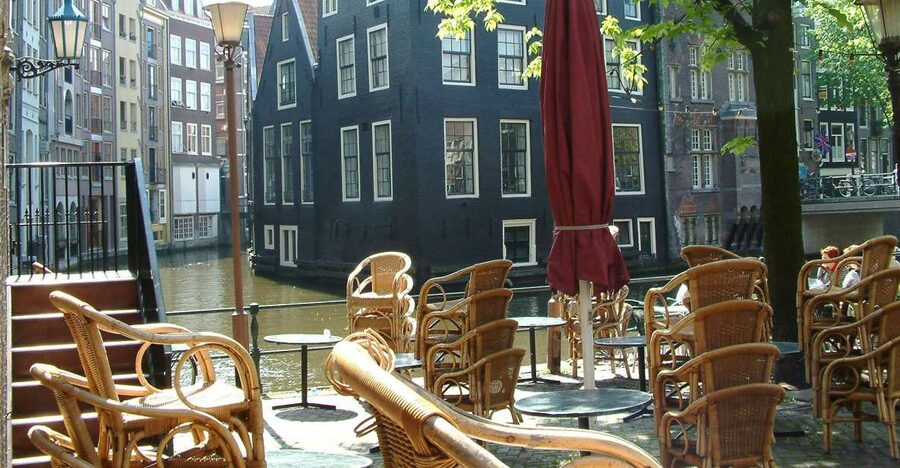
- Amsterdam’s story begins in mud: The tour explains how reclaimed ground and difficult harbor access shaped the city before its 17th-century rise.
- The route covers several contrasting districts: You may pass the medieval center, Old Church, Red Light District, former Jewish Quarter, Chinatown, Nieuwmarkt, Begijnhof, Jordaan, and major canals.
- Local detail matters here: Guides can add stories about Amsterdam’s later development, including changes in the 1970s, not just tales from the Dutch Golden Age.
- The price works best for a small group: At $265 for up to 10 people, the per-person cost falls sharply when shared by six to ten people.
- You need comfortable walking shoes: This is a two-hour city walk with no food, drinks, or transport included.
Starting at Central Station and finding old Amsterdam
The meeting point is in front of the main entrance of Amsterdam Central Station. That is a practical place to begin because you can reach it easily by train, and the old center begins almost immediately beyond the station.
Do not treat the station as just a place to meet. Its position helps explain Amsterdam’s growth. The city’s modern transport hub sits beside the water, close to the historic center and the old harbor area. From here, your guide can place the city’s streets in context before the walk gets busy with details.
A private tour also makes the first few minutes useful. If you care most about buildings, ask for more architectural explanation. If you want the city’s social story, ask about trade, religion, immigration, or the changing Red Light District. The activity is specifically adapted to your wishes, so speak up early rather than waiting for the guide to guess.
You should arrive without a suitcase or large bag. The walk is wheelchair accessible, but Amsterdam’s historic streets and passages can still feel tight in places. If you use a wheelchair, mention your needs when arranging the tour so the route can be handled comfortably.
More City Tours in Amsterdam
- Amsterdam: 75 Minute City Canal Cruise with Audio Guide
★ 4.4 · 17,501 reviews - Amsterdam: City Centre Canal Cruise
★ 4.2 · 12,827 reviews - Amsterdam: Smoke and Lounge City Boat Cruise
★ 4.7 · 8,572 reviews
Reading Amsterdam’s medieval center
The medieval center gives you the best introduction to Amsterdam’s unusual beginnings. The city was built on reclaimed swamp, with land buried in mud and a harbor that was not easy to reach. That foundation helps explain the narrow streets, canals, old foundations, and constant need to manage water.
I find this kind of explanation more useful than a list of dates. You begin to see why Amsterdam developed as it did. The city was not handed a perfect natural site. It had to make room for itself, protect its ground, and improve its connection to the sea.
The walk includes parts of the old city wall. These remains may not look dramatic compared with a complete fortress, but they offer a physical clue to the city’s earlier limits. Amsterdam began as a compact settlement, then expanded as commerce and population grew.
Your guide can also put the city’s 17th-century success into scale. In 1650, Amsterdam had about 220,000 residents and ranked as the third-largest city in Europe. That number makes the merchant houses and canals feel less like pretty scenery and more like the working framework of a major international center.
Old Church, hidden churches, and a quiet passage
The Old Church, or Oude Kerk, is one of the key stops in the historic center. It sits close to the Red Light District, which creates one of Amsterdam’s sharpest contrasts: a very old religious building surrounded by one of the city’s most famous modern-day districts.
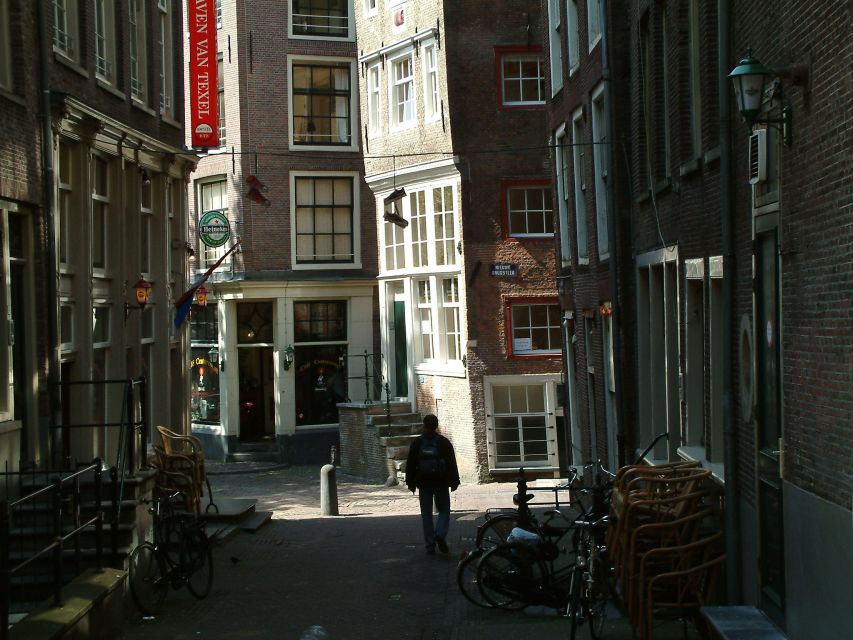
The tour also points out lesser-known churches and the Oude Manshuispoort. These smaller places are exactly where a private walk can earn its keep. A standard route often races from one famous sight to another. Here, you have a better chance to pause at a doorway, passage, or courtyard and hear why it matters.
The Old Church area can be crowded and visually distracting. You may need to focus on the guide’s explanation rather than expect a long, quiet visit inside. The supplied details promise a walking tour, not admission to every building, so think of these stops as part of the street story unless your guide tells you otherwise.
For anyone interested in architecture, this section should be especially rewarding. You can ask how religious buildings, merchant homes, narrow lots, and public passages fit together in a city where land was valuable and space was limited.
The Red Light District with context, not just spectacle
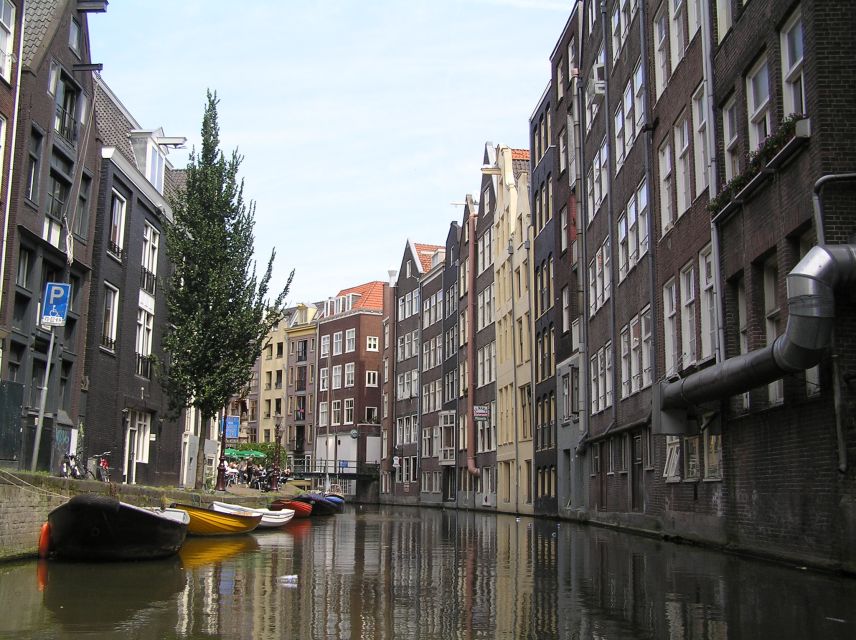
Walking through the Red Light District can feel awkward if you approach it only as a curiosity. A good guide helps you understand it as part of the old city, not as a separate amusement park.
The route passes through the district while connecting it to Amsterdam’s religious, commercial, and social past. The proximity of the Old Church is particularly striking. You also see how the district sits within the same tight network of lanes and canals as the rest of the medieval center.
Your guide may explain how the area has changed, and the local feedback points to the value of stories about Amsterdam’s more recent development, including the 1970s. That is a useful balance. The city’s identity was not frozen in the age of merchant houses, and a guide with long local experience can add details that a printed guidebook may miss.
You should be respectful here. This is a working neighborhood, not a stage set. Follow your guide’s advice about photography and keep your attention on the explanation rather than treating people as part of the scenery.
More Private Tours in Amsterdam
- Rijksmuseum Amsterdam Small-Group Tour with Private Upgrade
★ 4.5 · 1,547 reviews - Van Gogh Museum Tour Reserved Entry Semi Private
★ 5.0 · 1,437 reviews - Private Amsterdam Red Light District and Coffee Shop Tour
★ 5.0 · 763 reviews - Anne Frank and Jewish Quarter Amsterdam Private Walking Tour
★ 5.0 · 684 reviews
Chinatown, Nieuwmarkt, and the old city’s working side
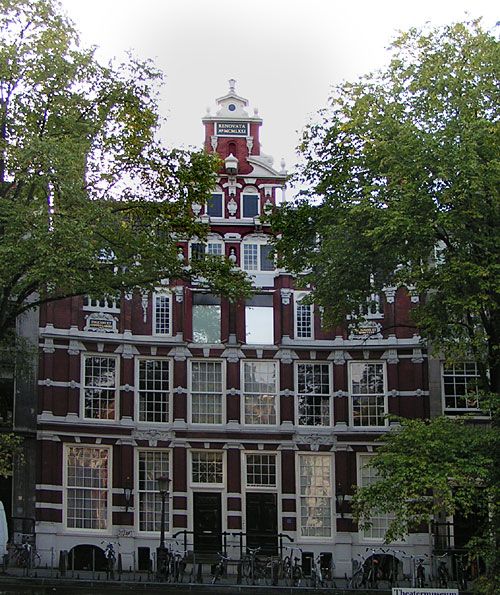
The walk continues toward Chinatown and Nieuwmarkt, bringing a different side of central Amsterdam into view. These areas help you see the city as a place shaped by trade, migration, food, religion, and everyday business.
Nieuwmarkt is tied to the older fortified center and offers another chance to connect the city’s defensive past with its later commercial life. Chinatown adds a more recent layer to the city’s story. Together, these stops prevent the tour from becoming only a parade of grand canal houses.
This part is useful if you want to understand how central Amsterdam keeps changing while remaining built on old streets. You may see signs, shops, and buildings that do not fit the familiar Golden Age picture. That contrast is part of the point.
The drawback is that two hours cannot give you a full neighborhood tour of Chinatown or Nieuwmarkt. You will get an introduction and a framework, not a detailed food or shopping itinerary. If you want time to eat, browse, or photograph, plan to return after the walk.
The former Jewish District and Amsterdam’s layered identity
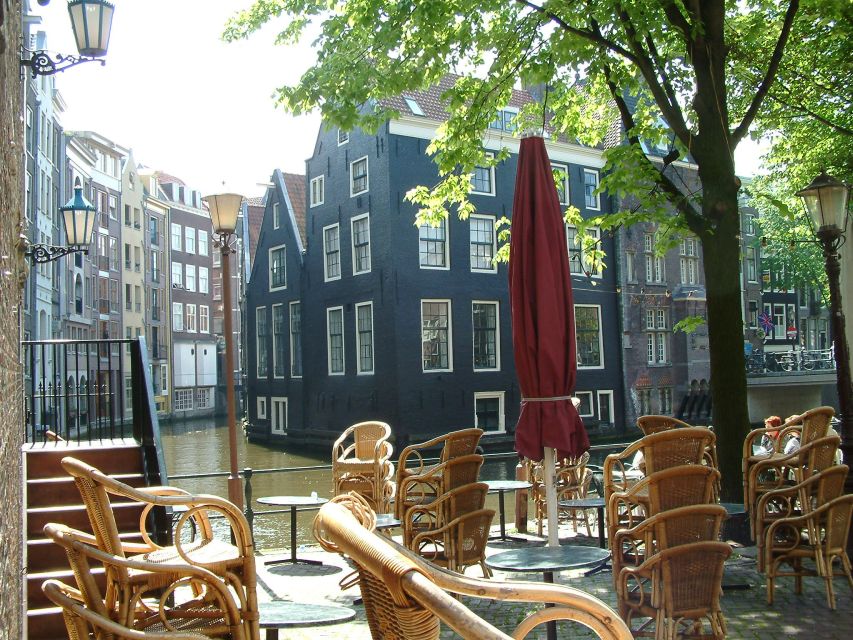
The old Jewish District adds serious historical weight to the route. This is not just another district name on a map. It gives your guide a chance to explain how religious and cultural communities shaped Amsterdam, and how the city’s identity changed over time.
The area works best when presented with care and context. You can ask about the district’s role in the city, its buildings, and the people who lived and worked there. The walk does not promise entry to every museum or memorial, so you should book a separate visit if you want extended indoor exhibits.
Still, a street-level introduction has real value. You see where the district sits in relation to the old center, canals, Nieuwmarkt, and commercial streets. That geography helps you understand Amsterdam as a connected city rather than a collection of unrelated sights.
This is one of the sections where a private guide is useful. You can ask questions that would be difficult to fit into a large group, and you can request a slower pace if a particular building or story catches your attention.
Begijnhof and Amsterdam’s quieter side
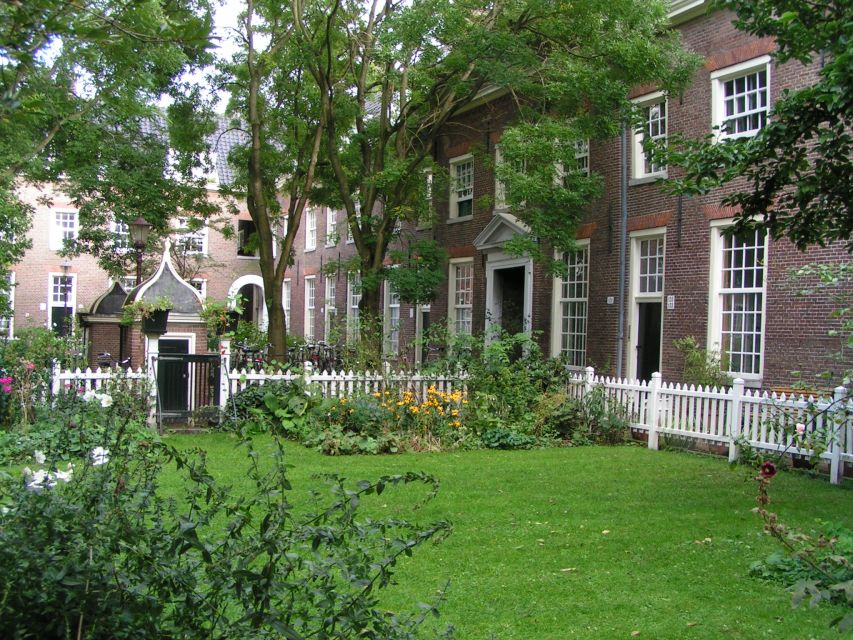
The Begijnhof women’s homes provide a welcome change of mood. After the tight lanes of the medieval center and the energy of the Red Light District, this enclosed group of homes offers a calmer look at urban life.
The value here is not only the appearance of the buildings. The Begijnhof shows how women could live in a shared religious setting without being nuns in the usual sense. Its homes and courtyard help you picture a form of community that is easy to miss when you focus only on trade and wealth.
Keep your expectations measured. This is still a short walking tour, so the stop may be brief. The courtyard is a place to respect, not a noisy photo stop. Listen closely, keep your voice low, and follow any local rules your guide gives you.
I especially like the way the Begijnhof widens the tour’s subject. You are not hearing only about merchants, companies, and canals. You also get a glimpse of domestic and religious life inside the city.
East India Company power on Oostindisch Huis
The 17th-century Oostindisch Huis was the Amsterdam headquarters of the East India Company. This stop gives the tour a firm link to the forces that made Amsterdam powerful.
Your guide can explain how commerce, shipping, finance, and overseas connections helped the city become a major center of world power. The building matters because it represents administration as much as adventure. Behind international trade were offices, decisions, money, and people organizing a vast commercial system.
This is also a good place to ask difficult questions. Amsterdam’s wealth did not appear by magic, and a useful city tour should allow room for the less comfortable parts of that story. The supplied material highlights Amsterdam’s rise as a center of science and culture, but the same economic system also deserves careful thought.
You may only view the exterior during this walk. If you want a full interior visit, check separately before booking. For a two-hour orientation, though, the building gives you a strong anchor for the city’s economic story.
Jordaan, merchant houses, and the Herengracht
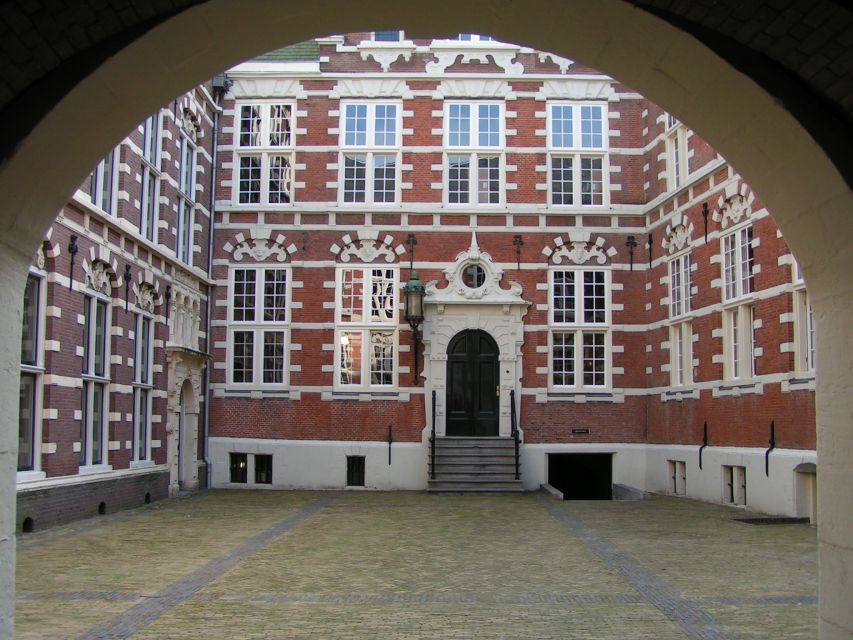
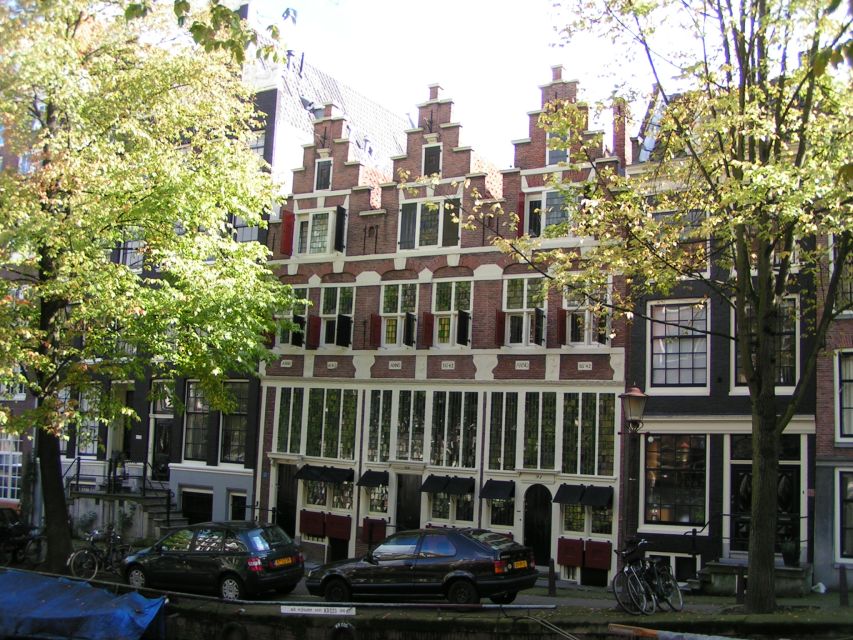
The tour includes handsome merchant houses in the Jordaan district and a walk along the Herengracht. These are among the most attractive parts of central Amsterdam, but they are more interesting when you know what you are seeing.
The canal houses reflect the wealth and practical needs of Amsterdam’s prosperous residents. Their narrow fronts relate to expensive urban plots, while their height and design reveal how owners used limited space. Old pawn shops add another useful detail. They remind you that historic Amsterdam was not made only of wealthy merchants. Credit, goods, debt, and ordinary financial pressure were part of city life too.
Herengracht is one of the first three major canals in the city. Walking beside it lets you see how water shaped movement, property, trade, and status. The canal is photogenic, but the guide’s explanation turns it into evidence of city planning and commercial ambition.
The Jordaan section may be one of the tour’s strongest parts for repeat visitors. You can find the major canals alone, but a guide may lead you toward less obvious corners and explain why a plain-looking doorway or old shopfront matters.
What two hours can realistically cover
The route contains enough material for a full day, but the experience lasts only two hours. That means you should see it as an introduction with depth, not a complete survey of Amsterdam.
You will cover a broad area and receive a connected story. The tradeoff is time at each stop. You may pass several districts without entering buildings, and some subjects will receive only a short explanation.
That short format can be a strength on your first day. You get your bearings quickly, learn which areas deserve a second visit, and avoid spending half a day on a walk when you have other plans. It also suits a stopover or a morning before museum visits.
If you want a slower historical experience, use the private format to set priorities. Ask your guide to focus on the medieval center and canals, or request more attention to the Jewish District and modern local changes. You cannot cover everything in detail, but you can make the time more meaningful.
Wear comfortable shoes and bring only what you need. Food and drinks are not included, so plan a café stop before or after the walk.
Is $265 a fair price for a private group?
The listed price is $265 for a group of up to 10 people. For one or two people, that is a serious expense for two hours. For a family or group of friends, the calculation changes.
At ten people, the cost is $26.50 per person. At eight people, it is about $33 per person. At four people, it is $66.25 each. That makes this a better deal for a small group than for a solo visitor.
You are paying for a private guide, a flexible route, and the chance to ask questions without a large crowd. The strongest value comes from using that flexibility. If everyone in your group wants the same kind of experience, request a clear emphasis before the walk begins.
The rating of 4.6 from 33 reviews supports a generally strong experience, while the written feedback points to the qualities that matter most: authenticity, detailed background, and places beyond the standard tourist path. One German-speaking guide was praised for personal stories about changes he had lived through in Amsterdam during the 1970s, along with the classic historical material. That is the sort of local perspective that can justify the price.
Who will get the most from this walk?
I would recommend this tour to first-time visitors who want a useful introduction without joining a large group. It also suits families, couples traveling with friends, and anyone who enjoys architecture and history.
You do not need specialist knowledge. An interest in buildings and the past is enough. The private setup is also helpful if your group has a particular focus or needs the route adjusted.
It is less suitable if you want a food tour, museum admissions, a long canal cruise, or a relaxed half-day outing. The experience is entirely on foot, lasts two hours, and does not include food or drinks.
It may also disappoint you if you expect every famous sight to receive a long stop. The route is wide-ranging. You gain variety and context, but not exhaustive time at each location.
Booking details worth knowing
The live guide speaks English, Dutch, or German. If language matters to your group, select the option that works best when booking.
The activity is wheelchair accessible, and the group is private. Large bags and luggage are not allowed, so arrange storage before you meet at Central Station.
You can cancel up to 24 hours before the start for a full refund, and the reserve-now, pay-later option gives you some flexibility while finalizing your plans. Starting times vary, so check availability for the date you want.
Should you book the Amsterdam Old City Private Walking Tour?
Book it if you want a compact but thoughtful introduction to Amsterdam, especially if you are sharing the cost with several people. The mix of medieval streets, canals, old religious buildings, Chinatown, the former Jewish District, Begijnhof, Jordaan, and the Red Light District gives you a broad view of the city.
I would choose it for the guide’s local angle and the ability to move beyond the obvious photo stops. Ask for the subjects you care about, arrive ready to walk, and treat the two hours as a foundation for exploring more on your own.
Skip it if you prefer a self-guided stroll, need a very slow pace, or want extensive interior visits. For everyone else, this is a practical way to understand why Amsterdam looks the way it does, and why its old streets still carry so many different stories.
FAQ
Where does the tour meet?
The meeting point is in front of the main entrance of Amsterdam Central Station.
How long does the tour last?
The walking tour lasts two hours.
How many people can join the private group?
The price covers a private group of up to 10 people.
What languages are available?
The live guide is available in English, Dutch, or German.
Is the tour wheelchair accessible?
Yes, the activity is listed as wheelchair accessible.
What areas can the tour cover?
The walk can include the medieval center, parts of the old city wall, the Old Church, Oude Manshuispoort, the Red Light District, the former Jewish District, Begijnhof, Chinatown, Nieuwmarkt, Jordaan, Herengracht, and the Oostindisch Huis.
Are food and drinks included?
No. Food and drinks are not included in the tour price.
Can I bring luggage or a large bag?
No. Luggage and large bags are not allowed.
What is the cancellation policy?
You can cancel up to 24 hours in advance for a full refund. You can also reserve now and pay later.
More Walking Tours
- Amsterdam: Anne Frank Walking Tour – Guided in EN/DE/IT/ES
★ 4.9 · 2,676 reviews - Amsterdam: Guided Cultural Walking Tour
★ 4.9 · 2,384 reviews - Amsterdam: Guided Ganja Walking Tour of Coffee Shops
★ 4.2 · 2,092 reviews - Anne Frank Walking Tour Amsterdam Including Jewish Cultural Quarter
★ 5.0 · 1,879 reviews
More Walking Tours in Amsterdam
- Anne Frank’s Story – Guided Walking Tour through Amsterdam
★ 5.0 · 11,619 reviews - Amsterdam: Life of Anne Frank and World War II Walking Tour
★ 4.8 · 10,467 reviews - Absolutely Amsterdam – the Essential Introductory Walking Tour
★ 5.0 · 3,629 reviews - Amsterdam: Anne Frank Guided Small Group Walking Tour
★ 4.8 · 2,722 reviews
Just added around Amsterdam
- Amsterdam 1-Hour Rickshaw Tour★ 4.9 · 17 reviews
- Amsterdam: Canal Cruise and Jewish Cultural Quarter Tickets★ 4.2 · 17 reviews
- Keukenhof Gardens and Tulip Experience Tour from Amsterdam★ 4.8 · 17 reviews
- Marken, Volendam and Edam: Private Full-Day Tour★ 4.6 · 18 reviews
- Discover Amsterdam’s city center in this Outside Escape game tour★ 4.5 · 18 reviews
- Amsterdam: Personal Travel & Vacation Photographer★ 4.8 · 18 reviews
- Amsterdam: Luxury Saloon Boat Cruise with 3-Course Dinner★ 3.9 · 18 reviews
- Rijksmuseum & Amsterdam City Center Semi-Private Tour 12ppl Max★ 5.0 · 18 reviews
City Tours, compared.
75 Minute City Canal Cruise with Audio Guide
Read our review →


City Canal Cruise and Heineken Experience Ticket
Read our review →

Browse the lists this tour appears in