
REVIEW · WALKING TOURS
Amsterdam: Sex, Drugs, and Freedom Walking Tour
Amsterdam has a few stories to tell. This two-hour walk looks past the postcard canals to the city’s Red Light District, coffeeshops, drug rules, and long fight for social freedom. I like the local angle and the way the tour connects sex and drug policy with Amsterdam’s wider ideas about equality. My main caution is simple: two hours goes quickly, so the drug and economic discussion may feel brief.
I also like the balance of major sights and lesser-known corners. You’ll see the Old Church, Dam Square, the Royal Palace, and the Condomerie, while guides such as Martin, David, Stan, and Jesse have earned praise for clear explanations, humor, and lively storytelling. The walking can be winding, and this tour is not suitable for people with mobility impairments.
In This Review
- Key points to know before booking
- What this Amsterdam walking tour is really about
- Starting among Amsterdam’s most famous sights
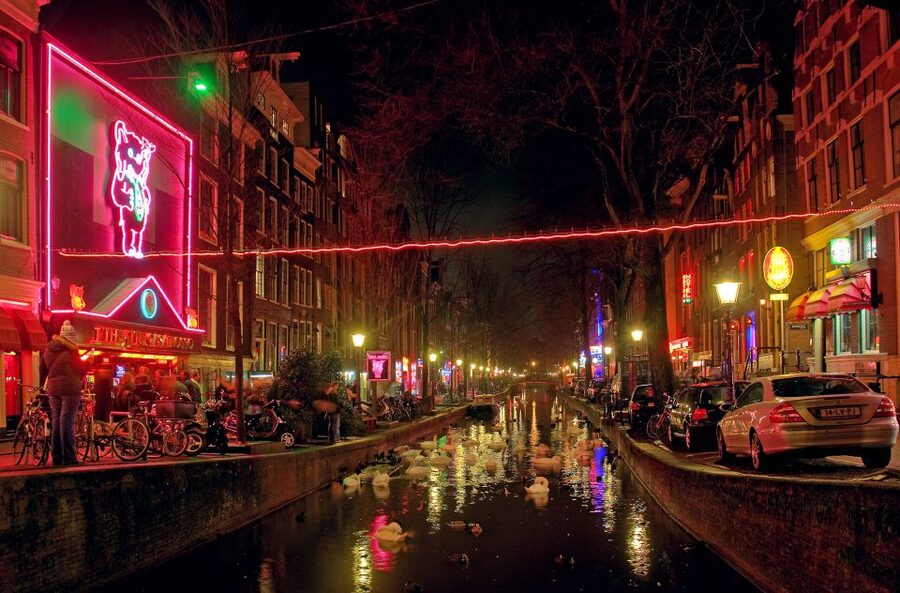
- Understanding the Red Light District beyond the windows
- Coffeeshops, soft drugs, and Dutch regulation
- Amsterdam’s long road toward inclusion
- The guides are the heart of the experience
- Is $31 a fair price for two hours?
- Who should book this walk?
- My verdict on the Sex, Drugs, and Freedom Walking Tour
- FAQ
- How long is the Amsterdam Sex, Drugs, and Freedom Walking Tour?
- How much does the tour cost?
- What topics does the tour cover?
- Which landmarks are included?
- Is food or drink included?
- What languages are available?
- Can I book a private group?
- Where does the tour meet?
- What should I bring?
- Can I cancel for a refund?
Key points to know before booking
- Amsterdam’s liberal image gets a closer look: Learn how prostitution, coffeeshops, gay rights, and sexual liberty shaped the city.
- The Red Light District is treated as a workplace and social issue: The tour explains legalization, working conditions, and how the district developed.
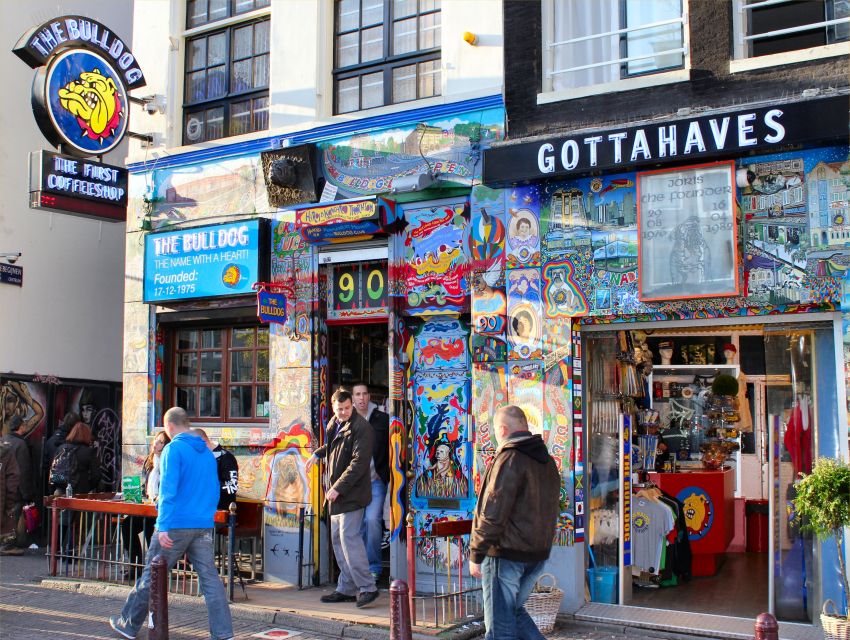
- You see both famous sights and local corners: Stops include the Old Church, Dam Square, the Royal Palace, the Condomerie, and places less obvious to first-time visitors.
- A strong guide makes the difference: Past guides including Martin, David, Stan, Jesse, and others have been praised for humor, patience, stories, and clear answers.
- The pace is useful for a first visit: Two hours can help you get your bearings, though it leaves limited time for detailed discussion.
- You pay for interpretation, not admission tickets: At $31 per person, the value rests on the guide’s context and the route rather than included food, drinks, or attraction entry.
What this Amsterdam walking tour is really about
The title is blunt, but the tour is not simply a tour of provocative sights. It uses Amsterdam’s famous relationship with sex and drugs as a way to explain how the city developed its ideas about personal freedom, regulation, equality, and public behavior.
That makes the experience more useful than a quick stroll past red-lit windows. You learn about the legal status of prostitution in the Netherlands, how the Red Light District changed over time, and what it can mean to work as a prostitute. The guide also discusses the country’s unusual drug regulations, the origins of coffeeshops, and the use and manufacturing of soft drugs.
I would choose this walk early in a first Amsterdam visit. It gives you a framework for places you may pass later on your own, and several people found it a good way to get their bearings in the district. The guide can also answer questions, which matters here because Amsterdam’s laws and customs are easy to misunderstand.
The tone appears to be educational rather than preachy. That is important. You do not need to agree with every Dutch policy to understand why certain systems developed and what needs they were meant to address.
More Walking Tours in Amsterdam
- Anne Frank’s Story – Guided Walking Tour through Amsterdam
★ 5.0 · 11,619 reviews - Amsterdam: Life of Anne Frank and World War II Walking Tour
★ 4.8 · 10,467 reviews - Absolutely Amsterdam – the Essential Introductory Walking Tour
★ 5.0 · 3,629 reviews
Starting among Amsterdam’s most famous sights
The exact meeting point depends on the option you book, so check your confirmation carefully. Once the walk begins, expect to move through winding streets and alleyways rather than follow one broad, simple avenue.
The route includes the Old Church, Amsterdam’s oldest building, set right beside the Red Light District. Its location creates one of the city’s sharpest contrasts: centuries-old religious architecture beside a modern commercial sex district. The tour can use that contrast to show how Amsterdam’s different worlds share the same compact city center.
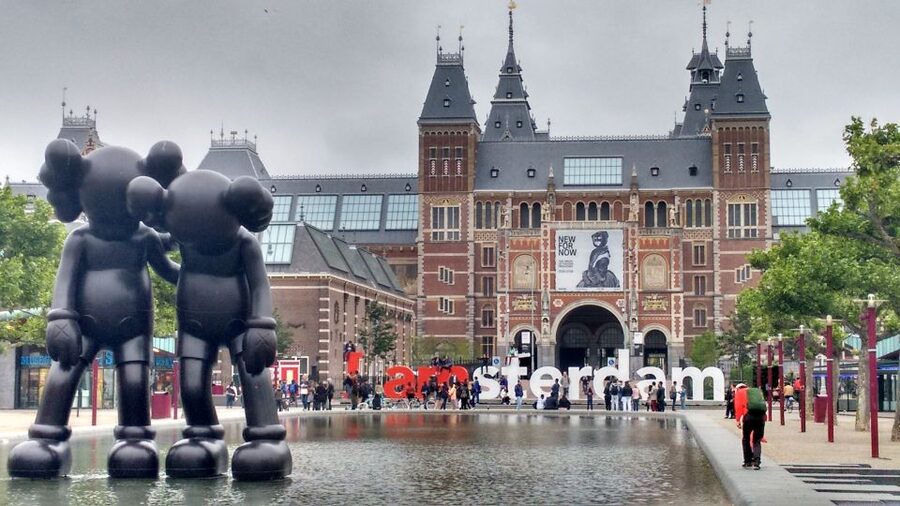
You also visit Dam Square, a central place for understanding Amsterdam’s public life. The Royal Palace adds another layer, linking the modern reputation of the city with its royal and civic identity. These stops are useful because the walk is not locked into one topic. You get major landmarks along with the more controversial material.
The Condomerie is another distinctive stop. Its presence fits the tour’s focus on sexual health, openness, and Amsterdam’s practical approach to subjects that many cities prefer to keep out of public view. It is the sort of place that makes more sense when a guide explains the social context rather than leaving you to draw conclusions from a quick glance.
The route also includes places known mainly to locals. The supplied details do not specify each one, and that is probably part of the appeal. You can expect some less obvious corners, but you should not book this expecting a fixed list of secret attractions.
Understanding the Red Light District beyond the windows
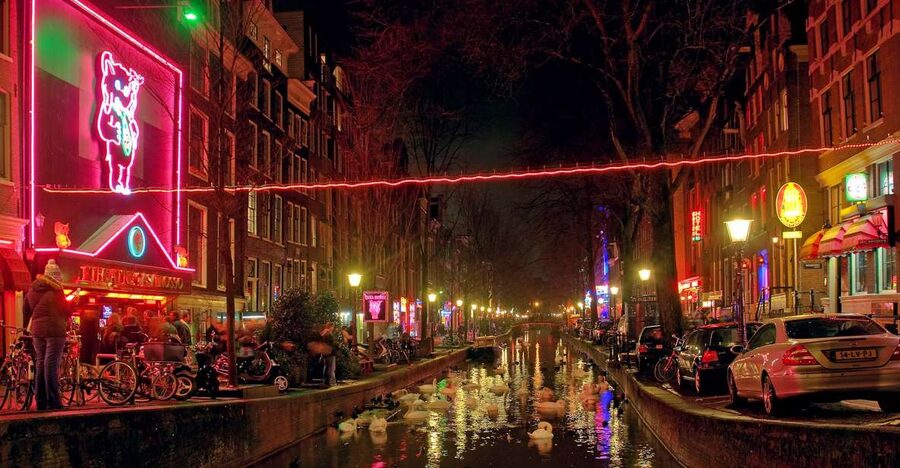
The Red Light District is easy to reduce to spectacle. This walk aims to give you a more grounded view by explaining prostitution as a regulated industry and discussing how legalization shaped the area.
That context is valuable because the district’s appearance can confuse first-time visitors. A short walk may show red-lit windows, crowds, adult businesses, and old buildings, but it cannot explain the laws, working arrangements, social debates, or human stories behind them. A guide helps separate what you are seeing from the assumptions you may bring with you.
You will hear about how the sex industry developed and what it is like to work as a prostitute. The tour also addresses the complex issues surrounding prostitution, rather than presenting legalization as a simple success story. That balance is one of its stronger features.
You should still keep your expectations realistic. The experience lasts only two hours, and the district contains more social and historical questions than any short walk can cover. If your main interest is the economics of prostitution or the Dutch legal system, you may want a longer specialist experience. One detailed assessment specifically wished for more discussion of the drug trade and the Netherlands economy, but also recognized that time was limited.
The guide’s conduct matters here. The best feedback focuses on friendly, patient, engaging leaders who explain sensitive topics without making the group uncomfortable. One guide, Jesse, was praised for clever humor and for helping people think about why sex and drugs came to be seen as ways to meet certain needs. That mix of wit and seriousness suits the subject well.
Coffeeshops, soft drugs, and Dutch regulation
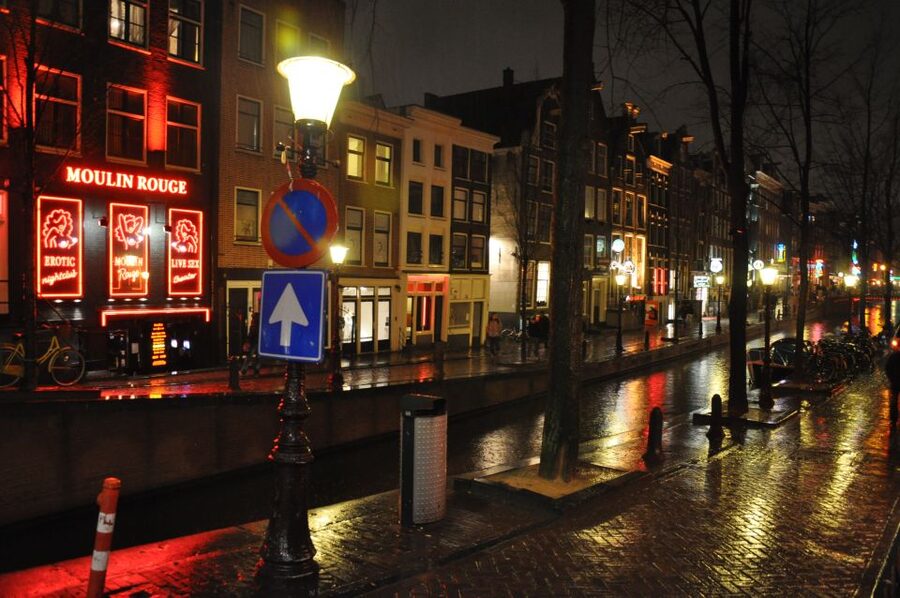
Amsterdam’s coffeeshops are often misunderstood outside the Netherlands. This tour explains their history and origins, along with the country’s peculiar approach to soft drugs.
The useful word here is context. You are not simply shown a coffeeshop and told that drugs are legal. The guide discusses how regulation works, how soft drugs are used and manufactured, and why Dutch policy developed in its own direction.
The information provided does not promise consumption, tastings, or entry into coffeeshops. Food and drinks are not included, and the experience is an expert-guided walking tour. I would therefore treat this as a discussion of policy and culture, not as a buying or sampling activity.
This part may be especially helpful if you have heard loose claims about Amsterdam’s drug laws. The Netherlands’ system has its own rules and limits, and the tour gives you a chance to ask questions. Still, two hours must be shared among drugs, prostitution, gay rights, local history, landmarks, and social issues. You will get an introduction, not a university course.
If drug policy is your chief reason for booking, ask the guide your questions early. That gives you a better chance of covering the points you care about before the group moves on.
More walking tours:
- Amsterdam: Anne Frank Guided Small Group Walking Tour
★ 4.8 · 2,722 reviews - Amsterdam: Anne Frank Walking Tour – Guided in EN/DE/IT/ES
★ 4.9 · 2,676 reviews - Amsterdam: Guided Cultural Walking Tour
★ 4.9 · 2,384 reviews - Amsterdam: Guided Ganja Walking Tour of Coffee Shops
★ 4.2 · 2,092 reviews
Amsterdam’s long road toward inclusion
The walk also looks at the Dutch fight for gay rights, social awareness, and sexual liberty. This widens the story beyond the Red Light District and makes the tour about Amsterdam’s identity as an inclusive city.
I like this part because it shows that freedom is not one single policy. It involves public attitudes, legal change, minority rights, health concerns, and arguments over what should be regulated. The guide connects these themes to the city you are walking through, rather than keeping them as abstract political facts.
The experience is likely a good fit if you want to understand why Amsterdam welcomes people who may feel less accepted elsewhere. The stated goal is to show how the city grew into an inclusive place, and the tour’s subjects support that goal.
At the same time, the walk cannot provide a full account of Dutch gay history or national equality law. Think of this as one thread in a broader city introduction. It works best for curious visitors who want social context alongside famous buildings.
The guides are the heart of the experience
A walking tour rises or falls on its guide, and the strongest praise here goes to the people leading it. Martin was described as friendly and well informed, while David was appreciated for sharing highlights along with his own family history in Amsterdam. Stan received warm praise for explaining sex workers, coffeeshops, and the Red Light District.
Other guides have been singled out for charisma, clear answers, and engaging stories. One guide kept a distracted, tipsy group together with patience and calm, which tells you something practical about group management. Another was praised for keeping the walk informative and well paced.
The guide language options are English, Dutch, Spanish, and German. A private group is also available, which may suit you if you want more room for questions or prefer not to discuss sensitive subjects in a larger mixed group.
Because the meeting point can vary by booking option, do not assume every departure starts in the same place. Wear comfortable shoes, bring water, and choose comfortable clothes. The route moves through city streets and alleys, so this is not a sit-down lecture.
Is $31 a fair price for two hours?
At $31 per person, the cost is reasonable if you value explanation and local orientation. You are paying for a live guide, a carefully chosen route, and access to stories that are difficult to gather from signs or guidebooks. The major sights themselves do not make the price worthwhile, since you can see Dam Square and the Royal Palace without joining a tour.
The real value lies in the connections. A guide can explain why a church sits beside the Red Light District, how coffeeshops fit into Dutch policy, and how prostitution became legal. You also get the benefit of someone answering questions in real time.
Food and drinks are not included, and no attraction admission is listed. That keeps the price clear, but you should budget separately for anything you buy during or after the walk.
I see this as a good-value orientation tour for a first visit. It is less compelling if you already know Amsterdam’s social history or want a long, detailed academic discussion. The private-group option may offer better value for families or friends who want a more personal pace.
Free cancellation is available up to 24 hours before departure for a full refund, and you can reserve now while paying later. Those options help if your Amsterdam schedule is still changing.
Who should book this walk?
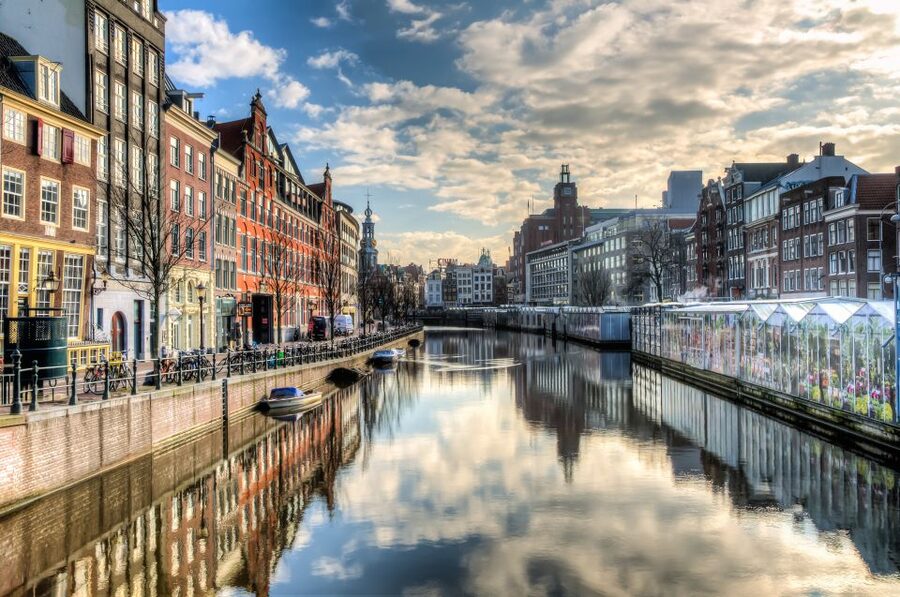
I would recommend it to adults and older teens who are comfortable discussing prostitution, drug policy, sexual freedom, and gay rights in a direct but educational setting.
It suits you especially well if:
- You are visiting Amsterdam for the first time and want quick orientation.
- You prefer social history to a standard monument-only walk.
- You want a guide who can answer questions about coffeeshops and the Red Light District.
- You enjoy local stories, humor, and lesser-known city corners.
- You want to understand the city’s liberal reputation instead of merely photographing it.
I would hesitate if you want a quiet architectural tour, a family activity centered on traditional sights, or a detailed specialist course on Dutch drug economics. The subject matter is adult, and the short duration limits how far the guide can go.
The activity is also not suitable for people with mobility impairments. The winding streets and alleyways make comfortable footwear and a reasonable ability to walk important.
My verdict on the Sex, Drugs, and Freedom Walking Tour
Book this tour if you want Amsterdam explained through its most debated subjects, not just its prettiest views. The best parts are the local storytelling, the clear discussion of prostitution and coffeeshops, and the link between sexual liberty, drug policy, equality, and the city’s public life.
I especially like that the walk includes familiar landmarks and less obvious places. That combination helps you get your bearings while also showing why Amsterdam feels different from many European capitals.
Just keep the limits in mind. Two hours provides a lively introduction, not a complete study of the Red Light District or Dutch policy. At $31, it is a sensible choice for a first look, particularly when you book with a guide who brings the same humor, patience, and personal insight praised in guides such as Martin, David, Stan, and Jesse.
FAQ
How long is the Amsterdam Sex, Drugs, and Freedom Walking Tour?
The tour lasts two hours.
How much does the tour cost?
The listed price is $31 per person.
What topics does the tour cover?
It covers Amsterdam’s Red Light District, prostitution laws, coffeeshop origins, soft drugs, gay rights, sexual liberty, social awareness, and the city’s inclusive culture.
Which landmarks are included?
The route includes the Old Church, the Condomerie, the Royal Palace, and Dam Square. It also visits places known mainly to locals.
Is food or drink included?
No. Food and drinks are not included.
What languages are available?
The live guide may lead the tour in English, Dutch, Spanish, or German.
Can I book a private group?
Yes. A private group option is available.
Where does the tour meet?
The meeting point may vary depending on the option you book. Check the details for your selected option before departure.
What should I bring?
Bring comfortable shoes, water, and comfortable clothes.
Can I cancel for a refund?
Yes. You can cancel up to 24 hours in advance for a full refund. You can also reserve now and pay later.
Just added around Amsterdam
- Amsterdam 1-Hour Rickshaw Tour★ 4.9 · 17 reviews
- Amsterdam: Canal Cruise and Jewish Cultural Quarter Tickets★ 4.2 · 17 reviews
- Keukenhof Gardens and Tulip Experience Tour from Amsterdam★ 4.8 · 17 reviews
- Discover Amsterdam’s city center in this Outside Escape game tour★ 4.5 · 18 reviews
- Marken, Volendam and Edam: Private Full-Day Tour★ 4.6 · 18 reviews
- Amsterdam: Personal Travel & Vacation Photographer★ 4.8 · 18 reviews
- Amsterdam: Luxury Saloon Boat Cruise with 3-Course Dinner★ 3.9 · 18 reviews
- Rijksmuseum & Amsterdam City Center Semi-Private Tour 12ppl Max★ 5.0 · 18 reviews
Walking Tours, compared.
Anne Frank’s Story – Guided Walking Tour through Amsterdam
Read our review →
Life of Anne Frank and World War II Walking Tour
Read our review →
Absolutely Amsterdam – the Essential Introductory Walking Tour
Read our review →

Anne Frank Walking Tour – Guided in EN/DE/IT/ES
Read our review →

Anne Frank Walking Tour Amsterdam Including Jewish Cultural Quarter
Read our review →Browse the lists this tour appears in