
REVIEW · ANNE FRANK TOURS
Amsterdam: The Life of Anne Frank Walking Tour
Anne Frank’s story began long before the Secret Annex. This 1.5-hour walk follows her childhood in Amsterdam, taking you through the square where she lived, the schools she attended, the bookstore connected with her diary, and the home of Miep Gies, one of the family’s helpers. I like the personal scale of the tour and its focus on Amsterdam South, an area many visitors miss. I also like that it gives you a fuller picture of Anne as a young girl, not only as the writer known from the diary.
The main thing to keep clear is that this tour does not include entry to the Anne Frank House. You will see places connected with Anne’s early life from the outside, so book it for context and reflection rather than for access to the Secret Annex itself. At $18 per person, it offers solid value if you want a focused introduction and a break from central Amsterdam’s crowded sights.
In This Review
- Key Points At A Glance
- Why Anne’s Amsterdam Childhood Matters
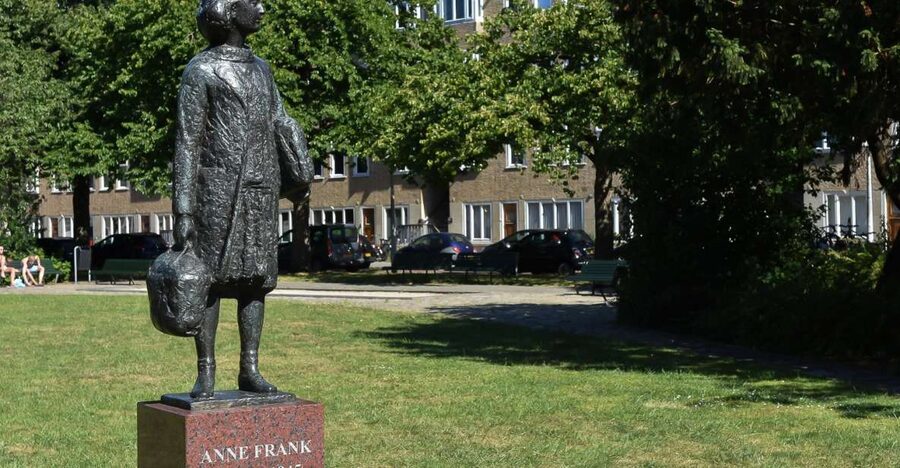
- Starting At Merwedeplein And Anne’s Statue
- Amsterdam South Beyond The Usual Canal Route
- The Schools And Neighborhoods That Shaped Anne
- The Bookstore And Anne’s Famous Diary
- Miep Gies And The People Who Helped
- What The Guide Adds In 90 Minutes
- Is $18 A Fair Price?
- Who Will Get The Most From This Walk?
- Should You Book The Life Of Anne Frank Walking Tour?
- FAQ
- Does this tour include entry to the Anne Frank House?
- How long does the walking tour last?
- Where does the tour begin?
- Where does the tour end?
- What language is the tour offered in?
- What places connected with Anne Frank will I see?
- Is the tour suitable for wheelchair users?
- Can I cancel the booking?
Key Points At A Glance
- Anne’s childhood comes first: The tour focuses on her life before hiding, including her schools, home area, friends, and daily surroundings.
- Start at Merwedeplein 61: You meet in front of Anne’s statue on Merwedeplein, the square where she lived before the family went into hiding.
- See the bookstore linked with her diary: The route passes the shop where Otto Frank bought Anne’s diary.
- Miep Gies becomes part of the story: You pass the home of Otto Frank’s secretary, who helped protect the family and later saved Anne’s diary.
- Amsterdam South adds another layer: The walk shows a 1920s and 1930s district shaped by new ideas in architecture, city planning, and social housing.
- Allow for simple walking conditions: Comfortable shoes and an umbrella are sensible, and the route is not suitable for wheelchair users or people with mobility impairments.
Why Anne’s Amsterdam Childhood Matters
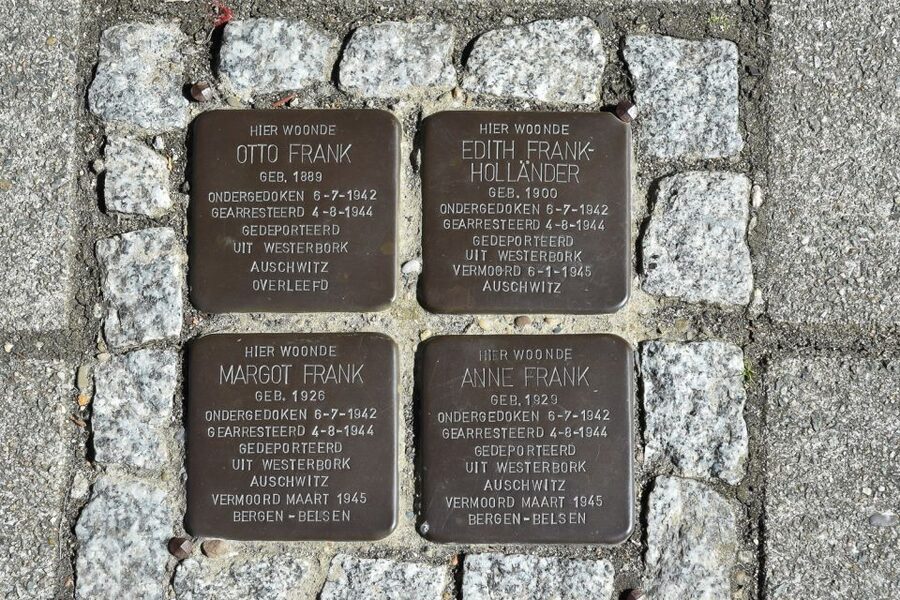
Most people meet Anne Frank through the diary and the hidden rooms behind the Anne Frank House. That setting is powerful, but it can also reduce her life to the final years of fear and confinement. This tour shifts the focus to the girl she was before the war narrowed her world.
Anne was born in Frankfurt am Main on June 12, 1929. In 1933, Otto Frank moved the family to Amsterdam as antisemitism grew more dangerous in Germany. The family’s move was part of a search for safety, and Amsterdam became the city where Anne spent much of her childhood.
I find that change in focus useful. You see the places tied to school, friends, family, and ordinary routines. Those details help you picture Anne as a young person with a life in progress, not simply as a historical figure whose story begins in hiding.
The guide leads in English and has a chance to explain how the neighborhood shaped Anne’s early years. The strongest praise for this experience centers on the guide’s energy, insight, and willingness to answer questions. That matters on a serious subject. A good guide can add context without turning the walk into a dry list of dates.
More Walking Tours in Amsterdam
- Anne Frank’s Story – Guided Walking Tour through Amsterdam
★ 5.0 · 11,619 reviews - Amsterdam: Life of Anne Frank and World War II Walking Tour
★ 4.8 · 10,467 reviews - Absolutely Amsterdam – the Essential Introductory Walking Tour
★ 5.0 · 3,629 reviews
Starting At Merwedeplein And Anne’s Statue
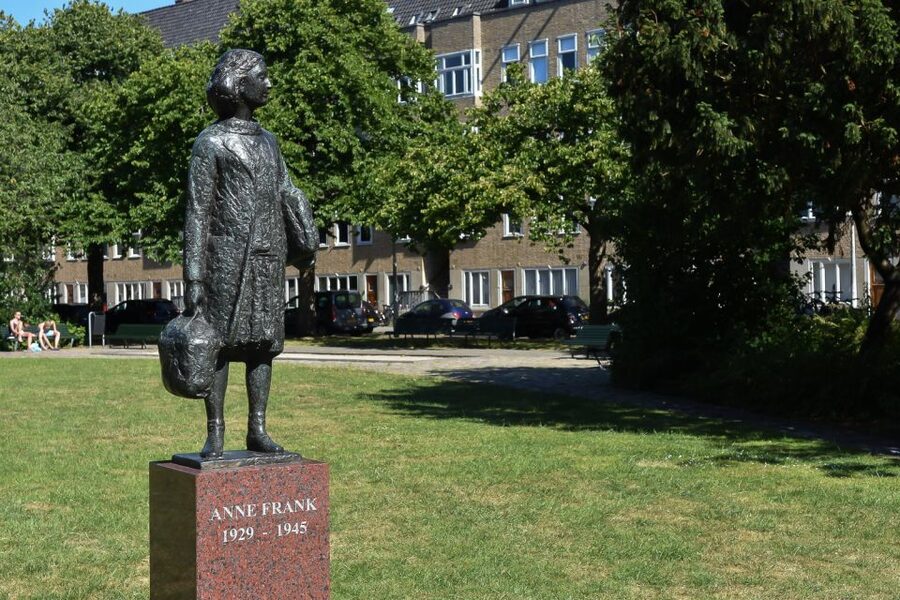
The meeting point is Merwedeplein 61, in front of Anne’s statue on the square. This is not a random place to begin. Anne lived in the area before the family moved into the Secret Annex, so the tour starts in the setting that best supports its main idea: Anne had a life in Amsterdam before the diary became famous.
A square gives the opening some room to breathe. You are not beginning in a narrow lane packed with bicycles and tourists. Instead, you can get your bearings while the guide introduces Anne’s family, their arrival from Germany, and the place Amsterdam held in her childhood.
Look closely at the surroundings before the walk gets underway. The neighborhood offers a different view of Amsterdam from the canals and old brick houses in the center. Its buildings and open spaces reflect the planning ideas of the 1920s and 1930s, including attention to housing and public space.
The statue is also a useful visual marker. If you arrive early, you can easily identify the meeting point without hunting for a shop entrance or waiting inside a busy café. The booking information recommends comfortable shoes, and that advice is worth following even though the description calls the amount of walking small.
Amsterdam South Beyond The Usual Canal Route
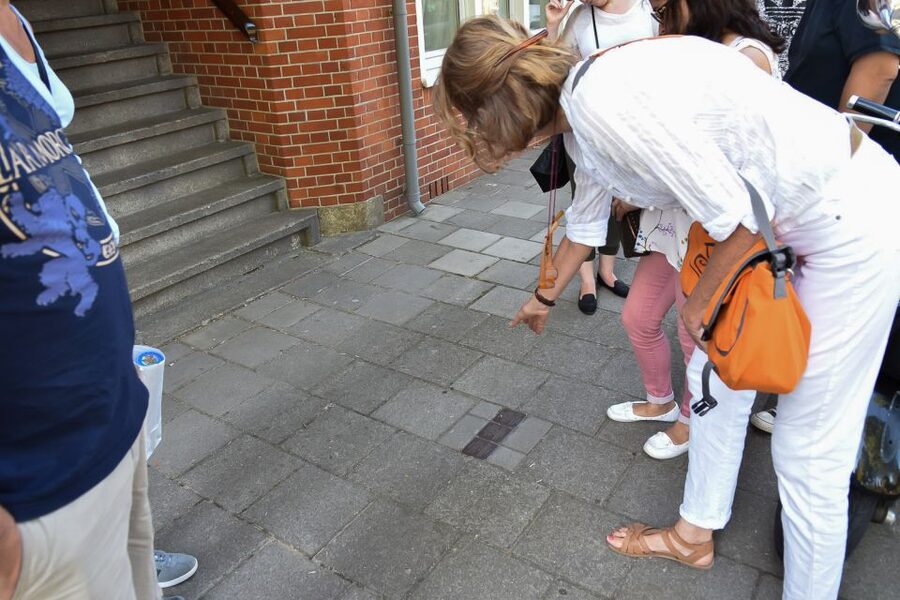
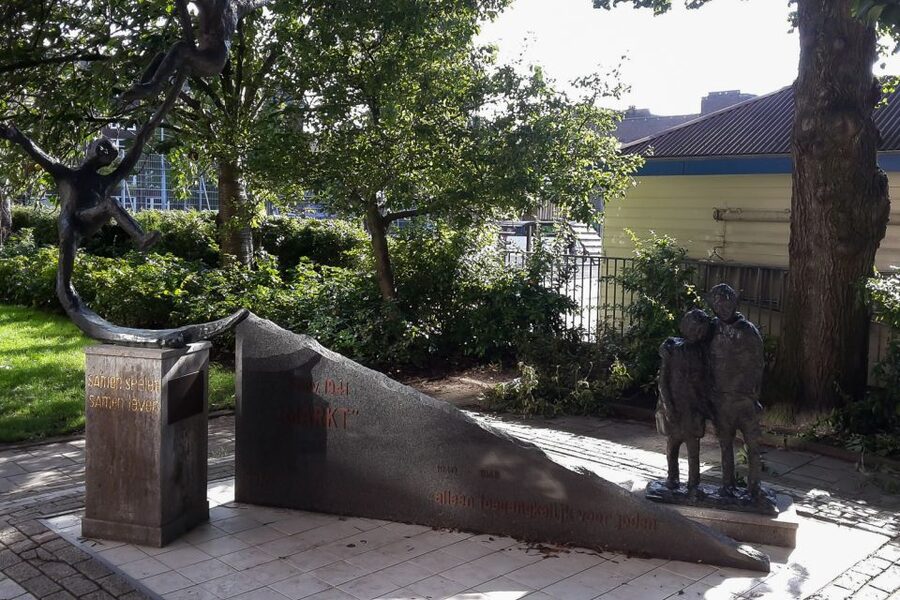
Amsterdam South gives the tour much of its character. This part of the city is less familiar to first-time visitors than the historic center, yet it helps explain the setting in which Anne grew up.
The district was built in the 1920s and 1930s, a period when architects and planners were testing new approaches to urban design. Social housing, practical apartment blocks, and planned streets created a more organized setting than the old center. You are not simply walking between Anne-related stops. You are also seeing the kind of neighborhood that formed her everyday world.
I like this wider view because it keeps the tour from becoming a string of isolated addresses. The streets, homes, schools, and square belong together. They show where a child went to school, met friends, and lived with her family.
There is a practical tradeoff. If your time in Amsterdam is short, getting to South Amsterdam takes you away from the canal belt and major museums. That is also the point. This walk suits you best if you have already seen some of the center or want an experience that feels more local and residential.
The tour begins and ends at Merwedeplein 61, making the route simple to follow. Since the full experience lasts about 90 minutes, you can pair it with another plan nearby rather than giving up most of your day.
The Schools And Neighborhoods That Shaped Anne
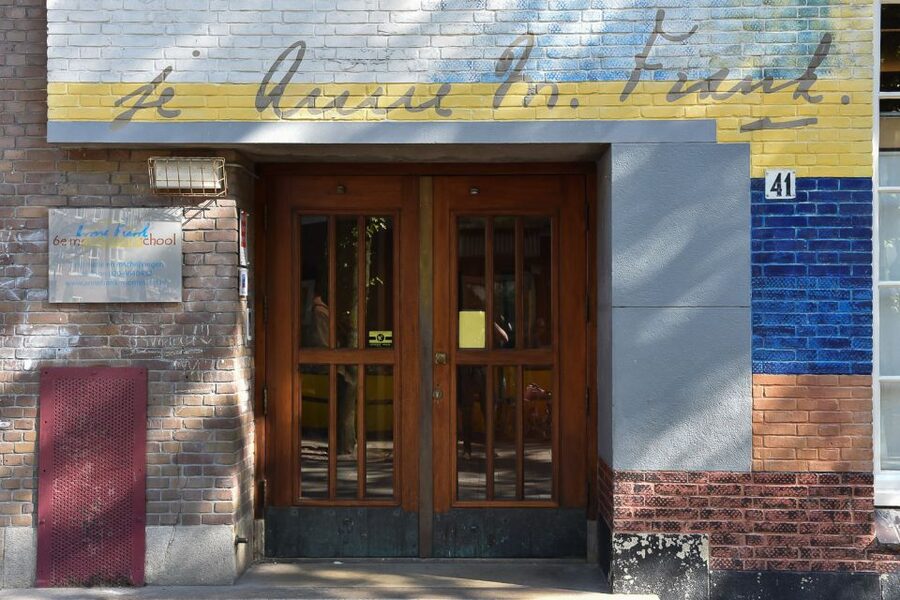
One of the walk’s most meaningful elements is the attention given to Anne’s schools. The tour visits or passes the school buildings connected with her early years, including the Montessori school mentioned in the route.
A school building may not sound as dramatic as the Anne Frank House, but it carries a different kind of value. It points to Anne’s ordinary life: lessons, classmates, teachers, and the routines of growing up. Seeing the building helps place her diary in the context of a young person who had already formed interests, friendships, and opinions before the war took over.
The guide also points out the neighborhood where Anne played with friends. These details are easy to overlook when the story is told only through the final years. The walk asks you to consider what was lost when a normal childhood was interrupted.
You should expect exterior viewing rather than a museum-style indoor visit. The tour does not promise admission to the schools, homes, or other buildings along the route. Its strength is the guide’s explanation and the connection between the locations, not access behind closed doors.
The best approach is to listen for the links between stops. A school, a square, and a home may each seem modest on their own. Together, they create a clearer sense of Anne’s place in Amsterdam before she went into hiding.
More Anne Frank walks and tickets:
- Amsterdam: Anne Frank Guided Small Group Walking Tour
★ 4.8 · 2,722 reviews - Amsterdam: Anne Frank Walking Tour – Guided in EN/DE/IT/ES
★ 4.9 · 2,676 reviews - Anne Frank Walking Tour Amsterdam Including Jewish Cultural Quarter
★ 5.0 · 1,879 reviews - Anne Frank’s Last Walk & See Anne Frank House in Virtual Reality
★ 5.0 · 957 reviews
The Bookstore And Anne’s Famous Diary
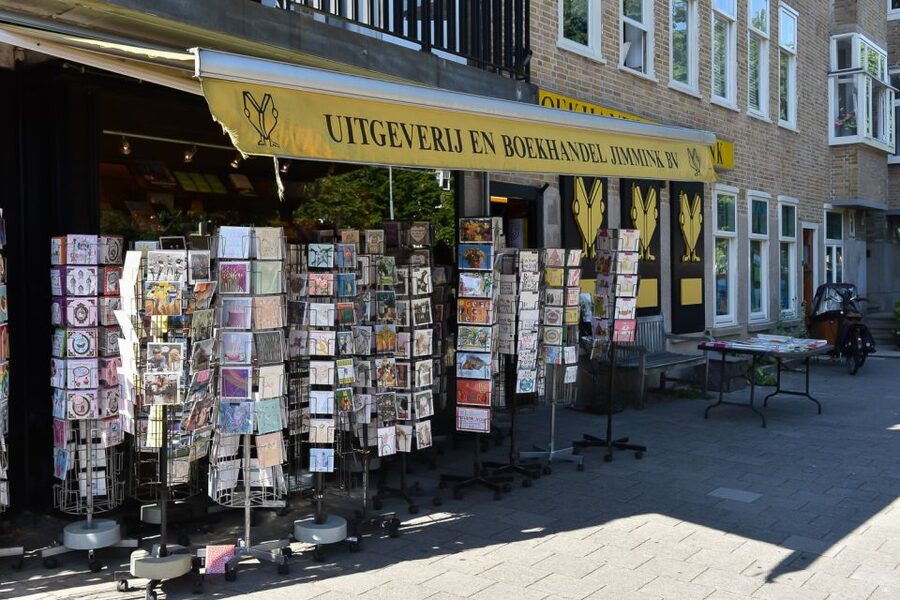
The bookstore connected with Anne’s diary is one of the route’s most distinctive stops. You see the bookstore where Otto Frank bought the diary that Anne later used to record her thoughts during the family’s time in hiding.
This moment connects the familiar object with a real part of Amsterdam. The diary is often treated as a book that appeared fully formed from the story of the Secret Annex. Here, you are reminded that it began as a physical object bought by her father in the city where the family lived.
The stop also gives the guide a natural way to explain the diary’s later importance. Published after Anne’s death, it became one of the most widely read books in the world, with more than 30 million copies sold. That figure is impressive, but the place itself keeps the story grounded.
Again, you should expect to see the location from the outside. There is no indication that the tour includes a purchase, a private visit, or an indoor presentation. The value comes from knowing what happened there and understanding how an ordinary Amsterdam shop became linked to a book read across the world.
I would pay close attention here if you already know the diary well. This stop may be brief, but it adds a concrete detail that a general Anne Frank introduction may leave out.
Miep Gies And The People Who Helped
The route passes the home of Miep Gies, Otto Frank’s secretary and one of the people who helped protect the Frank family. Her role gives the walk an important second perspective.
Anne’s diary is often the center of the story, but it survived because other people took serious risks. Miep Gies helped the family during the hiding period and later saved Anne’s diary after the family was arrested. Seeing the place connected with her makes the story less isolated. It reminds you that the hidden family depended on a wider circle of people.
This is a valuable stop because it brings attention to action rather than only memory. A home exterior cannot tell the whole story, of course, but a guide can explain why Miep Gies mattered and how her actions affected what the world eventually learned about Anne.
The stop also helps balance the tour. You are not only following Anne from one childhood location to another. You are learning about the adults and helpers around her, including Otto Frank’s work and the people who supported the family.
As with the other stops, keep your expectations realistic. You are passing by the home, not entering it. The meaning comes from the explanation, the location, and the way the guide connects it to the diary’s survival.
What The Guide Adds In 90 Minutes
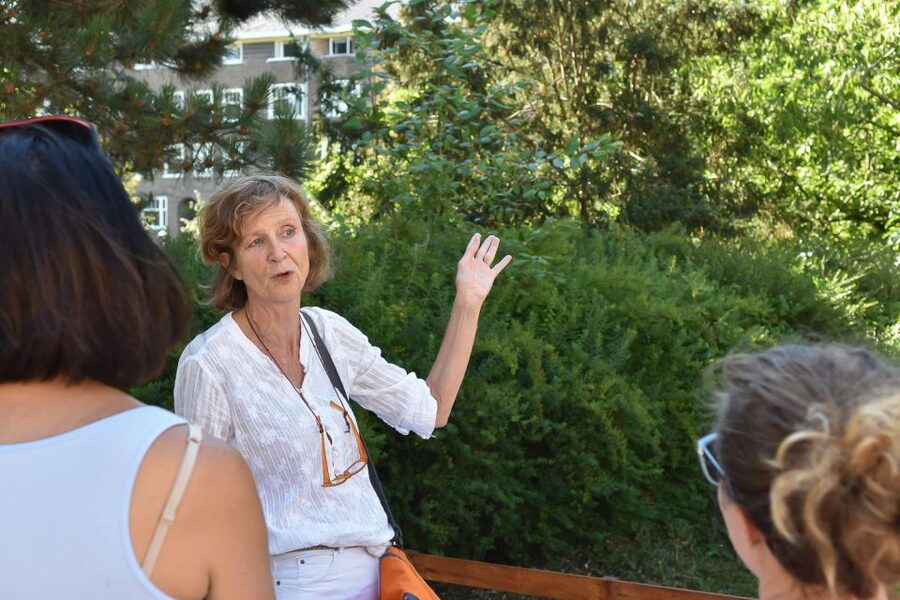
A short walk like this depends heavily on the guide. The route covers several locations, but the facts alone would not be enough. You need someone who can explain why each stop matters and answer questions with care.
The available feedback gives the guide high marks for being fun, energetic, well-versed, and insightful. One particularly useful detail is that questions are welcomed and answered with sufficient detail. That suggests a tour that is not limited to a memorized speech.
The lively tone may appeal to you if you prefer a guide who keeps the pace moving. The subject is painful, but a flat delivery can make any walking tour hard to follow. Energy does not mean the topic is treated lightly. It can help the information hold your attention during a route made mostly of exterior stops.
The tour is offered in English. No other language is listed, so you should book only if you are comfortable following an English-language explanation for the full 1.5 hours.
The group size is not provided. That means you should not assume a private walk or a very small group. A smaller group would make questions easier, while a larger one could make it harder to hear or gather around a stop. Arrive at the statue on Merwedeplein a little early so you can find the guide without a last-minute scramble.
Is $18 A Fair Price?

At $18 per person, this is a reasonably priced introduction to Anne Frank’s Amsterdam. You are paying for a live English guide, a planned walking route, and the background that connects several places in Amsterdam South.
The value is strongest if you want context. You could walk through the area on your own, but you might miss why the schools, bookstore, square, and home of Miep Gies belong in the same story. The guide turns a residential district into a meaningful route.
The price does not include food, drinks, or admission to the Anne Frank House. That last point matters most. You will need a separate ticket if you also want to visit the Secret Annex, and this tour does not provide access or help you enter it.
I would not book this expecting a substitute for the Anne Frank House. I would book it as a companion experience, especially if you want to understand Anne’s life before hiding and see an area outside central Amsterdam.
Free cancellation up to 24 hours before the start and the option to reserve now and pay later add useful flexibility. They do not change the tour itself, but they make it easier to fit into a shifting Amsterdam schedule.
Who Will Get The Most From This Walk?
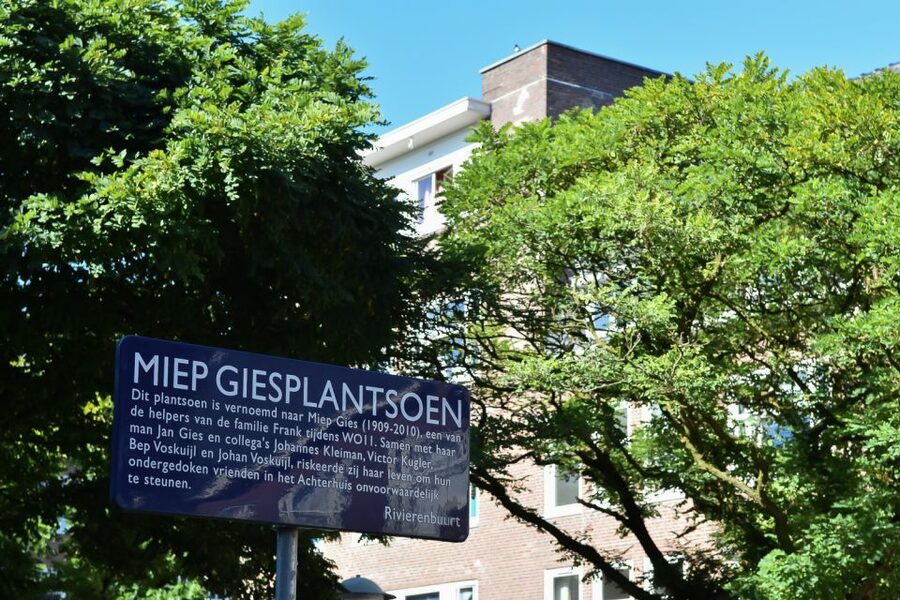
I would recommend this tour to you if you have read Anne Frank’s diary, plan to visit the Anne Frank House, or want a more personal way to approach the subject. It is also a good fit if you prefer residential neighborhoods to major tourist sights.
Families with older children may find the route helpful because schools, homes, and a familiar neighborhood can make the story easier to understand. The subject remains serious, so parents should decide if the material suits their children.
History-minded visitors will appreciate the attention to Otto Frank, Miep Gies, the diary, and the family’s move from Germany to Amsterdam. Architecture fans also get something extra from the 1920s and 1930s planning and social housing in South Amsterdam.
You may want to skip it if you only have a few hours in Amsterdam and want the city center’s top sights. You should also choose another activity if you need step-free access or use a wheelchair, since the tour is not suitable for wheelchair users or people with mobility impairments.
Bring comfortable shoes and an umbrella. The walk takes place outdoors, and rainy Amsterdam weather can change your experience quickly. Cameras are allowed, but the respectful choice is to treat the residential settings as places connected with real lives, not simply photo stops.
Should You Book The Life Of Anne Frank Walking Tour?
Book it if you want to see Anne Frank’s Amsterdam before the Secret Annex. For $18, you get a focused 90-minute walk with a live English guide, several meaningful exterior stops, and a look at Amsterdam South that most short city visits skip.
The tour works best alongside a visit to the Anne Frank House, not instead of it. The house provides the interior setting of the hiding period. This walk adds the childhood years, the schools, the bookstore, the neighborhood, and the people who surrounded Anne.
Skip it if you need indoor attractions, wheelchair access, or a tour centered on entering famous sites. For everyone else, it offers a thoughtful and fairly priced way to understand the person behind the diary.
FAQ
Does this tour include entry to the Anne Frank House?
No. The tour does not grant access to or include an entry ticket for the Anne Frank House.
How long does the walking tour last?
The tour lasts 1.5 hours.
Where does the tour begin?
It begins at Merwedeplein 61, in front of Anne’s statue on Merwedeplein in Amsterdam South.
Where does the tour end?
The walk returns to Merwedeplein 61.
What language is the tour offered in?
The live guided tour is offered in English.
What places connected with Anne Frank will I see?
You will see the area where Anne lived before the Annex, schools connected with her childhood, the bookstore where Otto bought her diary, the neighborhood where she played, and the home of Miep Gies.
Is the tour suitable for wheelchair users?
No. The tour is not suitable for wheelchair users or people with mobility impairments.
Can I cancel the booking?
Yes. You can cancel up to 24 hours in advance for a full refund. You can also reserve now and pay later.
More Walking Tours
- Amsterdam: Guided Cultural Walking Tour
★ 4.9 · 2,384 reviews - Amsterdam: Guided Ganja Walking Tour of Coffee Shops
★ 4.2 · 2,092 reviews - Amsterdam Highlights Walking Tour: Small Group Experience
★ 5.0 · 1,132 reviews - Amsterdam Small-Group Walking Tour
★ 4.7 · 995 reviews
Just added around Amsterdam
- Amsterdam 1-Hour Rickshaw Tour★ 4.9 · 17 reviews
- Amsterdam: Canal Cruise and Jewish Cultural Quarter Tickets★ 4.2 · 17 reviews
- Keukenhof Gardens and Tulip Experience Tour from Amsterdam★ 4.8 · 17 reviews
- Marken, Volendam and Edam: Private Full-Day Tour★ 4.6 · 18 reviews
- Discover Amsterdam’s city center in this Outside Escape game tour★ 4.5 · 18 reviews
- Amsterdam: Personal Travel & Vacation Photographer★ 4.8 · 18 reviews
- Amsterdam: Luxury Saloon Boat Cruise with 3-Course Dinner★ 3.9 · 18 reviews
- Rijksmuseum & Amsterdam City Center Semi-Private Tour 12ppl Max★ 5.0 · 18 reviews
Anne Frank Tours, compared.
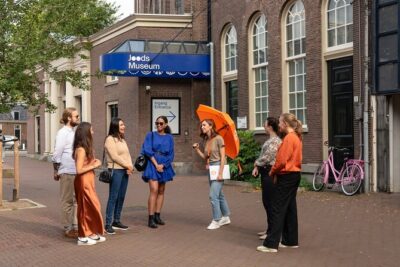
Anne Frank’s Story – Guided Walking Tour through Amsterdam
Read our review →
Life of Anne Frank and World War II Walking Tour
Read our review →

Anne Frank Walking Tour – Guided in EN/DE/IT/ES
Read our review →
Anne Frank Walking Tour Amsterdam Including Jewish Cultural Quarter
Read our review →
Anne Frank’s Last Walk & See Anne Frank House in Virtual Reality
Read our review →
Anne Frank and Jewish Quarter Amsterdam Private Walking Tour
Read our review →
Browse the lists this tour appears in