
REVIEW · WWII & JEWISH HISTORY TOURS
Amsterdam: National Holocaust Museum Entry Ticket
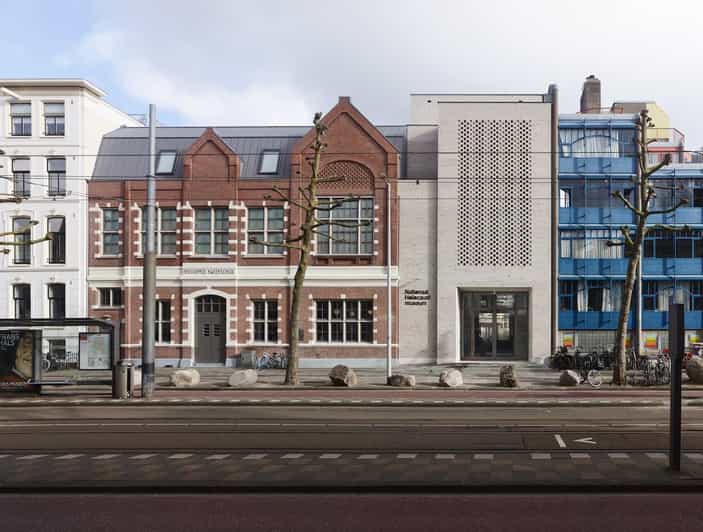
History has a human face here. Amsterdam’s National Holocaust Museum explains the persecution of Dutch Jews through personal stories, artifacts, and the building where Jewish children were helped to escape. I like the historic Hervormde Kweekschool setting and the careful attention given to Jewish life before the war, not just the years of murder and deportation. I also like that your ticket includes the Hollandsche Schouwburg National Holocaust Memorial. The main drawback is simple: there is a lot to read and hear, so a short visit can feel rushed.
This is a serious museum, not a quick stop between canals and cafés. Give it several hours if you can, and arrive with enough time to think rather than hurry from display to display. The museum is wheelchair accessible, photography is allowed if handled respectfully, and the ticket remains valid for seven days after first activation.
In This Review
- Key points at a glance
- Why the former Hervormde Kweekschool matters
- Start with Jewish life before the war
- How persecution became a system
- Children, rescue, and the daycare next door
- Personal accounts and the audio guide
- Objects, portraits, and display quality
- The Hollandsche Schouwburg memorial
- How much time should you allow?
- Is $24 a fair price?
- Who will get the most from this visit?
- Practical tips for a respectful visit
- Should you book the National Holocaust Museum?
- FAQ
- Where is the National Holocaust Museum?
- What does the entry ticket include?
- How long is the ticket valid?
- Does the ticket represent a seven-day tour?
- Is the museum wheelchair accessible?
- Is photography allowed?
- Can I cancel the booking?
Key points at a glance
- Children were gathered nearby for deportation: The museum’s former school building stood beside a daycare used by the Nazis as a collection point for Jewish children.
- Henriëtte Pimentel helped children escape: Her work connected the daycare with the Kweekschool and saved hundreds of children.
- Dutch Jewish life comes first: Exhibits show that Jews and non-Jews lived alongside each other with equal rights before the occupation.
- The ticket covers two important sites: Entry also includes the Hollandsche Schouwburg National Holocaust Memorial.
- Plan for a half day: The material is extensive, and several visitors needed more time before closing.
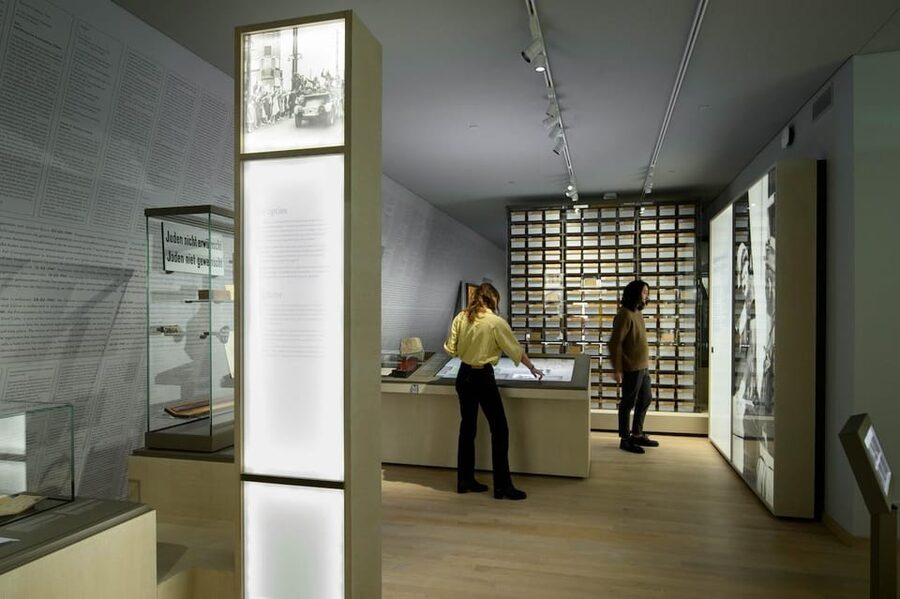
- The presentation uses personal evidence: Portraits, objects, written accounts, audio, and interactive holograms help give victims recognizable faces.
Why the former Hervormde Kweekschool matters
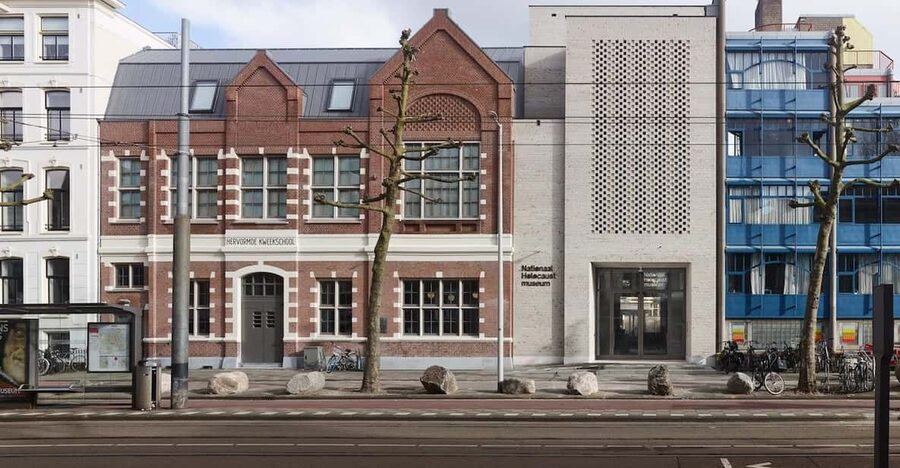
The building is not just a container for museum displays. The former Hervormde Kweekschool was part of the wartime story itself, which gives your visit extra weight from the moment you enter.
The adjacent daycare was used by the Nazis as a gathering point for Jewish children before deportation. Henriëtte Pimentel, the daycare’s director, helped hundreds of children escape, including through the Kweekschool. That detail changes how you read the rooms. You are not studying a distant event in a neutral gallery. You are standing in a place connected to rescue, fear, separation, and loss.
I find this kind of setting especially valuable because it links large historical facts to a specific address. The Holocaust can become an overwhelming sequence of numbers and dates. Here, the building helps ground the story in the daily choices made by children, families, teachers, and rescuers.
The museum does not turn the building into a theatrical attraction. Its strength is restraint. You are given the setting, the evidence, and the personal accounts, then left to consider what happened there.
More Attraction Tickets in Amsterdam
- Amsterdam: Van Gogh Museum Ticket
★ 4.7 · 52,054 reviews - Amsterdam: Heineken Experience Ticket
★ 4.6 · 30,055 reviews - Amsterdam: Rijksmuseum Entry Ticket
★ 4.7 · 25,535 reviews
Start with Jewish life before the war
One of the museum’s most important choices is to show Jewish life before the Nazi occupation. You learn about a society in which Jews and non-Jews lived alongside each other with the same rights.
That opening matters. It shows people as citizens, neighbors, parents, children, workers, and members of ordinary communities. The story is not presented as if Jewish life began with persecution or ended with statistics. The museum first gives you a sense of the lives that were later attacked.
Expect displays about daily life, personal identity, and the place of Jewish people in the Netherlands before the Second World War. Portraits and personal material help keep the focus on individuals. This is one reason the museum feels personal rather than purely political.
I recommend taking your time in this section. It is easy to hurry toward the wartime displays, but the earlier material gives the later rooms their full meaning. You understand what was destroyed because you have first seen something of what existed.
How persecution became a system
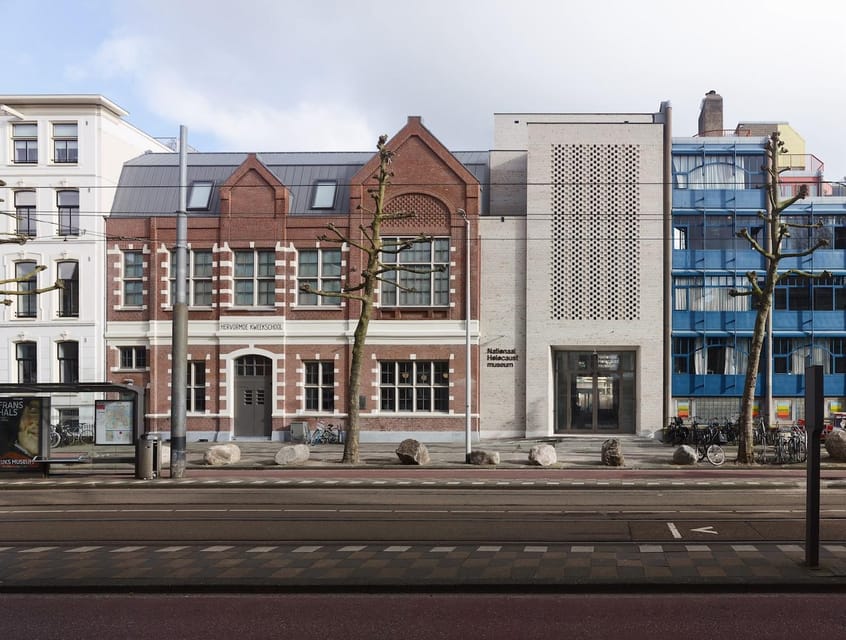
The museum explains the Holocaust as a process, not a single event. You see how restrictions and systems were put into place step by step, leading toward deportation and mass murder.
That gradual presentation is one of the strongest parts of the visit. It helps you understand how normal life was dismantled through rules, identification, exclusion, control, and forced movement. The horror did not arrive all at once. It grew through decisions that narrowed people’s freedom and made the next act of persecution easier.
The museum also places Dutch events within the wider Nazi crime. Approximately six million Jews were murdered across Europe. In the Netherlands, about three-quarters of the Jewish population was killed.
Those figures are essential, but the displays do not leave you with numbers alone. Personal accounts, portraits, and objects put names and faces beside the statistics. I appreciate this approach because it avoids treating the victims as an anonymous mass.
The presentation is direct and sober. It does not soften the Nazi atrocities, but it also avoids turning them into spectacle. That balance makes the material easier to confront, even when the subject is painful.
Children, rescue, and the daycare next door
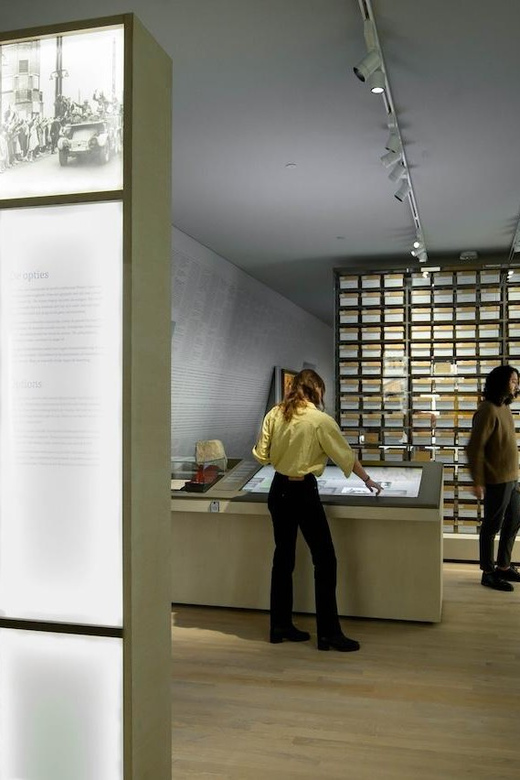
The section dealing with Jewish children is likely to stay with you longest. The nearby daycare became a place where children were gathered before deportation, while Henriëtte Pimentel worked to save hundreds of them.
The connection between the daycare and the Kweekschool gives this part of the museum a clear physical focus. You can understand how an institution intended for education became part of an effort to move children to safety.
The museum presents this story alongside the wider persecution, which helps you avoid a simple rescue tale. The courage of Pimentel and others is important, but it sits within a system designed to separate families and murder Jewish people.
This is also a useful section for families with older children, though parents should decide in advance how much historical detail is appropriate. The museum deals with atrocities plainly. It is educational, but it is not designed as a light or entertaining family attraction.
More Museums in Amsterdam
- Moco Museum Amsterdam Entrance Tickets with Banksy & More
★ 4.4 · 10,088 reviews - Amsterdam: The Upside Down Museum Entrance Ticket
★ 4.4 · 9,506 reviews - Amsterdam: Red Light Secrets Museum Entry Ticket
★ 4.2 · 5,722 reviews - Amsterdam’s Weirdest Museum: Believe It or Not!
★ 4.5 · 4,086 reviews
Personal accounts and the audio guide
Written accounts and recorded material add a human voice to the objects. An audio guide is available and provides information throughout the museum. It can help you follow the story when the printed material becomes dense.
Some audio content may require patience. English language visitors should check that the selected track remains in English, as one account reported that sections switched into Dutch. That is a small technical irritation, but it can interrupt the flow of a serious visit.
Interactive holograms are another feature you might encounter. They allow you to ask questions and receive answers, adding a more direct way to engage with personal testimony. Used alongside the objects and text, this can make the material easier to approach. It also adds another layer of information, so you may not want to use every feature at once.
If you want to absorb the museum properly, avoid treating the audio guide as background noise. Stop when a story catches your attention. You can read less in one room and return to it later, since the ticket is valid for seven days from first activation.
Objects, portraits, and display quality
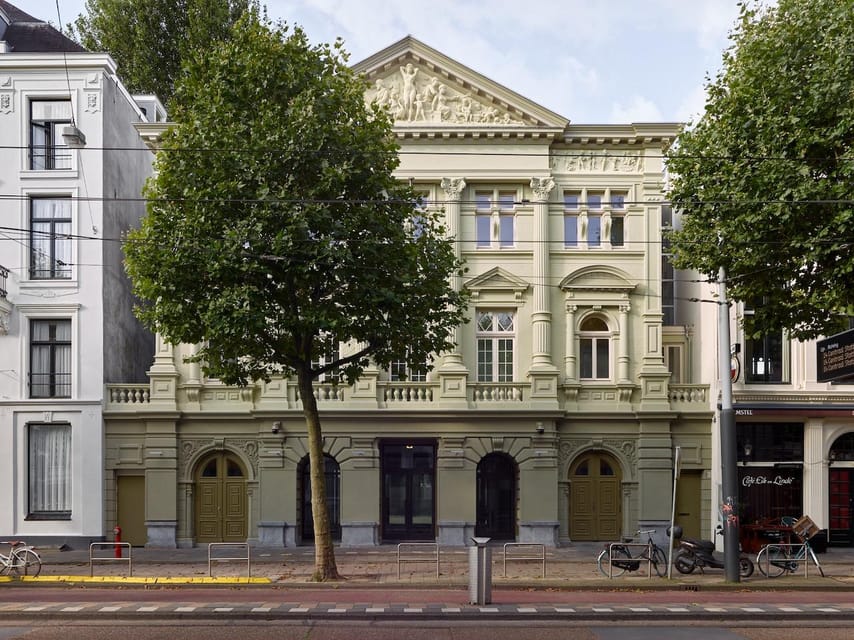
The exhibits include artifacts such as suitcases, portraits, photographs, and other personal material. These objects are not valuable because they are rare curiosities. They show the practical traces people left behind when their lives were controlled, interrupted, and destroyed.
The arrangement is generally clear, with labels and explanations that help you understand why each item is included. The museum’s use of recognizable faces is particularly effective. A portrait can make the distance between your life and theirs feel smaller.
There is one display issue to keep in mind. Reflective glass can make some objects difficult to see under the lighting, including suitcases and certain portraits. If an item is hard to view, shift your position and look from another angle before giving up.
A few exhibits may only be viewed comfortably by two people at a time. That can create small queues, especially when the museum is busy. You may need to decide between waiting and moving on, then returning later.
The Hollandsche Schouwburg memorial
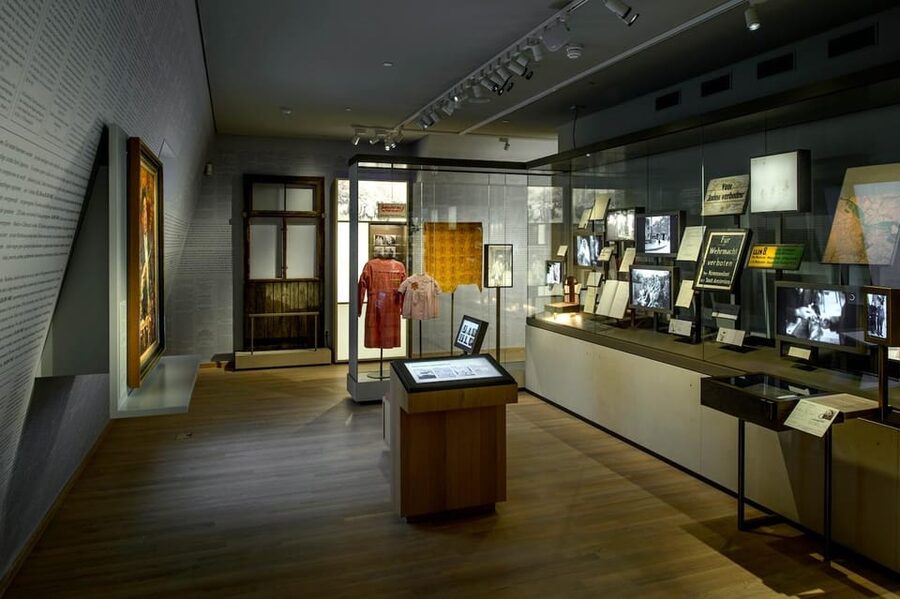
Your ticket also includes entry to the Hollandsche Schouwburg National Holocaust Memorial. This is a major benefit because it lets you connect the museum’s wider account with another site linked to the persecution of Amsterdam’s Jewish population.
Treat the two places as separate parts of one historical visit, not as a single gallery. The ticket is valid for seven days after activation, so you do not have to force both locations into the same afternoon. That flexibility is useful if the main museum leaves you mentally tired.
A split visit may be the better plan. Spend several hours at the National Holocaust Museum, take a break, then visit the Hollandsche Schouwburg on another day. The subject deserves attention, and you will retain more if you give yourself space between the sites.
The supplied information does not specify a detailed route or travel time between the two locations, so check the day’s opening arrangements before setting out. The important point is that both memorial sites are covered by the same admission.
How much time should you allow?
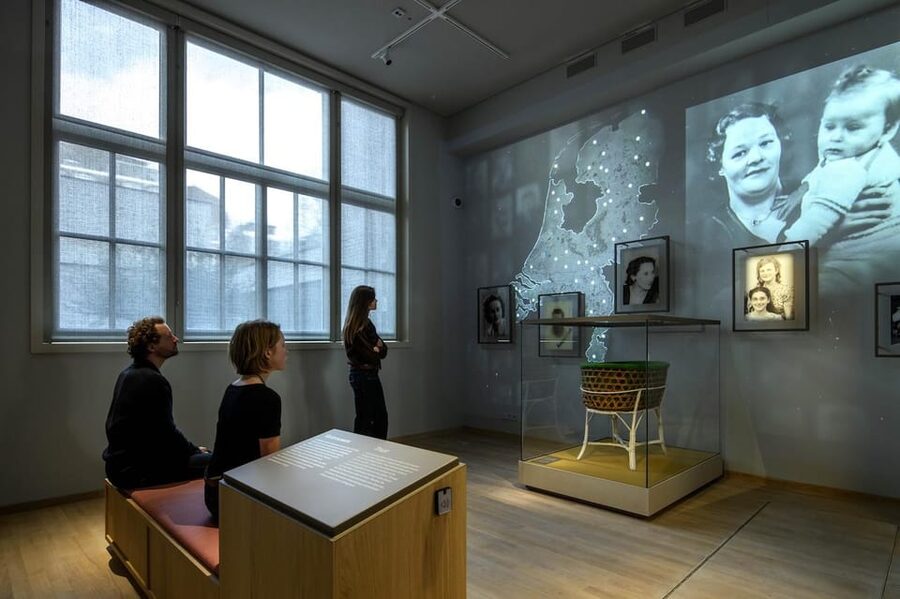
The stated validity is seven days, not a seven-day guided tour. Your admission can be used from its first activation for that period.
For the main museum, I would allow at least half a day if you want to read the panels, listen to the audio material, view the objects, and pause at the personal accounts. A shorter visit is possible, but you will have to be selective.
Closing time is worth watching closely. Visitors who arrived late in the day were asked to leave right at closing, leaving too little time to finish the exhibition. Do not plan to arrive near the end of the day and expect an extra quarter hour.
The museum café is another practical plus. It gives you a place to pause after emotionally demanding material, though the available information does not specify the menu or prices.
Is $24 a fair price?
At $24 per person, the ticket costs more than a casual museum entry, but it includes two significant Holocaust sites. The value depends largely on how much time you give the visit.
If you rush through the main museum in an hour, the price may feel high. You will have paid for a large amount of material without allowing yourself time to understand it.
If you spend several hours with the displays and add the Hollandsche Schouwburg, the admission makes better sense. You are paying not only for access to objects, but also for a carefully assembled account of Dutch Jewish life, persecution, rescue, deportation, and national memory.
The seven-day validity improves the value. You can break the visit into two quieter sessions instead of treating it as a single exhausting block. Reserve and pay later options also make planning easier, and cancellation is free up to 24 hours in advance.
Who will get the most from this visit?
I recommend the museum to anyone who wants more than a general account of the Second World War. It is especially useful if you want to understand what happened to Jewish people in the Netherlands and how the Holocaust remains part of Dutch memory culture.
It suits visitors who like museums with written context, personal stories, and historical objects. The audio guide and interactive material add options, but you should not expect a quick, purely visual experience.
Older children and teenagers may find the museum meaningful if they are ready for its subject matter. Adults should prepare them for direct descriptions of Nazi crimes and the murder of Jewish people.
This may not be the best choice if you have only a short gap between other Amsterdam sights. The material is too important to skim, and the building can be busy around narrow displays. Give it a planned place in your schedule.
Practical tips for a respectful visit
- Allow several hours: A half day gives you time to read and listen without racing.
- Watch the closing time: The doors do not appear to stay open after the stated closing hour.
- Use the seven-day validity: Visit the Hollandsche Schouwburg on another day if the first museum leaves you drained.
- Try the audio guide: It adds useful explanation, but check the language if an English section changes unexpectedly.
- Move around display cases: Reflections can obscure some objects and portraits.
- Take photographs carefully: Photography is allowed, but the subject calls for restraint.
- Build in a pause: The café can provide a useful break before you continue with the memorial material.
Should you book the National Holocaust Museum?
Book it if you want a serious, personal account of the Holocaust in the Netherlands and can give it proper time. The former Hervormde Kweekschool, the story of Henriëtte Pimentel, the child rescue history, and the included Hollandsche Schouwburg make this stronger than a standard museum stop.
I would not book it as a hurried add-on to a packed Amsterdam day. Plan for half a day, or split the two included sites across the seven-day validity period. At $24, it offers good value when you use both admissions and give the exhibits the attention they require.
FAQ
Where is the National Holocaust Museum?
The museum is in Amsterdam, in North Holland, at the former Hervormde Kweekschool.
What does the entry ticket include?
The ticket includes entry to the National Holocaust Museum and the Hollandsche Schouwburg National Holocaust Memorial.
How long is the ticket valid?
The ticket is valid for seven days from the first activation.
Does the ticket represent a seven-day tour?
No. Seven days refers to the admission validity period, not the duration of a guided tour.
Is the museum wheelchair accessible?
Yes, the museum is wheelchair accessible.
Is photography allowed?
Yes, photography is allowed, but you should be respectful because of the subject and setting.
Can I cancel the booking?
Yes. You can cancel up to 24 hours in advance for a full refund. Reserve and pay later is also available.
More Museums
- Amsterdam: Van Gogh Museum Ticket and City Canal Cruise
★ 4.6 · 3,899 reviews - Amsterdam: Rembrandt House Museum Entrance Ticket
★ 4.7 · 3,385 reviews - Amsterdam: Van Gogh Museum Ticket & Canal Cruise
★ 4.5 · 3,304 reviews - Amsterdam: NEMO Science Museum Ticket
★ 4.4 · 2,979 reviews
More WWII and Jewish History Tours
- Amsterdam: Life of Anne Frank and World War II Walking Tour
★ 4.8 · 10,467 reviews - Anne Frank Walking Tour Amsterdam Including Jewish Cultural Quarter
★ 5.0 · 1,879 reviews - Amsterdam: Dutch WWII Resistance Museum Entry Ticket
★ 4.7 · 951 reviews - Anne Frank and Jewish Quarter Amsterdam Private Walking Tour
★ 5.0 · 684 reviews
Just added around Amsterdam
- Amsterdam 1-Hour Rickshaw Tour★ 4.9 · 17 reviews
- Amsterdam: Canal Cruise and Jewish Cultural Quarter Tickets★ 4.2 · 17 reviews
- Keukenhof Gardens and Tulip Experience Tour from Amsterdam★ 4.8 · 17 reviews
- Marken, Volendam and Edam: Private Full-Day Tour★ 4.6 · 18 reviews
- Discover Amsterdam’s city center in this Outside Escape game tour★ 4.5 · 18 reviews
- Amsterdam: Personal Travel & Vacation Photographer★ 4.8 · 18 reviews
- Amsterdam: Luxury Saloon Boat Cruise with 3-Course Dinner★ 3.9 · 18 reviews
- Rijksmuseum & Amsterdam City Center Semi-Private Tour 12ppl Max★ 5.0 · 18 reviews
WWII & Jewish History Tours, compared.
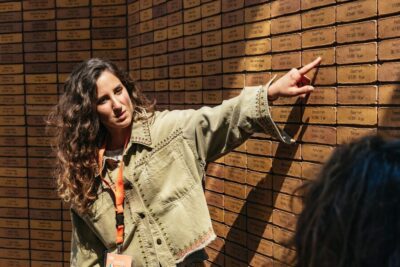
Life of Anne Frank and World War II Walking Tour
Read our review →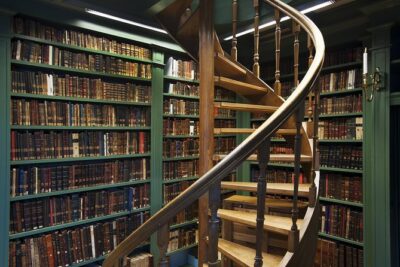
Anne Frank Walking Tour Amsterdam Including Jewish Cultural Quarter
Read our review →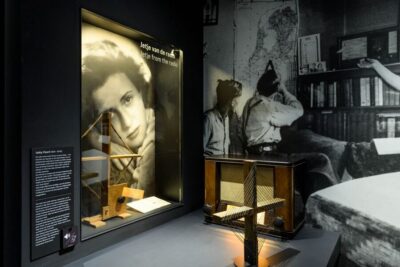
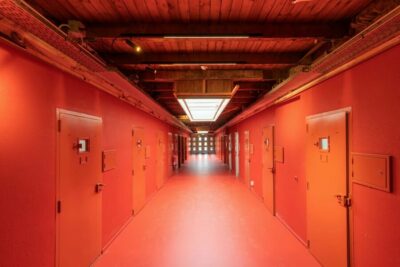
Oranjehotel World War II Prison Entrance Ticket
Read our review →
Anne Frank and Jewish Quarter Amsterdam Private Walking Tour
Read our review →
Anne Frank and Jewish Quarter Walking Tour (TOP RATED)
Read our review →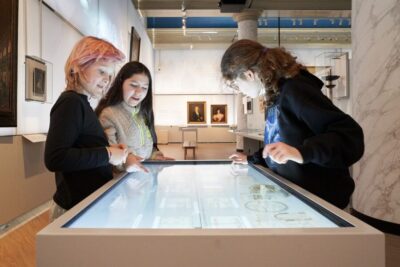
Browse the lists this tour appears in